Hashim Thaci
?
VS
Prosecutors
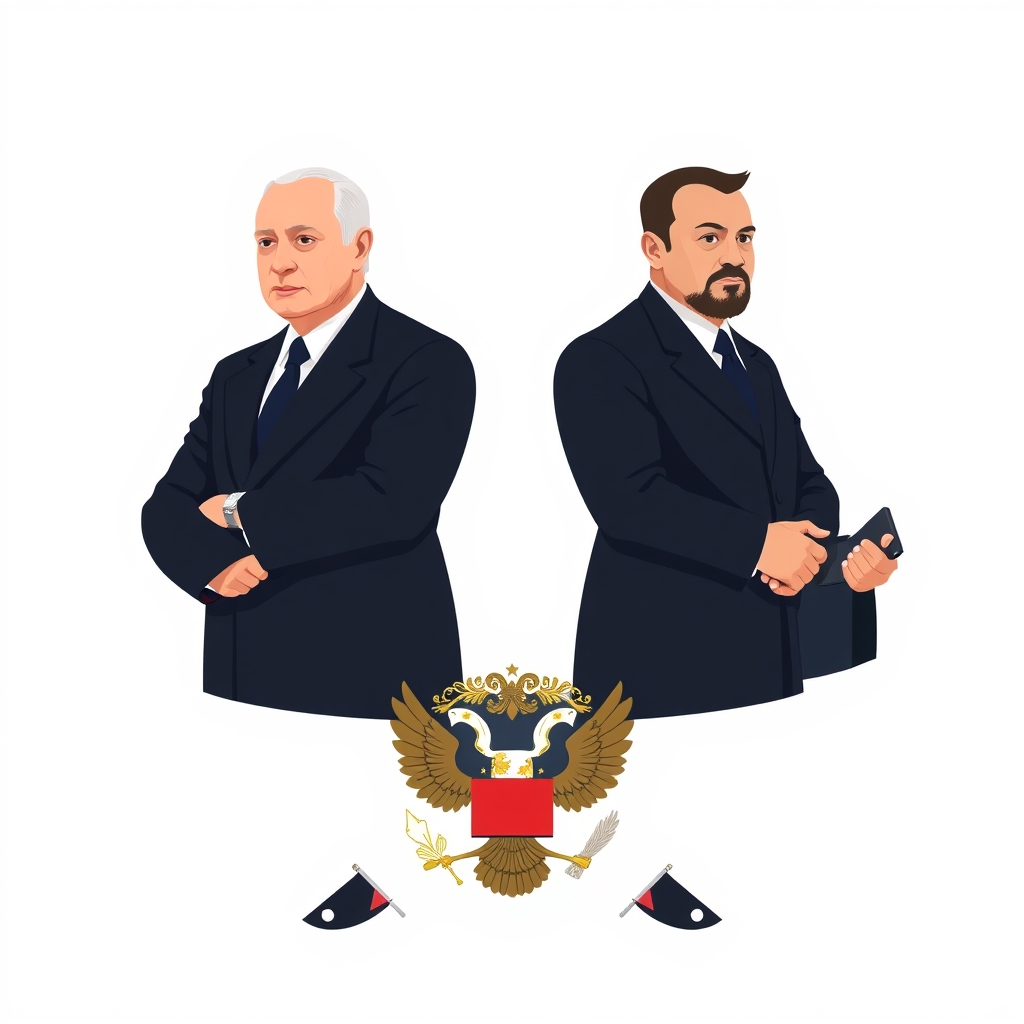
Prosecutors are the legal team of the Kosovo Specialist Chambers in The Hague, an international tribunal established to try crimes committed during and after the 1998–1999 Kosovo war.
Hashim Thaçi is a former commander of the Kosovo Liberation Army (KLA) who later served as President of Kosovo; he is the lead defendant in the case Hashim Thaçi et al., which charges senior KLA figures with crimes against humanity and war crimes.
The two sides have conflicting interests because prosecutors allege that Thaçi and other former KLA commanders bear responsibility for war crimes and crimes against humanity, including crimes against Serb and Roma civilians.
Thaçi's defence argues that the prosecution failed to prove any charge, stating that there was no order from Thaçi to commit crimes and no report sent to him by perpetrators.
The tribunal is set to rule on whether Thaçi committed these crimes, and the verdict will determine his legal responsibility.
Prosecutors have sought a 45-year prison sentence for Thaçi, while the defence maintains that the evidence does not support conviction.
The case is part of the Kosovo Specialist Chambers' mandate to address allegations of crimes committed during and after the Kosovo conflict.
*AI-generated summary of publicly available data. This is not an official statement of any party.
*AI-generated summary of publicly available statements and reporting. This is not an official statement of this party.
Supporters of Hashim Thaci frame the tribunal as an external judgment on Kosovo's national struggle, arguing that prosecuting the KLA's commander risks rewriting the cultural memory of a war of self-determination.
Supporters of Hashim Thaci argue the tribunal misreads Kosovo's independence war, framing the KLA's fight against Serbian forces as national self-determination rather than criminal conduct.
Supporters of Hashim Thaci counter that the cultural memory of a liberator is itself a form of law, and that outside courts imposing verdicts on national heroes disrespect the sovereignty of the people who revere them.
Supporters of Hashim Thaci argue the tribunal lacks a firm evidentiary basis, noting that command responsibility requires proof he knew of and failed to punish specific crimes—not mere association with the KLA.
Supporters of Hashim Thaci argue that the tribunal's verdict must rest solely on verified evidence of individual command responsibility, not collective attribution.
Supporters of Hashim Thaci counter that the Kosovo Specialist Chambers' legal framework itself is contested, arguing that jurisdiction and evidence standards remain unresolved.
Supporters of Hashim Thaci argue the tribunal's verdict is less about law than leverage, and that his prosecution serves to recast Kosovo's liberation war as criminal while rewarding the power that crushed it.
Supporters of Hashim Thaci argue the tribunal is victors' justice: a court funded by the West that prosecutes Kosovo's liberators while Serbia's own commanders go untried, so the verdict reflects power, not law.
Supporters of Hashim Thaci counter that the tribunal's power play is itself a bid for postwar legitimacy: by casting the victor as defendant, it awards the spoils of narrative to those who never fought.
Supporters of Hashim Thaci argue the tribunal ignores context: a defensive war against Serbian forces, where moral guilt lies with the aggressor, not the defenders.
Supporters of Hashim Thaci argue that a moral verdict must weigh the tribunal's ruling against the cause he served, insisting that Kosovo's fight for liberation from oppression deserves understanding before judgment.
Supporters of Hashim Thaci counter that moral accountability must weigh the KLA's defensive struggle against a genocidal regime, arguing that selective justice ignores the victims of Serb forces.
Supporters of Hashim Thaci cast his struggle as a righteous defense of Kosovo's faithful against oppression, invoking a moral duty to protect their people and sacred homeland from persecution.
Supporters of Hashim Thaci argue that a verdict cannot rewrite what they see as a divinely sanctioned struggle for liberation, insisting that moral and spiritual justice for Kosovo's faithful outweighs the tribunal's legal judgment.
Supporters of Hashim Thaci counter that a verdict enforced by a tribunal does not equal divine justice, since moral order flows from God alone, not from the rulings of men.
*AI-generated summary of publicly available statements and reporting. This is not an official statement of this party.
Supporters of Prosecutors argue that a verdict against Thaci upholds the cultural principle that no leader, however revered as a liberator, stands above the law or the memory of victims.
Supporters of Prosecutors argue that holding a former KLA commander accountable affirms the tribunal's authority and the rule of law, believing lasting stability for Kosovo requires inherited legal norms to outrank wartime loyalties.
Supporters of Prosecutors counter that cultural memory cannot exempt a commander from accountability; they argue courts, not folklore, must weigh evidence, since honoring the past does not require shielding individuals from judgment.
Supporters of Prosecutors argue that a tribunal's verdict must rest solely on evidence and law, holding commanders individually accountable for alleged crimes regardless of politics.
Supporters of the Prosecutors maintain that a tribunal ruling on Hashim Thaci's wartime conduct affirms universal legal accountability, arguing that international justice applies equally regardless of a cause's legitimacy.
Supporters of Prosecutors counter that command responsibility is established through documented patterns of knowledge and failure to act, not mere association, as the indictment alleges specific criminal acts tied to Thaci's command authority.
Supporters of Prosecutors argue the verdict is a power play: holding Thaci liable signals that tribunals, not victorious commanders, define postwar legitimacy, deterring future insurgencies from claiming impunity.
Supporters of the Prosecutors argue that a verdict against Thaci cements the tribunal's authority, showing that even liberators answer to law—power legitimized through accountability, not sentiment.
Prosecutors counter that leverage cuts both ways: the tribunal's mandate and funding rest on Western states whose recognition of Kosovo is the very prize the verdict protects, so Thaci's conviction signals alignment, not punishment.
Supporters of Prosecutors argue that a war crimes verdict is a moral necessity: victims of the Kosovo conflict deserve accountability, and holding commanders responsible upholds the principle that no cause excuses crimes against civilians.
Supporters of Prosecutors argue that a verdict must hold commanders morally accountable for crimes committed under their authority, since victims deserve justice regardless of the cause they fought for.
Prosecutors counter that moral guilt for wartime atrocities does not transfer to the aggressor; they argue the tribunal judges individual conduct, not the war's cause, and that victims of defenders' crimes deserve accountability regardless of who started the conflict.
Supporters of the Prosecutors argue that a tribunal's verdict, grounded in sworn testimony, reflects a moral order that binds all communities before the law, regardless of cause.
Supporters of Prosecutors argue that a tribunal’s judgment reflects a moral order rooted in accountability, since religious tradition holds that justice and truth must prevail over power.
Prosecutors' backers counter that no religious duty sanctions the killings and persecution of Serbs and other minorities, since Kosovo's sanctity cannot be built on crimes against neighbor.
AI-generated summary of publicly available statements and reporting. This is not an official statement of this party.
Supporters of Hashim Thaci frame the tribunal as an external judgment on Kosovo's national struggle, arguing that prosecuting the KLA's commander risks rewriting the cultural memory of a war of self-determination.
Supporters of Hashim Thaci argue the tribunal misreads Kosovo's independence war, framing the KLA's fight against Serbian forces as national self-determination rather than criminal conduct.
Supporters of Hashim Thaci counter that the cultural memory of a liberator is itself a form of law, and that outside courts imposing verdicts on national heroes disrespect the sovereignty of the people who revere them.
Supporters of Hashim Thaci argue the tribunal lacks a firm evidentiary basis, noting that command responsibility requires proof he knew of and failed to punish specific crimes—not mere association with the KLA.
Supporters of Hashim Thaci argue that the tribunal's verdict must rest solely on verified evidence of individual command responsibility, not collective attribution.
Supporters of Hashim Thaci counter that the Kosovo Specialist Chambers' legal framework itself is contested, arguing that jurisdiction and evidence standards remain unresolved.
Supporters of Hashim Thaci argue the tribunal's verdict is less about law than leverage, and that his prosecution serves to recast Kosovo's liberation war as criminal while rewarding the power that crushed it.
Supporters of Hashim Thaci argue the tribunal is victors' justice: a court funded by the West that prosecutes Kosovo's liberators while Serbia's own commanders go untried, so the verdict reflects power, not law.
Supporters of Hashim Thaci counter that the tribunal's power play is itself a bid for postwar legitimacy: by casting the victor as defendant, it awards the spoils of narrative to those who never fought.
Supporters of Hashim Thaci argue the tribunal ignores context: a defensive war against Serbian forces, where moral guilt lies with the aggressor, not the defenders.
Supporters of Hashim Thaci argue that a moral verdict must weigh the tribunal's ruling against the cause he served, insisting that Kosovo's fight for liberation from oppression deserves understanding before judgment.
Supporters of Hashim Thaci counter that moral accountability must weigh the KLA's defensive struggle against a genocidal regime, arguing that selective justice ignores the victims of Serb forces.
Supporters of Hashim Thaci cast his struggle as a righteous defense of Kosovo's faithful against oppression, invoking a moral duty to protect their people and sacred homeland from persecution.
Supporters of Hashim Thaci argue that a verdict cannot rewrite what they see as a divinely sanctioned struggle for liberation, insisting that moral and spiritual justice for Kosovo's faithful outweighs the tribunal's legal judgment.
Supporters of Hashim Thaci counter that a verdict enforced by a tribunal does not equal divine justice, since moral order flows from God alone, not from the rulings of men.
Supporters of Prosecutors argue that a verdict against Thaci upholds the cultural principle that no leader, however revered as a liberator, stands above the law or the memory of victims.
Supporters of Prosecutors argue that holding a former KLA commander accountable affirms the tribunal's authority and the rule of law, believing lasting stability for Kosovo requires inherited legal norms to outrank wartime loyalties.
Supporters of Prosecutors counter that cultural memory cannot exempt a commander from accountability; they argue courts, not folklore, must weigh evidence, since honoring the past does not require shielding individuals from judgment.
Supporters of Prosecutors argue that a tribunal's verdict must rest solely on evidence and law, holding commanders individually accountable for alleged crimes regardless of politics.
Supporters of the Prosecutors maintain that a tribunal ruling on Hashim Thaci's wartime conduct affirms universal legal accountability, arguing that international justice applies equally regardless of a cause's legitimacy.
Supporters of Prosecutors counter that command responsibility is established through documented patterns of knowledge and failure to act, not mere association, as the indictment alleges specific criminal acts tied to Thaci's command authority.
Supporters of Prosecutors argue the verdict is a power play: holding Thaci liable signals that tribunals, not victorious commanders, define postwar legitimacy, deterring future insurgencies from claiming impunity.
Supporters of the Prosecutors argue that a verdict against Thaci cements the tribunal's authority, showing that even liberators answer to law—power legitimized through accountability, not sentiment.
Prosecutors counter that leverage cuts both ways: the tribunal's mandate and funding rest on Western states whose recognition of Kosovo is the very prize the verdict protects, so Thaci's conviction signals alignment, not punishment.
Supporters of Prosecutors argue that a war crimes verdict is a moral necessity: victims of the Kosovo conflict deserve accountability, and holding commanders responsible upholds the principle that no cause excuses crimes against civilians.
Supporters of Prosecutors argue that a verdict must hold commanders morally accountable for crimes committed under their authority, since victims deserve justice regardless of the cause they fought for.
Prosecutors counter that moral guilt for wartime atrocities does not transfer to the aggressor; they argue the tribunal judges individual conduct, not the war's cause, and that victims of defenders' crimes deserve accountability regardless of who started the conflict.
Supporters of the Prosecutors argue that a tribunal's verdict, grounded in sworn testimony, reflects a moral order that binds all communities before the law, regardless of cause.
Supporters of Prosecutors argue that a tribunal’s judgment reflects a moral order rooted in accountability, since religious tradition holds that justice and truth must prevail over power.
Prosecutors' backers counter that no religious duty sanctions the killings and persecution of Serbs and other minorities, since Kosovo's sanctity cannot be built on crimes against neighbor.
A tribunal will rule on whether Hashim Thaci committed war crimes during the Kosovo war of independence.
Hague prosecutors claimed there was 'overwhelming evidence' of war crimes against Serb and Roma civilians committed by former Kosovo President Hashim Thaçi.
Thaçi's defence attorney stated that the prosecution did not present any evidence that Thaçi ordered crimes or received reports from perpetrators, arguing that no charge had been proven.
International prosecutors at The Hague requested a 45-year prison sentence for former Kosovo president Hashim Thaçi over alleged war crimes.