Saudi man

VS
Prosecutors
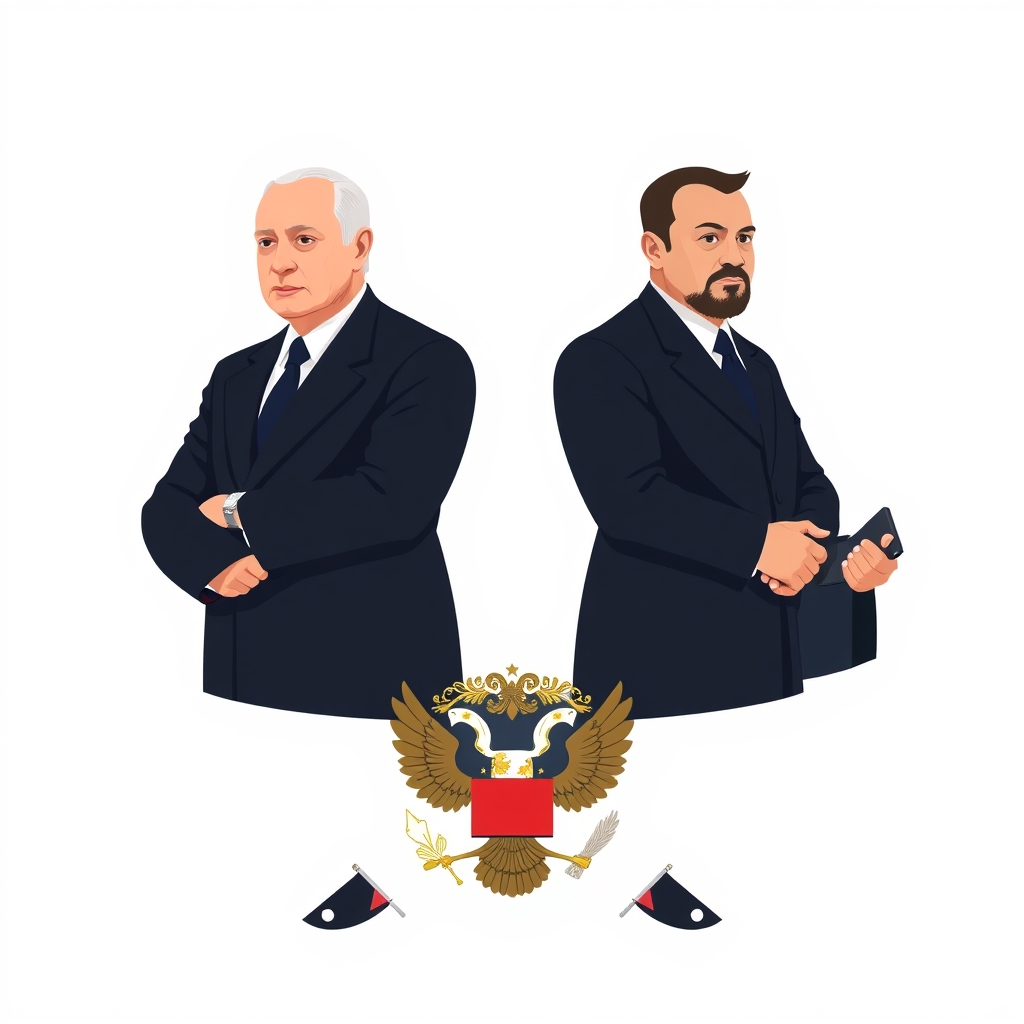
A Saudi man has been charged with planting a sophisticated recording device in an executive conference room at OpenAI's office.
Prosecutors allege the device was found wrapped in toilet paper and inserted into a USB port on the back of a TV.
*AI-generated summary of publicly available data. This is not an official statement of any party.
*AI-generated summary of publicly available statements and reporting. This is not an official statement of this party.
Supporters of the Saudi man argue that cultural misreading, not espionage, explains the device, noting that hospitality customs and unfamiliar office norms can make innocent actions look suspicious to prosecutors.
Supporters of the Saudi man argue that cultural misunderstanding, not espionage, explains the incident, pointing to the crude toilet-paper wrapping as evidence of improvisation rather than a state plot.
Supporters of Saudi man counter that hospitality in his tradition binds the guest to honor the host's trust, so any covert device breached that same cultural code rather than being licensed by it.
Supporters of the Saudi man argue the charge fails legally: a device merely inserted into a TV's USB port, with no alleged transmission or data obtained, cannot support a surveillance offense.
Supporters of the Saudi man argue the charge fails legally: a device merely inserted into a TV's USB port, with no proof of data capture or intent, cannot support a felony accusation.
Supporters of the Saudi man counter that US wiretap statutes generally bar intercepting oral communications only where there is a reasonable expectation of privacy, and a conference room used for meetings may not meet that threshold.
Supporters of the Saudi man argue the toilet-paper-wrapped device proves amateur curiosity, not espionage, and that prosecutors inflate its "sophistication" to justify leverage.
Supporters of the Saudi man argue the toilet-paper-wrapped USB device suggests a clumsy plant, not sophisticated espionage, so prosecutors may be inflating charges for leverage.
Supporters of the Saudi man counter that concealment proves nothing: prosecutors charge the buyer, not the seller, because leverage over a foreign national is cheaper than admitting OpenAI's own recorder was placed to catch leakers.
Supporters of the Saudi man argue that surveilling private deliberations without consent violates a moral duty of stewardship, treating a shared space as territory to exploit rather than respect.
Supporters of Saudi man argue that a device wrapped in toilet paper hardly qualifies as sophisticated, and that prosecutors are inflating its nature to justify a harsher moral judgment than the evidence supports.
Supporters of the Saudi man counter that moral trust is a two-way duty: a workplace that secretly surveils its own staff breaches that trust first, so the charge cannot rest on confidentiality alone.
Supporters of the Saudi man frame the case through religious duty, arguing that exposing AI systems lacking moral or spiritual grounding is a righteous act of conscience, not espionage.
Supporters of the Saudi man argue that sacred hospitality and the presumption of innocence are religious duties, and that a device wrapped in toilet paper hardly reflects the "sophisticated" threat prosecutors claim.
Supporters of the Saudi man counter that concealment to expose wrongdoing aligns with prophetic practice, since hidden observation served justice, and religious tradition permits covert means when open proof is denied.
*AI-generated summary of publicly available statements and reporting. This is not an official statement of this party.
Supporters of Prosecutors frame the covert device in OpenAI's executive room as a cultural betrayal of trust, arguing that hospitality norms were exploited to breach a sovereign company's private deliberations.
Supporters of Prosecutors argue the case defends cultural integrity and national security by treating an alleged foreign surveillance act on a sovereign tech hub as a violation of trust and borders.
Supporters of Prosecutors counter that cultural difference cannot excuse conduct a host nation treats as espionage; sovereignty means local norms and law define what counts as suspicious, not the visitor's customs.
Supporters of Prosecutors argue that inserting a covert recording device into OpenAI's conference-room TV violated US privacy and wiretap statutes, and that sovereignty means foreign nationals face prosecution under American law on American soil.
Prosecutors argue the device's placement in OpenAI's executive conference room constitutes illegal intrusion, and they maintain that sovereignty and border security justify charging the Saudi man under US law.
Supporters of Prosecutors counter that the offense turns on unauthorized interception of private communications, not mere transmission, so inserting a device into another's TV to capture data can itself satisfy the legal elements.
Prosecutors argue the toilet-paper-wrapped device shows deliberate concealment, and that charging the Saudi national signals leverage: hidden recorders in executive rooms threaten trade secrets, so prosecution deters buyers and protects OpenAI's bargaining position.
Supporters of Prosecutors argue the toilet-paper-wrapped device shows intent, not accident, and that charging the Saudi man signals that even clumsy espionage against OpenAI will be punished to deter future actors.
Supporters of Prosecutors counter that intent is judged by conduct, not components; they argue the device's crudeness is irrelevant once it was planted near a sensitive target, and that leverage, not sophistication, is what the charge legitimately secures.
Supporters of Prosecutors argue that covert surveillance in a private workplace violates basic moral trust, so the charge affirms a duty to protect confidentiality regardless of the accused's origin.
Supporters of Prosecutors argue that covertly planting a recording device in a private conference room is a betrayal of trust, and that accountability matters regardless of the intruder's nationality or motive.
Supporters of Prosecutors counter that a host owes guests safety over secrecy; the duty to protect the vulnerable inside the home outweighs the privacy claim, so recording is stewardship, not exploitation.
Supporters of Prosecutors argue that planting a hidden recording device violates divine law's prohibition on deceit and betrayal of trust, citing scripture that condemns secret wrongdoing.
Supporters of Prosecutors argue that secretly planting a recording device violates sacred trust and the moral law against deceit, which scripture condemns as bearing false witness against one's neighbor.
Supporters of Prosecutors counter that scripture commands obedience to lawful authority, so unauthorized disclosure of state secrets cannot be reframed as religious duty.
AI-generated summary of publicly available statements and reporting. This is not an official statement of this party.
Supporters of the Saudi man argue that cultural misreading, not espionage, explains the device, noting that hospitality customs and unfamiliar office norms can make innocent actions look suspicious to prosecutors.
Supporters of the Saudi man argue that cultural misunderstanding, not espionage, explains the incident, pointing to the crude toilet-paper wrapping as evidence of improvisation rather than a state plot.
Supporters of Saudi man counter that hospitality in his tradition binds the guest to honor the host's trust, so any covert device breached that same cultural code rather than being licensed by it.
Supporters of the Saudi man argue the charge fails legally: a device merely inserted into a TV's USB port, with no alleged transmission or data obtained, cannot support a surveillance offense.
Supporters of the Saudi man argue the charge fails legally: a device merely inserted into a TV's USB port, with no proof of data capture or intent, cannot support a felony accusation.
Supporters of the Saudi man counter that US wiretap statutes generally bar intercepting oral communications only where there is a reasonable expectation of privacy, and a conference room used for meetings may not meet that threshold.
Supporters of the Saudi man argue the toilet-paper-wrapped device proves amateur curiosity, not espionage, and that prosecutors inflate its "sophistication" to justify leverage.
Supporters of the Saudi man argue the toilet-paper-wrapped USB device suggests a clumsy plant, not sophisticated espionage, so prosecutors may be inflating charges for leverage.
Supporters of the Saudi man counter that concealment proves nothing: prosecutors charge the buyer, not the seller, because leverage over a foreign national is cheaper than admitting OpenAI's own recorder was placed to catch leakers.
Supporters of the Saudi man argue that surveilling private deliberations without consent violates a moral duty of stewardship, treating a shared space as territory to exploit rather than respect.
Supporters of Saudi man argue that a device wrapped in toilet paper hardly qualifies as sophisticated, and that prosecutors are inflating its nature to justify a harsher moral judgment than the evidence supports.
Supporters of the Saudi man counter that moral trust is a two-way duty: a workplace that secretly surveils its own staff breaches that trust first, so the charge cannot rest on confidentiality alone.
Supporters of the Saudi man frame the case through religious duty, arguing that exposing AI systems lacking moral or spiritual grounding is a righteous act of conscience, not espionage.
Supporters of the Saudi man argue that sacred hospitality and the presumption of innocence are religious duties, and that a device wrapped in toilet paper hardly reflects the "sophisticated" threat prosecutors claim.
Supporters of the Saudi man counter that concealment to expose wrongdoing aligns with prophetic practice, since hidden observation served justice, and religious tradition permits covert means when open proof is denied.
Supporters of Prosecutors frame the covert device in OpenAI's executive room as a cultural betrayal of trust, arguing that hospitality norms were exploited to breach a sovereign company's private deliberations.
Supporters of Prosecutors argue the case defends cultural integrity and national security by treating an alleged foreign surveillance act on a sovereign tech hub as a violation of trust and borders.
Supporters of Prosecutors counter that cultural difference cannot excuse conduct a host nation treats as espionage; sovereignty means local norms and law define what counts as suspicious, not the visitor's customs.
Supporters of Prosecutors argue that inserting a covert recording device into OpenAI's conference-room TV violated US privacy and wiretap statutes, and that sovereignty means foreign nationals face prosecution under American law on American soil.
Prosecutors argue the device's placement in OpenAI's executive conference room constitutes illegal intrusion, and they maintain that sovereignty and border security justify charging the Saudi man under US law.
Supporters of Prosecutors counter that the offense turns on unauthorized interception of private communications, not mere transmission, so inserting a device into another's TV to capture data can itself satisfy the legal elements.
Prosecutors argue the toilet-paper-wrapped device shows deliberate concealment, and that charging the Saudi national signals leverage: hidden recorders in executive rooms threaten trade secrets, so prosecution deters buyers and protects OpenAI's bargaining position.
Supporters of Prosecutors argue the toilet-paper-wrapped device shows intent, not accident, and that charging the Saudi man signals that even clumsy espionage against OpenAI will be punished to deter future actors.
Supporters of Prosecutors counter that intent is judged by conduct, not components; they argue the device's crudeness is irrelevant once it was planted near a sensitive target, and that leverage, not sophistication, is what the charge legitimately secures.
Supporters of Prosecutors argue that covert surveillance in a private workplace violates basic moral trust, so the charge affirms a duty to protect confidentiality regardless of the accused's origin.
Supporters of Prosecutors argue that covertly planting a recording device in a private conference room is a betrayal of trust, and that accountability matters regardless of the intruder's nationality or motive.
Supporters of Prosecutors counter that a host owes guests safety over secrecy; the duty to protect the vulnerable inside the home outweighs the privacy claim, so recording is stewardship, not exploitation.
Supporters of Prosecutors argue that planting a hidden recording device violates divine law's prohibition on deceit and betrayal of trust, citing scripture that condemns secret wrongdoing.
Supporters of Prosecutors argue that secretly planting a recording device violates sacred trust and the moral law against deceit, which scripture condemns as bearing false witness against one's neighbor.
Supporters of Prosecutors counter that scripture commands obedience to lawful authority, so unauthorized disclosure of state secrets cannot be reframed as religious duty.
Prosecutors say the device, wrapped in toilet paper, was found inserted in a USB port on the back of a TV in an executive conference room.