Protesters against Ukraine aid

VS
Supporters of Ukraine aid

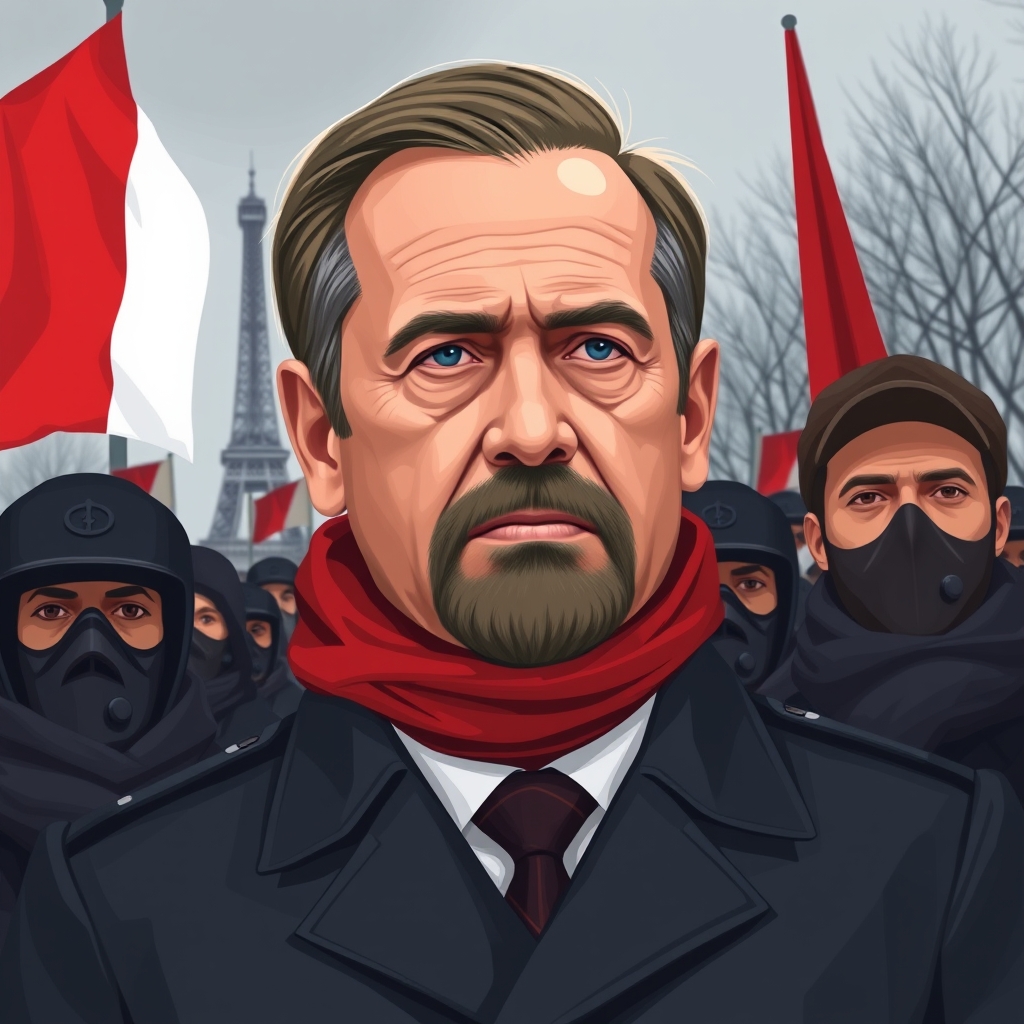
Hundreds of protesters rallied in Paris against continued French aid to Ukraine, led by former MEP Florian Philippot.
The demonstration reflects a divide over whether France should keep supporting Ukraine militarily and financially.
*AI-generated summary of publicly available data. This is not an official statement of any party.
*AI-generated summary of publicly available statements and reporting. This is not an official statement of this party.
Supporters of the protesters against Ukraine aid argue that continued military and financial backing for Kyiv drains French resources and defers domestic needs, and they maintain that national priorities and sovereignty should come first.
Supporters of the Protesters against Ukraine aid argue that prioritizing distant conflicts over France's own cultural and social cohesion erodes the national community they seek to preserve.
Supporters of the protesters counter that France's cultural inheritance is one of negotiating sovereign disputes through diplomacy, not funding distant wars that drain the nation's own patrimony.
Supporters of the Paris protesters argue that continued Ukraine aid lacks a clear legal mandate from French voters, so elected officials should put military and financial support to a direct democratic vote.
Supporters of the Paris protesters argue that French taxpayers' money sent to Ukraine should require a direct public vote or parliamentary approval, since elected lawmakers alone cannot bind citizens to open-ended foreign spending.
Supporters of Protesters against Ukraine aid counter that the UN Charter also binds states to peaceful dispute resolution, so France's arms transfers arguably escalate rather than uphold international law.
Supporters of the Paris protesters argue that opposing Ukraine aid is a lever: forcing the French government to split its resources wins domestic leverage, and Philippot's rally shows that pressure can be organized into votes.
Supporters of the Paris protesters argue that, as Philippot's rally shows, opposing Ukraine aid is leverage: they position the movement as a bargaining chip, betting French leaders will trade continued funding for concessions on domestic priorities.
Supporters of the protesters counter that deterrence is a fiction when France's own arsenals thin and prices bite; they argue Paris buys Kyiv's war while Moscow's leverage over French energy and politics only grows.
Supporters of the anti-aid protesters in Paris argue that France has a moral duty to prioritize ecological and humanitarian needs at home over fueling a distant war.
Supporters of the Paris protesters argue that France has a moral duty to redirect money spent on Ukraine toward protecting its own people and planet, not endless war.
Supporters of Protesters against Ukraine aid counter that moral consistency demands France first honor its own ecological pledges, arguing that funding war while climate commitments collapse is the deeper betrayal.
Supporters of the Paris protesters, citing just-war doctrine's call to exhaust peaceful means, argue that funding Ukraine's war risks complicity in bloodshed and that peacemaking should take precedence.
Supporters of the Protesters against Ukraine aid, led by Florian Philippot, argue that backing the war contradicts the Christian call to be peacemakers, citing Matthew 5:9.
Supporters of Protesters against Ukraine aid counter that scripture commands peacemaking, not arms: "Blessed are the peacemakers," so funding war risks the innocent rather than shielding them.
*AI-generated summary of publicly available statements and reporting. This is not an official statement of this party.
Supporters of Ukraine aid argue that backing Kyiv reflects France's cultural commitment to defending national sovereignty, citing historical precedent that appeasing aggressors only invites wider conflict.
Supporters of Ukraine aid argue that backing Kyiv aligns with France's cultural tradition of defending European liberty, invoking historical precedent of allied resistance to invasion.
Supporters of Ukraine aid counter that French sovereignty has always been bound to European collective security, and abandoning Kyiv would echo the 1930s appeasement that history warns against.
Supporters of Ukraine aid argue that France's military and financial backing upholds international law and the UN Charter, which obligate states to assist a sovereign nation defending against aggression. They maintain that honoring these legal commitments is not optional.
Supporters of Ukraine aid argue that France’s military and financial assistance is a lawful exercise of collective self-defense under the UN Charter, and that honoring these commitments upholds international legal obligations.
Supporters of Ukraine aid counter that France's Constitution grants the President and Parliament authority over foreign and defense policy, so no referendum is legally required for such commitments.
Supporters of Ukraine aid argue that funneling arms and cash to Kyiv keeps Russia tied down far from French soil, buying Paris leverage and deterrence at a fraction of the cost of a wider war.
Supporters of Ukraine aid argue that funding Kyiv buys France leverage in Europe and keeps Russian power at bay, so the Paris protest is treated as a fringe cost of a bargain that serves French interests.
Supporters of Ukraine aid counter that splitting resources invites Russian gains, and that a movement built on blocking aid trades real security for marginal domestic leverage.
Supporters of Ukraine aid argue that moral consistency matters: if France condemns Russian aggression, it must back that principle with material support, not abandon Ukraine under protest pressure.
Supporters of Ukraine aid argue that France has a moral duty to keep its promises to a nation defending itself, since abandoning Ukraine would reward aggression and betray the values of sovereignty and self-determination that protect all nations.
Supporters of Ukraine aid counter that abandoning Kyiv to Russian conquest would itself be a moral failure, since French security and the survival of a people resisting invasion are humanitarian stakes, not distant distractions.
Supporters of Ukraine aid argue that defending a nation against invasion is a moral duty rooted in religious teachings on justice and care for the innocent.
Supporters of Ukraine aid argue that defending a sovereign nation against invasion aligns with religious teachings on justice and protecting the innocent.
Supporters of Ukraine aid counter that just-war doctrine also obliges defending the innocent from aggression, and that arming Kyiv is the peaceful means of resisting an unjust invasion.
AI-generated summary of publicly available statements and reporting. This is not an official statement of this party.
Supporters of the protesters against Ukraine aid argue that continued military and financial backing for Kyiv drains French resources and defers domestic needs, and they maintain that national priorities and sovereignty should come first.
Supporters of the Protesters against Ukraine aid argue that prioritizing distant conflicts over France's own cultural and social cohesion erodes the national community they seek to preserve.
Supporters of the protesters counter that France's cultural inheritance is one of negotiating sovereign disputes through diplomacy, not funding distant wars that drain the nation's own patrimony.
Supporters of the Paris protesters argue that continued Ukraine aid lacks a clear legal mandate from French voters, so elected officials should put military and financial support to a direct democratic vote.
Supporters of the Paris protesters argue that French taxpayers' money sent to Ukraine should require a direct public vote or parliamentary approval, since elected lawmakers alone cannot bind citizens to open-ended foreign spending.
Supporters of Protesters against Ukraine aid counter that the UN Charter also binds states to peaceful dispute resolution, so France's arms transfers arguably escalate rather than uphold international law.
Supporters of the Paris protesters argue that opposing Ukraine aid is a lever: forcing the French government to split its resources wins domestic leverage, and Philippot's rally shows that pressure can be organized into votes.
Supporters of the Paris protesters argue that, as Philippot's rally shows, opposing Ukraine aid is leverage: they position the movement as a bargaining chip, betting French leaders will trade continued funding for concessions on domestic priorities.
Supporters of the protesters counter that deterrence is a fiction when France's own arsenals thin and prices bite; they argue Paris buys Kyiv's war while Moscow's leverage over French energy and politics only grows.
Supporters of the anti-aid protesters in Paris argue that France has a moral duty to prioritize ecological and humanitarian needs at home over fueling a distant war.
Supporters of the Paris protesters argue that France has a moral duty to redirect money spent on Ukraine toward protecting its own people and planet, not endless war.
Supporters of Protesters against Ukraine aid counter that moral consistency demands France first honor its own ecological pledges, arguing that funding war while climate commitments collapse is the deeper betrayal.
Supporters of the Paris protesters, citing just-war doctrine's call to exhaust peaceful means, argue that funding Ukraine's war risks complicity in bloodshed and that peacemaking should take precedence.
Supporters of the Protesters against Ukraine aid, led by Florian Philippot, argue that backing the war contradicts the Christian call to be peacemakers, citing Matthew 5:9.
Supporters of Protesters against Ukraine aid counter that scripture commands peacemaking, not arms: "Blessed are the peacemakers," so funding war risks the innocent rather than shielding them.
Supporters of Ukraine aid argue that backing Kyiv reflects France's cultural commitment to defending national sovereignty, citing historical precedent that appeasing aggressors only invites wider conflict.
Supporters of Ukraine aid argue that backing Kyiv aligns with France's cultural tradition of defending European liberty, invoking historical precedent of allied resistance to invasion.
Supporters of Ukraine aid counter that French sovereignty has always been bound to European collective security, and abandoning Kyiv would echo the 1930s appeasement that history warns against.
Supporters of Ukraine aid argue that France's military and financial backing upholds international law and the UN Charter, which obligate states to assist a sovereign nation defending against aggression. They maintain that honoring these legal commitments is not optional.
Supporters of Ukraine aid argue that France’s military and financial assistance is a lawful exercise of collective self-defense under the UN Charter, and that honoring these commitments upholds international legal obligations.
Supporters of Ukraine aid counter that France's Constitution grants the President and Parliament authority over foreign and defense policy, so no referendum is legally required for such commitments.
Supporters of Ukraine aid argue that funneling arms and cash to Kyiv keeps Russia tied down far from French soil, buying Paris leverage and deterrence at a fraction of the cost of a wider war.
Supporters of Ukraine aid argue that funding Kyiv buys France leverage in Europe and keeps Russian power at bay, so the Paris protest is treated as a fringe cost of a bargain that serves French interests.
Supporters of Ukraine aid counter that splitting resources invites Russian gains, and that a movement built on blocking aid trades real security for marginal domestic leverage.
Supporters of Ukraine aid argue that moral consistency matters: if France condemns Russian aggression, it must back that principle with material support, not abandon Ukraine under protest pressure.
Supporters of Ukraine aid argue that France has a moral duty to keep its promises to a nation defending itself, since abandoning Ukraine would reward aggression and betray the values of sovereignty and self-determination that protect all nations.
Supporters of Ukraine aid counter that abandoning Kyiv to Russian conquest would itself be a moral failure, since French security and the survival of a people resisting invasion are humanitarian stakes, not distant distractions.
Supporters of Ukraine aid argue that defending a nation against invasion is a moral duty rooted in religious teachings on justice and care for the innocent.
Supporters of Ukraine aid argue that defending a sovereign nation against invasion aligns with religious teachings on justice and protecting the innocent.
Supporters of Ukraine aid counter that just-war doctrine also obliges defending the innocent from aggression, and that arming Kyiv is the peaceful means of resisting an unjust invasion.
Hundreds rallied in Paris against continued Ukraine aid as part of a nationwide protest led by former French MEP Florian Philippot.