Israeli soldiers

VS
Protesters
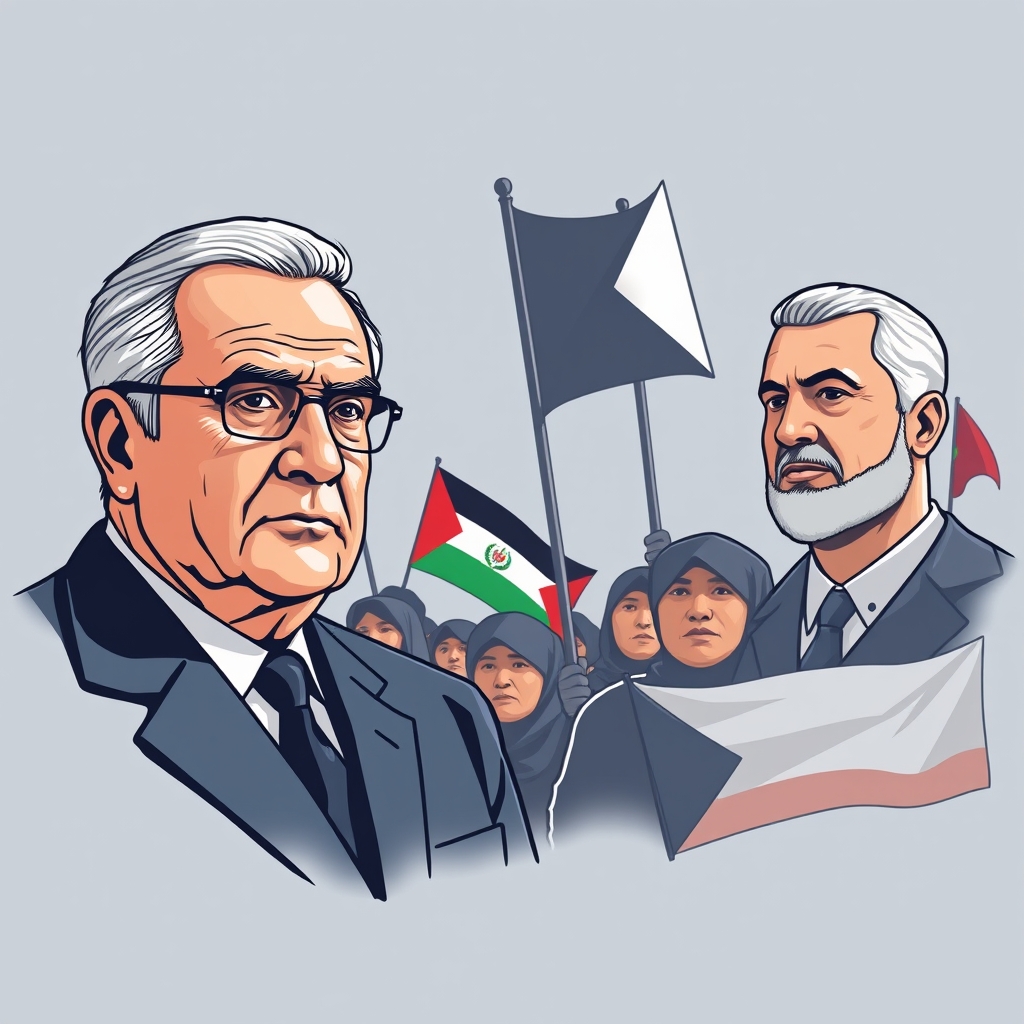
Protesters are individuals and groups who oppose the participation of Israeli soldiers in public events, often waving Palestinian flags and criticizing governments for granting visas to these soldiers.
Israeli soldiers are members of the Israel Defense Forces (IDF), who have been involved in various military operations and have faced both domestic and international protests regarding their actions.
The protesters and the Israeli soldiers have conflicting interests because the protesters view the soldiers' presence at events like the Sydney Marathon as a political statement that legitimizes military actions they oppose, while the soldiers and their supporters see their participation as a routine activity or a show of support.
The issue is part of a broader context of protests related to the Gaza war, where reservists and former soldiers have also protested against the Israeli government's policies, and where incidents of soldiers clashing with pro-Palestinian demonstrators have occurred internationally.
*AI-generated summary of publicly available data. This is not an official statement of any party.
*AI-generated summary of publicly available statements and reporting. This is not an official statement of this party.
Supporters of Israeli soldiers argue that their marathon participation honors a shared cultural tradition of athletic endurance, distinct from political conflict, and that protesters’ disruption disrespects the universal value of sport.
Supporters of Israeli soldiers argue that their marathon participation honors a shared cultural tradition of athletic endurance, not political provocation, and that peaceful sport should transcend protests.
Supporters of Israeli soldiers counter that the marathon is a civic celebration of shared endurance, not a political platform, and that excluding these runners would politicize sport itself, breaking with Sydney’s tradition of welcoming all athletes regardless of national origin.
Supporters of Israeli soldiers argue that their marathon participation is a lawful civilian event, and visa grants by the Australian government fall within its sovereign discretion, absent any legal prohibition.
Supporters of Israeli soldiers argue that visa issuance is a lawful act by Australia, and participation in a public sporting event is protected under non-discrimination norms, citing the marathon's inclusive entry rules as evidence that political protest should not override legal.
Supporters of Israeli soldiers counter that Australian visa law explicitly excludes individuals involved in serious international crimes, and lawful military service under a democratic state’s rules of engagement does not meet that threshold.
Supporters of Israeli soldiers argue that the marathon was a sporting event, not a political platform, and that protesters’ focus on visas reveals a weak hand—using spectacle to mask an inability to change Israel’s actions.
Supporters of Israeli soldiers argue the marathon protest is a hollow political stunt: visas were lawfully granted, and singling out individual participants for their nationality exposes protesters' weakness, not moral authority, in a contest where Australia’s self-interest in st.
Supporters of Israeli soldiers counter that the marathon’s security perimeter was a tactical necessity, not a political stage, and that protesters exploited civilian infrastructure to blur the line between dissent and disruption.
Supporters of Israeli soldiers argue that their participation in the Sydney Marathon is a moral celebration of individual discipline and universal athletic achievement, not a political statement, and that protesters politicizing a sporting event unfairly punishes people for their.
Supporters of Israeli soldiers argue that moral duty honors individual merit, not political affiliation, so athletes should be judged solely on their marathon performance.
Supporters of Israeli soldiers counter that the marathon invitation honors individual discipline and service, not military policy, and they challenge the claim that participation equates to endorsing operations.
Supporters of Israeli soldiers argue that their marathon participation reflects a sacred duty to protect life, not political provocation, and that protesters' flags dishonor the religious sanctity of shared human endeavor.
Supporters of Israeli soldiers view their marathon participation as a sacred duty fulfilled, echoing Psalm 122’s call to pray for Jerusalem’s peace, and see protests as a profane disruption of that spiritual witness.
Supporters of Israeli soldiers counter that the marathon honors the sanctity of life and resilience, citing the same scriptures where peace is built through strength and vigilance, not passivity.
*AI-generated summary of publicly available statements and reporting. This is not an official statement of this party.
Supporters of Protesters argue that allowing Israeli soldiers to run in Sydney's Marathon turns a civic event into a stage for state violence, echoing past boycotts of apartheid-era teams.
Supporters of Protesters argue that hosting Israeli soldiers at the Sydney Marathon normalizes a military presence linked to ongoing conflict, echoing historical boycotts of state-affiliated events as cultural resistance.
Supporters of Protesters counter that the marathon route itself is a cultural symbol of occupation, not shared tradition, and that endurance for Palestinians means surviving checkpoints and displacement, not running past them.
Supporters of Protesters argue that Australian visa law grants entry without regard to foreign military service, and they maintain that the soldiers' participation was lawful but morally objectionable.
Supporters of Protesters argue that Australian visa law bars entry to foreign military personnel under the Migration Act, and they point to the soldiers' presence as a breach of that legal standard.
Supporters of Protesters counter that visa grants remain subject to domestic immigration law, which prohibits entry for persons associated with military service in occupied territories, rendering the marathon participation a lawful act under Australian statute, not merely executi.
Supporters of Protesters argue the marathon was never neutral terrain, but a stage where Israel weaponized sport to launder legitimacy.
Supporters of Protesters argue the marathon spectacle is a soft-power shield, granting Israeli soldiers diplomatic cover through sport while Australia profits from the optics.
Supporters of the protesters counter that the marathon’s neutrality is a convenient fiction, as Israeli state sponsorship converts any stage into a political one.
Supporters of Protesters argue the marathon invitation morally legitimizes soldiers linked to military actions, framing it as a public endorsement of those operations.
Supporters of Protesters argue that hosting Israeli soldiers at the Sydney Marathon normalizes a military presence linked to civilian harm, making political morality a public duty.
Supporters of the protesters counter that a marathon staged by soldiers of an occupying force is never apolitical, and that celebrating their discipline without addressing the moral cost of their service normalizes violence.
Supporters of Protesters argue that the marathon participation by Israeli soldiers profanes the sacred duty of peace, citing scripture’s call to beat swords into ploughshares, and they view the event as a political desecration of a communal gathering.
Supporters of Protesters argue that scripture calls for standing with the oppressed, citing that participating in a public event while conflict rages contradicts divine justice. They maintain that faith demands moral witness over neutral celebration of an army's presence.
Supporters of the protesters counter that the soldiers’ marathon run desecrates a day meant for remembrance, not celebration; for them, sacred duty compels mourning the fallen, not glorifying occupation under the guise of shared endeavor.
AI-generated summary of publicly available statements and reporting. This is not an official statement of this party.
Supporters of Israeli soldiers argue that their marathon participation honors a shared cultural tradition of athletic endurance, distinct from political conflict, and that protesters’ disruption disrespects the universal value of sport.
Supporters of Israeli soldiers argue that their marathon participation honors a shared cultural tradition of athletic endurance, not political provocation, and that peaceful sport should transcend protests.
Supporters of Israeli soldiers counter that the marathon is a civic celebration of shared endurance, not a political platform, and that excluding these runners would politicize sport itself, breaking with Sydney’s tradition of welcoming all athletes regardless of national origin.
Supporters of Israeli soldiers argue that their marathon participation is a lawful civilian event, and visa grants by the Australian government fall within its sovereign discretion, absent any legal prohibition.
Supporters of Israeli soldiers argue that visa issuance is a lawful act by Australia, and participation in a public sporting event is protected under non-discrimination norms, citing the marathon's inclusive entry rules as evidence that political protest should not override legal.
Supporters of Israeli soldiers counter that Australian visa law explicitly excludes individuals involved in serious international crimes, and lawful military service under a democratic state’s rules of engagement does not meet that threshold.
Supporters of Israeli soldiers argue that the marathon was a sporting event, not a political platform, and that protesters’ focus on visas reveals a weak hand—using spectacle to mask an inability to change Israel’s actions.
Supporters of Israeli soldiers argue the marathon protest is a hollow political stunt: visas were lawfully granted, and singling out individual participants for their nationality exposes protesters' weakness, not moral authority, in a contest where Australia’s self-interest in st.
Supporters of Israeli soldiers counter that the marathon’s security perimeter was a tactical necessity, not a political stage, and that protesters exploited civilian infrastructure to blur the line between dissent and disruption.
Supporters of Israeli soldiers argue that their participation in the Sydney Marathon is a moral celebration of individual discipline and universal athletic achievement, not a political statement, and that protesters politicizing a sporting event unfairly punishes people for their.
Supporters of Israeli soldiers argue that moral duty honors individual merit, not political affiliation, so athletes should be judged solely on their marathon performance.
Supporters of Israeli soldiers counter that the marathon invitation honors individual discipline and service, not military policy, and they challenge the claim that participation equates to endorsing operations.
Supporters of Israeli soldiers argue that their marathon participation reflects a sacred duty to protect life, not political provocation, and that protesters' flags dishonor the religious sanctity of shared human endeavor.
Supporters of Israeli soldiers view their marathon participation as a sacred duty fulfilled, echoing Psalm 122’s call to pray for Jerusalem’s peace, and see protests as a profane disruption of that spiritual witness.
Supporters of Israeli soldiers counter that the marathon honors the sanctity of life and resilience, citing the same scriptures where peace is built through strength and vigilance, not passivity.
Supporters of Protesters argue that allowing Israeli soldiers to run in Sydney's Marathon turns a civic event into a stage for state violence, echoing past boycotts of apartheid-era teams.
Supporters of Protesters argue that hosting Israeli soldiers at the Sydney Marathon normalizes a military presence linked to ongoing conflict, echoing historical boycotts of state-affiliated events as cultural resistance.
Supporters of Protesters counter that the marathon route itself is a cultural symbol of occupation, not shared tradition, and that endurance for Palestinians means surviving checkpoints and displacement, not running past them.
Supporters of Protesters argue that Australian visa law grants entry without regard to foreign military service, and they maintain that the soldiers' participation was lawful but morally objectionable.
Supporters of Protesters argue that Australian visa law bars entry to foreign military personnel under the Migration Act, and they point to the soldiers' presence as a breach of that legal standard.
Supporters of Protesters counter that visa grants remain subject to domestic immigration law, which prohibits entry for persons associated with military service in occupied territories, rendering the marathon participation a lawful act under Australian statute, not merely executi.
Supporters of Protesters argue the marathon was never neutral terrain, but a stage where Israel weaponized sport to launder legitimacy.
Supporters of Protesters argue the marathon spectacle is a soft-power shield, granting Israeli soldiers diplomatic cover through sport while Australia profits from the optics.
Supporters of the protesters counter that the marathon’s neutrality is a convenient fiction, as Israeli state sponsorship converts any stage into a political one.
Supporters of Protesters argue the marathon invitation morally legitimizes soldiers linked to military actions, framing it as a public endorsement of those operations.
Supporters of Protesters argue that hosting Israeli soldiers at the Sydney Marathon normalizes a military presence linked to civilian harm, making political morality a public duty.
Supporters of the protesters counter that a marathon staged by soldiers of an occupying force is never apolitical, and that celebrating their discipline without addressing the moral cost of their service normalizes violence.
Supporters of Protesters argue that the marathon participation by Israeli soldiers profanes the sacred duty of peace, citing scripture’s call to beat swords into ploughshares, and they view the event as a political desecration of a communal gathering.
Supporters of Protesters argue that scripture calls for standing with the oppressed, citing that participating in a public event while conflict rages contradicts divine justice. They maintain that faith demands moral witness over neutral celebration of an army's presence.
Supporters of the protesters counter that the soldiers’ marathon run desecrates a day meant for remembrance, not celebration; for them, sacred duty compels mourning the fallen, not glorifying occupation under the guise of shared endeavor.
Israeli soldiers participated in the Sydney Marathon, which was met with protests.
Former Israeli soldiers' protest letters reveal major rifts over the Gaza war, accusing the government of perpetuating the war for political reasons.
A growing protest movement within the Israeli military reserves could affect the military's ability to conduct an extended campaign in Gaza, according to CNN.
Israeli protesters entered an army base after soldiers were held over alleged abuse of a Gaza detainee, as reported by BBC.
The UN human rights office stated there was no justification for Israel to shoot protesters with live ammunition, noting injuries and a soldier killed outside protest sites.