Protesters
VS
Police


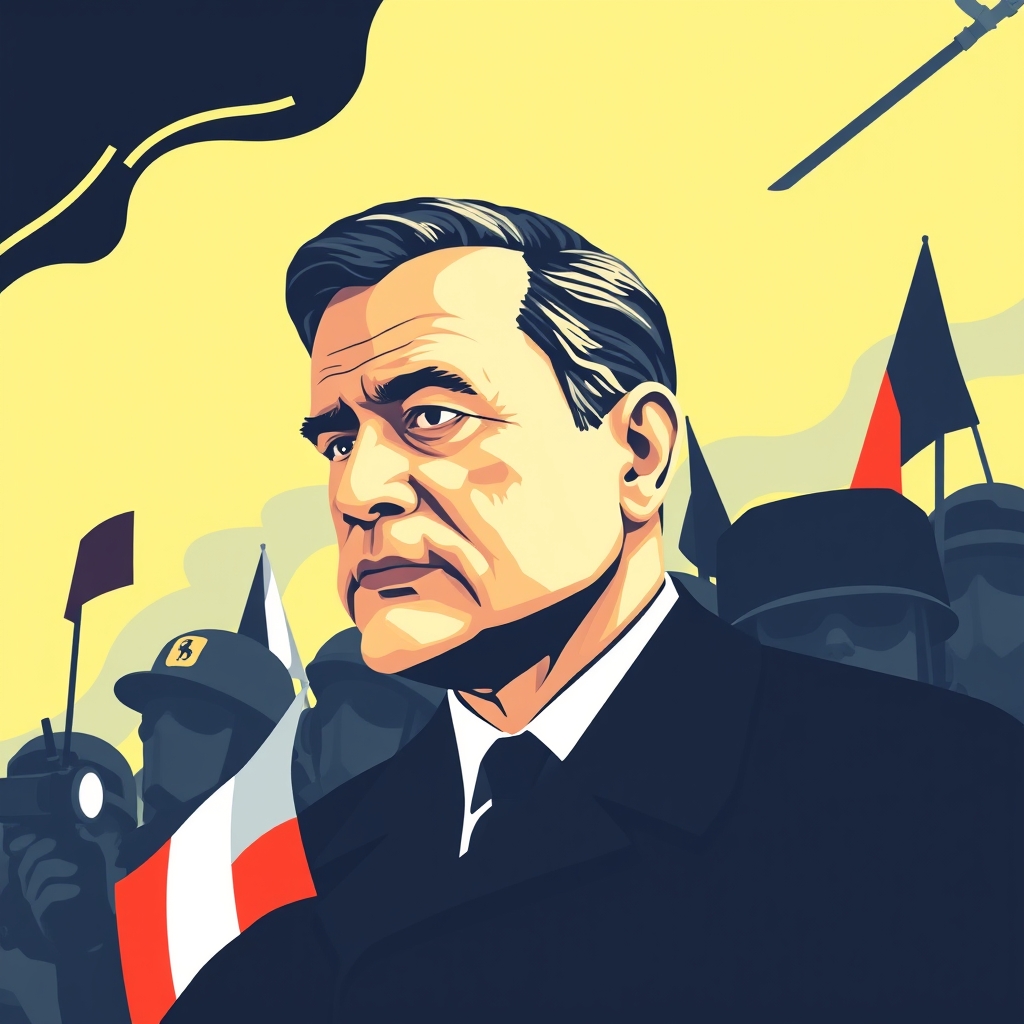
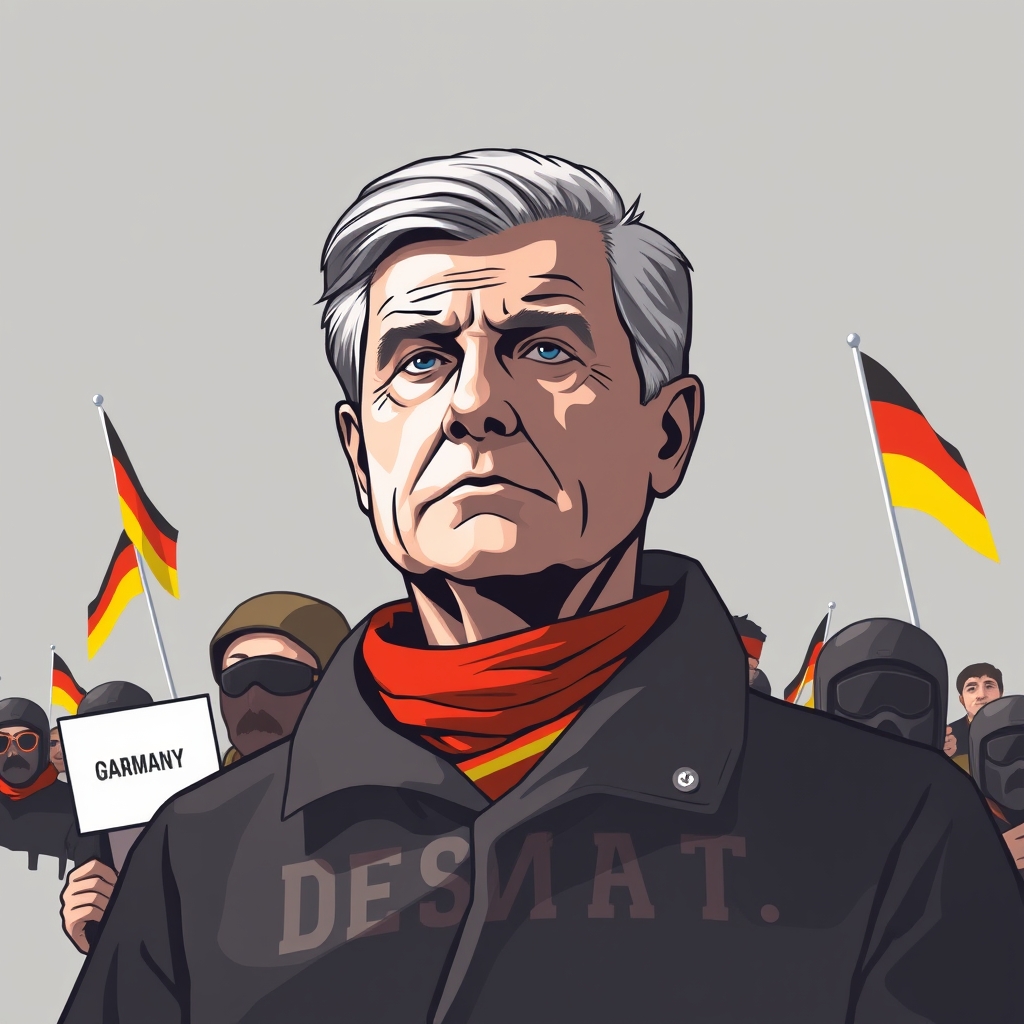
Tens of thousands of protesters took to the streets in cities across France and Germany to demonstrate against rising living costs.
Police confronted the protesters, leading to clashes in both countries.
*AI-generated summary of publicly available data. This is not an official statement of any party.
*AI-generated summary of publicly available statements and reporting. This is not an official statement of this party.
Supporters of the protesters argue that street mobilization is a legitimate cultural inheritance in France and Germany, pointing to the November 15, 2026 clashes as evidence that public demonstration remains the accepted civic ritual for pressing cost-of-living grievances.
Supporters of the protesters argue that street demonstrations carry a long cultural tradition in France and Germany, citing past movements that won labor and social reforms as precedent for today's cost-of-living protests.
Supporters of Protesters counter that civic tradition also runs through the history of dissent—from suffragettes to civil rights marchers—and that policing crowds has often suppressed, not preserved, that heritage.
Supporters of the protesters argue that peaceful assembly and expression are protected legal rights, and that police use of force must be proportionate and lawful.
Supporters of the protesters argue that peaceful assembly and expression are protected legal rights, and they maintain that police must show clashes were protester-initiated before justifying force.
Supporters of Protesters counter that a legal mandate to keep order does not authorize excessive force, and they argue that courts and oversight bodies must assess whether police conduct was proportionate under the law, not merely whether officers had nominal authority.
Supporters of the protesters argue that mass street pressure is the only leverage ordinary people hold when wages stagnate and prices climb, forcing governments to weigh disruption costs against inaction.
Supporters of the Protesters argue that mass street pressure is the only leverage ordinary people hold when wages stagnate and prices climb, forcing concessions from leaders who answer to power, not sympathy.
Supporters of the Protesters counter that visible force at the Nov 15 clashes manufactures the disorder it claims to deter, since authority conceded nothing and the crackdown handed organizers the grievance and recruits that sustain escalation.
Supporters of the protesters argue that confronting people demanding relief from rising living costs is a moral failure, since the demonstrations target shared economic hardship rather than any individual.
Supporters of Protesters argue that rising living costs are a matter of basic fairness, and that peaceful mass demonstration is a legitimate moral response to hardship; they maintain that police confrontation should not overshadow the protesters' underlying plea for economic just.
Supporters of Protesters counter that a moral duty to protect the public cannot be claimed when crowd control itself harms the people it supposedly safeguards, arguing that safety which suppresses the rights of the many is not safety at all.
Supporters of the protesters argue that religious teaching obligates authorities to protect the poor and that a society which lets living costs crush ordinary families betrays its moral foundations.
Supporters of the protesters argue that faith traditions command fair wages and care for the poor, so rising living costs become a moral and religious duty to resist, not merely an economic grievance.
Supporters of the Protesters counter that Romans 13 also calls authorities God's servants for good, so when force against peaceful demonstrators is seen as unjust, they argue the passage indicts the rulers rather than shielding them.
*AI-generated summary of publicly available statements and reporting. This is not an official statement of this party.
Supporters of Police argue that officers defending public order uphold a civic tradition of lawful assembly, maintaining that protecting shared institutions and social stability from unrest is itself a cultural duty.
Supporters of Police argue that maintaining public order and protecting the social fabric are preconditions for any legitimate grievance, and they view officers as guardians of the stability that lets communities and traditions endure.
Supporters of Police counter that the November 15, 2026 clashes show the civic ritual tipping into disorder, and argue that cultural continuity rests on the rule of law and public order, not on street confrontation as a routine outlet for grievances.
Supporters of Police argue that officers confronting the protesters acted within their legal mandate to maintain public order and protect citizens' safety when demonstrations escalated into clashes.
Supporters of Police argue that maintaining public order and enforcing the law are legitimate state functions, and that confronting unlawful assembly protects citizens' safety.
Supporters of Police counter that lawful assembly protections do not extend to conduct that violates public order statutes, and that courts have upheld proportionate force to disperse unlawful gatherings.
Supporters of Police argue that visible force at the Nov 15 clashes protects state authority and deters escalation, since conceding to street pressure would invite further disorder.
Supporters of Police argue that maintaining order is the precondition for any political settlement, and that allowing streets to be seized cedes leverage to whoever mobilizes fastest.
Supporters of Police counter that street pressure is itself a cost governments can absorb or outlast, while disorder erodes the everyday security and commerce ordinary people depend on—so disruption rarely forces concessions, it just shifts the price onto the public.
Supporters of Police argue that officers confronting protesters are upholding a moral duty to protect public safety and order, maintaining that lawful crowd control safeguards everyone's rights.
Supporters of Police argue that lawful, proportionate force is a moral duty to protect public safety and the rights of all citizens when protests turn violent.
Supporters of Police counter that moral failure lies in blocking roads and disrupting daily life for struggling neighbors, arguing that shared hardship doesn't justify imposing costs on the public.
Supporters of Police invoke Romans 13, arguing that governing authorities are ordained by God to keep order, so quelling unruly protests is a divinely sanctioned duty to protect the innocent.
Supporters of Police invoke Romans 13, arguing that governing authorities are ordained by God to keep order, so quelling unruly protests is a divinely sanctioned duty to protect the innocent.
Supporters of Police counter that scripture also charges authorities with restraining disorder, citing Romans 13 on governing powers as God's servants for order, and argue that unruled protest harms the poor it claims to defend.
AI-generated summary of publicly available statements and reporting. This is not an official statement of this party.
Supporters of the protesters argue that street mobilization is a legitimate cultural inheritance in France and Germany, pointing to the November 15, 2026 clashes as evidence that public demonstration remains the accepted civic ritual for pressing cost-of-living grievances.
Supporters of the protesters argue that street demonstrations carry a long cultural tradition in France and Germany, citing past movements that won labor and social reforms as precedent for today's cost-of-living protests.
Supporters of Protesters counter that civic tradition also runs through the history of dissent—from suffragettes to civil rights marchers—and that policing crowds has often suppressed, not preserved, that heritage.
Supporters of the protesters argue that peaceful assembly and expression are protected legal rights, and that police use of force must be proportionate and lawful.
Supporters of the protesters argue that peaceful assembly and expression are protected legal rights, and they maintain that police must show clashes were protester-initiated before justifying force.
Supporters of Protesters counter that a legal mandate to keep order does not authorize excessive force, and they argue that courts and oversight bodies must assess whether police conduct was proportionate under the law, not merely whether officers had nominal authority.
Supporters of the protesters argue that mass street pressure is the only leverage ordinary people hold when wages stagnate and prices climb, forcing governments to weigh disruption costs against inaction.
Supporters of the Protesters argue that mass street pressure is the only leverage ordinary people hold when wages stagnate and prices climb, forcing concessions from leaders who answer to power, not sympathy.
Supporters of the Protesters counter that visible force at the Nov 15 clashes manufactures the disorder it claims to deter, since authority conceded nothing and the crackdown handed organizers the grievance and recruits that sustain escalation.
Supporters of the protesters argue that confronting people demanding relief from rising living costs is a moral failure, since the demonstrations target shared economic hardship rather than any individual.
Supporters of Protesters argue that rising living costs are a matter of basic fairness, and that peaceful mass demonstration is a legitimate moral response to hardship; they maintain that police confrontation should not overshadow the protesters' underlying plea for economic just.
Supporters of Protesters counter that a moral duty to protect the public cannot be claimed when crowd control itself harms the people it supposedly safeguards, arguing that safety which suppresses the rights of the many is not safety at all.
Supporters of the protesters argue that religious teaching obligates authorities to protect the poor and that a society which lets living costs crush ordinary families betrays its moral foundations.
Supporters of the protesters argue that faith traditions command fair wages and care for the poor, so rising living costs become a moral and religious duty to resist, not merely an economic grievance.
Supporters of the Protesters counter that Romans 13 also calls authorities God's servants for good, so when force against peaceful demonstrators is seen as unjust, they argue the passage indicts the rulers rather than shielding them.
Supporters of Police argue that officers defending public order uphold a civic tradition of lawful assembly, maintaining that protecting shared institutions and social stability from unrest is itself a cultural duty.
Supporters of Police argue that maintaining public order and protecting the social fabric are preconditions for any legitimate grievance, and they view officers as guardians of the stability that lets communities and traditions endure.
Supporters of Police counter that the November 15, 2026 clashes show the civic ritual tipping into disorder, and argue that cultural continuity rests on the rule of law and public order, not on street confrontation as a routine outlet for grievances.
Supporters of Police argue that officers confronting the protesters acted within their legal mandate to maintain public order and protect citizens' safety when demonstrations escalated into clashes.
Supporters of Police argue that maintaining public order and enforcing the law are legitimate state functions, and that confronting unlawful assembly protects citizens' safety.
Supporters of Police counter that lawful assembly protections do not extend to conduct that violates public order statutes, and that courts have upheld proportionate force to disperse unlawful gatherings.
Supporters of Police argue that visible force at the Nov 15 clashes protects state authority and deters escalation, since conceding to street pressure would invite further disorder.
Supporters of Police argue that maintaining order is the precondition for any political settlement, and that allowing streets to be seized cedes leverage to whoever mobilizes fastest.
Supporters of Police counter that street pressure is itself a cost governments can absorb or outlast, while disorder erodes the everyday security and commerce ordinary people depend on—so disruption rarely forces concessions, it just shifts the price onto the public.
Supporters of Police argue that officers confronting protesters are upholding a moral duty to protect public safety and order, maintaining that lawful crowd control safeguards everyone's rights.
Supporters of Police argue that lawful, proportionate force is a moral duty to protect public safety and the rights of all citizens when protests turn violent.
Supporters of Police counter that moral failure lies in blocking roads and disrupting daily life for struggling neighbors, arguing that shared hardship doesn't justify imposing costs on the public.
Supporters of Police invoke Romans 13, arguing that governing authorities are ordained by God to keep order, so quelling unruly protests is a divinely sanctioned duty to protect the innocent.
Supporters of Police invoke Romans 13, arguing that governing authorities are ordained by God to keep order, so quelling unruly protests is a divinely sanctioned duty to protect the innocent.
Supporters of Police counter that scripture also charges authorities with restraining disorder, citing Romans 13 on governing powers as God's servants for order, and argue that unruled protest harms the poor it claims to defend.
Tens of thousands took to the streets in cities across France and Germany over rising living costs.