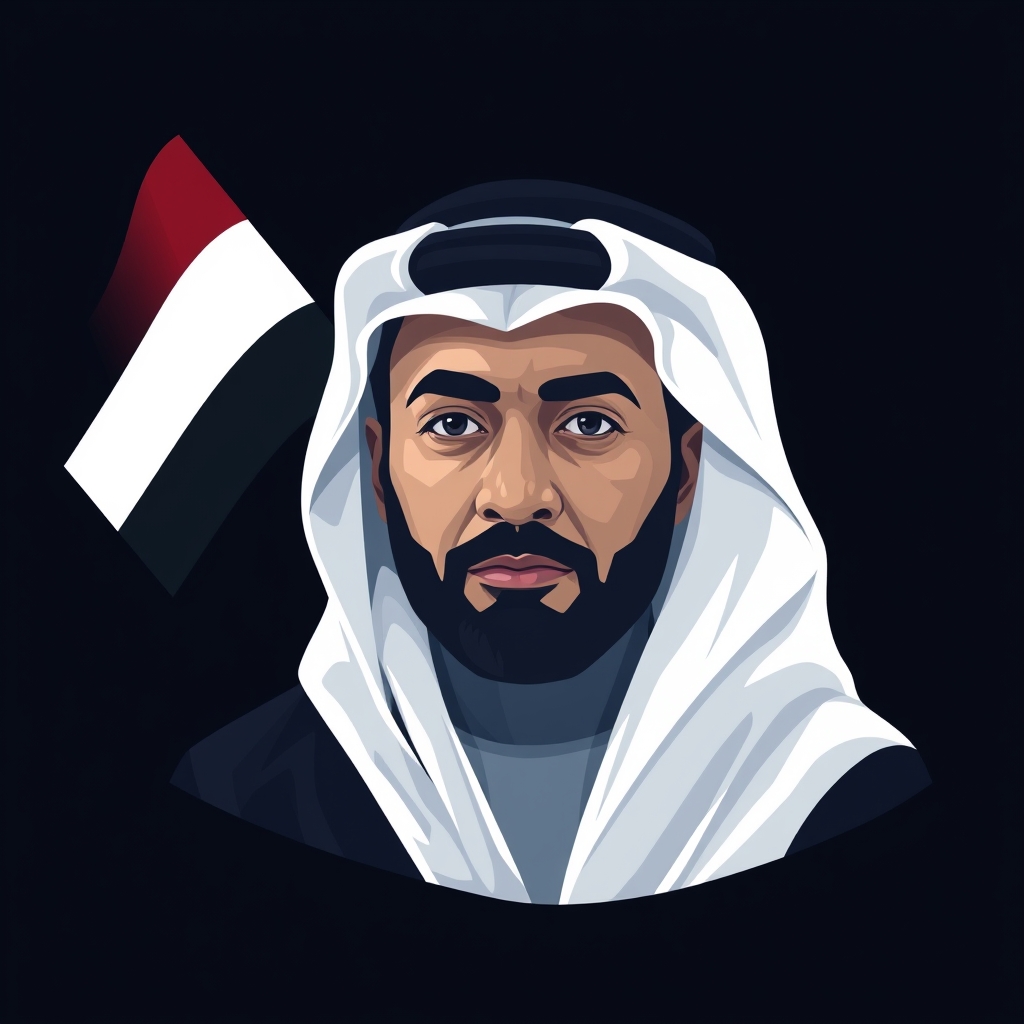
Qatar's Emir Sheikh Tamim
VS
US-Israel military action
Qatar's Emir Sheikh Tamim bin Hamad Al Thani is the ruling monarch of Qatar, a Gulf state that has positioned itself as a mediator in regional conflicts.
In September 2026, he addressed both a Gulf summit and the UN General Assembly, where he stated that Qatar is more than a mediator in the US-Israeli war on Iran and called for the reopening of the Strait of Hormuz.
The Emir's remarks put him at odds with the US-Israeli military campaign against Iran.
He urged diplomacy as the Gulf region stood at what he described as one of its most dangerous moments, criticized Israel for its "aggression" in the occupied West Bank and Gaza, and accused Israel of expanding its military actions in Syria and the occupied West Bank.
He also said that years of delayed diplomacy had contributed to the war, while accusing Iran of dragging its neighbors into the conflict.
The dispute reflects a broader debate over how to secure the Gulf: through diplomatic engagement and de-escalation, as the Emir advocates, or through military confrontation, as pursued by the US and Israel.
The Strait of Hormuz, a vital oil transit route, has become a focal point, with the Emir rejecting its use as a "bargaining" tool and warning that the war has driven up costs.
*AI-generated summary of publicly available data. This is not an official statement of any party.
*AI-generated summary of publicly available statements and reporting. This is not an official statement of this party.
Supporters of Qatar's Emir Sheikh Tamim argue that Gulf states have long used diplomacy as a cultural shield against conflict, and they cite his warning that deferring it for years enabled the US-Israel war on Iran.
Supporters of Qatar's Emir Sheikh Tamim argue Gulf culture has long favored mediation over confrontation, pointing to his warning that sidelining diplomacy for years helped produce the US-Israel war on Iran.
Supporters of Qatar's Emir Sheikh Tamim counter that Gulf security has long rested on quiet mediation and tribal consensus, not force; they note Doha's diplomacy freed hostages where strikes could not.
Supporters of Qatar's Emir Sheikh Tamim argue that international law obliges states to exhaust diplomacy before force, and that delaying negotiations, as he said preceded the US-Israel war on Iran, undermines that legal duty.
Supporters of Qatar's Emir Sheikh Tamim invoke international law to argue that delayed diplomacy, not enforcement, breached the UN Charter's peace framework, making negotiations the lawful path to Gulf security.
Supporters of Qatar's Emir Sheikh Tamim counter that international law requires UN Security Council authorization or genuine imminent threat, and that unilateral military pressure absent that legal basis undermines the very accountability it claims to enforce.
Supporters of Qatar's Emir Sheikh Tamim argue that his diplomacy-first stance is leverage, not idealism: by branding the US-Israel war on Iran as the fruit of delayed talks, Qatar positions itself as the indispensable mediator Gulf states need.
Supporters of Qatar's Emir Sheikh Tamim argue that brokering talks preserves Qatar's sway with all parties, since small states gain leverage by being indispensable intermediaries rather than picking a side.
Supporters of Sheikh Tamim counter that Qatar hosts the largest US base in the region and talks to Tehran, so its diplomacy isn't naive—it's leverage Washington lacks; force forfeits that channel.
Supporters of Qatar's Emir Sheikh Tamim argue that moral leadership means choosing diplomacy over war, since delayed talks, not engagement, led to the US-Israel war on Iran.
Supporters of Qatar's Emir Sheikh Tamim argue that moral leadership means exhausting diplomacy before war, since years of delayed talks, in their view, led directly to the US-Israel war on Iran.
Supporters of Qatar's Emir Sheikh Tamim counter that moral duty also binds the powerful to exhaust mediation, not merely attempt it, since force forecloses the very diplomacy that could spare civilian life.
Supporters of Qatar's Emir Sheikh Tamim argue that scripture calls for peacemaking over war, citing his warning that delayed diplomacy caused the US-Israel war on Iran and that faithful leadership must pursue reconciliation first.
Supporters of Qatar's Emir Sheikh Tamim invoke Islamic teachings on reconciliation, arguing that scripture calls believers to pursue peace and dialogue rather than war, and that delaying diplomacy, as he said, dishonors that sacred duty.
Supporters of Qatar's Emir Sheikh Tamim counter that Islamic just-war ethics requires a legitimate authority's declaration and last resort, not a preemptive strike on a state that has not attacked.
*AI-generated summary of publicly available statements and reporting. This is not an official statement of this party.
Supporters of US-Israel military action argue that Gulf stability rests on deterrence and longstanding security partnerships, not diplomacy alone; they maintain that delayed engagement let Iran's threat grow.
Supporters of US-Israel military action argue that inherited security alliances and deterrence, not diplomacy, preserve Gulf stability, and that Qatar's mediation record shows engagement alone failed to stop Iran's threats.
Supporters of US-Israel military action counter that Gulf diplomacy is a cultural shield financed by hosting Western bases, and that the Emir's warning ignores how that same deferral let Iran entrench.
Supporters of US-Israel military action argue that international law permits self-defense against state sponsors of terror, and that military pressure, not diplomacy, is what enforces accountability when negotiations stall.
Supporters of US-Israel military action argue that military force is legally defensible as preemptive self-defense against Iran's nuclear threat, and that stalled diplomacy, not military action, created the crisis.
Supporters of US-Israel military action counter that international law recognizes self-defense against imminent threats, and that Article 51 does not require exhausting diplomacy when the danger is already materializing.
Supporters of US-Israel military action argue that Sheikh Tamim's call for diplomacy ignores incentives: they maintain that Tehran only negotiates under pressure, so military force, not delayed talks, is what actually shifts the calculus.
Supporters of US-Israel military action argue Qatar's diplomacy-first stance misreads Tehran's incentives: engagement rewarded stalling while Iran advanced, so only military pressure changes the cost calculus.
Supporters of US-Israel military action counter that mediation branding is leverage only while both sides need Doha; once strikes degrade Iran's program, Qatar's utility fades and it inherits blame without the power to enforce any terms.
Supporters of US-Israel military action argue that force was morally necessary once diplomacy failed, holding that states bear a duty to act against threats rather than risk greater harm through delay.
Supporters of US-Israel military action argue that moral duty to prevent a nuclear-armed Iran outweighs diplomatic patience, citing years of failed talks as evidence that engagement alone cannot ensure Gulf security.
Supporters of US-Israel military action counter that moral leadership is protecting civilians from a regime that chants "death to America"—diplomacy with Tehran merely funded the missiles, per the IAEA's findings.
Supporters of US-Israel military action invoke just-war tradition, arguing that self-defense against a nuclear-armed Iran is a moral duty and that religious communities have long sanctioned force when diplomacy fails.
Supporters of US-Israel military action argue that religious duty to protect the faithful outweighs diplomacy, citing the threat to holy sites; they maintain that delay, not force, endangered the region.
Supporters of US-Israel military action counter that scripture also mandates defending the innocent from annihilation, and that Qatar's mediation record with Hamas and the Taliban shows appeasement risks far more lives than decisive force.
AI-generated summary of publicly available statements and reporting. This is not an official statement of this party.
Supporters of Qatar's Emir Sheikh Tamim argue that Gulf states have long used diplomacy as a cultural shield against conflict, and they cite his warning that deferring it for years enabled the US-Israel war on Iran.
Supporters of Qatar's Emir Sheikh Tamim argue Gulf culture has long favored mediation over confrontation, pointing to his warning that sidelining diplomacy for years helped produce the US-Israel war on Iran.
Supporters of Qatar's Emir Sheikh Tamim counter that Gulf security has long rested on quiet mediation and tribal consensus, not force; they note Doha's diplomacy freed hostages where strikes could not.
Supporters of Qatar's Emir Sheikh Tamim argue that international law obliges states to exhaust diplomacy before force, and that delaying negotiations, as he said preceded the US-Israel war on Iran, undermines that legal duty.
Supporters of Qatar's Emir Sheikh Tamim invoke international law to argue that delayed diplomacy, not enforcement, breached the UN Charter's peace framework, making negotiations the lawful path to Gulf security.
Supporters of Qatar's Emir Sheikh Tamim counter that international law requires UN Security Council authorization or genuine imminent threat, and that unilateral military pressure absent that legal basis undermines the very accountability it claims to enforce.
Supporters of Qatar's Emir Sheikh Tamim argue that his diplomacy-first stance is leverage, not idealism: by branding the US-Israel war on Iran as the fruit of delayed talks, Qatar positions itself as the indispensable mediator Gulf states need.
Supporters of Qatar's Emir Sheikh Tamim argue that brokering talks preserves Qatar's sway with all parties, since small states gain leverage by being indispensable intermediaries rather than picking a side.
Supporters of Sheikh Tamim counter that Qatar hosts the largest US base in the region and talks to Tehran, so its diplomacy isn't naive—it's leverage Washington lacks; force forfeits that channel.
Supporters of Qatar's Emir Sheikh Tamim argue that moral leadership means choosing diplomacy over war, since delayed talks, not engagement, led to the US-Israel war on Iran.
Supporters of Qatar's Emir Sheikh Tamim argue that moral leadership means exhausting diplomacy before war, since years of delayed talks, in their view, led directly to the US-Israel war on Iran.
Supporters of Qatar's Emir Sheikh Tamim counter that moral duty also binds the powerful to exhaust mediation, not merely attempt it, since force forecloses the very diplomacy that could spare civilian life.
Supporters of Qatar's Emir Sheikh Tamim argue that scripture calls for peacemaking over war, citing his warning that delayed diplomacy caused the US-Israel war on Iran and that faithful leadership must pursue reconciliation first.
Supporters of Qatar's Emir Sheikh Tamim invoke Islamic teachings on reconciliation, arguing that scripture calls believers to pursue peace and dialogue rather than war, and that delaying diplomacy, as he said, dishonors that sacred duty.
Supporters of Qatar's Emir Sheikh Tamim counter that Islamic just-war ethics requires a legitimate authority's declaration and last resort, not a preemptive strike on a state that has not attacked.
Supporters of US-Israel military action argue that Gulf stability rests on deterrence and longstanding security partnerships, not diplomacy alone; they maintain that delayed engagement let Iran's threat grow.
Supporters of US-Israel military action argue that inherited security alliances and deterrence, not diplomacy, preserve Gulf stability, and that Qatar's mediation record shows engagement alone failed to stop Iran's threats.
Supporters of US-Israel military action counter that Gulf diplomacy is a cultural shield financed by hosting Western bases, and that the Emir's warning ignores how that same deferral let Iran entrench.
Supporters of US-Israel military action argue that international law permits self-defense against state sponsors of terror, and that military pressure, not diplomacy, is what enforces accountability when negotiations stall.
Supporters of US-Israel military action argue that military force is legally defensible as preemptive self-defense against Iran's nuclear threat, and that stalled diplomacy, not military action, created the crisis.
Supporters of US-Israel military action counter that international law recognizes self-defense against imminent threats, and that Article 51 does not require exhausting diplomacy when the danger is already materializing.
Supporters of US-Israel military action argue that Sheikh Tamim's call for diplomacy ignores incentives: they maintain that Tehran only negotiates under pressure, so military force, not delayed talks, is what actually shifts the calculus.
Supporters of US-Israel military action argue Qatar's diplomacy-first stance misreads Tehran's incentives: engagement rewarded stalling while Iran advanced, so only military pressure changes the cost calculus.
Supporters of US-Israel military action counter that mediation branding is leverage only while both sides need Doha; once strikes degrade Iran's program, Qatar's utility fades and it inherits blame without the power to enforce any terms.
Supporters of US-Israel military action argue that force was morally necessary once diplomacy failed, holding that states bear a duty to act against threats rather than risk greater harm through delay.
Supporters of US-Israel military action argue that moral duty to prevent a nuclear-armed Iran outweighs diplomatic patience, citing years of failed talks as evidence that engagement alone cannot ensure Gulf security.
Supporters of US-Israel military action counter that moral leadership is protecting civilians from a regime that chants "death to America"—diplomacy with Tehran merely funded the missiles, per the IAEA's findings.
Supporters of US-Israel military action invoke just-war tradition, arguing that self-defense against a nuclear-armed Iran is a moral duty and that religious communities have long sanctioned force when diplomacy fails.
Supporters of US-Israel military action argue that religious duty to protect the faithful outweighs diplomacy, citing the threat to holy sites; they maintain that delay, not force, endangered the region.
Supporters of US-Israel military action counter that scripture also mandates defending the innocent from annihilation, and that Qatar's mediation record with Hamas and the Taliban shows appeasement risks far more lives than decisive force.
The US-Israel war on Iran, which Sheikh Tamim says resulted from years of delayed diplomacy.
Sheikh Tamim bin Hamad Al Thani told the UN General Assembly that Qatar is more than a mediator in the US-Israeli war on Iran.
Sheikh Tamim bin Hamad Al Thani called for diplomacy as the Gulf region faced one of its most dangerous moments, criticizing Israel's aggression in the occupied West Bank and Gaza.
Sheikh Tamim bin Hamad Al Thani called for the reopening of the Strait of Hormuz, saying the US-Israeli war on Iran has driven up costs, and rejected the strait's use as a bargaining tool.