Rabbi Dov Lando
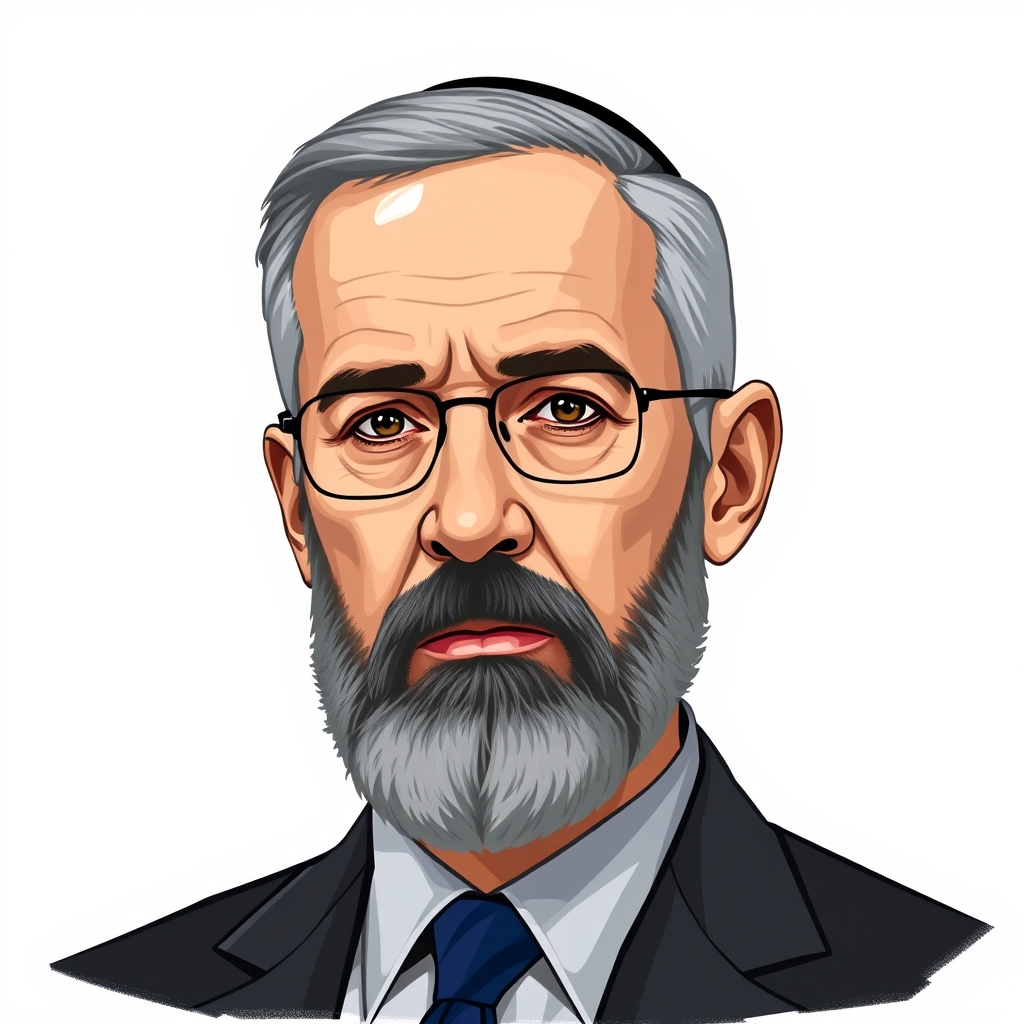
VS
Israeli political critics

Rabbi Dov Lando's anti-Zionist remarks have sparked a political row in Israel ahead of elections, exposing tensions over Zionism, military conscription, and Prime Minister Netanyahu's ultra-Orthodox allies.
*AI-generated summary of publicly available data. This is not an official statement of any party.
*AI-generated summary of publicly available statements and reporting. This is not an official statement of this party.
Supporters of Rabbi Dov Lando argue that ultra-Orthodox communities have preserved Jewish continuity for generations through Torah study, and that this inherited religious duty takes precedence over secular nationalist ideology.
Supporters of Rabbi Dov Lando argue that preserving Torah study and inherited religious tradition takes precedence over the secular Zionist state, which they see as a break from Jewish continuity.
Supporters of Rabbi Lando counter that Torah authority long predates the state, so Jewish identity was never the state's to define; the divide is not equal sides but continuity versus novelty.
Supporters of Rabbi Dov Lando argue that religious rulings on Zionism and conscription fall under protected free expression, not sedition, and that Israel's coalition law already grants Haredi exemptions—so critics' legal threats lack statutory basis.
Supporters of Rabbi Dov Lando argue that his remarks fall within protected religious and political speech, and that questioning Zionism is a legitimate legal position, not incitement warranting sanction.
Supporters of Rabbi Dov Lando counter that Israeli law itself conditions protected speech on not inciting resistance to the state, so the ballot box cannot shield calls that cross into unlawful incitement.
Supporters of Rabbi Dov Lando argue his anti-Zionist remarks are leverage, not doctrine: by withholding Haredi conscription and votes, the community extracts funding and autonomy from Netanyahu's coalition, proving principle is priced in seats.
Supporters of Rabbi Dov Lando argue his anti-Zionist remarks are leverage: by withholding theological legitimacy, Haredi leaders raise the price of their parties' coalition support for Netanyahu.
Supporters of Rabbi Dov Lando counter that the leverage runs the other way: Haredi parties can topple Netanyahu's coalition anytime, so the draft threat only tightens their grip on concessions he cannot refuse.
Supporters of Rabbi Dov Lando argue that religious conscience must not be coerced by the state, and that exempting Torah students from conscription honors a moral duty older than the nation itself.
Supporters of Rabbi Dov Lando argue that one who studies Torah in good faith should not be punished for his beliefs, so they defend his right to teach his followers according to his conscience.
Supporters of Rabbi Lando counter that the exemption is a long-standing moral bargain: the state agreed to honor Torah study, and the ultra-Orthodox community keeps its word. Reneging now, they argue, breaks that trust.
Supporters of Rabbi Dov Lando argue that religious authority and Torah study must remain supreme over secular state ideology, and they maintain that conscription policies undermining ultra-Orthodox religious life threaten the community's inherited covenant.
Supporters of Rabbi Dov Lando argue that Torah authority, not the state, defines Jewish communal obligation, so his anti-Zionist stance reflects a religious conviction that precedes and outranks electoral politics.
Supporters of Rabbi Dov Lando counter that Torah study protects the nation far more than military service, so the religious duty runs toward preserving the state, not weakening it.
*AI-generated summary of publicly available statements and reporting. This is not an official statement of this party.
Supporters of Israeli political critics argue that Rabbi Lando's anti-Zionist remarks reflect a long cultural divide over whether the state or religious authority defines Jewish identity, a tension present since Israel's founding.
Supporters of Israeli political critics note that disputes over Zionism and ultra-Orthodox conscription echo Israel's founding-era debates, and argue this row reflects a recurring cultural struggle over the state's character.
Supporters of Israeli political critics counter that this continuity claim erases centuries of secular Jewish culture, arguing diaspora history shows Jewish identity survived through language, art, and labor, not Torah study alone.
Supporters of Israeli political critics argue that in a democracy, rabbis' anti-Zionist speech is lawful and protected, and voters—not prosecutions—should settle the debate at the ballot box.
Supporters of Israeli political critics argue that Lando's remarks test Israel's legal commitment to free expression, since even anti-Zionist religious speech stays protected absent incitement.
Supporters of Israeli political critics counter that incitement to draft evasion isn't protected expression, and that the exemption law's legality is itself pending before the Supreme Court, so the statutory basis remains unsettled.
Supporters of Israeli political critics argue that Lando's anti-Zionist remarks are useful leverage: Netanyahu's ultra-Orthodox allies need conscription exemptions, so critics can force him to choose between his coalition and the draft.
Supporters of Israeli political critics argue Lando's anti-Zionist remarks are useful leverage: they expose Netanyahu's dependence on ultra-Orthodox allies, letting rivals brand the coalition as trading conscription fairness for power.
Critics counter that the leverage cuts both ways: Netanyahu can trade Haredi draft exemptions for coalition survival, so the "principle" is his to price, not Lando's—and secular voters pay the bill.
Supporters of Israeli political critics argue it is morally inconsistent for Netanyahu's coalition to rely on ultra-Orthodox parties whose leader, Rabbi Lando, rejects Zionism, while demanding others serve and vote for that same state.
Supporters of Israeli political critics argue that exempting ultra-Orthodox men from military conscription while demanding sacrifice from others is a moral double standard, and that Rabbi Lando's anti-Zionist remarks expose it.
Supporters of Israeli political critics counter that exempting Torah students while others bear the risk of military service violates a basic moral duty of equal sacrifice, since a state cannot claim fairness if one group's conscience exempts it from shared burdens.
Supporters of Israeli political critics argue that Rabbi Lando's anti-Zionist remarks reveal a religious duty to prioritize Torah study over the state, maintaining that divine law, not secular nationalism, should guide Israel's conscription policies.
Supporters of Israeli political critics argue that Rabbi Lando's anti-Zionist remarks, made before elections, reveal a theological conflict over whether religious law or the state's authority should govern Jewish obligations like conscription.
Supporters of Israeli political critics counter that the covenant binds all Israel, and that a state which exempts one community from defense while claiming Torah's supremacy risks turning faith into a privilege rather than a shared obligation.
AI-generated summary of publicly available statements and reporting. This is not an official statement of this party.
Supporters of Rabbi Dov Lando argue that ultra-Orthodox communities have preserved Jewish continuity for generations through Torah study, and that this inherited religious duty takes precedence over secular nationalist ideology.
Supporters of Rabbi Dov Lando argue that preserving Torah study and inherited religious tradition takes precedence over the secular Zionist state, which they see as a break from Jewish continuity.
Supporters of Rabbi Lando counter that Torah authority long predates the state, so Jewish identity was never the state's to define; the divide is not equal sides but continuity versus novelty.
Supporters of Rabbi Dov Lando argue that religious rulings on Zionism and conscription fall under protected free expression, not sedition, and that Israel's coalition law already grants Haredi exemptions—so critics' legal threats lack statutory basis.
Supporters of Rabbi Dov Lando argue that his remarks fall within protected religious and political speech, and that questioning Zionism is a legitimate legal position, not incitement warranting sanction.
Supporters of Rabbi Dov Lando counter that Israeli law itself conditions protected speech on not inciting resistance to the state, so the ballot box cannot shield calls that cross into unlawful incitement.
Supporters of Rabbi Dov Lando argue his anti-Zionist remarks are leverage, not doctrine: by withholding Haredi conscription and votes, the community extracts funding and autonomy from Netanyahu's coalition, proving principle is priced in seats.
Supporters of Rabbi Dov Lando argue his anti-Zionist remarks are leverage: by withholding theological legitimacy, Haredi leaders raise the price of their parties' coalition support for Netanyahu.
Supporters of Rabbi Dov Lando counter that the leverage runs the other way: Haredi parties can topple Netanyahu's coalition anytime, so the draft threat only tightens their grip on concessions he cannot refuse.
Supporters of Rabbi Dov Lando argue that religious conscience must not be coerced by the state, and that exempting Torah students from conscription honors a moral duty older than the nation itself.
Supporters of Rabbi Dov Lando argue that one who studies Torah in good faith should not be punished for his beliefs, so they defend his right to teach his followers according to his conscience.
Supporters of Rabbi Lando counter that the exemption is a long-standing moral bargain: the state agreed to honor Torah study, and the ultra-Orthodox community keeps its word. Reneging now, they argue, breaks that trust.
Supporters of Rabbi Dov Lando argue that religious authority and Torah study must remain supreme over secular state ideology, and they maintain that conscription policies undermining ultra-Orthodox religious life threaten the community's inherited covenant.
Supporters of Rabbi Dov Lando argue that Torah authority, not the state, defines Jewish communal obligation, so his anti-Zionist stance reflects a religious conviction that precedes and outranks electoral politics.
Supporters of Rabbi Dov Lando counter that Torah study protects the nation far more than military service, so the religious duty runs toward preserving the state, not weakening it.
Supporters of Israeli political critics argue that Rabbi Lando's anti-Zionist remarks reflect a long cultural divide over whether the state or religious authority defines Jewish identity, a tension present since Israel's founding.
Supporters of Israeli political critics note that disputes over Zionism and ultra-Orthodox conscription echo Israel's founding-era debates, and argue this row reflects a recurring cultural struggle over the state's character.
Supporters of Israeli political critics counter that this continuity claim erases centuries of secular Jewish culture, arguing diaspora history shows Jewish identity survived through language, art, and labor, not Torah study alone.
Supporters of Israeli political critics argue that in a democracy, rabbis' anti-Zionist speech is lawful and protected, and voters—not prosecutions—should settle the debate at the ballot box.
Supporters of Israeli political critics argue that Lando's remarks test Israel's legal commitment to free expression, since even anti-Zionist religious speech stays protected absent incitement.
Supporters of Israeli political critics counter that incitement to draft evasion isn't protected expression, and that the exemption law's legality is itself pending before the Supreme Court, so the statutory basis remains unsettled.
Supporters of Israeli political critics argue that Lando's anti-Zionist remarks are useful leverage: Netanyahu's ultra-Orthodox allies need conscription exemptions, so critics can force him to choose between his coalition and the draft.
Supporters of Israeli political critics argue Lando's anti-Zionist remarks are useful leverage: they expose Netanyahu's dependence on ultra-Orthodox allies, letting rivals brand the coalition as trading conscription fairness for power.
Critics counter that the leverage cuts both ways: Netanyahu can trade Haredi draft exemptions for coalition survival, so the "principle" is his to price, not Lando's—and secular voters pay the bill.
Supporters of Israeli political critics argue it is morally inconsistent for Netanyahu's coalition to rely on ultra-Orthodox parties whose leader, Rabbi Lando, rejects Zionism, while demanding others serve and vote for that same state.
Supporters of Israeli political critics argue that exempting ultra-Orthodox men from military conscription while demanding sacrifice from others is a moral double standard, and that Rabbi Lando's anti-Zionist remarks expose it.
Supporters of Israeli political critics counter that exempting Torah students while others bear the risk of military service violates a basic moral duty of equal sacrifice, since a state cannot claim fairness if one group's conscience exempts it from shared burdens.
Supporters of Israeli political critics argue that Rabbi Lando's anti-Zionist remarks reveal a religious duty to prioritize Torah study over the state, maintaining that divine law, not secular nationalism, should guide Israel's conscription policies.
Supporters of Israeli political critics argue that Rabbi Lando's anti-Zionist remarks, made before elections, reveal a theological conflict over whether religious law or the state's authority should govern Jewish obligations like conscription.
Supporters of Israeli political critics counter that the covenant binds all Israel, and that a state which exempts one community from defense while claiming Torah's supremacy risks turning faith into a privilege rather than a shared obligation.
Rabbi Dov Lando's comments expose tensions over Zionism, conscription and Netanyahu's ultra-Orthodox allies.