Rahul Gandhi

VS
Narendra Modi
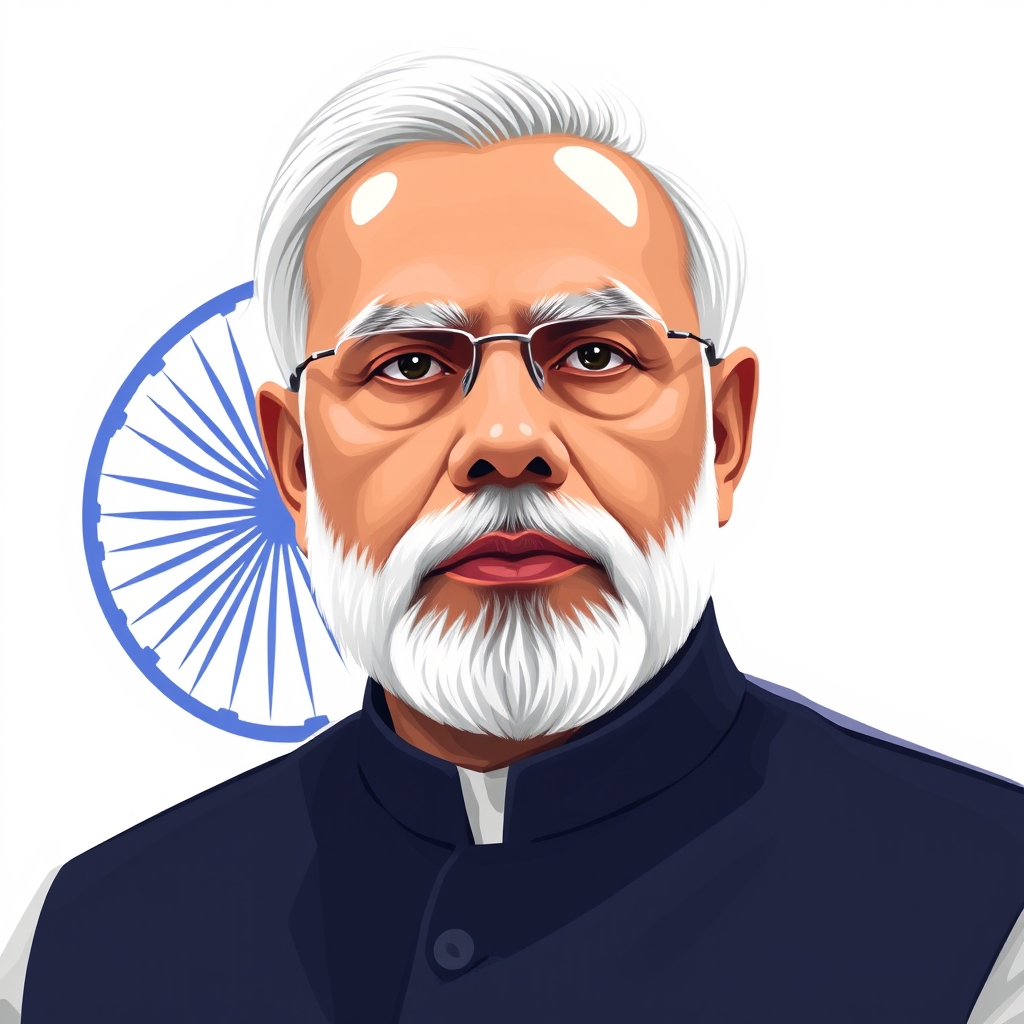
Rahul Gandhi is an Indian politician and a prominent leader of the Indian National Congress party, while Narendra Modi is the Prime Minister of India and a leader of the Bharatiya Janata Party.
Gandhi is often seen as Modi's most prominent political opponent, though he lags behind Modi in social media following, with Modi at 77.8 million followers compared to Gandhi's 20.4 million.
Both are considered significant figures in India's political landscape, with potential implications for future leadership.
The conflict between Gandhi and Modi centers on their opposing political visions and frequent public clashes.
Gandhi has criticized Modi's policies and remarks, such as mocking his foreign policy approach and accusing him of making insensitive comments about girls using abusive language during protests.
In response, BJP leaders have labeled Gandhi's remarks as 'uncultured, crude, and vulgar,' highlighting the deep partisan divide.
Their confrontations often play out in public forums, including heated exchanges in the Lok Sabha, India's lower house of parliament.
The stakes are high, as both leaders represent competing visions for India's future, and their rivalry shapes national political discourse.
The ongoing debates between them reflect broader ideological differences on issues like governance, social justice, and nationalism, making their interactions a focal point of Indian politics.
*AI-generated summary of publicly available data. This is not an official statement of any party.
*AI-generated summary of publicly available statements and reporting. This is not an official statement of this party.
Supporters of Rahul Gandhi argue that Modi's remark frames women's protest language as a cultural shock, betraying a patriarchal mindset that dismisses their rightful anger as indecent.
Supporters of Rahul Gandhi argue that Modi's remark frames women's expression through a patriarchal lens, reducing their protest to language rather than the caste injustice driving it, and they see Gandhi's call as defending women's right to challenge cultural norms that police t.
Supporters of Rahul Gandhi counter that the remark dismissed a woman’s lived experience, framing cultural decorum as a shield for patriarchal silencing within political discourse.
Supporters of Rahul Gandhi argue his critique is legally framed around Article 14 equality, asserting that Modi’s remarks, as a public official, violate the state’s duty to uphold non-discriminatory standards.
Supporters of Rahul Gandhi argue that Modi's remarks, as public conduct, violate the legal standard of gender equality under Article 15, reinforcing discriminatory stereotypes that courts have repeatedly struck down.
Supporters of Rahul Gandhi counter that legal permissibility does not equal constitutional propriety, as the prime minister’s office carries a duty to model egalitarian conduct.
Supporters of Rahul Gandhi argue Modi’s remark weaponizes patriarchy to delegitimize female protest, framing Gandhi’s rebuttal as a power play to rally women voters.
Supporters of Rahul Gandhi argue Modi’s remark is a calculated distraction, weaponizing patriarchy to shame women protestors and shift focus from CJP grievances.
Supporters of Rahul Gandhi counter that Modi’s “order” is a power shield, not policy—his discipline silences dissent while economic data shows stagnation. They argue Gandhi’s critique exploits real grievances, forcing Modi to govern, not posture.
Supporters of Rahul Gandhi argue that Modi’s remarks normalize patriarchal judgment of women’s speech, framing it as a moral duty for society to uphold dignity over outrage.
Supporters of Rahul Gandhi argue that dignity is a moral duty, not a political tool, and that Modi’s remark normalizes patriarchy. They maintain that calling out abusive language misses the deeper injustice—women’s voices, however expressed, deserve respect, not judgment.
Supporters of Rahul Gandhi counter that moral duty is not civility’s mask but truth’s courage, and that his irreverence mirrors the prophetic voice condemning power’s abuse, not a distortion but a moral reckoning with the dignity of the oppressed.
Supporters of Rahul Gandhi argue that Modi's remark treats women's speech as a moral failing, echoing patriarchal readings of scripture that silence female voices. They maintain that true faith calls for dignity and justice, not judgment of a woman's language in protest.
Supporters of Rahul Gandhi argue his critique aligns with the moral duty to respect women's dignity, citing scriptural principles of equality and righteous speech over patriarchal dominance.
Supporters of Rahul Gandhi counter that scripture’s true call is to humility and justice, not the defense of privilege, and that Modi’s remarks misuse tradition to silence dissent rather than honor its moral core.
*AI-generated summary of publicly available statements and reporting. This is not an official statement of this party.
Supporters of Narendra Modi argue the Prime Minister’s remark defended cultural decorum, not patriarchy, urging respect for language in public protest.
Supporters of Narendra Modi argue that his remarks defended traditional decorum, viewing Gandhi's critique as an attempt to politicize cultural norms.
Supporters of Narendra Modi counter that his remarks uphold cultural decorum, not patriarchal control, and that Gandhi's framing ignores the dignity of traditional protest norms.
Supporters of Narendra Modi argue that his remarks were within legal bounds, as no law prohibits a prime minister from commenting on public conduct. They maintain that Gandhi’s critique misreads a call for decorum as patriarchy, a distortion that undermines respectful discourse.
Supporters of Narendra Modi argue the remark was a factual observation, not policy, and that legal scrutiny of speech must respect the prime minister's discretion under free-expression norms.
Supporters of Narendra Modi counter that Article 14 permits reasonable classification, and his remarks target conduct, not identity, falling within lawful political speech.
Supporters of Narendra Modi argue that Rahul Gandhi’s criticism is a calculated distraction, exploiting social outrage to mask the opposition's lack of substantive policy, while Modi’s focus remains on national order and discipline.
Supporters of Narendra Modi argue that Gandhi's outrage is political theater, weaponizing patriarchy to distract from his own party's record.
Supporters of Narendra Modi counter that the remark targets political opportunism, not gender, noting Gandhi’s own record of tokenizing women’s issues for electoral gain.
Supporters of Narendra Modi argue that his remark reflects a moral duty to uphold civil discourse, viewing Gandhi's critique as a distortion that ignores the dignity of protest language.
Supporters of Narendra Modi argue that his remarks invoked moral discipline, not patriarchy, and that Gandhi’s framing misreads a call for respectful civic conduct as gender bias.
Supporters of Narendra Modi counter that Gandhi’s framing distorts a call for collective civility into gendered policing, arguing that Modi’s remarks uphold a moral standard of respectful public discourse that applies to all citizens, not a patriarchal judgment of women.
Supporters of Narendra Modi argue his remarks defend cultural decorum and family values, which religious tradition upholds as essential to social harmony.
Supporters of Narendra Modi argue that his remarks defended traditional dignity, urging that public discourse, especially by young women, uphold inherited standards of respect rooted in India's cultural and religious values.
Supporters of Narendra Modi counter that his critique upholds the sanctity of public discourse, not female dignity, and that faith traditions equally demand respectful speech from all citizens, regardless of gender.
AI-generated summary of publicly available statements and reporting. This is not an official statement of this party.
Supporters of Rahul Gandhi argue that Modi's remark frames women's protest language as a cultural shock, betraying a patriarchal mindset that dismisses their rightful anger as indecent.
Supporters of Rahul Gandhi argue that Modi's remark frames women's expression through a patriarchal lens, reducing their protest to language rather than the caste injustice driving it, and they see Gandhi's call as defending women's right to challenge cultural norms that police t.
Supporters of Rahul Gandhi counter that the remark dismissed a woman’s lived experience, framing cultural decorum as a shield for patriarchal silencing within political discourse.
Supporters of Rahul Gandhi argue his critique is legally framed around Article 14 equality, asserting that Modi’s remarks, as a public official, violate the state’s duty to uphold non-discriminatory standards.
Supporters of Rahul Gandhi argue that Modi's remarks, as public conduct, violate the legal standard of gender equality under Article 15, reinforcing discriminatory stereotypes that courts have repeatedly struck down.
Supporters of Rahul Gandhi counter that legal permissibility does not equal constitutional propriety, as the prime minister’s office carries a duty to model egalitarian conduct.
Supporters of Rahul Gandhi argue Modi’s remark weaponizes patriarchy to delegitimize female protest, framing Gandhi’s rebuttal as a power play to rally women voters.
Supporters of Rahul Gandhi argue Modi’s remark is a calculated distraction, weaponizing patriarchy to shame women protestors and shift focus from CJP grievances.
Supporters of Rahul Gandhi counter that Modi’s “order” is a power shield, not policy—his discipline silences dissent while economic data shows stagnation. They argue Gandhi’s critique exploits real grievances, forcing Modi to govern, not posture.
Supporters of Rahul Gandhi argue that Modi’s remarks normalize patriarchal judgment of women’s speech, framing it as a moral duty for society to uphold dignity over outrage.
Supporters of Rahul Gandhi argue that dignity is a moral duty, not a political tool, and that Modi’s remark normalizes patriarchy. They maintain that calling out abusive language misses the deeper injustice—women’s voices, however expressed, deserve respect, not judgment.
Supporters of Rahul Gandhi counter that moral duty is not civility’s mask but truth’s courage, and that his irreverence mirrors the prophetic voice condemning power’s abuse, not a distortion but a moral reckoning with the dignity of the oppressed.
Supporters of Rahul Gandhi argue that Modi's remark treats women's speech as a moral failing, echoing patriarchal readings of scripture that silence female voices. They maintain that true faith calls for dignity and justice, not judgment of a woman's language in protest.
Supporters of Rahul Gandhi argue his critique aligns with the moral duty to respect women's dignity, citing scriptural principles of equality and righteous speech over patriarchal dominance.
Supporters of Rahul Gandhi counter that scripture’s true call is to humility and justice, not the defense of privilege, and that Modi’s remarks misuse tradition to silence dissent rather than honor its moral core.
Supporters of Narendra Modi argue the Prime Minister’s remark defended cultural decorum, not patriarchy, urging respect for language in public protest.
Supporters of Narendra Modi argue that his remarks defended traditional decorum, viewing Gandhi's critique as an attempt to politicize cultural norms.
Supporters of Narendra Modi counter that his remarks uphold cultural decorum, not patriarchal control, and that Gandhi's framing ignores the dignity of traditional protest norms.
Supporters of Narendra Modi argue that his remarks were within legal bounds, as no law prohibits a prime minister from commenting on public conduct. They maintain that Gandhi’s critique misreads a call for decorum as patriarchy, a distortion that undermines respectful discourse.
Supporters of Narendra Modi argue the remark was a factual observation, not policy, and that legal scrutiny of speech must respect the prime minister's discretion under free-expression norms.
Supporters of Narendra Modi counter that Article 14 permits reasonable classification, and his remarks target conduct, not identity, falling within lawful political speech.
Supporters of Narendra Modi argue that Rahul Gandhi’s criticism is a calculated distraction, exploiting social outrage to mask the opposition's lack of substantive policy, while Modi’s focus remains on national order and discipline.
Supporters of Narendra Modi argue that Gandhi's outrage is political theater, weaponizing patriarchy to distract from his own party's record.
Supporters of Narendra Modi counter that the remark targets political opportunism, not gender, noting Gandhi’s own record of tokenizing women’s issues for electoral gain.
Supporters of Narendra Modi argue that his remark reflects a moral duty to uphold civil discourse, viewing Gandhi's critique as a distortion that ignores the dignity of protest language.
Supporters of Narendra Modi argue that his remarks invoked moral discipline, not patriarchy, and that Gandhi’s framing misreads a call for respectful civic conduct as gender bias.
Supporters of Narendra Modi counter that Gandhi’s framing distorts a call for collective civility into gendered policing, arguing that Modi’s remarks uphold a moral standard of respectful public discourse that applies to all citizens, not a patriarchal judgment of women.
Supporters of Narendra Modi argue his remarks defend cultural decorum and family values, which religious tradition upholds as essential to social harmony.
Supporters of Narendra Modi argue that his remarks defended traditional dignity, urging that public discourse, especially by young women, uphold inherited standards of respect rooted in India's cultural and religious values.
Supporters of Narendra Modi counter that his critique upholds the sanctity of public discourse, not female dignity, and that faith traditions equally demand respectful speech from all citizens, regardless of gender.
Opposition Rahul Gandhi has said that students are "tormented" by the ruling Bharatiya Janata Party. The Congress politician has demanded immediate action into the demands of Maharashtra student protesters. DW has more.
Gandhi said Modi's remarks about girls using abusive language during CJP protests reflected societal patriarchy and called on women to challenge it. DW has more.
At a Congress event, Rahul Gandhi mocked PM Modi's foreign policy as being reduced to hugging world leaders. The BJP responded by calling Gandhi's remarks 'uncultured, crude, and vulgar.'
Rahul Gandhi and PM Modi engaged in a big fight in the Lok Sabha, with their speeches described as among the most controversial of the 18th Lok Sabha.
A CSIS analysis noted that Rahul Gandhi and Narendra Modi would be two of the most significant actors as India transitions to an era of new political leadership.