Rahul Gandhi's nephew
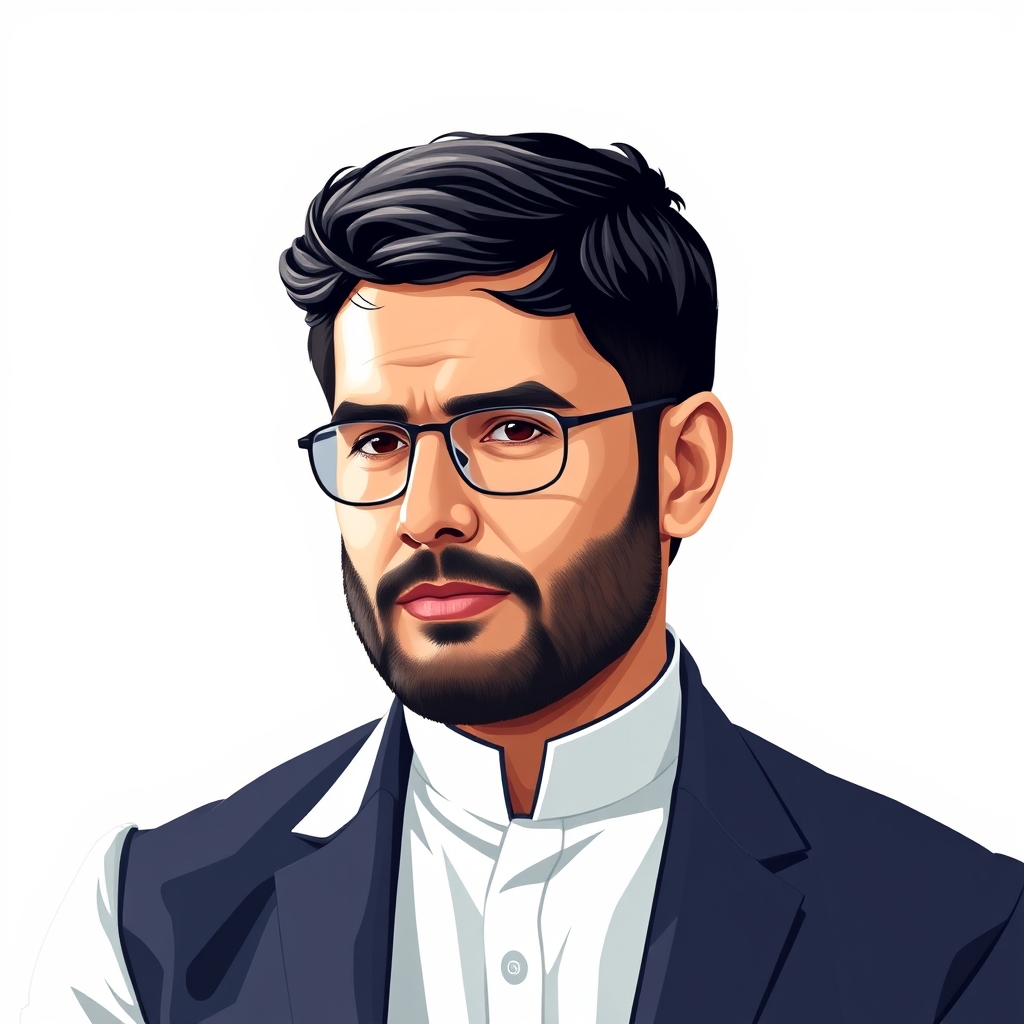
VS
Modi's BJP
A cultural center run by Rahul Gandhi's nephew reportedly removed 'objectionable' photos of protests from an exhibition in a state governed by Modi's BJP.
The incident highlights tensions between the Congress party and the BJP over political expression.
*AI-generated summary of publicly available data. This is not an official statement of any party.
*AI-generated summary of publicly available statements and reporting. This is not an official statement of this party.
Supporters of Rahul Gandhi's nephew argue the removal shows cultural institutions being pressured to conform to the ruling BJP's preferred narrative, and maintain that preserving space for dissent is essential to India's pluralist tradition.
Supporters of Rahul Gandhi's nephew argue that removing the protest photos was a concession forced by a BJP-run state, and maintain that cultural institutions should preserve and exhibit the nation's full record rather than censor it under political pressure.
Supporters of Rahul Gandhi's nephew counter that a state's cultural interest cannot extend to erasing dissent from publicly funded art, arguing that a tradition of tolerating protest imagery is itself the inherited sensibility worth preserving.
Supporters of Rahul Gandhi's nephew argue the removal was a lawful response to a state BJP government's authority over the venue, maintaining that compliance with local directives, not censorship, guided the decision.
Supporters of Rahul Gandhi's nephew argue the removal was a lawful compliance with state authorities' directives, maintaining that operating a cultural center legally requires honoring local governance and exhibition rules.
Supporters of Rahul Gandhi's nephew counter that a state's power to regulate exhibition content is legally bounded, so they challenge the claim that removal was lawful, arguing the act must satisfy constitutional speech protections rather than mere administrative discretion.
Supporters of Rahul Gandhi's nephew argue the removal was tactical necessity, not concession—preserving the cultural center's survival under a BJP state government outweighs symbolic defiance.
Supporters of Rahul Gandhi's nephew argue the removal was tactical necessity, not surrender—that preserving the cultural center's survival under a hostile BJP state government outweighed a fight the Congress side could not win.
Supporters of Rahul Gandhi's nephew counter that BJP governments have themselves pulled or relocated exhibitions under funding and permit pressure, so the removal reflects routine institutional risk-aversion, not a one-sided Congress capitulation.
Supporters of Rahul Gandhi's nephew argue that removing protest photos under pressure from a BJP-run state betrays the cultural center's duty to preserve dissent, treating political expression as something to be censored rather than protected.
Supporters of Rahul Gandhi's nephew argue the moral issue is coercion: a cultural center should not have to pull protest photos under pressure from a BJP-run state, since suppressing expression chills dissent.
Supporters of Rahul Gandhi's nephew counter that decency standards are applied selectively, letting ruling-party imagery pass while dissent is scrubbed, so the moral claim of neutrality collapses.
Supporters of Rahul Gandhi's nephew argue that removing protest photos under pressure from a BJP-run state echoes the scriptural duty to render to Caesar only what is Caesar's, and that conscience and truth-telling belong to God, not the ruling party.
Supporters of Rahul Gandhi’s nephew argue that removing protest photos under pressure from Modi’s BJP-run state shows conscience being overruled by political doctrine, and they invoke the moral duty of faith traditions to protect truthful witness.
Supporters of Rahul Gandhi's nephew counter that a state duty rooted in one community's religious sentiment risks reducing faith to majoritarian convenience, since scripture and constitutional secularism alike shield minority worship from such deference.
*AI-generated summary of publicly available statements and reporting. This is not an official statement of this party.
Supporters of Modi's BJP argue that a state government has a legitimate cultural interest in curating publicly funded exhibitions, maintaining that removing objectionable protest imagery reflects local sensibilities rather than censorship.
Supporters of Modi's BJP frame the photo removal as respect for local cultural norms, arguing that publicly funded exhibitions should not glorify protest imagery and that state governments have a stake in curating what cultural spaces display.
Supporters of Modi's BJP counter that cultural institutions belong to India's civilizational heritage, not to any family's narrative, and argue that reclaiming them from dynastic control restores rather than suppresses pluralist tradition.
Supporters of Modi's BJP argue that a state government has the legal authority to enforce exhibition content rules within its jurisdiction, and they maintain that removing disputed photos was a lawful administrative act, not political censorship.
Supporters of Modi's BJP argue that a state government has the legal authority to enforce exhibition content rules within its jurisdiction, and they maintain that removing "objectionable" protest photos was a lawful administrative decision, not political censorship.
Supporters of Modi's BJP counter that a state government's authority over a venue does not override constitutional protections for expression, arguing the removal raises legal questions about whether permissible local directives were used to suppress speech.
Supporters of Modi's BJP argue the exhibition removal shows Congress's cultural institutions fold under state pressure, proof that control of funding and permits—not rhetoric—decides whose protest imagery gets seen.
Supporters of Modi's BJP argue the removal shows Congress scions bend to state power when it suits them, framing the episode as proof that the family's protest politics is performative rather than principled.
Supporters of Modi's BJP counter that survival-by-appeasement is the concession itself: a cultural center that bends to state power to exist has already surrendered the defiance it claims to preserve, trading leverage for a lease.
Supporters of Modi's BJP argue that removing objectionable protest photos upholds lawful standards of public decency and respect for order, maintaining that cultural institutions should not platform content seen as inflammatory.
Supporters of Modi's BJP argue that public exhibitions should respect local law and order, and they maintain that removing contentious protest imagery upholds civic harmony rather than censoring expression.
Supporters of Modi's BJP counter that a publicly funded cultural center answers to public decency, not partisan display, and that preserving institutional neutrality is itself a moral duty owed to all citizens.
Supporters of Modi's BJP argue that upholding public order and respecting local sensibilities, including religious sentiments, is a legitimate duty of cultural institutions, and they maintain that the state's concerns reflect majoritarian values rather than censorship.
Supporters of Modi's BJP argue that respect for established cultural and religious norms justifies removing exhibits deemed objectionable, maintaining that public institutions should uphold shared traditions rather than provoke division.
Supporters of Modi's BJP counter that upholding public order and lawful authority is itself a scriptural duty, citing Romans 13 on obedience to governing powers, and argue that faith does not license defiance of the state.
AI-generated summary of publicly available statements and reporting. This is not an official statement of this party.
Supporters of Rahul Gandhi's nephew argue the removal shows cultural institutions being pressured to conform to the ruling BJP's preferred narrative, and maintain that preserving space for dissent is essential to India's pluralist tradition.
Supporters of Rahul Gandhi's nephew argue that removing the protest photos was a concession forced by a BJP-run state, and maintain that cultural institutions should preserve and exhibit the nation's full record rather than censor it under political pressure.
Supporters of Rahul Gandhi's nephew counter that a state's cultural interest cannot extend to erasing dissent from publicly funded art, arguing that a tradition of tolerating protest imagery is itself the inherited sensibility worth preserving.
Supporters of Rahul Gandhi's nephew argue the removal was a lawful response to a state BJP government's authority over the venue, maintaining that compliance with local directives, not censorship, guided the decision.
Supporters of Rahul Gandhi's nephew argue the removal was a lawful compliance with state authorities' directives, maintaining that operating a cultural center legally requires honoring local governance and exhibition rules.
Supporters of Rahul Gandhi's nephew counter that a state's power to regulate exhibition content is legally bounded, so they challenge the claim that removal was lawful, arguing the act must satisfy constitutional speech protections rather than mere administrative discretion.
Supporters of Rahul Gandhi's nephew argue the removal was tactical necessity, not concession—preserving the cultural center's survival under a BJP state government outweighs symbolic defiance.
Supporters of Rahul Gandhi's nephew argue the removal was tactical necessity, not surrender—that preserving the cultural center's survival under a hostile BJP state government outweighed a fight the Congress side could not win.
Supporters of Rahul Gandhi's nephew counter that BJP governments have themselves pulled or relocated exhibitions under funding and permit pressure, so the removal reflects routine institutional risk-aversion, not a one-sided Congress capitulation.
Supporters of Rahul Gandhi's nephew argue that removing protest photos under pressure from a BJP-run state betrays the cultural center's duty to preserve dissent, treating political expression as something to be censored rather than protected.
Supporters of Rahul Gandhi's nephew argue the moral issue is coercion: a cultural center should not have to pull protest photos under pressure from a BJP-run state, since suppressing expression chills dissent.
Supporters of Rahul Gandhi's nephew counter that decency standards are applied selectively, letting ruling-party imagery pass while dissent is scrubbed, so the moral claim of neutrality collapses.
Supporters of Rahul Gandhi's nephew argue that removing protest photos under pressure from a BJP-run state echoes the scriptural duty to render to Caesar only what is Caesar's, and that conscience and truth-telling belong to God, not the ruling party.
Supporters of Rahul Gandhi’s nephew argue that removing protest photos under pressure from Modi’s BJP-run state shows conscience being overruled by political doctrine, and they invoke the moral duty of faith traditions to protect truthful witness.
Supporters of Rahul Gandhi's nephew counter that a state duty rooted in one community's religious sentiment risks reducing faith to majoritarian convenience, since scripture and constitutional secularism alike shield minority worship from such deference.
Supporters of Modi's BJP argue that a state government has a legitimate cultural interest in curating publicly funded exhibitions, maintaining that removing objectionable protest imagery reflects local sensibilities rather than censorship.
Supporters of Modi's BJP frame the photo removal as respect for local cultural norms, arguing that publicly funded exhibitions should not glorify protest imagery and that state governments have a stake in curating what cultural spaces display.
Supporters of Modi's BJP counter that cultural institutions belong to India's civilizational heritage, not to any family's narrative, and argue that reclaiming them from dynastic control restores rather than suppresses pluralist tradition.
Supporters of Modi's BJP argue that a state government has the legal authority to enforce exhibition content rules within its jurisdiction, and they maintain that removing disputed photos was a lawful administrative act, not political censorship.
Supporters of Modi's BJP argue that a state government has the legal authority to enforce exhibition content rules within its jurisdiction, and they maintain that removing "objectionable" protest photos was a lawful administrative decision, not political censorship.
Supporters of Modi's BJP counter that a state government's authority over a venue does not override constitutional protections for expression, arguing the removal raises legal questions about whether permissible local directives were used to suppress speech.
Supporters of Modi's BJP argue the exhibition removal shows Congress's cultural institutions fold under state pressure, proof that control of funding and permits—not rhetoric—decides whose protest imagery gets seen.
Supporters of Modi's BJP argue the removal shows Congress scions bend to state power when it suits them, framing the episode as proof that the family's protest politics is performative rather than principled.
Supporters of Modi's BJP counter that survival-by-appeasement is the concession itself: a cultural center that bends to state power to exist has already surrendered the defiance it claims to preserve, trading leverage for a lease.
Supporters of Modi's BJP argue that removing objectionable protest photos upholds lawful standards of public decency and respect for order, maintaining that cultural institutions should not platform content seen as inflammatory.
Supporters of Modi's BJP argue that public exhibitions should respect local law and order, and they maintain that removing contentious protest imagery upholds civic harmony rather than censoring expression.
Supporters of Modi's BJP counter that a publicly funded cultural center answers to public decency, not partisan display, and that preserving institutional neutrality is itself a moral duty owed to all citizens.
Supporters of Modi's BJP argue that upholding public order and respecting local sensibilities, including religious sentiments, is a legitimate duty of cultural institutions, and they maintain that the state's concerns reflect majoritarian values rather than censorship.
Supporters of Modi's BJP argue that respect for established cultural and religious norms justifies removing exhibits deemed objectionable, maintaining that public institutions should uphold shared traditions rather than provoke division.
Supporters of Modi's BJP counter that upholding public order and lawful authority is itself a scriptural duty, citing Romans 13 on obedience to governing powers, and argue that faith does not license defiance of the state.
The requested removal of "objectionable" photos from a cultural center took place in state run by Modi's BJP.