Republican Party factions

VS
Democratic Party
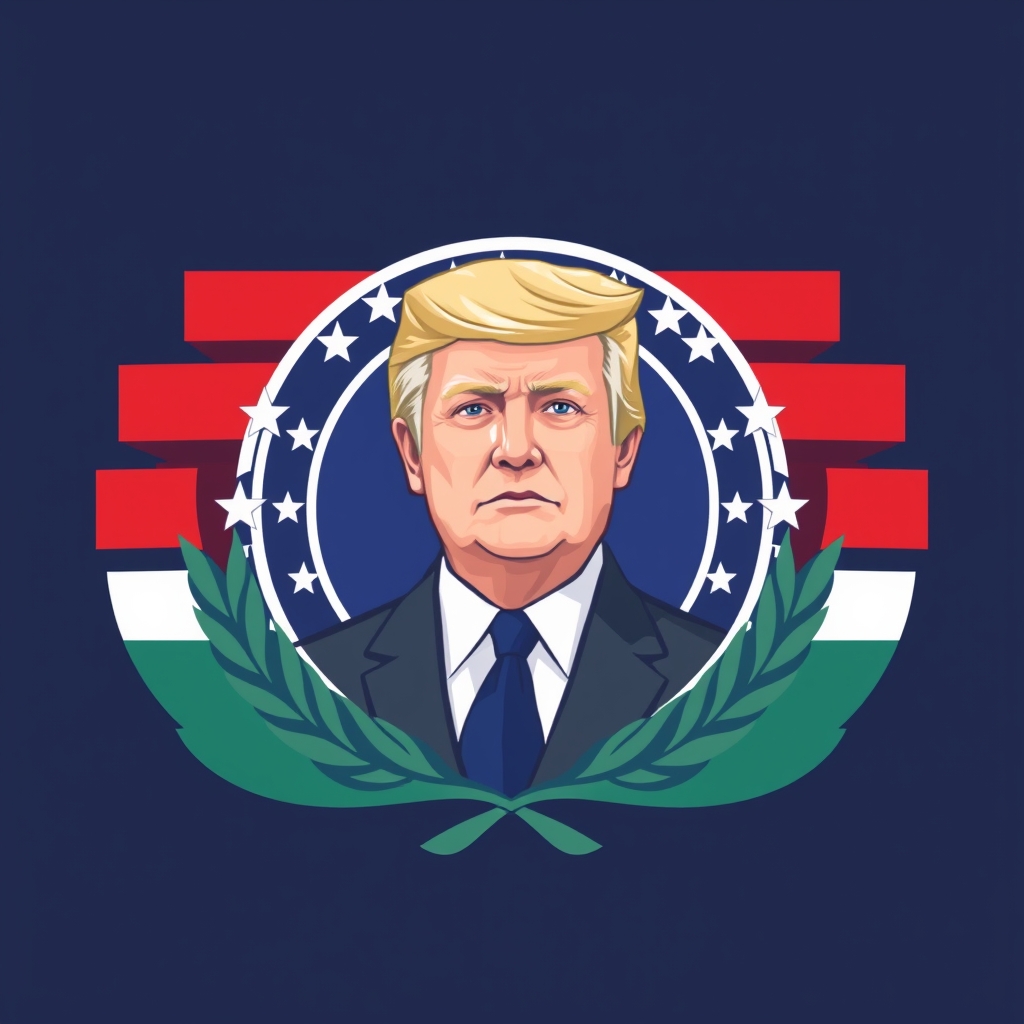
The article examines whether the Republican Party can recover and survive politically after the Trump era and the midterm elections, noting an internal battle for the party's future while suggesting Democrats may influence the outcome.
*AI-generated summary of publicly available data. This is not an official statement of any party.
*AI-generated summary of publicly available statements and reporting. This is not an official statement of this party.
Supporters of Republican Party factions argue that the party's post-midterm future must be rebuilt on inherited cultural traditions and institutional continuity, warning that abandoning established party identity for short-term Democratic-friendly rebranding would erode the loyal.
Supporters of Republican Party factions argue that the party's survival depends on preserving its traditional cultural and institutional roots rather than abandoning them, maintaining that continuity with inherited values, not reinvention, is what sustains the party after the mid.
Supporters of Republican Party factions counter that voters are not rejecting cultural continuity but defending it, arguing that traditional values and inherited institutions remain the durable foundation of American civic life.
Supporters of Republican Party factions argue the midterms trigger a legitimate internal legal contest over party rules and nomination authority, and they maintain that courts and party bylaws—not Democrats—should settle which faction controls the GOP's future.
Supporters of Republican Party factions argue that internal legal fights over party rules and nomination processes are legitimate self-governance, maintaining that factions have the right to contest the party's direction through lawful institutional mechanisms after the midterms.
Supporters of Republican Party factions counter that partisan legal action against a former president sets a precedent for weaponizing courts, arguing durable rule-of-law footing requires that prosecutions not track electoral advantage.
Supporters of Republican Party factions argue that internal power struggles are a necessary sorting mechanism, and that Democrats' attempts to shape the outcome will backfire by handing factions a unifying grievance.
Supporters of Republican Party factions argue the party’s post-midterm fight is a contest over who controls incentives and patronage, and they maintain that survival depends on consolidating power internally before courting Democrats’ favor.
Supporters of Republican Party factions counter that amplifying internal rivals cedes them the initiative, since a faction backed by Democratic money gains a unifying grievance and rallying cry against outside interference.
Supporters of Republican Party factions argue that after the midterms, the party's moral renewal must come from within—through voluntary factions competing on principle—not from Democrats shaping its future.
Supporters of Republican Party factions argue it is morally wrong for Democrats to try to shape the party's post-midterm direction, maintaining that Republican voters alone should decide their party's future through voluntary association.
Supporters of Republican Party factions counter that a party's moral test is fidelity to its founding principles of liberty, not the erasure of its history, and they argue that voters, not party leaders, hold the authority to judge and reform.
Supporters of Republican Party factions argue that the party's post-midterm struggle is a moral and spiritual contest over covenant and conscience, insisting that fidelity to scriptural doctrine, not Democratic influence, must determine the party's future.
Supporters of Republican Party factions argue the party's renewal must be rooted in moral and religious conviction, maintaining that fidelity to scriptural principles, not electoral calculation, should guide the struggle over its future after the midterms.
Supporters of Republican Party factions counter that religious moral witness itself spans the spectrum, so the claim that one party abandoned shared obligation overlooks the faithful moral communities within the factions.
*AI-generated summary of publicly available statements and reporting. This is not an official statement of this party.
Supporters of Democratic Party argue that the Republican Party's post-midterm identity struggle reflects a broader cultural reckoning, and they contend that voters are rejecting a politics built on exclusion.
Supporters of Democratic Party argue that cultural coalitions, not party factions, decide survival—pointing to past realignments as precedent that Democrats can shape the Republican Party's post-midterm future.
Supporters of the Democratic Party counter that cultural traditions are never static—past party realignments show that identity evolves through new coalitions, and they argue that appealing to a diversifying electorate is not rebranding but the tradition itself.
Supporters of the Democratic Party argue that legal accountability for the Trump era, upheld through lawful oversight and the courts, is what lets Republicans rebuild on rule-of-law footing after the midterms.
Supporters of the Democratic Party argue that legal and procedural safeguards—fair districting, voting access, and accountability norms—should govern the Republican Party's post-midterm rebuild, maintaining that ecological and democratic protections must not be traded away in tha.
Supporters of Democratic Party counter that internal party rules cannot override state election laws governing how nominees reach the ballot, so they argue courts must apply statutory requirements, not just bylaws, when factional disputes affect voters.
Supporters of the Democratic Party argue that the Republican Party's post-midterm civil war is a strategic opening, and that Democrats should quietly amplify the factions most likely to prolong it rather than seek a clean opponent.
Supporters of Democratic Party argue that the Republican Party's post-Trump civil war is an opening to exploit, betting that amplifying the MAGA faction's grip will keep the GOP unelectable nationally.
Supporters of Democratic Party counter that amplifying a rival's internal feud is leverage, not interference—keeping factions fighting over resources and donors costs them the general election while Democrats consolidate.
Supporters of Democratic Party argue that a party’s survival is a moral test of whether it repudiates rather than rehabilitates its most divisive chapter.
Supporters of Democratic Party argue that a party’s survival depends on moral accountability, pointing to past precedent that movements which avoid reckoning with their conduct struggle to rebuild public trust.
Supporters of Democratic Party counter that moral renewal is a public, shared obligation, not a private matter for one party's factions—they argue that excluding outside voices from shaping a party's future lets it escape accountability to the wider electorate it claims to serve.
Supporters of the Democratic Party argue that religious communities' moral witness against division offers a model of continuity and shared obligation that the Republican Party's internal factions have abandoned.
Supporters of the Democratic Party argue that the Republican Party's post-midterm struggle reflects a deeper moral reckoning, maintaining that a governing coalition sustained by cultural grievance rather than inherited civic and religious norms cannot long endure.
Supporters of Democratic Party counter that appeals to covenant and conscience belong in the church's own discernment, not in partisan strategy, and they argue that religious conviction should inform civic life without being claimed as a party's exclusive standard.
AI-generated summary of publicly available statements and reporting. This is not an official statement of this party.
Supporters of Republican Party factions argue that the party's post-midterm future must be rebuilt on inherited cultural traditions and institutional continuity, warning that abandoning established party identity for short-term Democratic-friendly rebranding would erode the loyal.
Supporters of Republican Party factions argue that the party's survival depends on preserving its traditional cultural and institutional roots rather than abandoning them, maintaining that continuity with inherited values, not reinvention, is what sustains the party after the mid.
Supporters of Republican Party factions counter that voters are not rejecting cultural continuity but defending it, arguing that traditional values and inherited institutions remain the durable foundation of American civic life.
Supporters of Republican Party factions argue the midterms trigger a legitimate internal legal contest over party rules and nomination authority, and they maintain that courts and party bylaws—not Democrats—should settle which faction controls the GOP's future.
Supporters of Republican Party factions argue that internal legal fights over party rules and nomination processes are legitimate self-governance, maintaining that factions have the right to contest the party's direction through lawful institutional mechanisms after the midterms.
Supporters of Republican Party factions counter that partisan legal action against a former president sets a precedent for weaponizing courts, arguing durable rule-of-law footing requires that prosecutions not track electoral advantage.
Supporters of Republican Party factions argue that internal power struggles are a necessary sorting mechanism, and that Democrats' attempts to shape the outcome will backfire by handing factions a unifying grievance.
Supporters of Republican Party factions argue the party’s post-midterm fight is a contest over who controls incentives and patronage, and they maintain that survival depends on consolidating power internally before courting Democrats’ favor.
Supporters of Republican Party factions counter that amplifying internal rivals cedes them the initiative, since a faction backed by Democratic money gains a unifying grievance and rallying cry against outside interference.
Supporters of Republican Party factions argue that after the midterms, the party's moral renewal must come from within—through voluntary factions competing on principle—not from Democrats shaping its future.
Supporters of Republican Party factions argue it is morally wrong for Democrats to try to shape the party's post-midterm direction, maintaining that Republican voters alone should decide their party's future through voluntary association.
Supporters of Republican Party factions counter that a party's moral test is fidelity to its founding principles of liberty, not the erasure of its history, and they argue that voters, not party leaders, hold the authority to judge and reform.
Supporters of Republican Party factions argue that the party's post-midterm struggle is a moral and spiritual contest over covenant and conscience, insisting that fidelity to scriptural doctrine, not Democratic influence, must determine the party's future.
Supporters of Republican Party factions argue the party's renewal must be rooted in moral and religious conviction, maintaining that fidelity to scriptural principles, not electoral calculation, should guide the struggle over its future after the midterms.
Supporters of Republican Party factions counter that religious moral witness itself spans the spectrum, so the claim that one party abandoned shared obligation overlooks the faithful moral communities within the factions.
Supporters of Democratic Party argue that the Republican Party's post-midterm identity struggle reflects a broader cultural reckoning, and they contend that voters are rejecting a politics built on exclusion.
Supporters of Democratic Party argue that cultural coalitions, not party factions, decide survival—pointing to past realignments as precedent that Democrats can shape the Republican Party's post-midterm future.
Supporters of the Democratic Party counter that cultural traditions are never static—past party realignments show that identity evolves through new coalitions, and they argue that appealing to a diversifying electorate is not rebranding but the tradition itself.
Supporters of the Democratic Party argue that legal accountability for the Trump era, upheld through lawful oversight and the courts, is what lets Republicans rebuild on rule-of-law footing after the midterms.
Supporters of the Democratic Party argue that legal and procedural safeguards—fair districting, voting access, and accountability norms—should govern the Republican Party's post-midterm rebuild, maintaining that ecological and democratic protections must not be traded away in tha.
Supporters of Democratic Party counter that internal party rules cannot override state election laws governing how nominees reach the ballot, so they argue courts must apply statutory requirements, not just bylaws, when factional disputes affect voters.
Supporters of the Democratic Party argue that the Republican Party's post-midterm civil war is a strategic opening, and that Democrats should quietly amplify the factions most likely to prolong it rather than seek a clean opponent.
Supporters of Democratic Party argue that the Republican Party's post-Trump civil war is an opening to exploit, betting that amplifying the MAGA faction's grip will keep the GOP unelectable nationally.
Supporters of Democratic Party counter that amplifying a rival's internal feud is leverage, not interference—keeping factions fighting over resources and donors costs them the general election while Democrats consolidate.
Supporters of Democratic Party argue that a party’s survival is a moral test of whether it repudiates rather than rehabilitates its most divisive chapter.
Supporters of Democratic Party argue that a party’s survival depends on moral accountability, pointing to past precedent that movements which avoid reckoning with their conduct struggle to rebuild public trust.
Supporters of Democratic Party counter that moral renewal is a public, shared obligation, not a private matter for one party's factions—they argue that excluding outside voices from shaping a party's future lets it escape accountability to the wider electorate it claims to serve.
Supporters of the Democratic Party argue that religious communities' moral witness against division offers a model of continuity and shared obligation that the Republican Party's internal factions have abandoned.
Supporters of the Democratic Party argue that the Republican Party's post-midterm struggle reflects a deeper moral reckoning, maintaining that a governing coalition sustained by cultural grievance rather than inherited civic and religious norms cannot long endure.
Supporters of Democratic Party counter that appeals to covenant and conscience belong in the church's own discernment, not in partisan strategy, and they argue that religious conviction should inform civic life without being claimed as a party's exclusive standard.
Midterm elections after which the Republican Party faces a battle for its future.