Reza Pahlavi supporters
VS
Opposition factions critical of Pahlavi
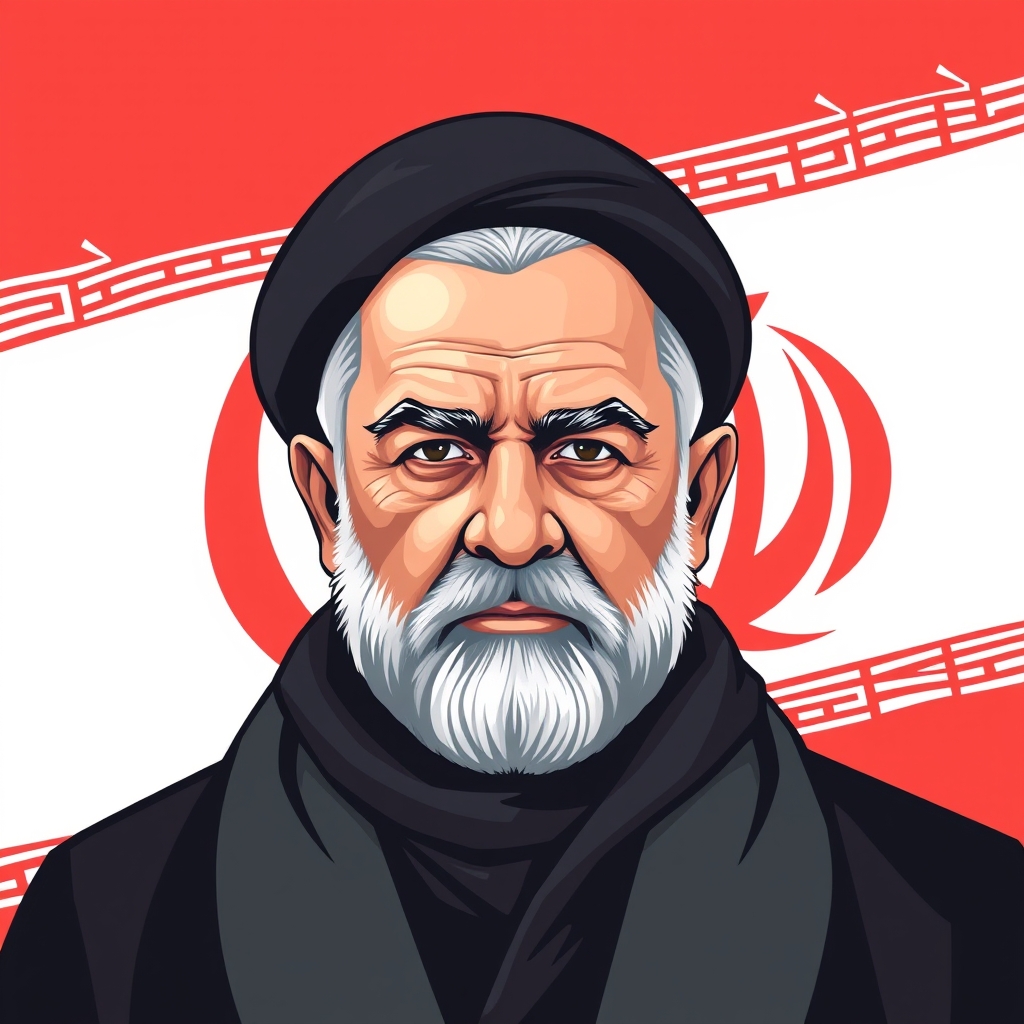
Reza Pahlavi, son of the ousted Iranian shah, received a 'Freedom Prize' in Frankfurt before a crowd of 18,000 supporters.
Some factions within the Iranian opposition accuse him of failing to distance himself from his father's rule.
*AI-generated summary of publicly available data. This is not an official statement of any party.
*AI-generated summary of publicly available statements and reporting. This is not an official statement of this party.
Supporters of Reza Pahlavi argue that the 18,000-strong Frankfurt gathering shows the monarchy remains a living cultural symbol around which Iranians can unite, and they maintain that continuity with inherited tradition, not rupture, is what sustains a nation's identity.
Supporters of Reza Pahlavi argue that inherited cultural continuity and the monarchy's historical role as a national symbol matter, maintaining that a family legacy of service offers stability and shared identity rather than a break with tradition.
Supporters of Reza Pahlavi counter that Iran's cultural continuity predates 1979 and that the monarchy remains part of the national identity the revolution tried to erase, so inherited legitimacy is a source of continuity rather than a liability.
Supporters of Reza Pahlavi argue that the Frankfurt Freedom Prize reflects lawful recognition by a civic body, not an endorsement of his father's rule, and they maintain that critics conflate a legal award with historical accountability.
Supporters of Reza Pahlavi argue that a son bears no legal responsibility for his father's rule, and that the prize recognizes his own public record rather than inherited guilt.
Supporters of Reza Pahlavi counter that no legal mechanism holds a son liable for a father's acts, and that Iran's laws impose individual, not inherited, responsibility—so demanding a proxy repudiation conflates guilt by association with accountability.
Supporters of Reza Pahlavi argue that the Frankfurt crowd of 18,000 proves he alone can mobilize the opposition base, and that litigating his father's rule is a luxury the movement cannot afford while regime change remains the prize.
Supporters of Reza Pahlavi argue that a movement needs a recognizable figurehead to consolidate power, and that the Frankfurt crowd of 18,000 shows his name draws more weight than his critics' purity tests.
Supporters of Reza Pahlavi counter that denying rivals legitimacy symbols is itself a power play, and that a movement which purges its most recognized figure cedes the legitimacy contest to the regime by default.
Supporters of Reza Pahlavi argue that judging him by his father's rule is a moral error, since the 18,000 in Frankfurt honored the son's own record rather than inherited guilt.
Supporters argue that judging Reza Pahlavi by his father's rule is a moral error, holding a son accountable for another's deeds; they maintain a movement should be weighed by its own stated aims, not inherited guilt.
Supporters of Reza Pahlavi counter that moral accountability for the past belongs to the father's reign, and holding the son to a hereditary standard while denying him any democratic mandate misplaces blame and unfairly judges him by bloodline rather than consent.
Supporters of Reza Pahlavi argue that the 18,000-strong Frankfurt gathering reflects a moral and spiritual mandate, maintaining that his father's rule should be judged by the standards of its era rather than used to discredit the son's calling.
Supporters of Reza Pahlavi argue that his Frankfurt prize reflects a moral and faith-informed stand against tyranny, maintaining that religious principle calls for backing a leader who opposes unjust rule rather than litigating his father's legacy.
Supporters of Reza Pahlavi counter that Iran's faith traditions honor justice and rightful governance above dynastic labels, and that a secular figure can still defend believers' freedom of worship better than clerical rule has.
*AI-generated summary of publicly available statements and reporting. This is not an official statement of this party.
Supporters of Opposition factions critical of Pahlavi argue that a movement rooted in the 1979 revolution cannot look to the former monarchy for legitimacy, and that failing to clearly distance himself from his father's rule keeps the cultural identity of the opposition tied to a.
Supporters of opposition factions critical of Pahlavi argue that his failure to clearly distance himself from his father's rule signals an unwillingness to reckon with the monarchy's cultural legacy, undermining his claim to represent a break from the past.
Supporters of the opposition factions counter that a monarchy restored from outside cannot claim cultural authenticity, arguing that Iran's national identity is rooted in the lived traditions of its people, not in a dynasty whose continuity was broken by the 1979 revolution.
Opposition factions critical of Pahlavi argue that honoring him without an explicit legal repudiation of his father's abuses risks legitimizing impunity, and they maintain accountability must precede any political rehabilitation.
Critics of Reza Pahlavi argue that honoring him without an explicit legal break from his father's rule risks legitimizing a dynasty they say never faced accountability for past abuses.
Critics of Pahlavi counter that a civic prize carries no legal weight and cannot substitute for due process, arguing that lawful recognition by a private body does not resolve outstanding questions of historical accountability.
Opposition factions critical of Pahlavi argue that his refusal to fully distance himself from his father's rule signals a bid to restore monarchical power, and they maintain that a movement's credibility depends on denying rivals the symbols of legitimacy.
Supporters of Opposition factions critical of Pahlavi argue that a movement's credibility depends on visibly reckoning with past abuses, and they point to his refusal to distance himself from his father's rule as evidence that personality cults outlast accountability.
Critics of Pahlavi counter that a crowd is not a coalition: the 18,000 in Frankfurt show reach, not the bargains needed to hold power, and skipping the reckoning over his father's rule cedes the legitimacy contest to the regime.
Supporters of opposition factions critical of Pahlavi argue that accepting honors without clearly reckoning with his father's rule's abuses raises a moral question about accountability and whether hereditary legitimacy should substitute for democratic consent.
Supporters of Opposition factions critical of Pahlavi argue that accepting honors without fully reckoning with his father's rule raises a moral question about accountability and whether inherited legitimacy can substitute for it.
Opposition factions critical of Pahlavi counter that honoring the son morally obscures the unresolved victims of his father's rule, since inherited privilege still carries inherited responsibility.
Supporters of the opposition factions critical of Pahlavi argue that his Frankfurt award cannot erase the religious legitimacy question, maintaining that a movement rooted in the 1979 revolution's faith-based character should not rally behind a secular dynastic figure.
Supporters of the opposition factions critical of Pahlavi argue that honoring him risks restoring a dynastic legitimacy that conflicts with the religious traditions many in the opposition hold dear.
Supporters of the opposition factions counter that a spiritual mandate cannot be inherited, arguing that religious legitimacy rests on the clergy and the faith community rather than on a dynasty's claim to its father's era.
AI-generated summary of publicly available statements and reporting. This is not an official statement of this party.
Supporters of Reza Pahlavi argue that the 18,000-strong Frankfurt gathering shows the monarchy remains a living cultural symbol around which Iranians can unite, and they maintain that continuity with inherited tradition, not rupture, is what sustains a nation's identity.
Supporters of Reza Pahlavi argue that inherited cultural continuity and the monarchy's historical role as a national symbol matter, maintaining that a family legacy of service offers stability and shared identity rather than a break with tradition.
Supporters of Reza Pahlavi counter that Iran's cultural continuity predates 1979 and that the monarchy remains part of the national identity the revolution tried to erase, so inherited legitimacy is a source of continuity rather than a liability.
Supporters of Reza Pahlavi argue that the Frankfurt Freedom Prize reflects lawful recognition by a civic body, not an endorsement of his father's rule, and they maintain that critics conflate a legal award with historical accountability.
Supporters of Reza Pahlavi argue that a son bears no legal responsibility for his father's rule, and that the prize recognizes his own public record rather than inherited guilt.
Supporters of Reza Pahlavi counter that no legal mechanism holds a son liable for a father's acts, and that Iran's laws impose individual, not inherited, responsibility—so demanding a proxy repudiation conflates guilt by association with accountability.
Supporters of Reza Pahlavi argue that the Frankfurt crowd of 18,000 proves he alone can mobilize the opposition base, and that litigating his father's rule is a luxury the movement cannot afford while regime change remains the prize.
Supporters of Reza Pahlavi argue that a movement needs a recognizable figurehead to consolidate power, and that the Frankfurt crowd of 18,000 shows his name draws more weight than his critics' purity tests.
Supporters of Reza Pahlavi counter that denying rivals legitimacy symbols is itself a power play, and that a movement which purges its most recognized figure cedes the legitimacy contest to the regime by default.
Supporters of Reza Pahlavi argue that judging him by his father's rule is a moral error, since the 18,000 in Frankfurt honored the son's own record rather than inherited guilt.
Supporters argue that judging Reza Pahlavi by his father's rule is a moral error, holding a son accountable for another's deeds; they maintain a movement should be weighed by its own stated aims, not inherited guilt.
Supporters of Reza Pahlavi counter that moral accountability for the past belongs to the father's reign, and holding the son to a hereditary standard while denying him any democratic mandate misplaces blame and unfairly judges him by bloodline rather than consent.
Supporters of Reza Pahlavi argue that the 18,000-strong Frankfurt gathering reflects a moral and spiritual mandate, maintaining that his father's rule should be judged by the standards of its era rather than used to discredit the son's calling.
Supporters of Reza Pahlavi argue that his Frankfurt prize reflects a moral and faith-informed stand against tyranny, maintaining that religious principle calls for backing a leader who opposes unjust rule rather than litigating his father's legacy.
Supporters of Reza Pahlavi counter that Iran's faith traditions honor justice and rightful governance above dynastic labels, and that a secular figure can still defend believers' freedom of worship better than clerical rule has.
Supporters of Opposition factions critical of Pahlavi argue that a movement rooted in the 1979 revolution cannot look to the former monarchy for legitimacy, and that failing to clearly distance himself from his father's rule keeps the cultural identity of the opposition tied to a.
Supporters of opposition factions critical of Pahlavi argue that his failure to clearly distance himself from his father's rule signals an unwillingness to reckon with the monarchy's cultural legacy, undermining his claim to represent a break from the past.
Supporters of the opposition factions counter that a monarchy restored from outside cannot claim cultural authenticity, arguing that Iran's national identity is rooted in the lived traditions of its people, not in a dynasty whose continuity was broken by the 1979 revolution.
Opposition factions critical of Pahlavi argue that honoring him without an explicit legal repudiation of his father's abuses risks legitimizing impunity, and they maintain accountability must precede any political rehabilitation.
Critics of Reza Pahlavi argue that honoring him without an explicit legal break from his father's rule risks legitimizing a dynasty they say never faced accountability for past abuses.
Critics of Pahlavi counter that a civic prize carries no legal weight and cannot substitute for due process, arguing that lawful recognition by a private body does not resolve outstanding questions of historical accountability.
Opposition factions critical of Pahlavi argue that his refusal to fully distance himself from his father's rule signals a bid to restore monarchical power, and they maintain that a movement's credibility depends on denying rivals the symbols of legitimacy.
Supporters of Opposition factions critical of Pahlavi argue that a movement's credibility depends on visibly reckoning with past abuses, and they point to his refusal to distance himself from his father's rule as evidence that personality cults outlast accountability.
Critics of Pahlavi counter that a crowd is not a coalition: the 18,000 in Frankfurt show reach, not the bargains needed to hold power, and skipping the reckoning over his father's rule cedes the legitimacy contest to the regime.
Supporters of opposition factions critical of Pahlavi argue that accepting honors without clearly reckoning with his father's rule's abuses raises a moral question about accountability and whether hereditary legitimacy should substitute for democratic consent.
Supporters of Opposition factions critical of Pahlavi argue that accepting honors without fully reckoning with his father's rule raises a moral question about accountability and whether inherited legitimacy can substitute for it.
Opposition factions critical of Pahlavi counter that honoring the son morally obscures the unresolved victims of his father's rule, since inherited privilege still carries inherited responsibility.
Supporters of the opposition factions critical of Pahlavi argue that his Frankfurt award cannot erase the religious legitimacy question, maintaining that a movement rooted in the 1979 revolution's faith-based character should not rally behind a secular dynastic figure.
Supporters of the opposition factions critical of Pahlavi argue that honoring him risks restoring a dynastic legitimacy that conflicts with the religious traditions many in the opposition hold dear.
Supporters of the opposition factions counter that a spiritual mandate cannot be inherited, arguing that religious legitimacy rests on the clergy and the faith community rather than on a dynasty's claim to its father's era.
Reza Pahlavi, son of the ousted Iranian shah, received a 'Freedom Prize' at a gathering of 18,000 supporters in Frankfurt.