NATO
VS
Robert Fico
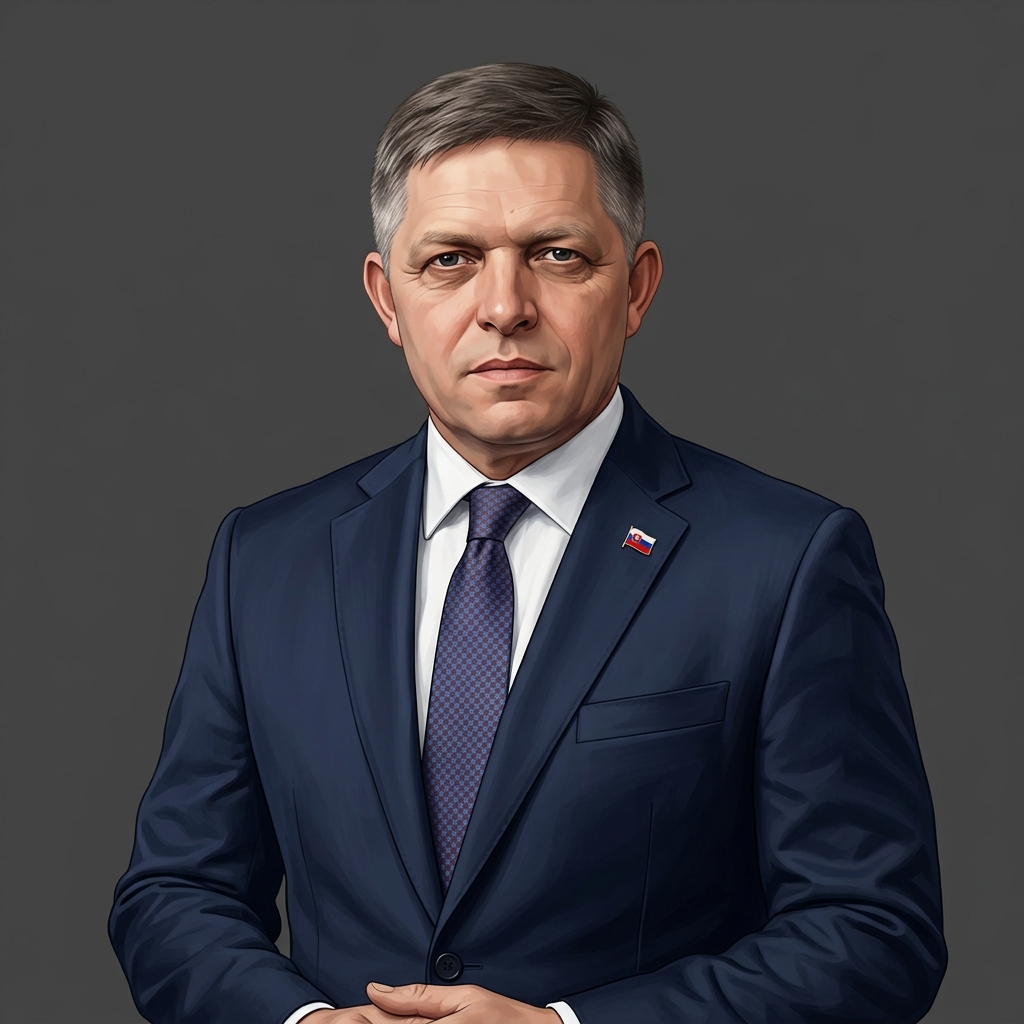
Robert Fico is the Prime Minister of Slovakia, a country that has been a member of NATO since 2004.
Fico has governed Slovakia for multiple terms and is known for a foreign policy characterized by profound skepticism toward NATO and a trajectory that clashes with the alliance's consensus.
NATO, the North Atlantic Treaty Organization, is a collective defense alliance of which Slovakia is a member.
Fico's skepticism toward NATO has produced a series of public clashes with the alliance.
He has warned that NATO could collapse if the United States withdraws its commitment, criticized NATO leaders following a summit for prioritizing the appeasement of Donald Trump, and declared that his government will oppose NATO proposals to secure multi-billion dollar contracts for new weapons.
He has also suggested that Slovakia would refuse to aid NATO allies in a wider conflict, stating that while NATO membership is important to his country, he would resist Slovakia being dragged into a wider conflict.
These positions place Fico at odds with NATO's collective defense consensus and have raised questions about Slovakia's reliability as an ally.
His stance has symbolic value for Russia, and his victory was described as a setback for the EU and NATO.
*AI-generated summary of publicly available data. This is not an official statement of any party.
*AI-generated summary of publicly available statements and reporting. This is not an official statement of this party.
Supporters of NATO invoke the bloc's Cold War record of deterrence without direct war, arguing that shared defense culture has kept peace in Europe and that Fico's warnings misread that restraint.
Supporters of NATO invoke the bloc's Cold War precedent of deterrence, arguing that cultural memory of appeasement shows only credible defense prevents war; they maintain Fico misreads history by blaming the shield, not the threat.
Supporters of NATO counter that Slovakia's cultural memory also includes 1968, when Warsaw Pact tanks crushed the Prague Spring—so many Slovaks view NATO membership as protection from Russian domination, not a path to war.
Supporters of NATO counter that the bloc is a defensive alliance bound by Article 5 and international law, so its members lawfully may prepare collective defense against Russian aggression without seeking any pretext for war.
Supporters of NATO argue the alliance’s Article 5 and UN Charter self-defense framing is legally defensive, and that Fico’s pretext claim lacks cited evidence of any NATO war plan.
Supporters of NATO counter that Article 51 of the UN Charter expressly preserves the inherent right of collective self-defense, and that NATO's posture toward Russia rests on that treaty basis rather than on any novel legal pretext.
Supporters of NATO argue Fico's warning serves Moscow's narrative, since deterrence requires visible resolve, and questioning the bloc's intent only rewards Russian escalation while weakening allied unity.
Supporters of NATO argue Fico’s pretext claim serves Moscow’s narrative by casting the bloc’s defensive posture as aggression, weakening allied unity.
NATO supporters counter that hedging between Moscow and Brussels invites the very predation Fico claims to avoid: they note Slovakia's security rests on Article 5 credibility, not on playing both sides, which historically leaves smaller states exposed.
Supporters of NATO argue the alliance seeks only to deter aggression, not provoke war, and that Russia's invasion of Ukraine—not NATO—created the pretext for conflict.
Supporters of NATO argue that the alliance's defensive posture and open-door policy rest on the consent of sovereign states, so Fico's war-precap pretext claim misreads voluntary deterrence as aggression.
Supporters of NATO counter that sovereignty carries moral weight: a nation's choice to join an alliance is itself consent, and honoring that voluntary commitment is what legitimizes collective defense.
Supporters of NATO argue the alliance guards its members' inherited freedoms and Christian-rooted civic order, maintaining that deterrence and Article 5 unity, not conquest, keep the peace against Russian aggression.
Supporters of NATO argue the alliance seeks only to deter aggression and preserve peace, invoking just-war tradition that force is legitimate solely in defense; they deny Fico's claim of a pretext for war.
Supporters of NATO counter that just-war doctrine also obliges defending the innocent, and that Article 5 collective defense has shielded Europe from conquest for generations, a peacemaker's duty fulfilled.
*AI-generated summary of publicly available statements and reporting. This is not an official statement of this party.
Supporters of Robert Fico argue that his warning about NATO seeking a pretext for war with Russia reflects a distinctly Slovak cultural instinct for survival—a small nation's memory of being drawn into great-power conflicts.
Supporters of Robert Fico argue that his warning reflects Slovakia's sovereign right to chart its own cultural and political path, resisting outside pressure to align with NATO's war posture.
Supporters of Robert Fico counter that NATO's deterrence culture subordinates Slovak identity and sovereignty to foreign command, and they argue that true national security rests on cultural self-determination, not bloc loyalty.
Supporters of Robert Fico argue that NATO's legal justification for confrontation with Russia lacks UN Charter grounding, and they maintain that any military pretext must face scrutiny under international law.
Supporters of Robert Fico argue that scrutinizing NATO's legal basis for any escalation is legitimate, insisting that under international law only self-defense or UN Security Council authorization can justify war with Russia.
Supporters of Robert Fico counter that no treaty provision authorizes NATO members to arm a non-member, and that such transfers exceed Article 5's collective-defense scope under international law.
Fico's supporters argue he exposes NATO's pretext-seeking as a power play, positioning Slovakia to avoid becoming cannon fodder while extracting leverage from both Moscow and Brussels.
Supporters of Robert Fico argue that warning of a NATO pretext for war with Russia is a pragmatic play for leverage, positioning Slovakia as a necessary broker while great powers maneuver.
Supporters of Robert Fico counter that visible resolve costs little to allies far from the frontline, while Slovakia bears the proximity risk; questioning the bloc's intent is leverage, not betrayal, since unity without Slovak interests is merely someone else's burden.
Supporters of Robert Fico argue that history judges leaders who resist being dragged into others' wars, citing past pretexts for conflict; they maintain NATO's buildup risks a war Europe never consented to.
Supporters of Robert Fico invoke the moral duty to prevent war, arguing that history shows great powers manufacture pretexts for conflict, so questioning NATO’s intentions is prudence, not disloyalty.
Supporters of Robert Fico counter that NATO's eastward expansion broke earlier assurances, and that arming Kyiv only prolongs a war whose costs fall on ordinary Slovaks, not on the alliance's distant capitals.
Supporters of Robert Fico invoke just-war doctrine, arguing that Jesus blesses peacemakers and that NATO's search for a pretext for war with Russia betrays the duty to preserve innocent life.
Supporters of Robert Fico invoke just-war doctrine, arguing that a defensive alliance loses moral legitimacy when it appears to seek pretext for war rather than reconciliation.
Supporters of Robert Fico counter that Article 5 arms shipments fuel war rather than peace, and that true Christian order commands peacemaking and dialogue with Russia, not endless deterrence.
AI-generated summary of publicly available statements and reporting. This is not an official statement of this party.
Supporters of NATO invoke the bloc's Cold War record of deterrence without direct war, arguing that shared defense culture has kept peace in Europe and that Fico's warnings misread that restraint.
Supporters of NATO invoke the bloc's Cold War precedent of deterrence, arguing that cultural memory of appeasement shows only credible defense prevents war; they maintain Fico misreads history by blaming the shield, not the threat.
Supporters of NATO counter that Slovakia's cultural memory also includes 1968, when Warsaw Pact tanks crushed the Prague Spring—so many Slovaks view NATO membership as protection from Russian domination, not a path to war.
Supporters of NATO counter that the bloc is a defensive alliance bound by Article 5 and international law, so its members lawfully may prepare collective defense against Russian aggression without seeking any pretext for war.
Supporters of NATO argue the alliance’s Article 5 and UN Charter self-defense framing is legally defensive, and that Fico’s pretext claim lacks cited evidence of any NATO war plan.
Supporters of NATO counter that Article 51 of the UN Charter expressly preserves the inherent right of collective self-defense, and that NATO's posture toward Russia rests on that treaty basis rather than on any novel legal pretext.
Supporters of NATO argue Fico's warning serves Moscow's narrative, since deterrence requires visible resolve, and questioning the bloc's intent only rewards Russian escalation while weakening allied unity.
Supporters of NATO argue Fico’s pretext claim serves Moscow’s narrative by casting the bloc’s defensive posture as aggression, weakening allied unity.
NATO supporters counter that hedging between Moscow and Brussels invites the very predation Fico claims to avoid: they note Slovakia's security rests on Article 5 credibility, not on playing both sides, which historically leaves smaller states exposed.
Supporters of NATO argue the alliance seeks only to deter aggression, not provoke war, and that Russia's invasion of Ukraine—not NATO—created the pretext for conflict.
Supporters of NATO argue that the alliance's defensive posture and open-door policy rest on the consent of sovereign states, so Fico's war-precap pretext claim misreads voluntary deterrence as aggression.
Supporters of NATO counter that sovereignty carries moral weight: a nation's choice to join an alliance is itself consent, and honoring that voluntary commitment is what legitimizes collective defense.
Supporters of NATO argue the alliance guards its members' inherited freedoms and Christian-rooted civic order, maintaining that deterrence and Article 5 unity, not conquest, keep the peace against Russian aggression.
Supporters of NATO argue the alliance seeks only to deter aggression and preserve peace, invoking just-war tradition that force is legitimate solely in defense; they deny Fico's claim of a pretext for war.
Supporters of NATO counter that just-war doctrine also obliges defending the innocent, and that Article 5 collective defense has shielded Europe from conquest for generations, a peacemaker's duty fulfilled.
Supporters of Robert Fico argue that his warning about NATO seeking a pretext for war with Russia reflects a distinctly Slovak cultural instinct for survival—a small nation's memory of being drawn into great-power conflicts.
Supporters of Robert Fico argue that his warning reflects Slovakia's sovereign right to chart its own cultural and political path, resisting outside pressure to align with NATO's war posture.
Supporters of Robert Fico counter that NATO's deterrence culture subordinates Slovak identity and sovereignty to foreign command, and they argue that true national security rests on cultural self-determination, not bloc loyalty.
Supporters of Robert Fico argue that NATO's legal justification for confrontation with Russia lacks UN Charter grounding, and they maintain that any military pretext must face scrutiny under international law.
Supporters of Robert Fico argue that scrutinizing NATO's legal basis for any escalation is legitimate, insisting that under international law only self-defense or UN Security Council authorization can justify war with Russia.
Supporters of Robert Fico counter that no treaty provision authorizes NATO members to arm a non-member, and that such transfers exceed Article 5's collective-defense scope under international law.
Fico's supporters argue he exposes NATO's pretext-seeking as a power play, positioning Slovakia to avoid becoming cannon fodder while extracting leverage from both Moscow and Brussels.
Supporters of Robert Fico argue that warning of a NATO pretext for war with Russia is a pragmatic play for leverage, positioning Slovakia as a necessary broker while great powers maneuver.
Supporters of Robert Fico counter that visible resolve costs little to allies far from the frontline, while Slovakia bears the proximity risk; questioning the bloc's intent is leverage, not betrayal, since unity without Slovak interests is merely someone else's burden.
Supporters of Robert Fico argue that history judges leaders who resist being dragged into others' wars, citing past pretexts for conflict; they maintain NATO's buildup risks a war Europe never consented to.
Supporters of Robert Fico invoke the moral duty to prevent war, arguing that history shows great powers manufacture pretexts for conflict, so questioning NATO’s intentions is prudence, not disloyalty.
Supporters of Robert Fico counter that NATO's eastward expansion broke earlier assurances, and that arming Kyiv only prolongs a war whose costs fall on ordinary Slovaks, not on the alliance's distant capitals.
Supporters of Robert Fico invoke just-war doctrine, arguing that Jesus blesses peacemakers and that NATO's search for a pretext for war with Russia betrays the duty to preserve innocent life.
Supporters of Robert Fico invoke just-war doctrine, arguing that a defensive alliance loses moral legitimacy when it appears to seek pretext for war rather than reconciliation.
Supporters of Robert Fico counter that Article 5 arms shipments fuel war rather than peace, and that true Christian order commands peacemaking and dialogue with Russia, not endless deterrence.
Slovakia’s Robert Fico has warned of growing risk of a Russia-NATO war, suggesting the West is merely looking for a pretext for a clash Read Full Article at RT.com
Robert Fico criticized NATO leaders following the Ankara summit, accusing them of prioritizing appeasing Donald Trump and allowing tensions to grow.
Slovak Prime Minister Robert Fico declared that his government will oppose NATO's proposal to secure multi-billion dollar contracts for new weapons.
Slovak Prime Minister Robert Fico issued a sharp warning over the future of NATO and the European Union, claiming that both institutions could collapse if the United States withdraws its commitment.
Following Robert Fico's election victory, analysts described it as a setback for the EU and NATO, with symbolic value for Vladimir Putin.
