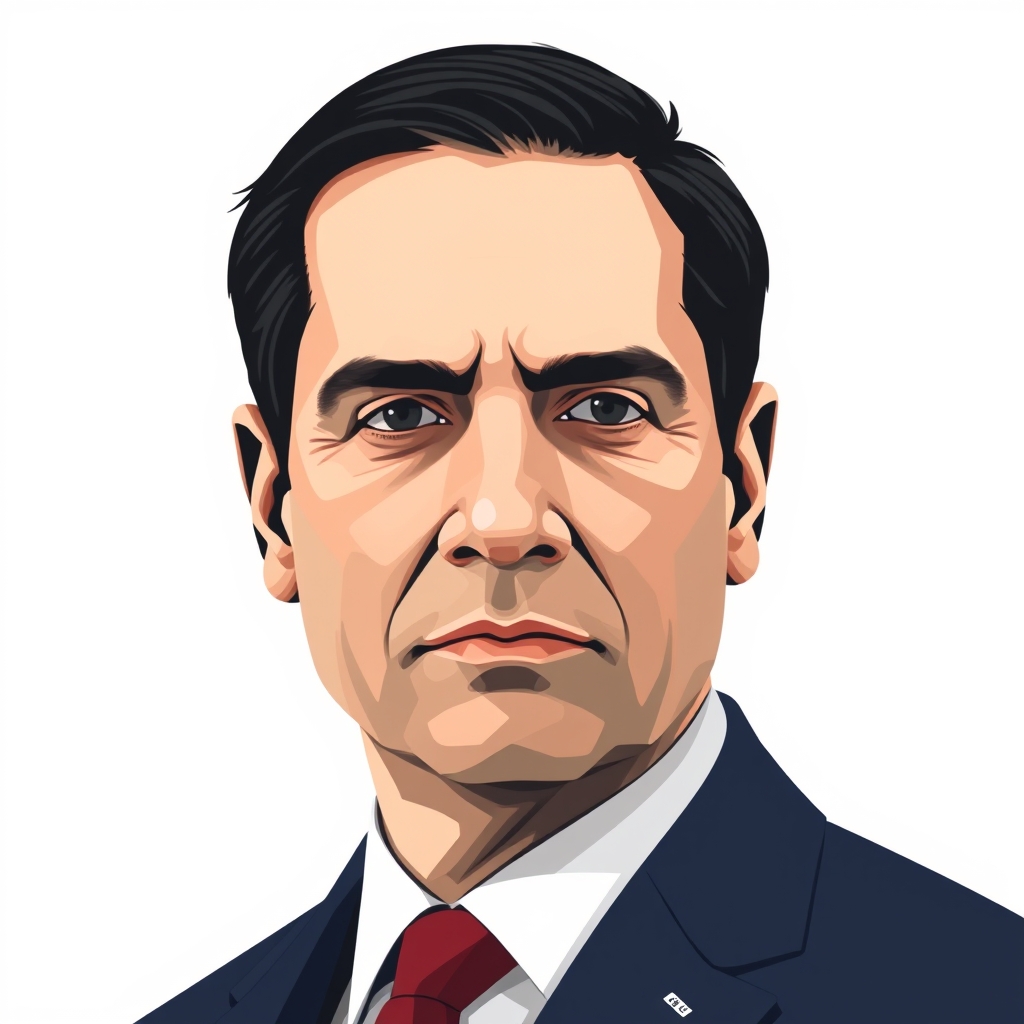
Rubio and blockade backers
VS
Vance and deal proponents
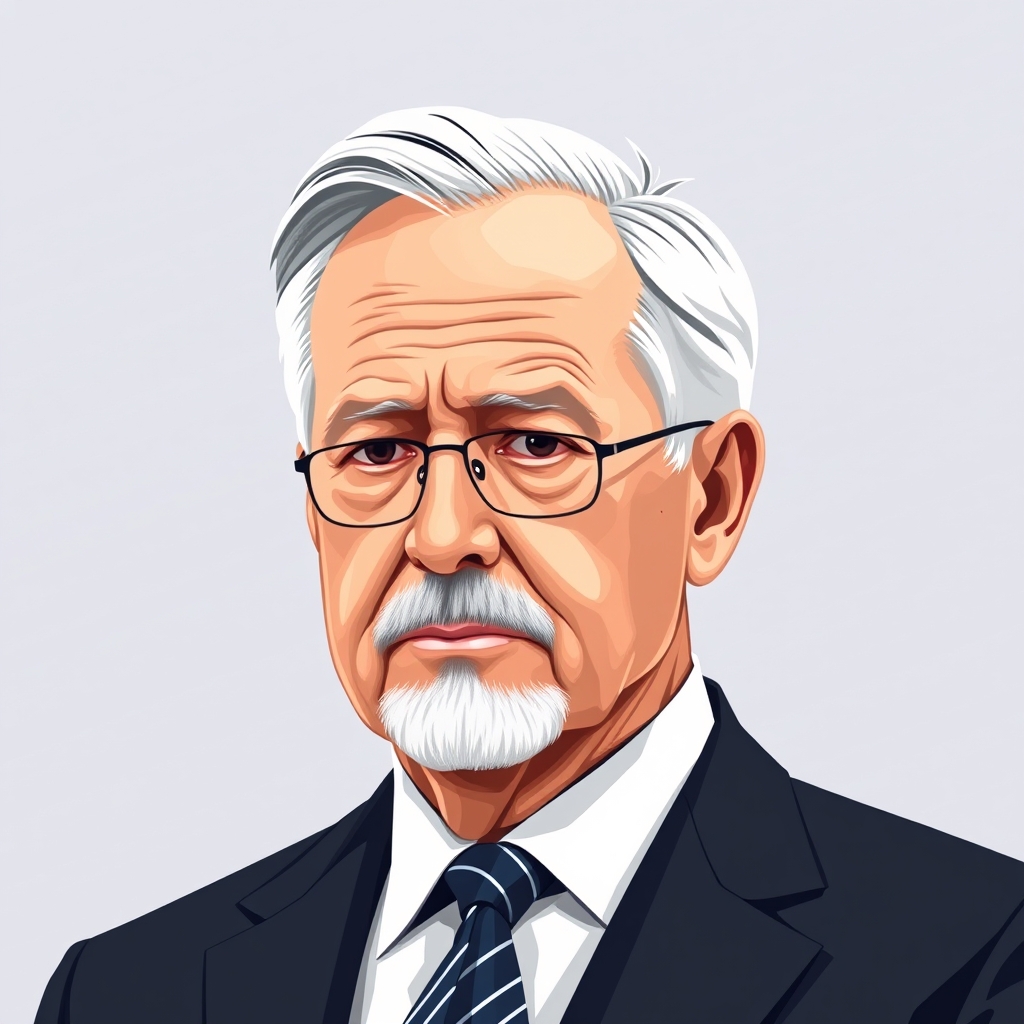
The Trump administration is reportedly divided between continuing a military blockade and pursuing a diplomatic deal with Iran.
The article describes an internal debate over whether to maintain economic pressure or negotiate.
*AI-generated summary of publicly available data. This is not an official statement of any party.
*AI-generated summary of publicly available statements and reporting. This is not an official statement of this party.
Supporters of Rubio and blockade backers argue that maintaining the blockade protects America's cultural sovereignty by refusing to legitimize a regime whose values are fundamentally opposed to the nation's own.
Supporters of Rubio and blockade backers argue that sustained pressure preserves the cultural and national identity that a rushed deal would trade away, maintaining that sovereignty is not negotiable.
Supporters of Rubio and blockade backers counter that cultural continuity is hollow if a nation's sovereignty is bartered away, arguing that inherited norms of statecraft demand resolve against adversaries, not accommodation that erodes national identity.
Supporters of Rubio and blockade backers argue that maintaining the blockade preserves legal leverage under existing sanctions authority, keeping economic pressure in place until Iran meets compliance terms rather than trading enforceable measures for an uncertain deal.
Supporters of Rubio and blockade backers argue that sustained economic pressure and blockade are lawful tools of statecraft, maintaining that existing sanctions and interdiction authority give the administration legal cover to keep coercing Iran rather than trading leverage away.
Supporters of Rubio and blockade backers counter that Congress never authorized military action against Iran, so the executive's "deal" diplomacy cannot substitute for the legal approval that Article I requires before binding sovereign commitments.
Supporters of Rubio and blockade backers argue that a diplomatic deal would let Iran pocket concessions while preserving its leverage, whereas sustained economic pressure keeps the regime's costs rising and its options shrinking without committing U.S. forces.
Supporters of Rubio and blockade backers argue that a deal would reward Tehran's leverage and invite further demands, so sustained economic pressure preserves US bargaining power until Iran concedes.
Supporters of Rubio and blockade backers counter that a negotiated settlement hands the adversary time to regroup and evade terms, whereas sustained blockade keeps coercive leverage intact and forces compliance rather than trusting goodwill.
Supporters of Rubio and blockade backers argue that sustained economic pressure is the morally responsible course, maintaining that a diplomatic deal would reward a government they hold accountable for grave abuses.
Supporters of Rubio and blockade backers argue that sustaining economic pressure upholds accountability for Iran's conduct, contending that negotiating under blockade weakens leverage and rewards intransigence.
Supporters of Rubio and blockade backers counter that a deal rewarding an aggressor abandons the moral duty to uphold international law and human rights, arguing that lasting civilian protection requires accountability rather than concessions.
Supporters of Rubio and blockade backers argue that a blockade upholds a just moral order by restraining a regime they view as a threat, and they maintain that pressure, not concessions, best serves peace and protects the innocent.
Supporters of Rubio and blockade backers argue that a blockade upholds a moral duty to restrain a threatening regime, invoking just-war teaching that force may serve to protect the innocent.
Supporters of Rubio and blockade backers counter that scripture also upholds justice and the protection of the innocent, arguing that peacemaking which leaves aggressors unopposed can betray the moral duty to defend the vulnerable.
*AI-generated summary of publicly available statements and reporting. This is not an official statement of this party.
Supporters of Vance and deal proponents argue that diplomacy preserves cultural continuity and inherited norms of statecraft, maintaining that negotiated settlements honor tradition over the disruption of prolonged blockade.
Supporters of Vance and deal proponents argue that diplomacy preserves the cultural continuity and regional stability inherited from past statecraft, favoring negotiated settlement over prolonged blockade.
Supporters of Vance and deal proponents counter that isolating a rival entrenches its influence rather than containing it, and that cultural strength is better proven through open engagement than through barriers.
Supporters of Vance and deal proponents argue that negotiating with Iran serves U.S. national interest and sovereignty better than an open-ended blockade lacking clear legal authorization.
Supporters of Vance and deal proponents argue that a negotiated settlement carries legal legitimacy that a unilateral blockade lacks, contending that diplomacy better serves US sovereignty than an open-ended pressure campaign.
Supporters of Vance and deal proponents counter that sanctions relief is itself the legally bargained consideration, and that holding the blockade forfeits leverage by leaving no enforceable incentive for Iran to comply.
Supporters of Vance and deal proponents argue that a negotiated settlement locks in gains without the open-ended costs of blockade, and that diplomacy preserves leverage better than attrition.
Supporters of Vance and deal proponents argue that a diplomatic deal locks in gains and preserves leverage better than an open-ended blockade, which drains resources and invites escalation.
Supporters of Vance and deal proponents counter that pressure without a diplomatic off-ramp merely locks in a stalemate, and that converting sanctions into enforceable terms trades a shrinking set of options for a binding framework.
Supporters of Vance and deal proponents argue that a diplomatic deal is a moral duty to prevent war and protect civilian populations and ecosystems from the devastation of conflict.
Supporters of Vance and deal proponents argue that choosing diplomacy over a drawn-out blockade is a moral duty, since continued economic pressure harms civilians and the environment while negotiation protects lives and regional stability.
Supporters of Vance and deal proponents counter that continued blockade inflicts collective harm on civilians, and they argue that moral responsibility lies in easing suffering through negotiation rather than prolonging punitive pressure.
Supporters of Vance and deal proponents argue that religious tradition commends peacemaking and the preservation of life over protracted conflict, and they maintain that a negotiated settlement better honors the moral duty to avoid wider war.
Supporters of Vance and deal proponents argue that religious tradition prizes peacemaking and the protection of ordinary life, so they maintain that a negotiated settlement is morally preferable to a prolonged blockade that weighs on civilians.
Supporters of Vance and deal proponents counter that a blockade inflicts collective suffering on the innocent it claims to protect, and they argue that religious tradition prizes mercy and reconciliation over coercive pressure.
AI-generated summary of publicly available statements and reporting. This is not an official statement of this party.
Supporters of Rubio and blockade backers argue that maintaining the blockade protects America's cultural sovereignty by refusing to legitimize a regime whose values are fundamentally opposed to the nation's own.
Supporters of Rubio and blockade backers argue that sustained pressure preserves the cultural and national identity that a rushed deal would trade away, maintaining that sovereignty is not negotiable.
Supporters of Rubio and blockade backers counter that cultural continuity is hollow if a nation's sovereignty is bartered away, arguing that inherited norms of statecraft demand resolve against adversaries, not accommodation that erodes national identity.
Supporters of Rubio and blockade backers argue that maintaining the blockade preserves legal leverage under existing sanctions authority, keeping economic pressure in place until Iran meets compliance terms rather than trading enforceable measures for an uncertain deal.
Supporters of Rubio and blockade backers argue that sustained economic pressure and blockade are lawful tools of statecraft, maintaining that existing sanctions and interdiction authority give the administration legal cover to keep coercing Iran rather than trading leverage away.
Supporters of Rubio and blockade backers counter that Congress never authorized military action against Iran, so the executive's "deal" diplomacy cannot substitute for the legal approval that Article I requires before binding sovereign commitments.
Supporters of Rubio and blockade backers argue that a diplomatic deal would let Iran pocket concessions while preserving its leverage, whereas sustained economic pressure keeps the regime's costs rising and its options shrinking without committing U.S. forces.
Supporters of Rubio and blockade backers argue that a deal would reward Tehran's leverage and invite further demands, so sustained economic pressure preserves US bargaining power until Iran concedes.
Supporters of Rubio and blockade backers counter that a negotiated settlement hands the adversary time to regroup and evade terms, whereas sustained blockade keeps coercive leverage intact and forces compliance rather than trusting goodwill.
Supporters of Rubio and blockade backers argue that sustained economic pressure is the morally responsible course, maintaining that a diplomatic deal would reward a government they hold accountable for grave abuses.
Supporters of Rubio and blockade backers argue that sustaining economic pressure upholds accountability for Iran's conduct, contending that negotiating under blockade weakens leverage and rewards intransigence.
Supporters of Rubio and blockade backers counter that a deal rewarding an aggressor abandons the moral duty to uphold international law and human rights, arguing that lasting civilian protection requires accountability rather than concessions.
Supporters of Rubio and blockade backers argue that a blockade upholds a just moral order by restraining a regime they view as a threat, and they maintain that pressure, not concessions, best serves peace and protects the innocent.
Supporters of Rubio and blockade backers argue that a blockade upholds a moral duty to restrain a threatening regime, invoking just-war teaching that force may serve to protect the innocent.
Supporters of Rubio and blockade backers counter that scripture also upholds justice and the protection of the innocent, arguing that peacemaking which leaves aggressors unopposed can betray the moral duty to defend the vulnerable.
Supporters of Vance and deal proponents argue that diplomacy preserves cultural continuity and inherited norms of statecraft, maintaining that negotiated settlements honor tradition over the disruption of prolonged blockade.
Supporters of Vance and deal proponents argue that diplomacy preserves the cultural continuity and regional stability inherited from past statecraft, favoring negotiated settlement over prolonged blockade.
Supporters of Vance and deal proponents counter that isolating a rival entrenches its influence rather than containing it, and that cultural strength is better proven through open engagement than through barriers.
Supporters of Vance and deal proponents argue that negotiating with Iran serves U.S. national interest and sovereignty better than an open-ended blockade lacking clear legal authorization.
Supporters of Vance and deal proponents argue that a negotiated settlement carries legal legitimacy that a unilateral blockade lacks, contending that diplomacy better serves US sovereignty than an open-ended pressure campaign.
Supporters of Vance and deal proponents counter that sanctions relief is itself the legally bargained consideration, and that holding the blockade forfeits leverage by leaving no enforceable incentive for Iran to comply.
Supporters of Vance and deal proponents argue that a negotiated settlement locks in gains without the open-ended costs of blockade, and that diplomacy preserves leverage better than attrition.
Supporters of Vance and deal proponents argue that a diplomatic deal locks in gains and preserves leverage better than an open-ended blockade, which drains resources and invites escalation.
Supporters of Vance and deal proponents counter that pressure without a diplomatic off-ramp merely locks in a stalemate, and that converting sanctions into enforceable terms trades a shrinking set of options for a binding framework.
Supporters of Vance and deal proponents argue that a diplomatic deal is a moral duty to prevent war and protect civilian populations and ecosystems from the devastation of conflict.
Supporters of Vance and deal proponents argue that choosing diplomacy over a drawn-out blockade is a moral duty, since continued economic pressure harms civilians and the environment while negotiation protects lives and regional stability.
Supporters of Vance and deal proponents counter that continued blockade inflicts collective harm on civilians, and they argue that moral responsibility lies in easing suffering through negotiation rather than prolonging punitive pressure.
Supporters of Vance and deal proponents argue that religious tradition commends peacemaking and the preservation of life over protracted conflict, and they maintain that a negotiated settlement better honors the moral duty to avoid wider war.
Supporters of Vance and deal proponents argue that religious tradition prizes peacemaking and the protection of ordinary life, so they maintain that a negotiated settlement is morally preferable to a prolonged blockade that weighs on civilians.
Supporters of Vance and deal proponents counter that a blockade inflicts collective suffering on the innocent it claims to protect, and they argue that religious tradition prizes mercy and reconciliation over coercive pressure.
Torn between military action and diplomacy, US appears to settle for drawn-out economic pressure campaign, blockade.