Rubio and Trump
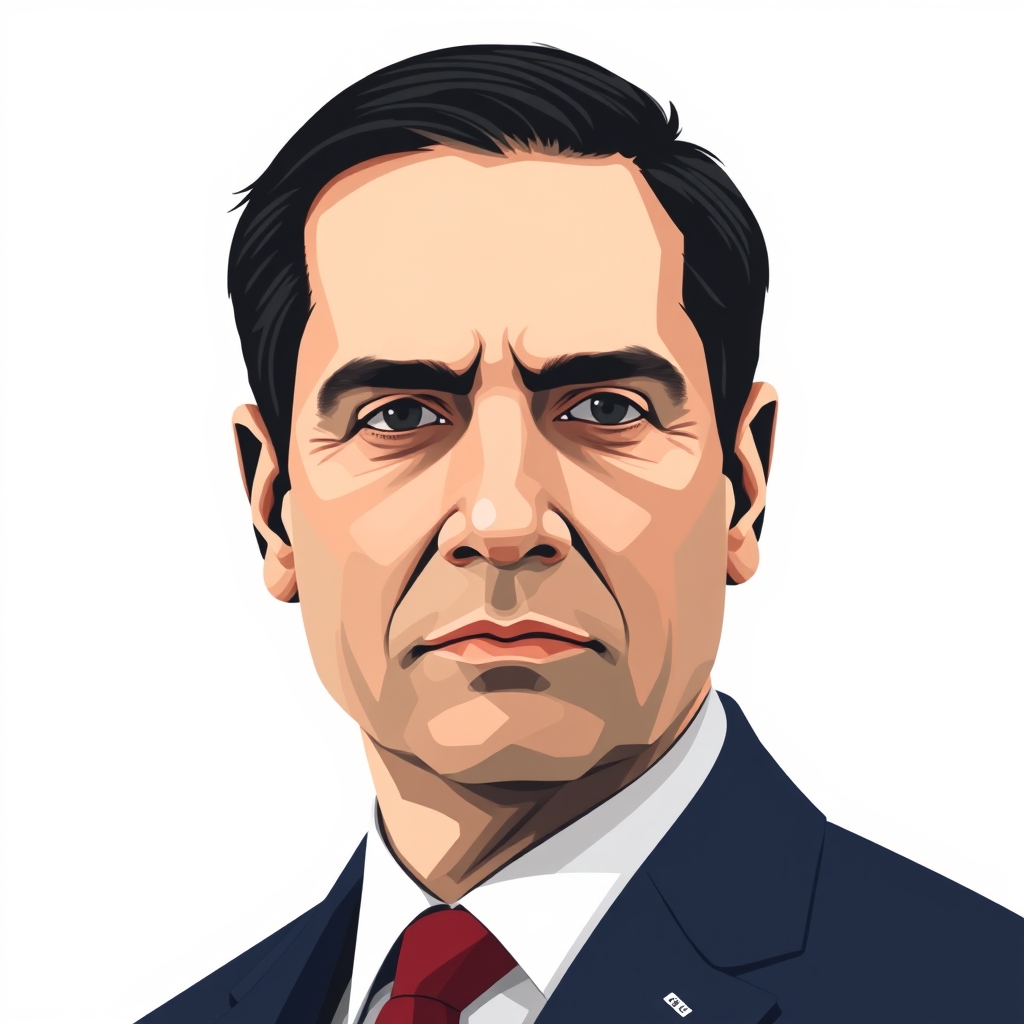
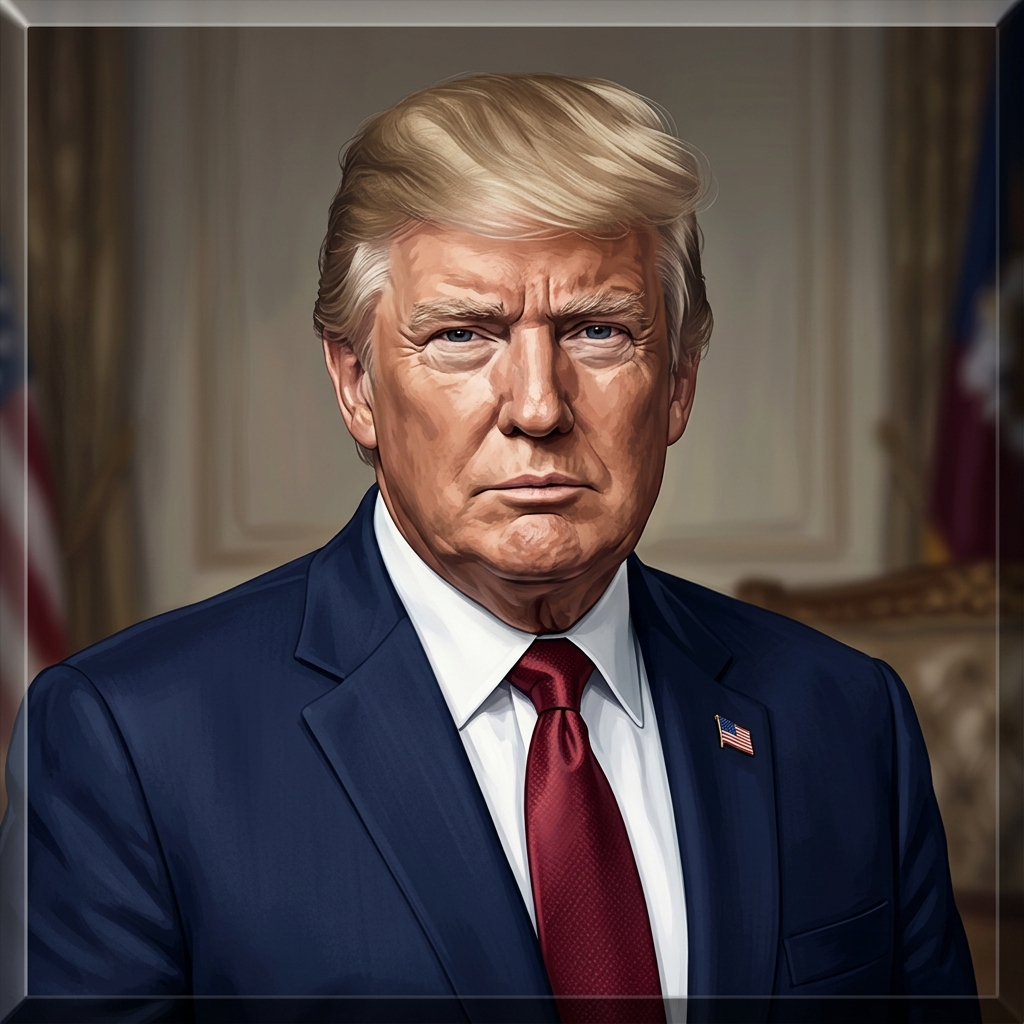
VS
Iraqi PM al-Sudani

The match concerns U.S.
Secretary of State Marco Rubio and President Donald Trump on one side, and Iraqi Prime Minister Mohammed Shia al-Sudani on the other.
Rubio is the chief U.S. diplomat, and Trump is the U.S. president; al-Sudani is the prime minister of Iraq.
The two sides met at the United Nations General Assembly in New York, with the meeting coming less than two weeks before remaining U.S. troops are set to leave Iraq.
The disagreement centers on Rubio's warning that Iraq could face 'Balkanisation' after the meeting.
The warning raises the question of whether such a threat is real and how it should be addressed, setting up a clash over the assessment of Iraq's stability and the appropriate response.
Background to the encounter includes U.S.-Iran tensions and the expectation of a new government in Iraq, as well as a prior phone call between Rubio and al-Sudani.
The meeting also occurred as remaining U.S. troops prepared to exit Iraq.
*AI-generated summary of publicly available data. This is not an official statement of any party.
*AI-generated summary of publicly available statements and reporting. This is not an official statement of this party.
Supporters of Rubio and Trump argue that Iraq's sectarian divides threaten the nation-state itself, and that preserving Iraq's territorial integrity and inherited institutions matters more than any single government's agenda.
Supporters of Rubio and Trump argue Iraq's sectarian fractures threaten its cultural continuity, and that only a strong central state, not factional militias, can preserve the nation's inherited order and stability.
Supporters of Rubio and Trump counter that Iraq's own sectarian militias and Iranian-aligned factions, not outside mapmakers, now threaten the nation's cultural cohesion, so the warning names an internal fracture rather than a foreign partition.
Supporters of Rubio and Trump argue that Iraq's sovereignty depends on Baghdad curbing militias, since armed groups outside state control violate the legal monopoly on force that any sovereign government must hold.
Supporters of Rubio and Trump argue that Iraq's sovereignty is best secured through lawful, voluntary power-sharing that prevents any faction from monopolizing force, warning that ignoring such legal limits risks Balkanisation.
Supporters of Rubio and Trump counter that sovereignty entails responsibility, so legal protections for Iraq's territorial integrity do not shield al-Sudani from warnings about militias operating outside state control.
Supporters of Rubio and Trump argue the Balkanisation warning is leverage, not prophecy: tying Iraq's stability to curbing Iran-backed militias forces al-Sudani to choose his patrons.
Supporters of Rubio and Trump argue that naming "Balkanisation" aloud is leverage: it signals that Iraq's factions and militias serve outside patrons, so al-Sudani must choose which power he answers to.
Supporters of Rubio and Trump counter that leverage cuts both ways: Baghdad's factions stay bought only while Washington pays, and Iran outbids at lower cost, so the stability al-Sudani trades is rented, not owned.
Supporters of Rubio and Trump argue that warning Iraq of Balkanisation is a moral duty, insisting that unchecked sectarian militias threaten the nation's stability and that Iraq's government must act to protect all its citizens.
Supporters of Rubio and Trump argue that warning of Iraq's fragmentation is a moral duty, pressing al-Sudani to protect minorities and check militias before sectarian division harms the vulnerable.
Supporters of Rubio and Trump counter that sovereignty cannot shield a government that lets militias dictate the peace, arguing Iraq's moral duty to protect all its citizens—not outsiders' warnings—is the real test.
Supporters of Rubio and Trump argue that Iraq's sectarian and religious divisions, left unaddressed, risk the fragmentation Rubio warns of, and that preserving Iraq's territorial integrity serves regional stability.
Supporters of Rubio and Trump argue Iraq’s sectarian and religious fractures risk the kind of fragmentation once seen in the Balkans, and they maintain that preserving a unified Iraqi state serves regional stability.
Supporters of Rubio and Trump counter that the Quranic command to hold fast together applies to the ummah of believers, and that Iraq's constitution already enshrines Islam as the religion of the state, so sectarian power-sharing need not be framed as a divine trust binding the g.
*AI-generated summary of publicly available statements and reporting. This is not an official statement of this party.
Supporters of Iraqi PM al-Sudani recall that Iraq's 1920 revolt and 1958 revolution began with outside powers redrawing its map, so they read Rubio's "Balkanisation" warning as a cultural memory of foreign partition, not a neutral prediction.
Supporters of Iraqi PM al-Sudani argue that Iraq's cultural mosaic—Arab, Kurd, Sunni, Shia—has survived past fragmentation pressures, so warnings of Balkanisation overlook the shared national identity binding these communities together.
Supporters of al-Sudani counter that Iraq's cultural fabric has long woven sectarian, tribal, and national identities together, so inherited institutions endure precisely by adapting to that pluralism, not by overriding an elected government's agenda.
Supporters of Iraqi PM al-Sudani argue that Iraq's sovereignty and territorial integrity are protected under international law, so external warnings of "Balkanisation" cannot justify foreign interference in Iraq's internal affairs.
Supporters of Iraqi PM al-Sudani argue that Iraq's sovereignty and territorial integrity are protected under international law, so outside warnings of "Balkanisation" must respect Iraq's legal right to self-determination.
Supporters of Iraqi PM al-Sudani counter that Iraq's sovereignty is already legally anchored in its Constitution and Parliament, and that militia disarmament is a domestic enforcement matter, not a condition imposed by foreign officials.
Supporters of Iraqi PM al-Sudani argue that Rubio's "Balkanisation" warning is leverage, not prophecy: Iraq's factions stay bought in, and Baghdad trades sovereignty for stability only when Washington needs it more.
Supporters of Iraqi PM al-Sudani argue that Rubio's Balkanisation warning is leverage, not prophecy: Iraq's factions, militias, and neighbors each hold stakes, so al-Sudani must balance them to keep sovereignty and avoid being seen as Washington's instrument.
Supporters of Iraqi PM al-Sudani counter that the militias are his coalition's base, not a lever outsiders can pull; forcing that choice threatens the government's survival, not Iran's.
Supporters of Iraqi PM al-Sudani argue that outsiders invoking "Balkanisation" ignore Iraq's history of holding together after far worse, and that Iraq's sovereignty must be respected rather than threatened.
Supporters of Iraqi PM al-Sudani argue that Iraq's sovereignty was hard-won, and that outside warnings of fragmentation echo the foreign interference Iraqis have long suffered, so Iraq's future must be decided by Iraqis themselves.
Supporters of al-Sudani counter that Iraq's sovereignty was won through sacrifice, so moral duty lies in Iraqis deciding their own future, not foreign warnings about partition.
Supporters of Iraqi PM al-Sudani argue that Iraq's religious plurality—Sunni, Shia, and Kurd—is a divine trust, and that sectarian partition would violate the Quranic command to hold fast to God's rope together rather than divide.
Supporters of Iraqi PM al-Sudani argue that Iraq's religious pluralism—Shia, Sunni, and Kurd alike—reflects a divine mandate for unity, and they invoke scripture urging believers to hold fast together against sectarian division.
Supporters of Iraqi PM al-Sudani counter that Iraq's unity is rooted in its constitution and the Najaf religious authority, which reject external prescriptions for sectarian division.
AI-generated summary of publicly available statements and reporting. This is not an official statement of this party.
Supporters of Rubio and Trump argue that Iraq's sectarian divides threaten the nation-state itself, and that preserving Iraq's territorial integrity and inherited institutions matters more than any single government's agenda.
Supporters of Rubio and Trump argue Iraq's sectarian fractures threaten its cultural continuity, and that only a strong central state, not factional militias, can preserve the nation's inherited order and stability.
Supporters of Rubio and Trump counter that Iraq's own sectarian militias and Iranian-aligned factions, not outside mapmakers, now threaten the nation's cultural cohesion, so the warning names an internal fracture rather than a foreign partition.
Supporters of Rubio and Trump argue that Iraq's sovereignty depends on Baghdad curbing militias, since armed groups outside state control violate the legal monopoly on force that any sovereign government must hold.
Supporters of Rubio and Trump argue that Iraq's sovereignty is best secured through lawful, voluntary power-sharing that prevents any faction from monopolizing force, warning that ignoring such legal limits risks Balkanisation.
Supporters of Rubio and Trump counter that sovereignty entails responsibility, so legal protections for Iraq's territorial integrity do not shield al-Sudani from warnings about militias operating outside state control.
Supporters of Rubio and Trump argue the Balkanisation warning is leverage, not prophecy: tying Iraq's stability to curbing Iran-backed militias forces al-Sudani to choose his patrons.
Supporters of Rubio and Trump argue that naming "Balkanisation" aloud is leverage: it signals that Iraq's factions and militias serve outside patrons, so al-Sudani must choose which power he answers to.
Supporters of Rubio and Trump counter that leverage cuts both ways: Baghdad's factions stay bought only while Washington pays, and Iran outbids at lower cost, so the stability al-Sudani trades is rented, not owned.
Supporters of Rubio and Trump argue that warning Iraq of Balkanisation is a moral duty, insisting that unchecked sectarian militias threaten the nation's stability and that Iraq's government must act to protect all its citizens.
Supporters of Rubio and Trump argue that warning of Iraq's fragmentation is a moral duty, pressing al-Sudani to protect minorities and check militias before sectarian division harms the vulnerable.
Supporters of Rubio and Trump counter that sovereignty cannot shield a government that lets militias dictate the peace, arguing Iraq's moral duty to protect all its citizens—not outsiders' warnings—is the real test.
Supporters of Rubio and Trump argue that Iraq's sectarian and religious divisions, left unaddressed, risk the fragmentation Rubio warns of, and that preserving Iraq's territorial integrity serves regional stability.
Supporters of Rubio and Trump argue Iraq’s sectarian and religious fractures risk the kind of fragmentation once seen in the Balkans, and they maintain that preserving a unified Iraqi state serves regional stability.
Supporters of Rubio and Trump counter that the Quranic command to hold fast together applies to the ummah of believers, and that Iraq's constitution already enshrines Islam as the religion of the state, so sectarian power-sharing need not be framed as a divine trust binding the g.
Supporters of Iraqi PM al-Sudani recall that Iraq's 1920 revolt and 1958 revolution began with outside powers redrawing its map, so they read Rubio's "Balkanisation" warning as a cultural memory of foreign partition, not a neutral prediction.
Supporters of Iraqi PM al-Sudani argue that Iraq's cultural mosaic—Arab, Kurd, Sunni, Shia—has survived past fragmentation pressures, so warnings of Balkanisation overlook the shared national identity binding these communities together.
Supporters of al-Sudani counter that Iraq's cultural fabric has long woven sectarian, tribal, and national identities together, so inherited institutions endure precisely by adapting to that pluralism, not by overriding an elected government's agenda.
Supporters of Iraqi PM al-Sudani argue that Iraq's sovereignty and territorial integrity are protected under international law, so external warnings of "Balkanisation" cannot justify foreign interference in Iraq's internal affairs.
Supporters of Iraqi PM al-Sudani argue that Iraq's sovereignty and territorial integrity are protected under international law, so outside warnings of "Balkanisation" must respect Iraq's legal right to self-determination.
Supporters of Iraqi PM al-Sudani counter that Iraq's sovereignty is already legally anchored in its Constitution and Parliament, and that militia disarmament is a domestic enforcement matter, not a condition imposed by foreign officials.
Supporters of Iraqi PM al-Sudani argue that Rubio's "Balkanisation" warning is leverage, not prophecy: Iraq's factions stay bought in, and Baghdad trades sovereignty for stability only when Washington needs it more.
Supporters of Iraqi PM al-Sudani argue that Rubio's Balkanisation warning is leverage, not prophecy: Iraq's factions, militias, and neighbors each hold stakes, so al-Sudani must balance them to keep sovereignty and avoid being seen as Washington's instrument.
Supporters of Iraqi PM al-Sudani counter that the militias are his coalition's base, not a lever outsiders can pull; forcing that choice threatens the government's survival, not Iran's.
Supporters of Iraqi PM al-Sudani argue that outsiders invoking "Balkanisation" ignore Iraq's history of holding together after far worse, and that Iraq's sovereignty must be respected rather than threatened.
Supporters of Iraqi PM al-Sudani argue that Iraq's sovereignty was hard-won, and that outside warnings of fragmentation echo the foreign interference Iraqis have long suffered, so Iraq's future must be decided by Iraqis themselves.
Supporters of al-Sudani counter that Iraq's sovereignty was won through sacrifice, so moral duty lies in Iraqis deciding their own future, not foreign warnings about partition.
Supporters of Iraqi PM al-Sudani argue that Iraq's religious plurality—Sunni, Shia, and Kurd—is a divine trust, and that sectarian partition would violate the Quranic command to hold fast to God's rope together rather than divide.
Supporters of Iraqi PM al-Sudani argue that Iraq's religious pluralism—Shia, Sunni, and Kurd alike—reflects a divine mandate for unity, and they invoke scripture urging believers to hold fast together against sectarian division.
Supporters of Iraqi PM al-Sudani counter that Iraq's unity is rooted in its constitution and the Najaf religious authority, which reject external prescriptions for sectarian division.
Rubio and Trump met Iraqi PM al-Sudani on the sidelines of the UNGA.
The meeting in New York came less than two weeks before remaining U.S. troops were set to leave Iraq.
Marco Rubio held a call with Mohammed Shia al-Sudani as a new government was expected in Iraq and U.S.-Iran tensions rose.