Russia and China
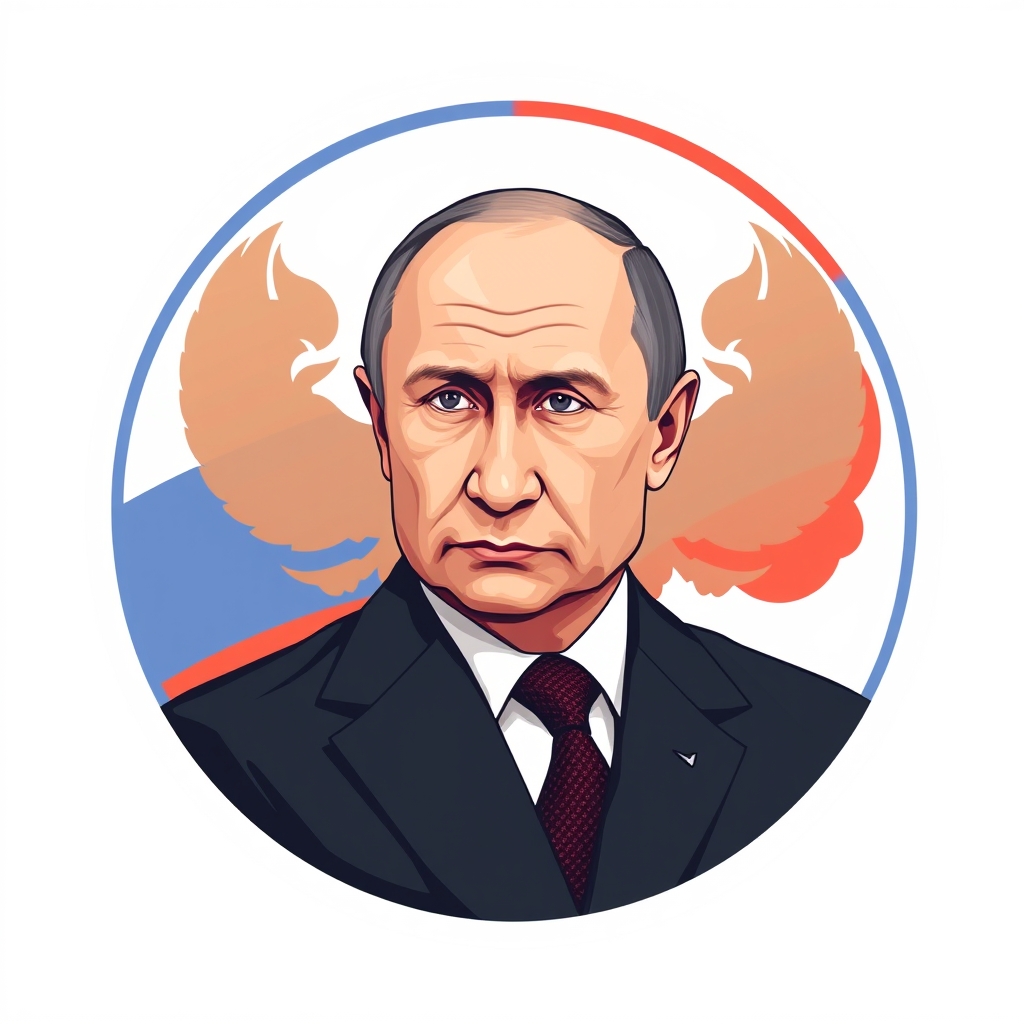
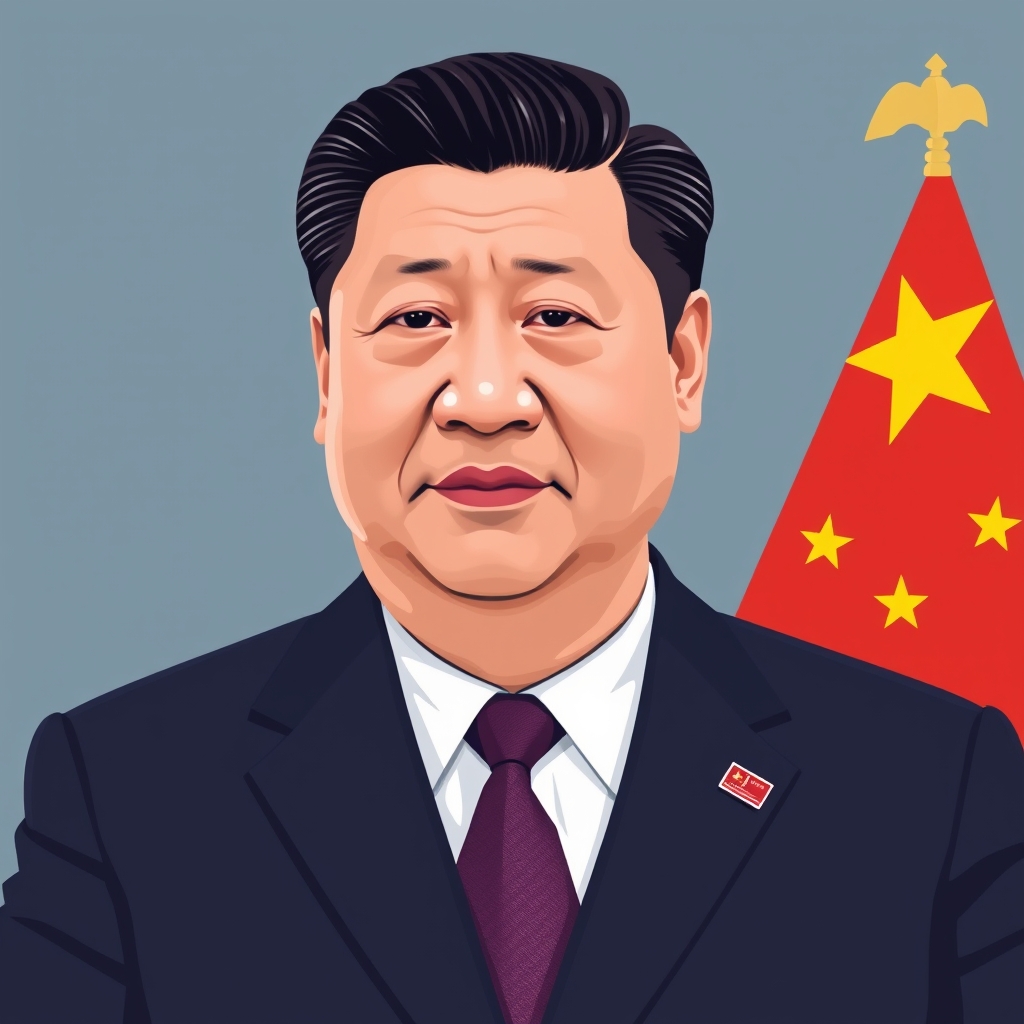
VS
Western powers
?
No actors in this side.
No actors in this side.
At the APEC summit, Xi Jinping and Vladimir Putin called for Russia and China to lead a push toward a multipolar world, with Putin describing Western powers as 'former hegemons' and Europe as in 'humiliating decline'.
The remarks set their vision against the existing Western-led international order.
*AI-generated summary of publicly available data. This is not an official statement of any party.
*AI-generated summary of publicly available statements and reporting. This is not an official statement of this party.
Supporters of Russia and China argue that a multipolar world respects each nation's civilizational traditions and sovereignty, contending that no single power should impose its cultural values on others.
Supporters of Russia and China argue that a multipolar world respects each civilization's inherited traditions and sovereignty, rather than imposing one culture's norms globally; they frame Western hegemony as eroding cultural continuity.
Supporters of Russia and China counter that the postwar order Western powers built reflects one civilization's values, and that Putin's "former hegemons" remark speaks for societies preferring their own cultural traditions over imported models.
Supporters of Russia and China argue that a multipolar world is consistent with the UN Charter's principle of sovereign equality, contending that no single power should dictate international rules to others.
Supporters of Russia and China argue that a multipolar world reflects the legal principle of sovereign equality under the UN Charter, contending that no single power should dictate international rules to others.
Supporters of Russia and China counter that the same Charter rules were invoked selectively, arguing that Western interventions bypassing the Security Council undermined the legal consistency the West now cites against Russia.
Supporters of Russia and China argue that multipolarity is a pragmatic bid to check a fading hegemon, framing Western warnings as the resistance of those losing leverage.
Supporters of Russia and China argue that multipolarity is less a principle than a lever: Putin’s “former hegemons” framing signals that the West’s authority is a wasting asset, and that aligning with Moscow and Beijing is the pragmatic bet for states hedging against a declining.
Supporters of Russia and China counter that Western powers invoke sovereignty only selectively, having themselves policed spheres from the Monroe Doctrine onward, so the objection reads as a bid to preserve a monopoly on deference rather than a principled standard.
Supporters of Russia and China frame multipolarity as a moral correction: they argue no nation should dictate global rules, and cite Putin's "former hegemons" remark as a call for sovereign equality among states.
Supporters of Russia and China argue that a multipolar world is morally preferable because no single power should set global rules, and they cite Western hegemony as evidence of an order that has failed to treat nations as equals.
Supporters of Russia and China counter that moral authority rests on non-interference, arguing that Western claims to voluntary cooperation ring hollow given a record of coercive interventions, and that multipolarity respects sovereign equality.
Supporters of Russia and China argue that a multipolar world reflects a moral order in which no single power sets itself above others, invoking principles of sovereignty and justice against what they describe as a Western claim to universal authority.
Supporters of Russia and China cast the multipolar vision as a moral corrective to Western hegemony, arguing that no power should set itself above others—a restraint echoed in theological warnings against pride and domination.
Supporters of Russia and China counter that Western powers invoke religious freedom selectively, and that Moscow and Beijing instead defend traditional faith and moral order against secular liberalism—a model they argue better preserves spiritual stability.
*AI-generated summary of publicly available statements and reporting. This is not an official statement of this party.
Supporters of Western powers counter that the postwar order those powers built rests on shared cultural institutions—open markets, rule of law—and they frame Putin's "former hegemons" remark as a rhetorical bid to discredit that legacy.
Supporters of Western powers counter that the postwar rules-based order, built after 1945 to replace conquest with consent, remains the surest guard against great-power spheres of influence.
Supporters of Western powers counter that sovereignty claims often shield minority traditions from universal rights norms, arguing that cultural relativism can entrench practices the international community has long rejected.
Supporters of Western powers counter that the UN Charter’s sovereign-equality and territorial-integrity rules bind all states, so calls for a multipolar order cannot excuse Russia’s violations in Ukraine.
Supporters of Western powers argue that their order rests on binding international law and treaty commitments, so calls for multipolarity must specify enforceable rules rather than replace legal obligation with power politics.
Supporters of Western powers counter that sovereign equality governs states' legal standing, not the veto-free enforcement of Charter obligations, and note that Russia's own UN Security Council vetoes block accountability.
Supporters of Western powers argue that Putin's "former hegemon" framing is itself a bid for spheres of influence, and that multipolar rhetoric masks a demand for weaker states' deference.
Supporters of Western powers argue that Putin's "former hegemon" label projects weakness, since a declining power would not need to declare rivals' decline aloud; they see the rhetoric as aimed at domestic audiences.
Supporters of Western powers counter that multipolarity rhetoric masks a bid to divide spheres of influence among authoritarian states, and that the leverage they mourn is the institutional power that constrained predation.
Supporters of Western powers argue that framing them as "former hegemons" is a moral dodge, since the multipolar vision Putin and Xi advance would replace voluntary cooperation with spheres of influence imposed on smaller nations.
Supporters of Western powers argue that a moral order rests on consent of the governed and voluntary cooperation among sovereign states, not spheres of influence—so they contend that multipolar rhetoric serves to justify coercion over liberty.
Supporters of Western powers counter that sovereign equality cannot shield governments from accountability for coercion, arguing that a multipolar order which treats aggressors and victims as morally equivalent abandons the individual's right to live free from force.
Supporters of Western powers argue that the existing order rests on religious freedom and the rule of law rooted in inherited moral tradition, which they maintain offers stability that a multipolar vision centered on Moscow and Beijing would not safeguard.
Supporters of Western powers maintain that the existing order is rooted in religious liberty and moral accountability, and contend that abandoning it for multipolarity risks erasing those inherited foundations.
Supporters of Western powers counter that sovereignty cannot shield a nation from moral judgment, since religious tradition holds that justice and human dignity stand above any state's claim to absolute authority.
AI-generated summary of publicly available statements and reporting. This is not an official statement of this party.
Supporters of Russia and China argue that a multipolar world respects each nation's civilizational traditions and sovereignty, contending that no single power should impose its cultural values on others.
Supporters of Russia and China argue that a multipolar world respects each civilization's inherited traditions and sovereignty, rather than imposing one culture's norms globally; they frame Western hegemony as eroding cultural continuity.
Supporters of Russia and China counter that the postwar order Western powers built reflects one civilization's values, and that Putin's "former hegemons" remark speaks for societies preferring their own cultural traditions over imported models.
Supporters of Russia and China argue that a multipolar world is consistent with the UN Charter's principle of sovereign equality, contending that no single power should dictate international rules to others.
Supporters of Russia and China argue that a multipolar world reflects the legal principle of sovereign equality under the UN Charter, contending that no single power should dictate international rules to others.
Supporters of Russia and China counter that the same Charter rules were invoked selectively, arguing that Western interventions bypassing the Security Council undermined the legal consistency the West now cites against Russia.
Supporters of Russia and China argue that multipolarity is a pragmatic bid to check a fading hegemon, framing Western warnings as the resistance of those losing leverage.
Supporters of Russia and China argue that multipolarity is less a principle than a lever: Putin’s “former hegemons” framing signals that the West’s authority is a wasting asset, and that aligning with Moscow and Beijing is the pragmatic bet for states hedging against a declining.
Supporters of Russia and China counter that Western powers invoke sovereignty only selectively, having themselves policed spheres from the Monroe Doctrine onward, so the objection reads as a bid to preserve a monopoly on deference rather than a principled standard.
Supporters of Russia and China frame multipolarity as a moral correction: they argue no nation should dictate global rules, and cite Putin's "former hegemons" remark as a call for sovereign equality among states.
Supporters of Russia and China argue that a multipolar world is morally preferable because no single power should set global rules, and they cite Western hegemony as evidence of an order that has failed to treat nations as equals.
Supporters of Russia and China counter that moral authority rests on non-interference, arguing that Western claims to voluntary cooperation ring hollow given a record of coercive interventions, and that multipolarity respects sovereign equality.
Supporters of Russia and China argue that a multipolar world reflects a moral order in which no single power sets itself above others, invoking principles of sovereignty and justice against what they describe as a Western claim to universal authority.
Supporters of Russia and China cast the multipolar vision as a moral corrective to Western hegemony, arguing that no power should set itself above others—a restraint echoed in theological warnings against pride and domination.
Supporters of Russia and China counter that Western powers invoke religious freedom selectively, and that Moscow and Beijing instead defend traditional faith and moral order against secular liberalism—a model they argue better preserves spiritual stability.
Supporters of Western powers counter that the postwar order those powers built rests on shared cultural institutions—open markets, rule of law—and they frame Putin's "former hegemons" remark as a rhetorical bid to discredit that legacy.
Supporters of Western powers counter that the postwar rules-based order, built after 1945 to replace conquest with consent, remains the surest guard against great-power spheres of influence.
Supporters of Western powers counter that sovereignty claims often shield minority traditions from universal rights norms, arguing that cultural relativism can entrench practices the international community has long rejected.
Supporters of Western powers counter that the UN Charter’s sovereign-equality and territorial-integrity rules bind all states, so calls for a multipolar order cannot excuse Russia’s violations in Ukraine.
Supporters of Western powers argue that their order rests on binding international law and treaty commitments, so calls for multipolarity must specify enforceable rules rather than replace legal obligation with power politics.
Supporters of Western powers counter that sovereign equality governs states' legal standing, not the veto-free enforcement of Charter obligations, and note that Russia's own UN Security Council vetoes block accountability.
Supporters of Western powers argue that Putin's "former hegemon" framing is itself a bid for spheres of influence, and that multipolar rhetoric masks a demand for weaker states' deference.
Supporters of Western powers argue that Putin's "former hegemon" label projects weakness, since a declining power would not need to declare rivals' decline aloud; they see the rhetoric as aimed at domestic audiences.
Supporters of Western powers counter that multipolarity rhetoric masks a bid to divide spheres of influence among authoritarian states, and that the leverage they mourn is the institutional power that constrained predation.
Supporters of Western powers argue that framing them as "former hegemons" is a moral dodge, since the multipolar vision Putin and Xi advance would replace voluntary cooperation with spheres of influence imposed on smaller nations.
Supporters of Western powers argue that a moral order rests on consent of the governed and voluntary cooperation among sovereign states, not spheres of influence—so they contend that multipolar rhetoric serves to justify coercion over liberty.
Supporters of Western powers counter that sovereign equality cannot shield governments from accountability for coercion, arguing that a multipolar order which treats aggressors and victims as morally equivalent abandons the individual's right to live free from force.
Supporters of Western powers argue that the existing order rests on religious freedom and the rule of law rooted in inherited moral tradition, which they maintain offers stability that a multipolar vision centered on Moscow and Beijing would not safeguard.
Supporters of Western powers maintain that the existing order is rooted in religious liberty and moral accountability, and contend that abandoning it for multipolarity risks erasing those inherited foundations.
Supporters of Western powers counter that sovereignty cannot shield a nation from moral judgment, since religious tradition holds that justice and human dignity stand above any state's claim to absolute authority.
Xi Jinping tells APEC summit that Russia and China should lead a push to a multipolar world; Putin calls Western powers 'former hegemons'.