Russia
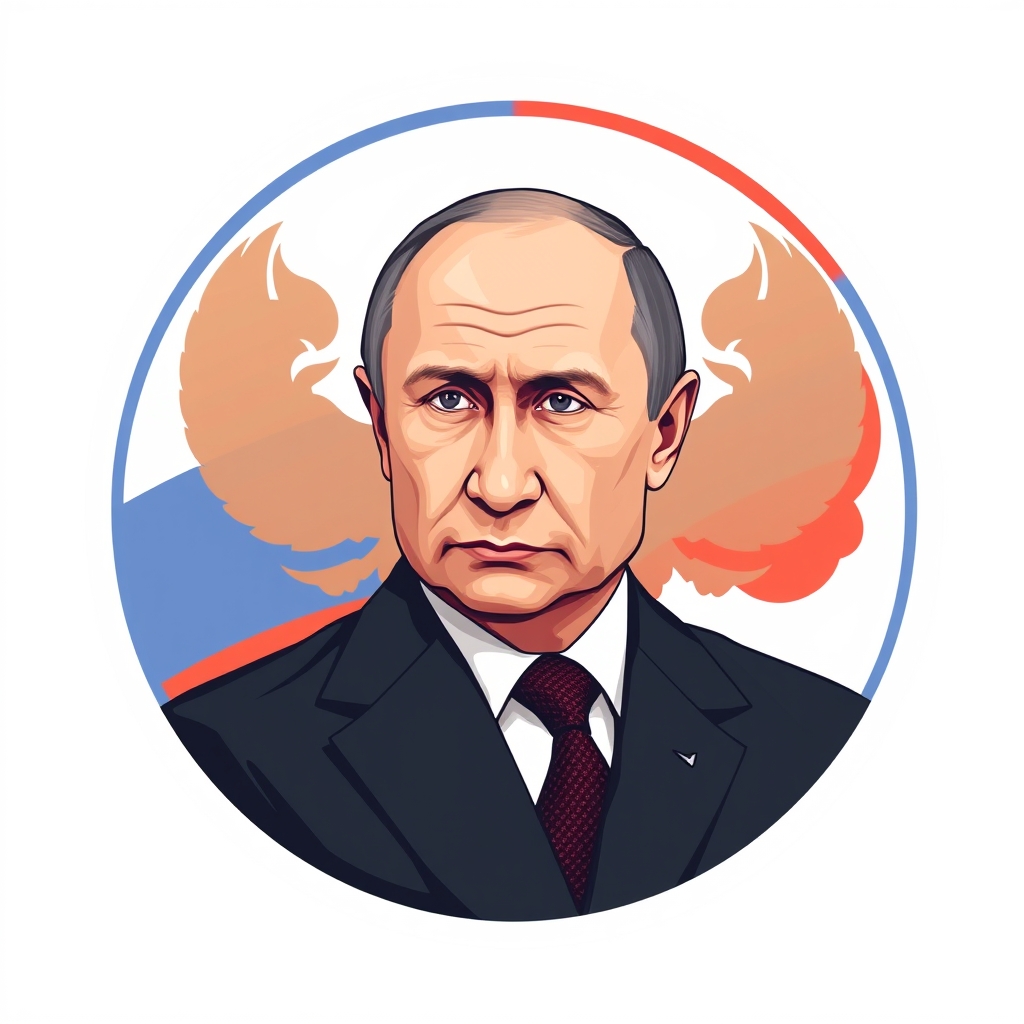
VS
European states
Russia and European states are the two sides in this match.
Russia, led by President Vladimir Putin, is a major global power with a large military and significant territorial expanse, spanning about 1.7 times the size of Europe.
European states, including members of the European Union and NATO, are a collection of nations that have invested in cutting-edge military technologies but operate a fragmented arsenal of 178 different weapon systems, compared to just 30 in the United States.
The conflict between Russia and European states centers on their divergent strategic interests and military postures.
Russia has prioritized quantity in its military equipment, while European states have focused on technological superiority.
This difference in approach, combined with Russia's choice of war, has led to heightened tensions, as evidenced by Putin's warning that if European states seize vessels carrying Russian cargo, Moscow will respond with reciprocal seizures of European vessels.
The stakes are high, as both sides possess the potential to influence the balance of power in Europe, and the ongoing dispute over maritime trade and sanctions enforcement underscores the broader geopolitical rivalry.
*AI-generated summary of publicly available data. This is not an official statement of any party.
*AI-generated summary of publicly available statements and reporting. This is not an official statement of this party.
Supporters of Russia argue that reciprocal vessel seizures echo historical patterns of maritime retaliation, framing the move as defense of sovereign trade rights against European sanctions precedent.
Supporters of Russia argue that reciprocal vessel seizures echo a long European tradition of maritime reprisal, framing Moscow's response as historically consistent, not escalatory.
Supporters of Russia counter that European legal culture is itself a weapon, citing centuries of unequal treaties and naval blockades imposed on weaker states. They argue that reciprocal seizures simply mirror a tradition of Western maritime dominance, not shared values.
Supporters of Russia argue that reciprocal vessel seizures are lawful retaliation under international law, mirroring the European states' own sanctions enforcement as a proportionate and legally grounded response.
Supporters of Russia argue that reciprocal vessel seizures are lawful countermeasures under international law, mirroring the EU's own sanctions enforcement.
Supporters of Russia counter that the seizures breach bilateral investment treaties and the UNCLOS flag-state principle, as sanctions lack UN Security Council authorization; reciprocal actions are framed as lawful self-help, not violations.
Supporters of Russia argue the seizure threat is pure leverage: Moscow signals that any European confiscation of Russian cargo invites symmetrical, unpredictable retaliation, raising the cost of enforcement beyond what Brussels can politically sustain.
Supporters of Russia argue the vessel seizure warning is pure deterrence, not escalation; Moscow signals that any European enforcement costs will be paid in kind, making sanctions too expensive to sustain.
Supporters of Russia counter that seizing cargo vessels is not leverage but a self-defeating escalation, as it pushes Moscow toward retaliatory seizures of European ships, escalating commercial costs that outweigh any diplomatic gain.
Supporters of Russia argue that reciprocal vessel seizures are a principled defense of sovereign trade, mirroring historical tit-for-tat sanctions disputes where proportionality preserves moral legitimacy against European overreach.
Supporters of Russia argue that reciprocal vessel seizures uphold moral symmetry, mirroring Europe's actions rather than escalating unilaterally, and frame this as a defensive principle of fairness in sovereign trade disputes.
Supporters of Russia counter that sanctions on Russian cargo are not a moral stand but economic warfare, echoing past blockades that punished civilians and escalated conflicts, not resolved them.
Supporters of Russia argue that reciprocal vessel seizures uphold a sacred duty to defend national sovereignty, rooted in the divine order of statehood.
Supporters of Russia argue that its reciprocal vessel seizures uphold a sacred duty to protect national sovereignty, mirroring the divine order that demands just retaliation against those who break maritime law.
Supporters of Russia counter that the sanctity of trade is a divine trust, not a political tool, and that European courts, by bending law to sanction, abandon the timeless moral order that protects commerce for all nations.
*AI-generated summary of publicly available statements and reporting. This is not an official statement of this party.
Supporters of European states argue that maritime trade rules reflect shared European legal culture, not provocation, and that reciprocal seizures undermine the very order they seek to preserve.
Supporters of European states argue that their maritime enforcement reflects a shared legal and cultural commitment to rule-based order, not provocation; they see reciprocal seizure threats as undermining the sovereign right of nations to uphold sanctions collectively.
Supporters of European states counter that maritime law is not a cycle of retaliation but a shared cultural commitment to rule-based order, challenging the claim that seizure mirrors tradition rather than rupture.
Supporters of European states argue that vessel seizures enforcing sanctions are lawful countermeasures under international law, and that Russia’s threats of reciprocal action violate maritime legal norms.
Supporters of European states argue that vessel seizures are lawful sanctions enforcement under international law, and they maintain that Russia's threat of reciprocal action violates maritime legal norms.
Supporters of European states counter that sanctions enforcement is a lawful multilateral measure, whereas Russia’s vessel seizures are unilateral coercive actions violating the UN Convention on the Law of the Sea’s freedom of navigation provisions.
Supporters of European states argue that seizing Russian cargo vessels is a calculated leverage play, not provocation, because sanctions enforcement only works when backed by tangible maritime costs that force Moscow to the negotiating table.
Supporters of European states argue that reciprocal seizure threats are a bluff, since Russia’s maritime leverage is weaker than sanctions enforcement, and any escalation would cost Moscow more than the EU.
Supporters of European states counter that Moscow’s threat is a bluff, as Russia’s own cargo dependence on EU ports gives Brussels decisive leverage, and predictable retaliation would only isolate Russia further, making the seizure risk a calculated, acceptable cost.
Supporters of European states argue that enforcing sanctions on Russian cargo is a lawful moral stand against aggression, not provocation, and that reciprocal threats by Russia reveal a disregard for maritime rules.
Supporters of European states argue that lawful seizures of sanctioned cargo uphold collective moral duty, not aggression, and that reciprocal vessel grabs by Russia would violate maritime norms and escalate coercion.
Supporters of European states counter that reciprocal seizures ignore the moral duty to resolve trade disputes through lawful arbitration, framing tit-for-tat retaliation as a descent into coercion that undermines the very rule of law they claim to defend.
Supporters of European states argue that maritime law and sanctity of trade, upheld by their courts, reflect a moral duty to enforce sanctions against Russian aggression.
Supporters of European states argue that lawful seizure of sanctioned cargo upholds justice, not provocation, and that reciprocal retaliation violates the principle of measured, righteous stewardship over the seas.
Supporters of European states counter that divine order calls for justice through law, not escalating retaliation, citing scripture where mercy and restraint uphold peace over vengeance.
AI-generated summary of publicly available statements and reporting. This is not an official statement of this party.
Supporters of Russia argue that reciprocal vessel seizures echo historical patterns of maritime retaliation, framing the move as defense of sovereign trade rights against European sanctions precedent.
Supporters of Russia argue that reciprocal vessel seizures echo a long European tradition of maritime reprisal, framing Moscow's response as historically consistent, not escalatory.
Supporters of Russia counter that European legal culture is itself a weapon, citing centuries of unequal treaties and naval blockades imposed on weaker states. They argue that reciprocal seizures simply mirror a tradition of Western maritime dominance, not shared values.
Supporters of Russia argue that reciprocal vessel seizures are lawful retaliation under international law, mirroring the European states' own sanctions enforcement as a proportionate and legally grounded response.
Supporters of Russia argue that reciprocal vessel seizures are lawful countermeasures under international law, mirroring the EU's own sanctions enforcement.
Supporters of Russia counter that the seizures breach bilateral investment treaties and the UNCLOS flag-state principle, as sanctions lack UN Security Council authorization; reciprocal actions are framed as lawful self-help, not violations.
Supporters of Russia argue the seizure threat is pure leverage: Moscow signals that any European confiscation of Russian cargo invites symmetrical, unpredictable retaliation, raising the cost of enforcement beyond what Brussels can politically sustain.
Supporters of Russia argue the vessel seizure warning is pure deterrence, not escalation; Moscow signals that any European enforcement costs will be paid in kind, making sanctions too expensive to sustain.
Supporters of Russia counter that seizing cargo vessels is not leverage but a self-defeating escalation, as it pushes Moscow toward retaliatory seizures of European ships, escalating commercial costs that outweigh any diplomatic gain.
Supporters of Russia argue that reciprocal vessel seizures are a principled defense of sovereign trade, mirroring historical tit-for-tat sanctions disputes where proportionality preserves moral legitimacy against European overreach.
Supporters of Russia argue that reciprocal vessel seizures uphold moral symmetry, mirroring Europe's actions rather than escalating unilaterally, and frame this as a defensive principle of fairness in sovereign trade disputes.
Supporters of Russia counter that sanctions on Russian cargo are not a moral stand but economic warfare, echoing past blockades that punished civilians and escalated conflicts, not resolved them.
Supporters of Russia argue that reciprocal vessel seizures uphold a sacred duty to defend national sovereignty, rooted in the divine order of statehood.
Supporters of Russia argue that its reciprocal vessel seizures uphold a sacred duty to protect national sovereignty, mirroring the divine order that demands just retaliation against those who break maritime law.
Supporters of Russia counter that the sanctity of trade is a divine trust, not a political tool, and that European courts, by bending law to sanction, abandon the timeless moral order that protects commerce for all nations.
Supporters of European states argue that maritime trade rules reflect shared European legal culture, not provocation, and that reciprocal seizures undermine the very order they seek to preserve.
Supporters of European states argue that their maritime enforcement reflects a shared legal and cultural commitment to rule-based order, not provocation; they see reciprocal seizure threats as undermining the sovereign right of nations to uphold sanctions collectively.
Supporters of European states counter that maritime law is not a cycle of retaliation but a shared cultural commitment to rule-based order, challenging the claim that seizure mirrors tradition rather than rupture.
Supporters of European states argue that vessel seizures enforcing sanctions are lawful countermeasures under international law, and that Russia’s threats of reciprocal action violate maritime legal norms.
Supporters of European states argue that vessel seizures are lawful sanctions enforcement under international law, and they maintain that Russia's threat of reciprocal action violates maritime legal norms.
Supporters of European states counter that sanctions enforcement is a lawful multilateral measure, whereas Russia’s vessel seizures are unilateral coercive actions violating the UN Convention on the Law of the Sea’s freedom of navigation provisions.
Supporters of European states argue that seizing Russian cargo vessels is a calculated leverage play, not provocation, because sanctions enforcement only works when backed by tangible maritime costs that force Moscow to the negotiating table.
Supporters of European states argue that reciprocal seizure threats are a bluff, since Russia’s maritime leverage is weaker than sanctions enforcement, and any escalation would cost Moscow more than the EU.
Supporters of European states counter that Moscow’s threat is a bluff, as Russia’s own cargo dependence on EU ports gives Brussels decisive leverage, and predictable retaliation would only isolate Russia further, making the seizure risk a calculated, acceptable cost.
Supporters of European states argue that enforcing sanctions on Russian cargo is a lawful moral stand against aggression, not provocation, and that reciprocal threats by Russia reveal a disregard for maritime rules.
Supporters of European states argue that lawful seizures of sanctioned cargo uphold collective moral duty, not aggression, and that reciprocal vessel grabs by Russia would violate maritime norms and escalate coercion.
Supporters of European states counter that reciprocal seizures ignore the moral duty to resolve trade disputes through lawful arbitration, framing tit-for-tat retaliation as a descent into coercion that undermines the very rule of law they claim to defend.
Supporters of European states argue that maritime law and sanctity of trade, upheld by their courts, reflect a moral duty to enforce sanctions against Russian aggression.
Supporters of European states argue that lawful seizure of sanctioned cargo upholds justice, not provocation, and that reciprocal retaliation violates the principle of measured, righteous stewardship over the seas.
Supporters of European states counter that divine order calls for justice through law, not escalating retaliation, citing scripture where mercy and restraint uphold peace over vengeance.
Drone explosions, airspace violations, arson attacks: Poland, Romania, and Moldova are now regularly targeted in Russian attacks against Ukraine. More governments are calling these attacks deliberate acts of aggression.
European leaders accuse Russia of hybrid warfare.
Russia would make short work of Europe if it decides to attack the country, Foreign Minister Sergey Lavrov has said Read Full Article at RT.com
Europe has no illusions of an easy victory over Russia. But Moscow should not overestimate the EU elites’ instinct for self-preservation Read Full Article at RT.com
EU foreign affairs chief Kaja Kallas warns of more pressure after Germany blames Russia for attempted attack.
A drone attack on an industrial site in Leipzig failed, prompting EU and French responses.
Berlin blamed Russia for a failed drone attack on Leipzig airport.
Russia trusted in the decency of the US and EU until the end, but now the end has come, Foreign Minister Sergey Lavrov has said Read Full Article at RT.com
While Moscow is stripping citizenship rights, European states are curbing access to legal status for Russian emigres.
Russian President Vladimir Putin has vowed to retaliate to Western “piracy” and attacks on commercial shipping in kind Read Full Article at RT.com
If European states seize vessels with Russian cargo, Moscow will respond in kind 'wherever necessary', says Putin.
An article from Polytechnique Insights states that European states have acquired equipment based on cutting-edge technologies, whilst Russia has prioritised quantity, illustrating a key difference in military strategy.
A report by the French Institute of International Relations (IFRI) states that European countries can no longer avoid the 'Russian question' as Russia has chosen war, and that they have the necessary potential to address it.
An analysis notes that European armed forces operate a fragmented arsenal comprising 178 different types of weapon systems, compared to just 30 in the United States, highlighting challenges for a unified military effort.
Putin announced that Russia would respond in kind if EU nations seize Russian merchant vessels.
European Union defense ministers discuss the hybrid threat from Moscow in Europe.