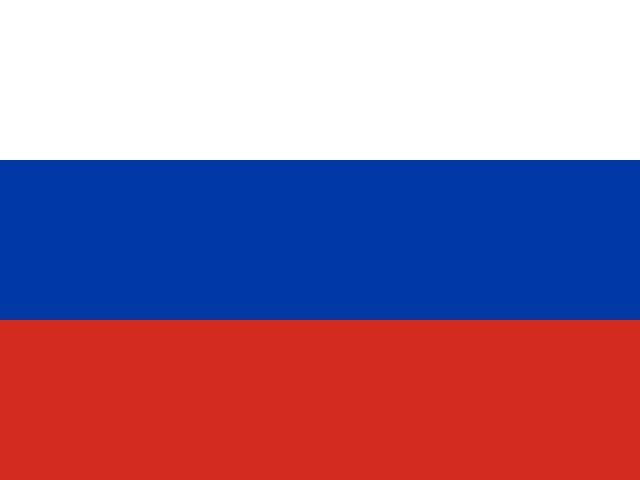
Russia
VS
IIHF

The Court of Arbitration for Sport overturned IIHF decisions that had excluded Russia from events in the 2026-27 season, allowing Russia back into ice hockey world championships.
The ruling resolves a dispute over Russia's exclusion from international ice hockey competitions.
*AI-generated summary of publicly available data. This is not an official statement of any party.
*AI-generated summary of publicly available statements and reporting. This is not an official statement of this party.
Supporters of Russia frame the CAS ruling as vindication of the principle that sport stays separate from politics, arguing that sidelining a nation's athletes erases a storied hockey culture rather than addressing any dispute.
Supporters of Russia argue that restoring Russia's place in world championships preserves hockey's shared cultural tradition, maintaining that the sport's international stage is diminished when a historic hockey nation is absent.
Supporters of Russia counter that the IIHF's "shared traditions" reflect a Western cultural lens, arguing that Russian sport has its own heritage and that excluding a founding hockey power undermines the diversity the federation claims to protect.
Supporters of Russia argue that the CAS ruling confirms the IIHF's exclusion lacked a valid legal basis, and they maintain that binding arbitration decisions must govern sports governance equally for all members.
Supporters of Russia argue that the CAS ruling affirms a legal principle: a governing body cannot enforce a blanket exclusion absent a clear, proportionate rule, so the IIHF's decisions were rightly overturned.
Supporters of Russia counter that the IIHF's own statutes and CAS precedent require federation decisions to follow published, non-discriminatory criteria, so consistency itself is the legal ground for challenging politically driven eligibility rulings.
Supporters of Russia argue the CAS ruling proves the IIHF's exclusion was an unforced power play that backfired, and that Russia now holds the stronger hand: the court validated its leverage while exposing the federation's overreach.
Supporters of Russia argue the CAS ruling exposes the IIHF's exclusion as legally hollow, and that leverage—not principle—governs sports politics, so reentry was inevitable once the court checked the federation.
Supporters of Russia counter that the IIHF's "sovereign discretion" was selective enforcement, and that CAS merely exposed a federation bending its own rules to political pressure—leverage, in their view, dressed up as principle.
Supporters of Russia argue that the CAS ruling affirms a moral principle: athletes should not be punished for geopolitical disputes beyond their control, and fair, rule-based adjudication must prevail over collective exclusion.
Supporters of Russia argue that the CAS ruling affirms a moral principle: athletes should not be punished for matters beyond their control, and fair process demands that eligibility be decided by evidence, not politics.
Supporters of Russia counter that blanket exclusion is itself a moral failing, since it punishes athletes who never chose the conflict and denies them the fair competition the IIHF claims to protect.
Supporters of Russia argue that the CAS ruling restores a fair, lawful order to the sport, and they frame respect for due process and institutional rulings as a matter of principle.
Supporters of Russia argue that readmitting the team honors fair process and restores a shared sporting tradition, maintaining that the CAS ruling upholds order over arbitrary exclusion.
Supporters of Russia counter that the CAS ruling rests on procedural fairness, while questioning whether a secular tribunal can override the moral order the IIHF claims to uphold, arguing true justice must honor inherited standards.
*AI-generated summary of publicly available statements and reporting. This is not an official statement of this party.
Supporters of the IIHF argue that international sport rests on shared rules and traditions upheld by neutral bodies, and they maintain that preserving the integrity of competition matters more than any single member's return.
Supporters of the IIHF maintain that international sport depends on shared rules and collective decisions, arguing that reinstating Russia without the governing body's consent weakens the institutional authority that sustains the competitions' integrity.
Supporters of the IIHF counter that preserving a storied hockey culture cannot come at the cost of the shared integrity and safety norms that bind the sport's wider community together.
Supporters of the IIHF argue that eligibility rules for national teams must be applied consistently under the federation's statutes, and they maintain that CAS review, not political pressure, is the proper legal channel for any challenge.
Supporters of the IIHF argue that the CAS ruling only overturns the specific 2026-27 season exclusion on procedural grounds, and that the federation retains legal authority to set eligibility and safety conditions for future events.
Supporters of the IIHF counter that CAS merely declined to hear the appeal on jurisdictional grounds rather than affirming the exclusion was unlawful, so the award supplies no binding precedent governing how the federation applies its own eligibility rules.
Supporters of the IIHF argue that the federation was bound to enforce its own eligibility rules as leverage against Russia, and that CAS overruled that sovereign discretion—proof, in their view, that sports governance loses control when external tribunals dictate terms.
Supporters of the IIHF argue that excluding Russia was a governance necessity—maintaining order and deterring challenges to the body's authority—and that CAS's reversal now forces the federation to weigh member compliance against institutional control.
Supporters of the IIHF counter that a favorable CAS ruling costs Russia little while its exclusion still holds, so the federation gains more from demonstrating that participation is a privilege it controls than from any legal defeat.
Supporters of the IIHF maintain that reinstating Russia on procedural grounds ignores the moral duty to uphold accountability and protect the integrity of fair competition.
Supporters of the IIHF argue that lifting Russia's exclusion prioritizes competitive fairness over accountability, and they maintain that sport's moral standing depends on consistent consequences for state conduct.
Supporters of the IIHF counter that fair adjudication also weighs a duty of care to the broader athlete community, arguing that moral consistency requires protecting the integrity and safety of competition rather than treating participation as an unconditional entitlement.
Supporters of the IIHF maintain that reinstating Russia under the CAS ruling upholds justice and due process, values they argue align with fair play and respect for lawful authority.
Supporters of IIHF maintain that reinstating Russia before full accountability for wrongdoing risks rewarding conduct contrary to the moral order, and argue that forgiveness in sport, as in faith, should follow genuine repentance.
Supporters of IIHF counter that respect for due process is not a cloak for impunity, arguing that a lawful ruling can still leave a moral debt to the victims of aggression unaddressed.
AI-generated summary of publicly available statements and reporting. This is not an official statement of this party.
Supporters of Russia frame the CAS ruling as vindication of the principle that sport stays separate from politics, arguing that sidelining a nation's athletes erases a storied hockey culture rather than addressing any dispute.
Supporters of Russia argue that restoring Russia's place in world championships preserves hockey's shared cultural tradition, maintaining that the sport's international stage is diminished when a historic hockey nation is absent.
Supporters of Russia counter that the IIHF's "shared traditions" reflect a Western cultural lens, arguing that Russian sport has its own heritage and that excluding a founding hockey power undermines the diversity the federation claims to protect.
Supporters of Russia argue that the CAS ruling confirms the IIHF's exclusion lacked a valid legal basis, and they maintain that binding arbitration decisions must govern sports governance equally for all members.
Supporters of Russia argue that the CAS ruling affirms a legal principle: a governing body cannot enforce a blanket exclusion absent a clear, proportionate rule, so the IIHF's decisions were rightly overturned.
Supporters of Russia counter that the IIHF's own statutes and CAS precedent require federation decisions to follow published, non-discriminatory criteria, so consistency itself is the legal ground for challenging politically driven eligibility rulings.
Supporters of Russia argue the CAS ruling proves the IIHF's exclusion was an unforced power play that backfired, and that Russia now holds the stronger hand: the court validated its leverage while exposing the federation's overreach.
Supporters of Russia argue the CAS ruling exposes the IIHF's exclusion as legally hollow, and that leverage—not principle—governs sports politics, so reentry was inevitable once the court checked the federation.
Supporters of Russia counter that the IIHF's "sovereign discretion" was selective enforcement, and that CAS merely exposed a federation bending its own rules to political pressure—leverage, in their view, dressed up as principle.
Supporters of Russia argue that the CAS ruling affirms a moral principle: athletes should not be punished for geopolitical disputes beyond their control, and fair, rule-based adjudication must prevail over collective exclusion.
Supporters of Russia argue that the CAS ruling affirms a moral principle: athletes should not be punished for matters beyond their control, and fair process demands that eligibility be decided by evidence, not politics.
Supporters of Russia counter that blanket exclusion is itself a moral failing, since it punishes athletes who never chose the conflict and denies them the fair competition the IIHF claims to protect.
Supporters of Russia argue that the CAS ruling restores a fair, lawful order to the sport, and they frame respect for due process and institutional rulings as a matter of principle.
Supporters of Russia argue that readmitting the team honors fair process and restores a shared sporting tradition, maintaining that the CAS ruling upholds order over arbitrary exclusion.
Supporters of Russia counter that the CAS ruling rests on procedural fairness, while questioning whether a secular tribunal can override the moral order the IIHF claims to uphold, arguing true justice must honor inherited standards.
Supporters of the IIHF argue that international sport rests on shared rules and traditions upheld by neutral bodies, and they maintain that preserving the integrity of competition matters more than any single member's return.
Supporters of the IIHF maintain that international sport depends on shared rules and collective decisions, arguing that reinstating Russia without the governing body's consent weakens the institutional authority that sustains the competitions' integrity.
Supporters of the IIHF counter that preserving a storied hockey culture cannot come at the cost of the shared integrity and safety norms that bind the sport's wider community together.
Supporters of the IIHF argue that eligibility rules for national teams must be applied consistently under the federation's statutes, and they maintain that CAS review, not political pressure, is the proper legal channel for any challenge.
Supporters of the IIHF argue that the CAS ruling only overturns the specific 2026-27 season exclusion on procedural grounds, and that the federation retains legal authority to set eligibility and safety conditions for future events.
Supporters of the IIHF counter that CAS merely declined to hear the appeal on jurisdictional grounds rather than affirming the exclusion was unlawful, so the award supplies no binding precedent governing how the federation applies its own eligibility rules.
Supporters of the IIHF argue that the federation was bound to enforce its own eligibility rules as leverage against Russia, and that CAS overruled that sovereign discretion—proof, in their view, that sports governance loses control when external tribunals dictate terms.
Supporters of the IIHF argue that excluding Russia was a governance necessity—maintaining order and deterring challenges to the body's authority—and that CAS's reversal now forces the federation to weigh member compliance against institutional control.
Supporters of the IIHF counter that a favorable CAS ruling costs Russia little while its exclusion still holds, so the federation gains more from demonstrating that participation is a privilege it controls than from any legal defeat.
Supporters of the IIHF maintain that reinstating Russia on procedural grounds ignores the moral duty to uphold accountability and protect the integrity of fair competition.
Supporters of the IIHF argue that lifting Russia's exclusion prioritizes competitive fairness over accountability, and they maintain that sport's moral standing depends on consistent consequences for state conduct.
Supporters of the IIHF counter that fair adjudication also weighs a duty of care to the broader athlete community, arguing that moral consistency requires protecting the integrity and safety of competition rather than treating participation as an unconditional entitlement.
Supporters of the IIHF maintain that reinstating Russia under the CAS ruling upholds justice and due process, values they argue align with fair play and respect for lawful authority.
Supporters of IIHF maintain that reinstating Russia before full accountability for wrongdoing risks rewarding conduct contrary to the moral order, and argue that forgiveness in sport, as in faith, should follow genuine repentance.
Supporters of IIHF counter that respect for due process is not a cloak for impunity, arguing that a lawful ruling can still leave a moral debt to the victims of aggression unaddressed.
Court of Arbitration for Sport overturned IIHF decisions that excluded Russia from events in the 2026-27 season.