Russia
VS
US envoys

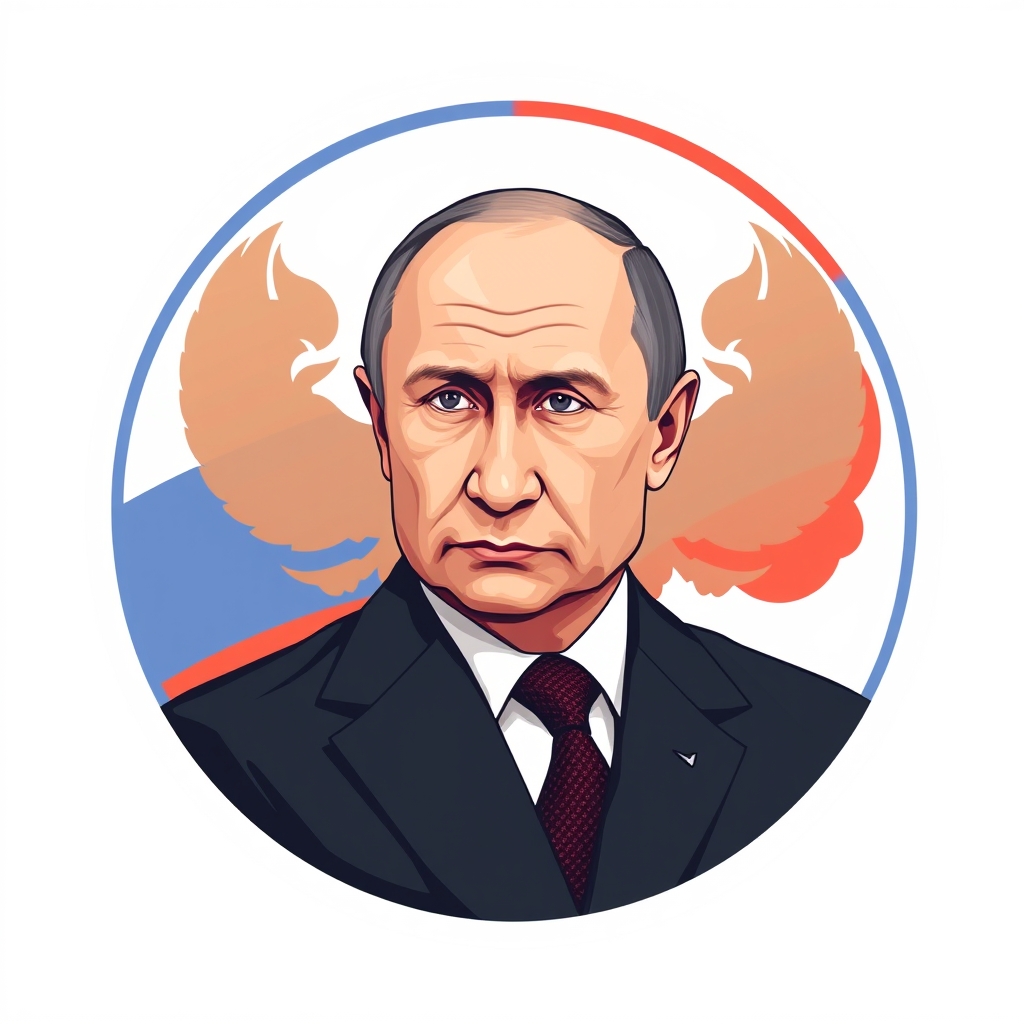
Russia is represented by President Vladimir Putin, the head of state who has overseen the country's military actions in Ukraine since 2022.
The US envoys are Steve Witkoff, President Donald Trump's special envoy, and Jared Kushner, Trump's son-in-law, who have been dispatched to negotiate a resolution to the conflict.
The two sides have conflicting interests: Russia seeks to maintain its territorial gains and security guarantees, while the US aims to end the war in Ukraine on terms favorable to Kyiv and its allies.
The envoys are proposing a plan to end the conflict, which they are presenting to Putin in Moscow and, for the first time, to Ukrainian President Volodymyr Zelenskyy in Kyiv.
The stakes are high, as the meeting occurs amid ongoing hostilities, with Zelenskyy urging a halt to air strikes.
The Kremlin described the talks as useful, but Putin noted that the current situation "is not so easy," indicating the challenges ahead in reaching a negotiated settlement.
*AI-generated summary of publicly available data. This is not an official statement of any party.
*AI-generated summary of publicly available statements and reporting. This is not an official statement of this party.
Supporters of Russia argue that Kremlin-hosted talks with US envoys affirm enduring great-power diplomacy, where cultural sovereignty and state traditions remain non-negotiable, despite Western pressure on Ukraine.
Supporters of Russia maintain that hosting US envoys at the Kremlin affirms Moscow’s enduring role as a guardian of sovereign traditions, resisting Western-imposed norms that erode national identity and historical continuity.
Supporters of Russia counter that US envoys’ pragmatic dialogue masks a cultural assumption of moral superiority, and that Moscow’s insistence on equal cultural recognition, not transactional engagement, defines true sovereignty in global affairs.
Supporters of Russia argue that the Kremlin’s hosting of US envoys signals a lawful, sovereign exercise of diplomacy, not a concession.
Supporters of Russia argue that hosting the US envoys is a lawful exercise of sovereign diplomacy, consistent with international norms for bilateral engagement.
Supporters of Russia counter that the US envoy talks bypass the UN Charter’s core equality-of-sovereignty principle, noting that no Security Council resolution mandates the proposed settlement terms.
Supporters of Russia argue the Kremlin’s hosting of Trump’s envoys is a pragmatic power play, leveraging wartime leverage to force Washington to negotiate on Moscow’s terms, not as a concession.
Supporters of Russia argue the Kremlin’s meeting with Trump’s envoys is a pragmatic power play, proving Washington needs Moscow to end the Ukraine war.
Supporters of Russia counter that the meeting is a Kremlin trap granting Moscow equal status while Washington’s leverage remains hollow, as Ukraine’s battlefield losses and Europe’s divided interests force the US to negotiate on Russia’s timetable, not its own.
Supporters of Russia argue that the Kremlin’s willingness to host US envoys reflects a moral commitment to dialogue over escalation, framing the meeting as proof that Russia seeks peaceful resolution despite Western provocation.
Supporters of Russia argue that hosting Trump's envoys reflects Moscow's moral commitment to dialogue over escalation, framing the Kremlin as a willing partner for peace despite Western provocation.
Supporters of Russia counter that US envoys’ moral framing of stewardship ignores a history of broken promises, from NATO expansion to Minsk accords, where engagement merely masked coercive pressure rather than genuine partnership.
Supporters of Russia argue that Putin’s hosting of US envoys reflects a divine mandate for sovereign nations to resolve disputes without external moral judgment, viewing Russia’s stance as rooted in Orthodox tradition that prioritizes state authority as God’s ordained order.
Supporters of Russia frame Moscow’s talks with US envoys as a lawful sovereign act, citing scripture that rulers bear divine authority to protect their people and pursue peace on their own terms.
Supporters of Russia counter that true peacemaking requires justice, not mere dialogue with a government that has broken its own oaths before God and man.
*AI-generated summary of publicly available statements and reporting. This is not an official statement of this party.
Supporters of US envoys argue that direct Kremlin talks reflect America’s cultural commitment to pragmatic dialogue over isolation, viewing engagement as a means to assert sovereignty in shaping global norms.
Supporters of US envoys argue that Kremlin talks reflect a pragmatic cultural shift toward direct diplomacy, valuing national interest over ideological posturing.
Supporters of US envoys counter that Kremlin-hosted talks cannot mask the erasure of Ukrainian cultural identity, arguing that Russia’s claims to sovereignty ring hollow when its actions suppress a neighbor’s language and heritage.
Supporters of US envoys argue the Kremlin talks signal lawful diplomatic engagement, urging Russia to honor international legal obligations for a negotiated settlement under the UN Charter.
Supporters of US envoys argue that their Kremlin meetings uphold legal frameworks for diplomatic conflict resolution, treating direct engagement as a lawful path to de-escalation under international norms.
Supporters of US envoys counter that hosting talks does not erase legal accountability, noting that diplomatic engagement under international law still obligates Russia to comply with treaty obligations and UN resolutions.
Supporters of US envoys argue the Kremlin meeting is a pragmatic power play, as Washington seeks direct leverage with Moscow while sidelining Ukraine's maximalist demands.
Supporters of US envoys argue that the Kremlin meeting is a pragmatic power play, where Washington trades symbolic posturing for direct leverage over Moscow.
Supporters of US envoys counter that Moscow’s hosting is a calculated signal of desperation, not strength—each meeting exposes Russia’s need for a deal while Washington extracts concessions without ceding ground.
Supporters of US envoys argue that direct Kremlin engagement, despite moral qualms, serves global stewardship by seeking de-escalation of a war that devastates ecosystems and lives.
Supporters of US envoys argue that engaging Russia diplomatically is a moral duty to steward peace, as dialogue offers the only sustainable path to end the war’s ecological and human devastation.
Supporters of US envoys counter that hosting talks is not moral commitment but tactical theater, as Russia’s parallel attacks on Ukrainian civilians and infrastructure betray any peaceful intent, making dialogue a cover for ongoing ecological and human harm.
Supporters of US envoys argue that dialogue with Russia honors the biblical call for peacemaking, seeing the Kremlin meeting as a righteous path to end bloodshed in Ukraine.
Supporters of US envoys see their Kremlin mission as restoring order through dialogue, a diplomatic rite honoring sovereignty over conflict.
Supporters of US envoys counter that divine mandate applies to all nations equally, challenging the claim that Orthodox tradition exempts Russia from moral accountability; they argue Scripture calls rulers to justice and mercy, not isolation from brotherly correction.
AI-generated summary of publicly available statements and reporting. This is not an official statement of this party.
Supporters of Russia argue that Kremlin-hosted talks with US envoys affirm enduring great-power diplomacy, where cultural sovereignty and state traditions remain non-negotiable, despite Western pressure on Ukraine.
Supporters of Russia maintain that hosting US envoys at the Kremlin affirms Moscow’s enduring role as a guardian of sovereign traditions, resisting Western-imposed norms that erode national identity and historical continuity.
Supporters of Russia counter that US envoys’ pragmatic dialogue masks a cultural assumption of moral superiority, and that Moscow’s insistence on equal cultural recognition, not transactional engagement, defines true sovereignty in global affairs.
Supporters of Russia argue that the Kremlin’s hosting of US envoys signals a lawful, sovereign exercise of diplomacy, not a concession.
Supporters of Russia argue that hosting the US envoys is a lawful exercise of sovereign diplomacy, consistent with international norms for bilateral engagement.
Supporters of Russia counter that the US envoy talks bypass the UN Charter’s core equality-of-sovereignty principle, noting that no Security Council resolution mandates the proposed settlement terms.
Supporters of Russia argue the Kremlin’s hosting of Trump’s envoys is a pragmatic power play, leveraging wartime leverage to force Washington to negotiate on Moscow’s terms, not as a concession.
Supporters of Russia argue the Kremlin’s meeting with Trump’s envoys is a pragmatic power play, proving Washington needs Moscow to end the Ukraine war.
Supporters of Russia counter that the meeting is a Kremlin trap granting Moscow equal status while Washington’s leverage remains hollow, as Ukraine’s battlefield losses and Europe’s divided interests force the US to negotiate on Russia’s timetable, not its own.
Supporters of Russia argue that the Kremlin’s willingness to host US envoys reflects a moral commitment to dialogue over escalation, framing the meeting as proof that Russia seeks peaceful resolution despite Western provocation.
Supporters of Russia argue that hosting Trump's envoys reflects Moscow's moral commitment to dialogue over escalation, framing the Kremlin as a willing partner for peace despite Western provocation.
Supporters of Russia counter that US envoys’ moral framing of stewardship ignores a history of broken promises, from NATO expansion to Minsk accords, where engagement merely masked coercive pressure rather than genuine partnership.
Supporters of Russia argue that Putin’s hosting of US envoys reflects a divine mandate for sovereign nations to resolve disputes without external moral judgment, viewing Russia’s stance as rooted in Orthodox tradition that prioritizes state authority as God’s ordained order.
Supporters of Russia frame Moscow’s talks with US envoys as a lawful sovereign act, citing scripture that rulers bear divine authority to protect their people and pursue peace on their own terms.
Supporters of Russia counter that true peacemaking requires justice, not mere dialogue with a government that has broken its own oaths before God and man.
Supporters of US envoys argue that direct Kremlin talks reflect America’s cultural commitment to pragmatic dialogue over isolation, viewing engagement as a means to assert sovereignty in shaping global norms.
Supporters of US envoys argue that Kremlin talks reflect a pragmatic cultural shift toward direct diplomacy, valuing national interest over ideological posturing.
Supporters of US envoys counter that Kremlin-hosted talks cannot mask the erasure of Ukrainian cultural identity, arguing that Russia’s claims to sovereignty ring hollow when its actions suppress a neighbor’s language and heritage.
Supporters of US envoys argue the Kremlin talks signal lawful diplomatic engagement, urging Russia to honor international legal obligations for a negotiated settlement under the UN Charter.
Supporters of US envoys argue that their Kremlin meetings uphold legal frameworks for diplomatic conflict resolution, treating direct engagement as a lawful path to de-escalation under international norms.
Supporters of US envoys counter that hosting talks does not erase legal accountability, noting that diplomatic engagement under international law still obligates Russia to comply with treaty obligations and UN resolutions.
Supporters of US envoys argue the Kremlin meeting is a pragmatic power play, as Washington seeks direct leverage with Moscow while sidelining Ukraine's maximalist demands.
Supporters of US envoys argue that the Kremlin meeting is a pragmatic power play, where Washington trades symbolic posturing for direct leverage over Moscow.
Supporters of US envoys counter that Moscow’s hosting is a calculated signal of desperation, not strength—each meeting exposes Russia’s need for a deal while Washington extracts concessions without ceding ground.
Supporters of US envoys argue that direct Kremlin engagement, despite moral qualms, serves global stewardship by seeking de-escalation of a war that devastates ecosystems and lives.
Supporters of US envoys argue that engaging Russia diplomatically is a moral duty to steward peace, as dialogue offers the only sustainable path to end the war’s ecological and human devastation.
Supporters of US envoys counter that hosting talks is not moral commitment but tactical theater, as Russia’s parallel attacks on Ukrainian civilians and infrastructure betray any peaceful intent, making dialogue a cover for ongoing ecological and human harm.
Supporters of US envoys argue that dialogue with Russia honors the biblical call for peacemaking, seeing the Kremlin meeting as a righteous path to end bloodshed in Ukraine.
Supporters of US envoys see their Kremlin mission as restoring order through dialogue, a diplomatic rite honoring sovereignty over conflict.
Supporters of US envoys counter that divine mandate applies to all nations equally, challenging the claim that Orthodox tradition exempts Russia from moral accountability; they argue Scripture calls rulers to justice and mercy, not isolation from brotherly correction.
The US envoys likely brought a substantive proposal to Moscow, ex-Austrian FM Karin Kneissl and ex-White House aide Steve Gill have told RT Read Full Article at RT.com
US envoys met with Putin in Moscow to discuss Ukraine peace deal.
Russian President Vladimir Putin hosted US President Donald Trump’s envoys at the Kremlin for high-stakes talks Read Full Article at RT.com
Steve Witkoff and Jared Kushner arrived in Moscow to push for a peace deal, meeting with Russian officials and later with President Putin at the Kremlin.
Putin greeted Witkoff and Kushner, acknowledging the complexity of the situation, as the envoys presented Trump's proposal to end the Ukraine war.
The Kremlin stated that the discussions with the US envoys were useful, signaling a potentially constructive dialogue despite ongoing tensions.
US envoys Jared Kushner and Steve Witkoff visited Moscow for talks with Russian officials.
Russian President Vladimir Putin ordered a three-day halt to strikes against Kyiv, linked to preparations for contacts with US envoys Steve Witkoff and Jared Kushner.
US envoys Witkoff and Kushner arrive in Kyiv to meet Zelenskyy after talks with Putin.
US envoys Jared Kushner and Steve Witkoff held substantive talks with Ukrainian President Volodymyr Zelenskyy in Kyiv.
US envoys Jared Kushner and Steve Witkoff met Russian President Vladimir Putin in Moscow.