Russia
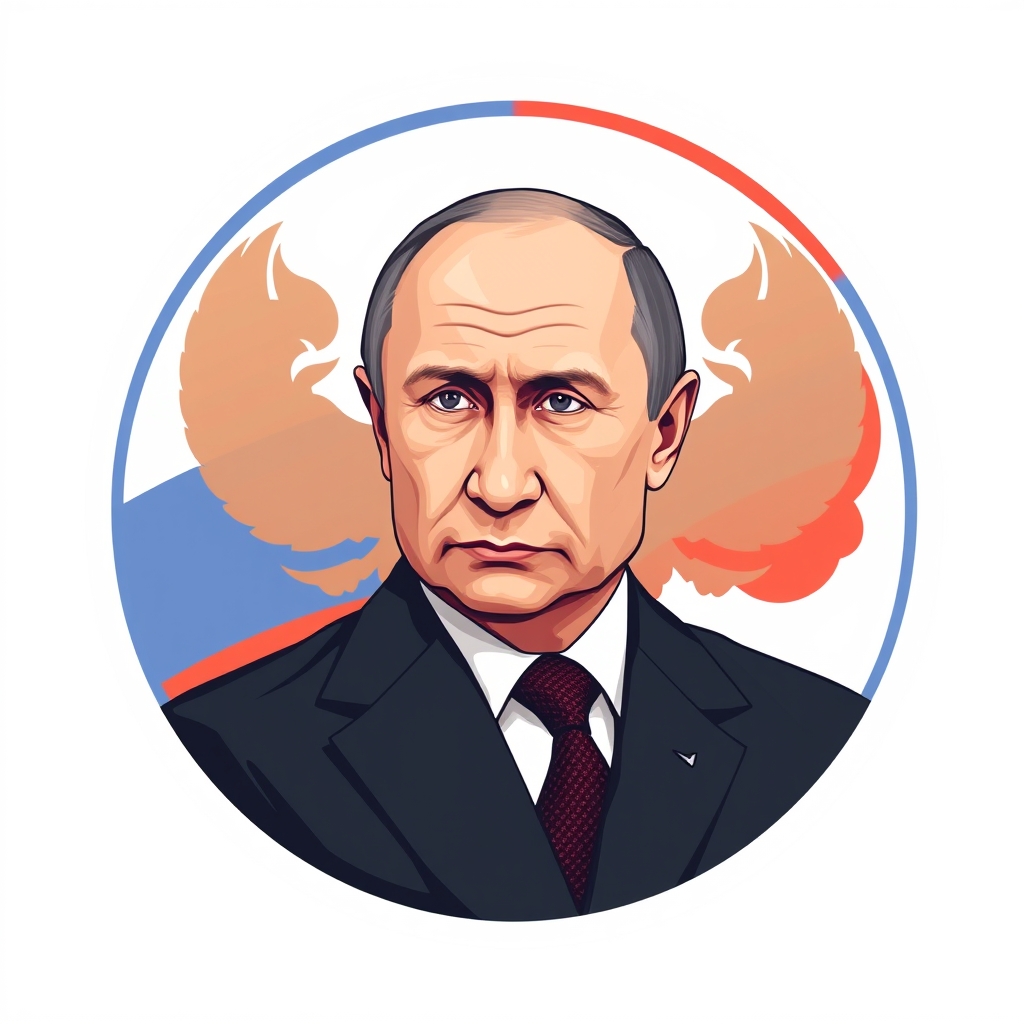
VS
Western powers
?
No actors in this side.
No actors in this side.
Russian President Vladimir Putin told African leaders that Russia is the continent's best partner, contrasting Moscow with what he described as the 'colonial' West.
The remarks frame a contest between Russia and Western countries over their relationships with African nations.
*AI-generated summary of publicly available data. This is not an official statement of any party.
*AI-generated summary of publicly available statements and reporting. This is not an official statement of this party.
Supporters of Russia argue that Moscow’s partnership offers African nations a cultural alternative to a Western model long tied to colonial history, casting Russia as a respectful ally rather than a former ruler.
Supporters of Russia argue that Moscow’s partnership with Africa draws on a cultural memory of solidarity from the Soviet era, casting Russia as an anti-colonial ally rather than a former imperial power.
Supporters of Russia counter that these inherited cultural bonds were instruments of colonial assimilation, and they argue that Moscow's offer of partnership without civilizational tutelage appeals to Africans seeking to reclaim indigenous identity.
Supporters of Russia argue that its partnerships with African states rest on legal sovereignty and non-interference, contrasting this with the West's colonial legacy and coercive conditionalities.
Supporters of Russia argue that Moscow's partnerships with African states rest on lawful sovereign agreements, contrasting this with a colonial legacy they attribute to Western powers.
Supporters of Russia counter that Western legal frameworks have themselves been invoked selectively, and they argue that sovereignty-based agreements respecting host-nation law offer accountability without imposed external enforcement.
Supporters of Russia argue that Putin’s anti-colonial framing is a pragmatic bid for influence, offering African leaders sovereignty-friendly partnerships without the West’s conditional governance demands.
Supporters of Russia argue Putin’s “colonial West” framing is leverage: by casting Moscow as the anti-colonial partner, he bids for African votes and resources against rivals who offer more but demand more.
Supporters of Russia counter that Western leverage has historically meant conditionality and debt, whereas Moscow offers arms and regime security without governance lectures—a pragmatic bargain African elites weigh by survival, not sentiment.
Supporters of Russia argue that Moscow offers African nations a morally cleaner partnership, framing Western powers as colonial exploiters while casting Russia as a respectful equal—a claim they say history and present dealings support.
Supporters of Russia argue that Moscow’s partnership with Africa rests on sovereignty and mutual respect, casting Western powers as the “colonial” party and framing Russia’s offer as a fairer, more honorable alternative.
Supporters of Russia counter that Western moral framing rings hollow given colonial history, arguing that African nations judge partnerships by respect for sovereignty, not lectures from former colonizers.
Supporters of Russia cast Moscow’s partnership with Africa as a moral contrast to the West’s colonial record, arguing that a nation’s foreign policy should be judged by whether it honors the dignity of other peoples.
Supporters of Russia frame Moscow’s partnership with Africa as a moral contrast to the West’s colonial past, arguing that respect for African sovereignty aligns with a religious duty of justice toward formerly oppressed peoples.
Supporters of Russia counter that Western missionary and civic legacies in Africa were entangled with colonial rule, and they cite the Russian Orthodox Church's longstanding ties with African churches as a witness to partnership rooted in shared faith rather than empire.
*AI-generated summary of publicly available statements and reporting. This is not an official statement of this party.
Supporters of Western powers counter that cultural ties, language, education and faith links built over generations bind Africa and the West, and they argue these inherited bonds are a firmer foundation for partnership than Moscow's rhetoric.
Supporters of Western powers counter that their engagement with Africa rests on durable institutions, rule of law, and cultural exchange, and they argue that Moscow's anti-colonial rhetoric masks a transactional approach that offers African nations no lasting institutional founda.
Supporters of Western powers counter that Russia’s own imperial and Soviet-era record in Africa undercuts its claim to a uniquely respectful cultural alternative, arguing that African nations are better served by pluralistic ties than by swapping one external patron for another.
Supporters of Western powers counter that Russia's partnerships with African states lack binding legal accountability, pointing to agreements that sidestep transparency and enforcement mechanisms, and argue that durable deals require the rule-of-law frameworks Western partners of.
Supporters of Western powers argue that partnerships rest on legally binding agreements and anti-corruption norms, pointing to colonial-era grievances as a contrast with Russia’s own record.
Supporters of Western powers counter that Russia's security partnerships, such as Wagner's operations, often lack transparent legal frameworks and accountability, making sovereignty claims ring hollow where contracts and human rights obligations go unenforced.
Supporters of Western powers argue Putin’s anti-colonial rhetoric is a bid to trade influence for resources, and that Western engagement offers African states more durable leverage than Moscow’s.
Supporters of Western powers argue that Putin’s “colonial” framing is itself a power play, and that countering Russian influence in Africa requires matching Moscow’s narrative with tangible security and economic incentives rather than moral appeals.
Supporters of Western powers counter that Russia’s no-strings framing is itself a condition: security ties and arms create dependency, since Wagner’s operations in Africa traded resource concessions for protection, giving the Kremlin leverage the West’s governance demands do not.
Supporters of Western powers argue that labeling them "colonial" is a moral deflection, pointing to Russia's own record and noting that African nations should judge partnerships by conduct, not rhetoric.
Supporters of Western powers counter that labeling them "colonial" is a deflection, arguing their partnerships emphasize transparent terms and governance safeguards, while questioning whether Moscow's own record meets the standard it sets.
Supporters of Western powers counter that a moral high ground is undercut by documented abuses—mercenary atrocities and disinformation campaigns in Africa—so the claim of a cleaner partnership does not hold up under scrutiny.
Supporters of Western powers argue their religious and civic institutions, not Russia's, have long partnered with African communities, and they point to this legacy as evidence of genuine partnership rather than colonial control.
Supporters of Western powers argue that the West's missionary and religious heritage in Africa built enduring institutions, and they maintain that Russia's anticolonial rhetoric cannot substitute for that legacy.
Supporters of Western powers counter that Russia’s framing of moral contrast ignores its own record of suppressing religious freedom and persecuting minority faiths, arguing that dignity of peoples is measured by liberty of conscience, not rhetoric.
AI-generated summary of publicly available statements and reporting. This is not an official statement of this party.
Supporters of Russia argue that Moscow’s partnership offers African nations a cultural alternative to a Western model long tied to colonial history, casting Russia as a respectful ally rather than a former ruler.
Supporters of Russia argue that Moscow’s partnership with Africa draws on a cultural memory of solidarity from the Soviet era, casting Russia as an anti-colonial ally rather than a former imperial power.
Supporters of Russia counter that these inherited cultural bonds were instruments of colonial assimilation, and they argue that Moscow's offer of partnership without civilizational tutelage appeals to Africans seeking to reclaim indigenous identity.
Supporters of Russia argue that its partnerships with African states rest on legal sovereignty and non-interference, contrasting this with the West's colonial legacy and coercive conditionalities.
Supporters of Russia argue that Moscow's partnerships with African states rest on lawful sovereign agreements, contrasting this with a colonial legacy they attribute to Western powers.
Supporters of Russia counter that Western legal frameworks have themselves been invoked selectively, and they argue that sovereignty-based agreements respecting host-nation law offer accountability without imposed external enforcement.
Supporters of Russia argue that Putin’s anti-colonial framing is a pragmatic bid for influence, offering African leaders sovereignty-friendly partnerships without the West’s conditional governance demands.
Supporters of Russia argue Putin’s “colonial West” framing is leverage: by casting Moscow as the anti-colonial partner, he bids for African votes and resources against rivals who offer more but demand more.
Supporters of Russia counter that Western leverage has historically meant conditionality and debt, whereas Moscow offers arms and regime security without governance lectures—a pragmatic bargain African elites weigh by survival, not sentiment.
Supporters of Russia argue that Moscow offers African nations a morally cleaner partnership, framing Western powers as colonial exploiters while casting Russia as a respectful equal—a claim they say history and present dealings support.
Supporters of Russia argue that Moscow’s partnership with Africa rests on sovereignty and mutual respect, casting Western powers as the “colonial” party and framing Russia’s offer as a fairer, more honorable alternative.
Supporters of Russia counter that Western moral framing rings hollow given colonial history, arguing that African nations judge partnerships by respect for sovereignty, not lectures from former colonizers.
Supporters of Russia cast Moscow’s partnership with Africa as a moral contrast to the West’s colonial record, arguing that a nation’s foreign policy should be judged by whether it honors the dignity of other peoples.
Supporters of Russia frame Moscow’s partnership with Africa as a moral contrast to the West’s colonial past, arguing that respect for African sovereignty aligns with a religious duty of justice toward formerly oppressed peoples.
Supporters of Russia counter that Western missionary and civic legacies in Africa were entangled with colonial rule, and they cite the Russian Orthodox Church's longstanding ties with African churches as a witness to partnership rooted in shared faith rather than empire.
Supporters of Western powers counter that cultural ties, language, education and faith links built over generations bind Africa and the West, and they argue these inherited bonds are a firmer foundation for partnership than Moscow's rhetoric.
Supporters of Western powers counter that their engagement with Africa rests on durable institutions, rule of law, and cultural exchange, and they argue that Moscow's anti-colonial rhetoric masks a transactional approach that offers African nations no lasting institutional founda.
Supporters of Western powers counter that Russia’s own imperial and Soviet-era record in Africa undercuts its claim to a uniquely respectful cultural alternative, arguing that African nations are better served by pluralistic ties than by swapping one external patron for another.
Supporters of Western powers counter that Russia's partnerships with African states lack binding legal accountability, pointing to agreements that sidestep transparency and enforcement mechanisms, and argue that durable deals require the rule-of-law frameworks Western partners of.
Supporters of Western powers argue that partnerships rest on legally binding agreements and anti-corruption norms, pointing to colonial-era grievances as a contrast with Russia’s own record.
Supporters of Western powers counter that Russia's security partnerships, such as Wagner's operations, often lack transparent legal frameworks and accountability, making sovereignty claims ring hollow where contracts and human rights obligations go unenforced.
Supporters of Western powers argue Putin’s anti-colonial rhetoric is a bid to trade influence for resources, and that Western engagement offers African states more durable leverage than Moscow’s.
Supporters of Western powers argue that Putin’s “colonial” framing is itself a power play, and that countering Russian influence in Africa requires matching Moscow’s narrative with tangible security and economic incentives rather than moral appeals.
Supporters of Western powers counter that Russia’s no-strings framing is itself a condition: security ties and arms create dependency, since Wagner’s operations in Africa traded resource concessions for protection, giving the Kremlin leverage the West’s governance demands do not.
Supporters of Western powers argue that labeling them "colonial" is a moral deflection, pointing to Russia's own record and noting that African nations should judge partnerships by conduct, not rhetoric.
Supporters of Western powers counter that labeling them "colonial" is a deflection, arguing their partnerships emphasize transparent terms and governance safeguards, while questioning whether Moscow's own record meets the standard it sets.
Supporters of Western powers counter that a moral high ground is undercut by documented abuses—mercenary atrocities and disinformation campaigns in Africa—so the claim of a cleaner partnership does not hold up under scrutiny.
Supporters of Western powers argue their religious and civic institutions, not Russia's, have long partnered with African communities, and they point to this legacy as evidence of genuine partnership rather than colonial control.
Supporters of Western powers argue that the West's missionary and religious heritage in Africa built enduring institutions, and they maintain that Russia's anticolonial rhetoric cannot substitute for that legacy.
Supporters of Western powers counter that Russia’s framing of moral contrast ignores its own record of suppressing religious freedom and persecuting minority faiths, arguing that dignity of peoples is measured by liberty of conscience, not rhetoric.
Russian President Vladimir Putin told the leaders of dozens of African nations that Moscow was their best partner.