Russian public
VS
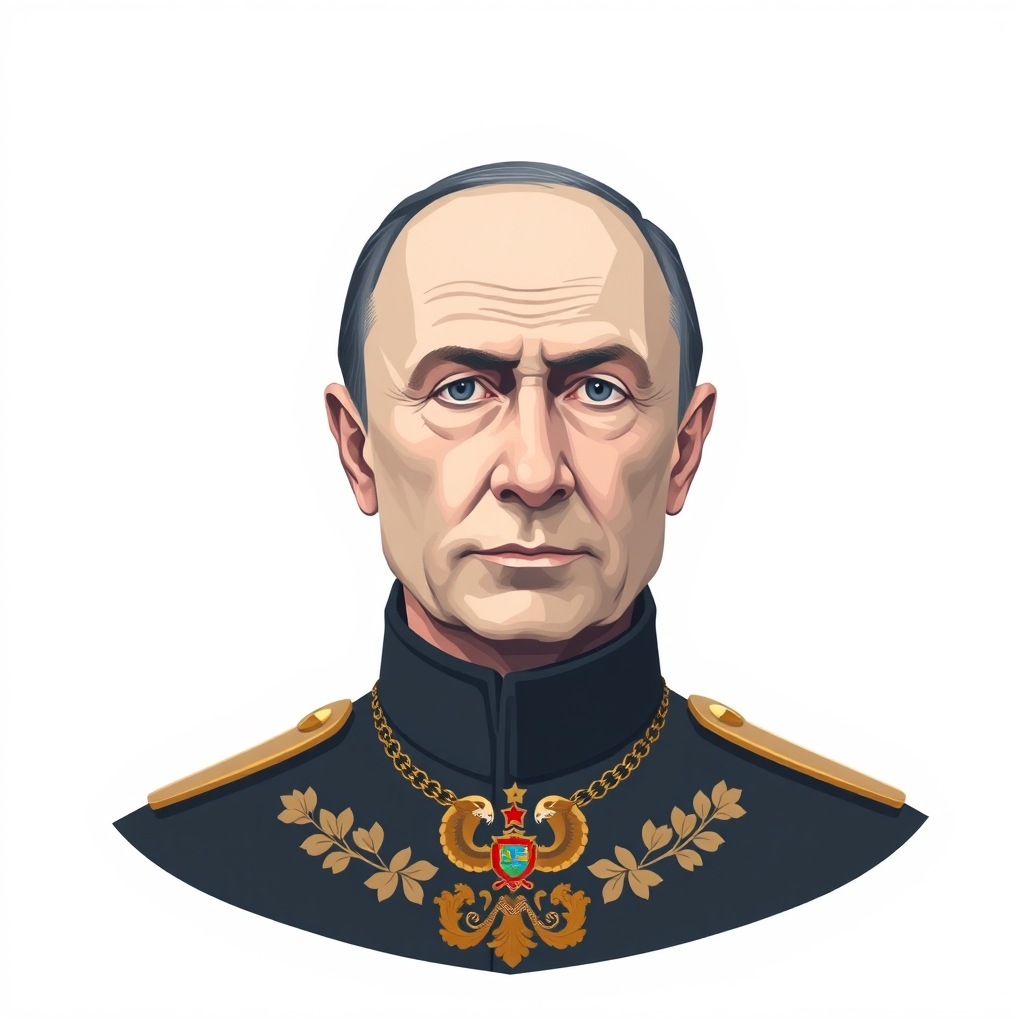
Kremlin
The Russian public refers to the general population of the Russian Federation, whose daily lives, economic conditions, and views on the country's leadership are shaped by the ongoing war and its domestic consequences.
The Kremlin, the fortified complex in Moscow that serves as the seat of the Russian government, is commonly used to refer to the country's central political leadership, including the presidential administration and security services that direct state policy.
The two sides have conflicting interests over the conduct and costs of the war.
Research material describes growing war fatigue, fuel shortages, drone strikes, and mobilization rumors fueling public anxiety, with support for peace talks increasing among the public.
The Kremlin, meanwhile, has sought to insulate the leadership from the war's consequences through financial injections and public opinion manipulation, and it monitors domestic sentiment closely ahead of parliamentary elections.
Further context comes from reporting on internal tensions within the Russian elite, including a described conflict between the presidential administration and the FSB's second directorate, as well as analyses suggesting that public discontent does not necessarily translate into opposition activity.
These dynamics shape how the Kremlin balances public sentiment against its political and security priorities.
*AI-generated summary of publicly available data. This is not an official statement of any party.
*AI-generated summary of publicly available statements and reporting. This is not an official statement of this party.
Supporters of the Russian public argue that wartime anxiety—fuel shortages, drone strikes, and mobilization rumors—has revived a cultural memory of past hardships, making peace talks feel like the historically tested path to stability.
Supporters of the Russian public argue that wartime hardship has revived a long cultural memory of survival through scarcity, making peace talks feel like the historically tested choice over continued sacrifice.
Supporters of Russian public counter that cultural resilience has historically meant preserving everyday civic life, not sacrificing it to state goals—citing wartime letters and samizdat where survival and honesty, not unity, sustained identity.
Supporters of the Russian public argue that international law, including the UN Charter, obliges the Kremlin to respect its citizens' growing call for peace talks and free parliamentary elections.
Supporters of the Russian public invoke international human-rights law, arguing that a government's legitimacy rests on consent and that growing public support for peace talks reflects a lawful exercise of political voice ahead of elections.
Supporters of the Russian public counter that Russia's constitution and international human-rights commitments guarantee peaceful assembly and free expression, so laws restricting anti-war protest conflict with higher legal obligations.
Supporters of the Russian public argue that rising war fatigue and peace-talk sentiment give the Kremlin a calculated reason to ease mobilization fears before elections, since appeasing anxious voters now preserves regime stability later.
Supporters of the Russian public argue that rising war fatigue and fuel shortages give them quiet leverage: peace-talk sentiment is a bargaining chip the Kremlin must weigh before elections.
Supporters of the Russian public counter that staged legitimation and peace signals only work while the public still believes them; once fatigue hardens into indifference, the same tools stop buying leverage and start exposing the Kremlin's dependence on a base it can no longer m.
Supporters of the Russian public argue that war fatigue, fuel shortages, and drone strikes have made peace talks a moral necessity, and that their growing preference for negotiation deserves a voice in the September 2026 elections.
Supporters of the Russian public argue that rising war fatigue, fuel shortages, and mobilization rumors give citizens a moral claim to demand peace talks, insisting a government accountable to the governed should heed that sentiment rather than silence it.
Supporters of the Russian public counter that a state's moral duty includes its own citizens' survival, and that sovereignty defended through endless casualties betrays the very people it claims to protect.
Supporters of the Russian public argue that war fatigue reflects a moral yearning for peace, invoking scripture's blessing on peacemakers to urge the Kremlin to pursue talks before the elections.
Supporters of the Russian public invoke faith and the sanctity of life, arguing that scripture's call to peacemaking obliges the Kremlin to pursue talks rather than sacrifice more souls to war.
Supporters of Russian public counter that the Orthodox tradition itself distinguishes spiritual obedience from blind political loyalty, and that casting wartime endurance as a sacred duty risks idolizing the state above the faith.
*AI-generated summary of publicly available statements and reporting. This is not an official statement of this party.
Supporters of the Kremlin argue that wartime hardship and calls for peace talks test Russia's cultural resilience, and that preserving national unity and identity must come before conceding to external pressure.
Supporters of the Kremlin argue that wartime hardship and calls for peace talks test Russia's cultural unity, and that preserving national identity and sovereignty matters more than temporary public fatigue.
Supporters of the Kremlin counter that this "memory" is selectively invoked: the same cultural tradition celebrates endurance and victory, not concession, so peace talks read as historical erasure rather than stability.
Supporters of the Kremlin argue that under Russian law, organizing or backing unauthorized anti-war protests is illegal, and that electoral dissent must be channeled through the ballot, not street unrest.
Supporters of the Kremlin argue that parliamentary elections are a lawful, sovereign process, and that monitoring public sentiment ahead of the vote is a legitimate exercise of state authority rather than suppression of dissent.
Supporters of the Kremlin counter that the UN Charter affirms sovereignty and non-interference, so Russia's constitutional order—not external readings of international law—governs how its citizens' petitions are addressed.
Supporters of the Kremlin argue that managing public war fatigue is itself a tool of control: they see staged electoral legitimation and controlled peace-talk signals as ways to relieve pressure without surrendering leverage.
Supporters of the Kremlin argue that managing wartime fatigue is a matter of control, not concession: elections must proceed, dissent absorbed, and any peace talk framed as strength, lest bargaining leverage erode.
Supporters of the Kremlin counter that election optics are secondary: the regime's survival rests on coercive capacity, so any easing of mobilization reflects elite bargains and control of security forces, not voter sentiment.
Supporters of the Kremlin argue that preserving national sovereignty and territorial integrity is a moral duty, and that peace talks must reflect the will of the state rather than shifting public fatigue.
Supporters of the Kremlin argue that elections are a sovereign matter for Russians alone, and that outside pressure or premature peace talks would undermine the nation's autonomy and the will of its voters.
Supporters of the Kremlin counter that elections cannot override the moral duty to defend sovereignty, and that talk of fatigue ignores the sacrifices made for national survival.
Supporters of the Kremlin argue that Russia's Orthodox faith and inherited institutions bind society through hardship, framing stability and continuity as sacred duties that outweigh wartime fatigue ahead of the elections.
Supporters of the Kremlin argue that preserving Russia's inherited spiritual and institutional order requires steadfast unity, and that religious tradition counsels patience in testing times rather than division ahead of the elections.
Supporters of the Kremlin counter that scripture also charges rulers with defending the flock, and that Orthodox tradition honors the soldier who shields the innocent, so peacemaking cannot mean surrender before the elections.
AI-generated summary of publicly available statements and reporting. This is not an official statement of this party.
Supporters of the Russian public argue that wartime anxiety—fuel shortages, drone strikes, and mobilization rumors—has revived a cultural memory of past hardships, making peace talks feel like the historically tested path to stability.
Supporters of the Russian public argue that wartime hardship has revived a long cultural memory of survival through scarcity, making peace talks feel like the historically tested choice over continued sacrifice.
Supporters of Russian public counter that cultural resilience has historically meant preserving everyday civic life, not sacrificing it to state goals—citing wartime letters and samizdat where survival and honesty, not unity, sustained identity.
Supporters of the Russian public argue that international law, including the UN Charter, obliges the Kremlin to respect its citizens' growing call for peace talks and free parliamentary elections.
Supporters of the Russian public invoke international human-rights law, arguing that a government's legitimacy rests on consent and that growing public support for peace talks reflects a lawful exercise of political voice ahead of elections.
Supporters of the Russian public counter that Russia's constitution and international human-rights commitments guarantee peaceful assembly and free expression, so laws restricting anti-war protest conflict with higher legal obligations.
Supporters of the Russian public argue that rising war fatigue and peace-talk sentiment give the Kremlin a calculated reason to ease mobilization fears before elections, since appeasing anxious voters now preserves regime stability later.
Supporters of the Russian public argue that rising war fatigue and fuel shortages give them quiet leverage: peace-talk sentiment is a bargaining chip the Kremlin must weigh before elections.
Supporters of the Russian public counter that staged legitimation and peace signals only work while the public still believes them; once fatigue hardens into indifference, the same tools stop buying leverage and start exposing the Kremlin's dependence on a base it can no longer m.
Supporters of the Russian public argue that war fatigue, fuel shortages, and drone strikes have made peace talks a moral necessity, and that their growing preference for negotiation deserves a voice in the September 2026 elections.
Supporters of the Russian public argue that rising war fatigue, fuel shortages, and mobilization rumors give citizens a moral claim to demand peace talks, insisting a government accountable to the governed should heed that sentiment rather than silence it.
Supporters of the Russian public counter that a state's moral duty includes its own citizens' survival, and that sovereignty defended through endless casualties betrays the very people it claims to protect.
Supporters of the Russian public argue that war fatigue reflects a moral yearning for peace, invoking scripture's blessing on peacemakers to urge the Kremlin to pursue talks before the elections.
Supporters of the Russian public invoke faith and the sanctity of life, arguing that scripture's call to peacemaking obliges the Kremlin to pursue talks rather than sacrifice more souls to war.
Supporters of Russian public counter that the Orthodox tradition itself distinguishes spiritual obedience from blind political loyalty, and that casting wartime endurance as a sacred duty risks idolizing the state above the faith.
Supporters of the Kremlin argue that wartime hardship and calls for peace talks test Russia's cultural resilience, and that preserving national unity and identity must come before conceding to external pressure.
Supporters of the Kremlin argue that wartime hardship and calls for peace talks test Russia's cultural unity, and that preserving national identity and sovereignty matters more than temporary public fatigue.
Supporters of the Kremlin counter that this "memory" is selectively invoked: the same cultural tradition celebrates endurance and victory, not concession, so peace talks read as historical erasure rather than stability.
Supporters of the Kremlin argue that under Russian law, organizing or backing unauthorized anti-war protests is illegal, and that electoral dissent must be channeled through the ballot, not street unrest.
Supporters of the Kremlin argue that parliamentary elections are a lawful, sovereign process, and that monitoring public sentiment ahead of the vote is a legitimate exercise of state authority rather than suppression of dissent.
Supporters of the Kremlin counter that the UN Charter affirms sovereignty and non-interference, so Russia's constitutional order—not external readings of international law—governs how its citizens' petitions are addressed.
Supporters of the Kremlin argue that managing public war fatigue is itself a tool of control: they see staged electoral legitimation and controlled peace-talk signals as ways to relieve pressure without surrendering leverage.
Supporters of the Kremlin argue that managing wartime fatigue is a matter of control, not concession: elections must proceed, dissent absorbed, and any peace talk framed as strength, lest bargaining leverage erode.
Supporters of the Kremlin counter that election optics are secondary: the regime's survival rests on coercive capacity, so any easing of mobilization reflects elite bargains and control of security forces, not voter sentiment.
Supporters of the Kremlin argue that preserving national sovereignty and territorial integrity is a moral duty, and that peace talks must reflect the will of the state rather than shifting public fatigue.
Supporters of the Kremlin argue that elections are a sovereign matter for Russians alone, and that outside pressure or premature peace talks would undermine the nation's autonomy and the will of its voters.
Supporters of the Kremlin counter that elections cannot override the moral duty to defend sovereignty, and that talk of fatigue ignores the sacrifices made for national survival.
Supporters of the Kremlin argue that Russia's Orthodox faith and inherited institutions bind society through hardship, framing stability and continuity as sacred duties that outweigh wartime fatigue ahead of the elections.
Supporters of the Kremlin argue that preserving Russia's inherited spiritual and institutional order requires steadfast unity, and that religious tradition counsels patience in testing times rather than division ahead of the elections.
Supporters of the Kremlin counter that scripture also charges rulers with defending the flock, and that Orthodox tradition honors the soldier who shields the innocent, so peacemaking cannot mean surrender before the elections.
Fuel shortages, drone strikes and mobilization rumors are fueling anxiety and war fatigue in Russia. As support for peace talks grows among Russians, the Kremlin is watching closely ahead of parliamentary elections.
The Washington Post reported on a pro-Kremlin lawyer's turn against Putin and described an 'absolutely clear conflict' between the presidential administration and the second directorate of the FSB.
The Wilson Center published a blog post examining how the Russian leadership has insulated itself from the war's consequences through financial injections and public opinion manipulation, while identifying hidden vulnerabilities.