Sacked defence minister
VS
Ukrainian government
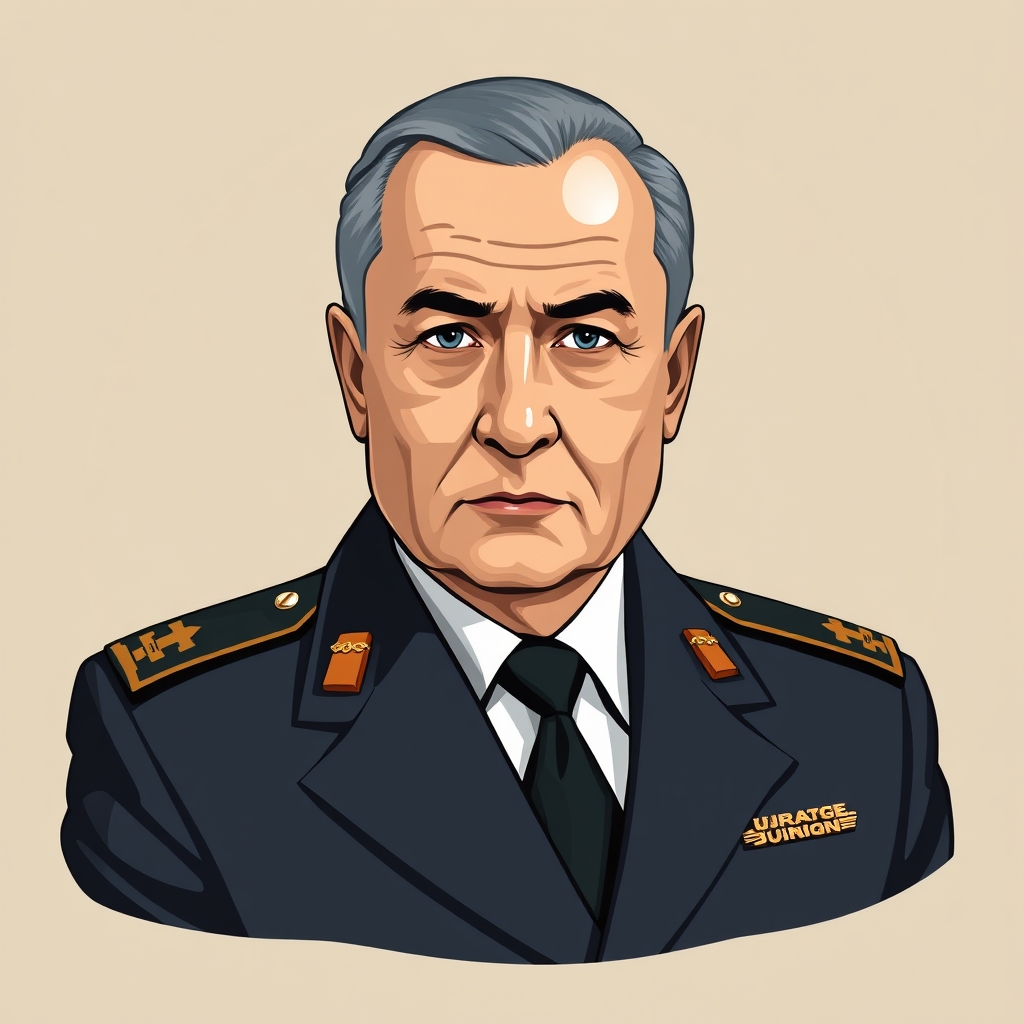
Mykhailo Fedorov is a Ukrainian defence minister who was dismissed by President Volodymyr Zelensky after only six months in office.
Fedorov was popular and his sacking led to nationwide unrest and one of the biggest political crises since Russia's full-scale invasion.
The Ukrainian government, led by President Zelensky, has maintained martial law since February 2022, suspending elections.
Fedorov has called for a presidential election despite the ongoing war and martial law, creating a conflict with the government.
After his dismissal, Zelensky offered Fedorov an alternative post, but Fedorov refused, continuing the battle of wills.
The government faces growing pressure to reinstate Fedorov, while campaigners have vowed to continue their protests.
*AI-generated summary of publicly available data. This is not an official statement of any party.
*AI-generated summary of publicly available statements and reporting. This is not an official statement of this party.
Supporters of the sacked defence minister argue that suspending elections erodes Ukraine's cultural identity as a sovereign democracy, where civic duty and national unity are forged through the ballot.
Supporters of the sacked defence minister argue that Ukraine’s cultural identity as a resilient, democratic nation is eroded by endless martial law, which suspends elections and silences civic voice.
Supporters of the sacked defence minister counter that suspending elections erodes Ukraine’s cultural identity as a resilient democracy, where civic participation defines national unity—delay risks handing Russia a moral victory.
Supporters of the sacked defence minister argue that martial law’s election suspension, while legal under Ukrainian statute, is not absolute; they maintain that international legal norms permit democratic exceptions, and they demand a judicial review to prove the ongoing suspensi.
Supporters of the sacked defence minister argue that Ukraine’s constitution permits elections under martial law, citing legal provisions that do not mandate a blanket suspension.
Supporters of the sacked defence minister counter that constitutional provisions for martial law do not authorize indefinite suspension of elections, citing legal requirements for periodic renewal and judicial oversight.
Supporters of the sacked minister argue elections are a power play, not democracy—martial law lets Kyiv’s elite cling to control, and his call exposes their fear of losing grip amid war’s chaos.
Supporters of the sacked defence minister argue the election call is a power play, not democracy, exposing that Ukraine’s martial law lets the government cling to control while rivals are sidelined.
Supporters of the sacked defence minister counter that elections under martial law are a raw power play, not a principle—Kyiv’s real fear is losing control, not national unity.
Supporters of the sacked defence minister argue that elections are the moral bedrock of liberty, even in wartime, and that suspending them indefinitely erodes individual autonomy.
Supporters of the sacked defence minister argue that elections are a moral duty, not a wartime luxury, since consent of the governed is the bedrock of liberty.
Supporters of the sacked defence minister counter that forcing citizens to fight without a voice is a moral betrayal, as conscription without electoral consent erodes the very liberty defending the nation is meant to protect.
Supporters of the sacked defence minister argue that divine law holds leaders accountable to the people, and that prolonged suspension of elections, even under martial law, risks placing human decree above the sacred duty of righteous governance.
Supporters of the sacked defence minister argue that scripture shows leadership derives from divine will, yet Ukraine's prolonged martial law defies the principle that justice and governance require communal consent.
Supporters of the sacked defence minister counter that sacred duty demands accountability before God, not blind unity; martial law that silences truth-tellers corrupts the righteous defense of the homeland.
*AI-generated summary of publicly available statements and reporting. This is not an official statement of this party.
Supporters of the Ukrainian government argue that martial law’s suspension of elections is a wartime necessity, preserving national unity against an existential threat, as precedent shows democracies delay votes during crises.
Supporters of the Ukrainian government argue that suspending elections under martial law honors a wartime cultural tradition of unity, prioritizing survival over political division.
Supporters of the Ukrainian government counter that wartime survival, not the ballot, now defines national identity, citing past crises where survival of cultural institutions outweighed electoral ritual.
Supporters of the Ukrainian government argue that martial law legally suspends elections under the constitution, prioritizing national survival over electoral timelines during active conflict.
Supporters of the Ukrainian government argue that martial law legally suspends elections, as permitted by Ukraine’s constitution during wartime, to ensure national survival.
Supporters of the Ukrainian government counter that martial law’s election suspension is a sovereign legal act, fully compliant with national statute, and that international norms defer to domestic security exigencies; they argue judicial review would undermine operational stabil.
Supporters of the Ukrainian government argue that holding elections under martial law would hand Kyiv’s enemies a strategic gift, fracturing wartime unity for symbolic gain.
Supporters of the Ukrainian government argue that elections under martial law would fracture a wartime chain of command, handing Moscow a strategic opening to exploit internal division for battlefield gains.
Supporters of the Ukrainian government counter that martial law is a survival tool, not a power grab—elections amid Russian invasion would hand Moscow a propaganda win and destabilize the front.
Supporters of the Ukrainian government argue that holding elections under martial law would endanger lives, as wartime voting undermines national unity and moral duty to prioritize defense.
Supporters of the Ukrainian government argue that holding elections under martial law would betray the moral duty to prioritize national survival, as history shows wartime votes often fracture unity and hand advantage to the aggressor.
Supporters of the Ukrainian government counter that wartime survival outweighs electoral ritual, citing past democracies that postponed votes under existential threat, where collective defense—not individual autonomy—proved the moral foundation of liberty.
Supporters of the Ukrainian government argue that wartime unity, upheld through martial law, mirrors a sacred duty to defend the homeland, prioritizing collective survival over electoral ritual.
Supporters of the Ukrainian government argue that sacred duty to protect the nation’s faithful outweighs electoral ritual, as martial law preserves order and divine-ordained stability in wartime.
Supporters of the Ukrainian government counter that sacred duty demands protecting the flock above all, and that wartime suspension of elections preserves the nation’s God-given sovereignty from external destruction.
AI-generated summary of publicly available statements and reporting. This is not an official statement of this party.
Supporters of the sacked defence minister argue that suspending elections erodes Ukraine's cultural identity as a sovereign democracy, where civic duty and national unity are forged through the ballot.
Supporters of the sacked defence minister argue that Ukraine’s cultural identity as a resilient, democratic nation is eroded by endless martial law, which suspends elections and silences civic voice.
Supporters of the sacked defence minister counter that suspending elections erodes Ukraine’s cultural identity as a resilient democracy, where civic participation defines national unity—delay risks handing Russia a moral victory.
Supporters of the sacked defence minister argue that martial law’s election suspension, while legal under Ukrainian statute, is not absolute; they maintain that international legal norms permit democratic exceptions, and they demand a judicial review to prove the ongoing suspensi.
Supporters of the sacked defence minister argue that Ukraine’s constitution permits elections under martial law, citing legal provisions that do not mandate a blanket suspension.
Supporters of the sacked defence minister counter that constitutional provisions for martial law do not authorize indefinite suspension of elections, citing legal requirements for periodic renewal and judicial oversight.
Supporters of the sacked minister argue elections are a power play, not democracy—martial law lets Kyiv’s elite cling to control, and his call exposes their fear of losing grip amid war’s chaos.
Supporters of the sacked defence minister argue the election call is a power play, not democracy, exposing that Ukraine’s martial law lets the government cling to control while rivals are sidelined.
Supporters of the sacked defence minister counter that elections under martial law are a raw power play, not a principle—Kyiv’s real fear is losing control, not national unity.
Supporters of the sacked defence minister argue that elections are the moral bedrock of liberty, even in wartime, and that suspending them indefinitely erodes individual autonomy.
Supporters of the sacked defence minister argue that elections are a moral duty, not a wartime luxury, since consent of the governed is the bedrock of liberty.
Supporters of the sacked defence minister counter that forcing citizens to fight without a voice is a moral betrayal, as conscription without electoral consent erodes the very liberty defending the nation is meant to protect.
Supporters of the sacked defence minister argue that divine law holds leaders accountable to the people, and that prolonged suspension of elections, even under martial law, risks placing human decree above the sacred duty of righteous governance.
Supporters of the sacked defence minister argue that scripture shows leadership derives from divine will, yet Ukraine's prolonged martial law defies the principle that justice and governance require communal consent.
Supporters of the sacked defence minister counter that sacred duty demands accountability before God, not blind unity; martial law that silences truth-tellers corrupts the righteous defense of the homeland.
Supporters of the Ukrainian government argue that martial law’s suspension of elections is a wartime necessity, preserving national unity against an existential threat, as precedent shows democracies delay votes during crises.
Supporters of the Ukrainian government argue that suspending elections under martial law honors a wartime cultural tradition of unity, prioritizing survival over political division.
Supporters of the Ukrainian government counter that wartime survival, not the ballot, now defines national identity, citing past crises where survival of cultural institutions outweighed electoral ritual.
Supporters of the Ukrainian government argue that martial law legally suspends elections under the constitution, prioritizing national survival over electoral timelines during active conflict.
Supporters of the Ukrainian government argue that martial law legally suspends elections, as permitted by Ukraine’s constitution during wartime, to ensure national survival.
Supporters of the Ukrainian government counter that martial law’s election suspension is a sovereign legal act, fully compliant with national statute, and that international norms defer to domestic security exigencies; they argue judicial review would undermine operational stabil.
Supporters of the Ukrainian government argue that holding elections under martial law would hand Kyiv’s enemies a strategic gift, fracturing wartime unity for symbolic gain.
Supporters of the Ukrainian government argue that elections under martial law would fracture a wartime chain of command, handing Moscow a strategic opening to exploit internal division for battlefield gains.
Supporters of the Ukrainian government counter that martial law is a survival tool, not a power grab—elections amid Russian invasion would hand Moscow a propaganda win and destabilize the front.
Supporters of the Ukrainian government argue that holding elections under martial law would endanger lives, as wartime voting undermines national unity and moral duty to prioritize defense.
Supporters of the Ukrainian government argue that holding elections under martial law would betray the moral duty to prioritize national survival, as history shows wartime votes often fracture unity and hand advantage to the aggressor.
Supporters of the Ukrainian government counter that wartime survival outweighs electoral ritual, citing past democracies that postponed votes under existential threat, where collective defense—not individual autonomy—proved the moral foundation of liberty.
Supporters of the Ukrainian government argue that wartime unity, upheld through martial law, mirrors a sacred duty to defend the homeland, prioritizing collective survival over electoral ritual.
Supporters of the Ukrainian government argue that sacred duty to protect the nation’s faithful outweighs electoral ritual, as martial law preserves order and divine-ordained stability in wartime.
Supporters of the Ukrainian government counter that sacred duty demands protecting the flock above all, and that wartime suspension of elections preserves the nation’s God-given sovereignty from external destruction.
The sacked former defence minister has also called for elections to be held in Ukraine.
Ukrainians in Kyiv held a protest in support of ousted defence Minister Mykailo Fedorov.
Ukraine’s sacked defence minister calls for wartime elections
Mykhailo Fedorov refused President Zelensky's offer to accept an alternative post, as the battle of wills continued.
Zelenskyy was under growing pressure to reinstate his sacked defence minister, as campaigners said they would continue their protests.
The popular defence minister, Mykhailo Fedorov, was stripped of his role after only six months in office, sparking nationwide unrest.
The sacking of Fedorov led to almost a week of nationwide unrest and represented one of the biggest political crises since Russia's full-scale invasion.
Sacked defence minister Fedorov was offered a position back in government after the firing of the head of the army.
Russia launched a full-scale invasion of Ukraine, leading to the current war.
Martial law has been in place in Ukraine since February 2022, under which elections are suspended.