Samira

VS
Tehran regime
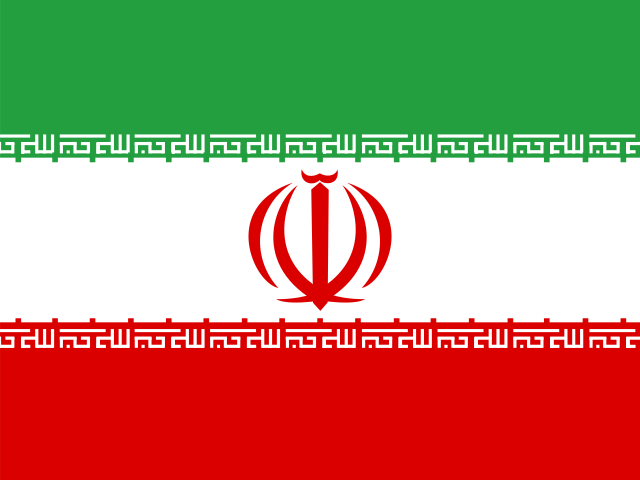
Samira, the mother of Iranian teenager Sevda who was shot dead, is seeking justice and speaking out against the Tehran regime.
The article follows her efforts to confront authorities over her daughter's killing.
*AI-generated summary of publicly available data. This is not an official statement of any party.
*AI-generated summary of publicly available statements and reporting. This is not an official statement of this party.
Supporters of Samira frame her quest as a cultural duty: honoring a daughter's memory and the family's moral standing before a regime they say tramples inherited norms of justice and accountability.
Supporters of Samira frame her quest as a defense of cultural continuity: they argue that families honoring the dead and demanding accountability uphold inherited moral duties the Tehran regime violates.
Supporters of Samira counter that a cultural identity claiming to rest on sovereignty gains nothing by silencing Sevda's story, since inherited traditions are sustained by open reckoning with injustice, not by suppressing the voices of those the culture claims to protect.
Supporters of Samira argue that Sevda's killing demands an independent legal accounting, and they maintain that a state whose security forces kill a teenager must answer through transparent, impartial proceedings rather than silence.
Supporters of Samira argue that the killing of her daughter Sevda demands an independent legal investigation and accountability under due process, maintaining that a state which answers a family's plea for justice with silence forfeits its claim to lawful authority.
Supporters of Samira counter that Iran's courts lack independence, so due process cannot be the sole route; they argue external scrutiny and documentation are legitimate legal tools when domestic adjudication is structurally compromised.
Supporters of Samira argue that a grieving mother's public demand for accountability is a calculated moral weapon—her credibility as a bereaved parent exposes the regime's inability to justify Sevda's killing, making her testimony harder to dismiss than any opposition rhetoric.
Supporters of Samira argue that a grieving mother's moral authority is itself leverage: by naming the killing publicly, she forces the Tehran regime to absorb a legitimacy cost no denial can erase.
Supporters of Samira counter that the regime's security framing is itself a power move: casting her grief as foreign leverage lets the state crush a domestic challenge while claiming self-defense, which reveals whose interests the narrative serves.
Supporters of Samira argue that a mother seeking accountability for her daughter Sevda's killing speaks to a basic moral duty, and that authorities who answer grief with silence owe the family truth and justice.
Supporters of Samira argue that a mother seeking accountability for her daughter Sevda's killing speaks to a basic moral duty: no government should leave a family's grief unanswered or treat a child's death as something to be explained away.
Supporters of Samira counter that "order and stability" cannot be weighed against a life, since a state that treats lethal incidents as acceptable costs has already forfeited the moral standing to claim legitimacy.
Supporters of Samira invoke the religious duty of justice and the sanctity of life, arguing that a mother's pursuit of accountability for her daughter's killing is a moral and faith-rooted obligation that the Tehran regime cannot legitimately silence.
Supporters of Samira invoke the religious duty of justice (qisas) and the sanctity of life, arguing that a mother's pursuit of accountability for Sevda's killing reflects Islamic values the Tehran regime claims to uphold.
Supporters of Samira counter that divine sovereignty cannot be claimed by fallible men, arguing that the regime's blending of clerical authority with state power usurps what belongs to God alone.
*AI-generated summary of publicly available statements and reporting. This is not an official statement of this party.
Supporters of the Tehran regime argue that cases like Sevda's are exploited by foreign media to erode Iran's cultural identity, insisting that national unity and sovereignty must take precedence over narratives they view as externally driven.
Supporters of the Tehran regime argue that external critics exploit such cases to undermine Iran's cultural sovereignty, insisting that internal legal and religious institutions, not foreign voices, hold authority over the nation's affairs.
Supporters of the Tehran regime counter that Iran's inherited cultural norms and national identity are defined by the state's guardianship of Islamic values, not family vendettas.
Supporters of the Tehran regime argue that any killing must be adjudicated through Iran's courts and legal channels, not public campaigns, contending that due process—not outside pressure—is the proper route to accountability.
Supporters of the Tehran regime argue that any killing must be assessed through Iran's legal process, not public pressure, contending that courts—not activists—hold authority to establish facts and accountability in Sevda's case.
Supporters of the Tehran regime counter that Iran's legal system already provides the proper forum, and they argue that outside demands for independent proceedings bypass existing judicial channels rather than strengthen them.
Supporters of the Tehran regime argue that Samira's public grief is being leveraged by foreign adversaries to destabilize the state, so they frame her testimony as a security matter rather than a quest for justice.
Supporters of the Tehran regime argue that conceding fault in Sevda's killing would invite foreign pressure and embolden dissent, so they frame Samira's demands as destabilizing rather than just.
Supporters of the Tehran regime counter that public grief is itself a political resource, and that a bereaved mother's testimony becomes a focal point rival factions can rally around—so the regime's priority is managing the narrative, not answering the moral claim.
Supporters of the Tehran regime argue that isolated lethal incidents, however tragic, do not justify outside condemnation of Iran's security forces, and they maintain that order and stability outweigh individual grievances.
Supporters of the Tehran regime argue that authorities answer to the law, not to public pressure, and maintain that any review of Sevda's killing must follow legal channels rather than outside campaigns.
Supporters of the Tehran regime counter that moral duty runs both ways, arguing that a state owes stability and order to the whole society, and that pursuing one family's demand outside established legal channels risks undermining the justice system itself.
Supporters of the Tehran regime invoke divine sovereignty and clerical authority, arguing that God ordains rulers and that obedience to the velayat-e faqih is a religious duty, so they frame criticism by Samira as defiance of sacred order rather than a legitimate grievance.
Supporters of the Tehran regime invoke divine sovereignty and clerical authority, arguing that God ordains rulers and that dissent against the state's religious order is a spiritual offense, so they cast Samira's demands as defiance of doctrine.
Supporters of the Tehran regime counter that qisas and public order fall under the guardianship of the Islamic state, arguing that religious justice is administered through divinely sanctioned courts rather than personal or family-led demands.
AI-generated summary of publicly available statements and reporting. This is not an official statement of this party.
Supporters of Samira frame her quest as a cultural duty: honoring a daughter's memory and the family's moral standing before a regime they say tramples inherited norms of justice and accountability.
Supporters of Samira frame her quest as a defense of cultural continuity: they argue that families honoring the dead and demanding accountability uphold inherited moral duties the Tehran regime violates.
Supporters of Samira counter that a cultural identity claiming to rest on sovereignty gains nothing by silencing Sevda's story, since inherited traditions are sustained by open reckoning with injustice, not by suppressing the voices of those the culture claims to protect.
Supporters of Samira argue that Sevda's killing demands an independent legal accounting, and they maintain that a state whose security forces kill a teenager must answer through transparent, impartial proceedings rather than silence.
Supporters of Samira argue that the killing of her daughter Sevda demands an independent legal investigation and accountability under due process, maintaining that a state which answers a family's plea for justice with silence forfeits its claim to lawful authority.
Supporters of Samira counter that Iran's courts lack independence, so due process cannot be the sole route; they argue external scrutiny and documentation are legitimate legal tools when domestic adjudication is structurally compromised.
Supporters of Samira argue that a grieving mother's public demand for accountability is a calculated moral weapon—her credibility as a bereaved parent exposes the regime's inability to justify Sevda's killing, making her testimony harder to dismiss than any opposition rhetoric.
Supporters of Samira argue that a grieving mother's moral authority is itself leverage: by naming the killing publicly, she forces the Tehran regime to absorb a legitimacy cost no denial can erase.
Supporters of Samira counter that the regime's security framing is itself a power move: casting her grief as foreign leverage lets the state crush a domestic challenge while claiming self-defense, which reveals whose interests the narrative serves.
Supporters of Samira argue that a mother seeking accountability for her daughter Sevda's killing speaks to a basic moral duty, and that authorities who answer grief with silence owe the family truth and justice.
Supporters of Samira argue that a mother seeking accountability for her daughter Sevda's killing speaks to a basic moral duty: no government should leave a family's grief unanswered or treat a child's death as something to be explained away.
Supporters of Samira counter that "order and stability" cannot be weighed against a life, since a state that treats lethal incidents as acceptable costs has already forfeited the moral standing to claim legitimacy.
Supporters of Samira invoke the religious duty of justice and the sanctity of life, arguing that a mother's pursuit of accountability for her daughter's killing is a moral and faith-rooted obligation that the Tehran regime cannot legitimately silence.
Supporters of Samira invoke the religious duty of justice (qisas) and the sanctity of life, arguing that a mother's pursuit of accountability for Sevda's killing reflects Islamic values the Tehran regime claims to uphold.
Supporters of Samira counter that divine sovereignty cannot be claimed by fallible men, arguing that the regime's blending of clerical authority with state power usurps what belongs to God alone.
Supporters of the Tehran regime argue that cases like Sevda's are exploited by foreign media to erode Iran's cultural identity, insisting that national unity and sovereignty must take precedence over narratives they view as externally driven.
Supporters of the Tehran regime argue that external critics exploit such cases to undermine Iran's cultural sovereignty, insisting that internal legal and religious institutions, not foreign voices, hold authority over the nation's affairs.
Supporters of the Tehran regime counter that Iran's inherited cultural norms and national identity are defined by the state's guardianship of Islamic values, not family vendettas.
Supporters of the Tehran regime argue that any killing must be adjudicated through Iran's courts and legal channels, not public campaigns, contending that due process—not outside pressure—is the proper route to accountability.
Supporters of the Tehran regime argue that any killing must be assessed through Iran's legal process, not public pressure, contending that courts—not activists—hold authority to establish facts and accountability in Sevda's case.
Supporters of the Tehran regime counter that Iran's legal system already provides the proper forum, and they argue that outside demands for independent proceedings bypass existing judicial channels rather than strengthen them.
Supporters of the Tehran regime argue that Samira's public grief is being leveraged by foreign adversaries to destabilize the state, so they frame her testimony as a security matter rather than a quest for justice.
Supporters of the Tehran regime argue that conceding fault in Sevda's killing would invite foreign pressure and embolden dissent, so they frame Samira's demands as destabilizing rather than just.
Supporters of the Tehran regime counter that public grief is itself a political resource, and that a bereaved mother's testimony becomes a focal point rival factions can rally around—so the regime's priority is managing the narrative, not answering the moral claim.
Supporters of the Tehran regime argue that isolated lethal incidents, however tragic, do not justify outside condemnation of Iran's security forces, and they maintain that order and stability outweigh individual grievances.
Supporters of the Tehran regime argue that authorities answer to the law, not to public pressure, and maintain that any review of Sevda's killing must follow legal channels rather than outside campaigns.
Supporters of the Tehran regime counter that moral duty runs both ways, arguing that a state owes stability and order to the whole society, and that pursuing one family's demand outside established legal channels risks undermining the justice system itself.
Supporters of the Tehran regime invoke divine sovereignty and clerical authority, arguing that God ordains rulers and that obedience to the velayat-e faqih is a religious duty, so they frame criticism by Samira as defiance of sacred order rather than a legitimate grievance.
Supporters of the Tehran regime invoke divine sovereignty and clerical authority, arguing that God ordains rulers and that dissent against the state's religious order is a spiritual offense, so they cast Samira's demands as defiance of doctrine.
Supporters of the Tehran regime counter that qisas and public order fall under the guardianship of the Islamic state, arguing that religious justice is administered through divinely sanctioned courts rather than personal or family-led demands.