Senator Sullivan

VS
Trump administration
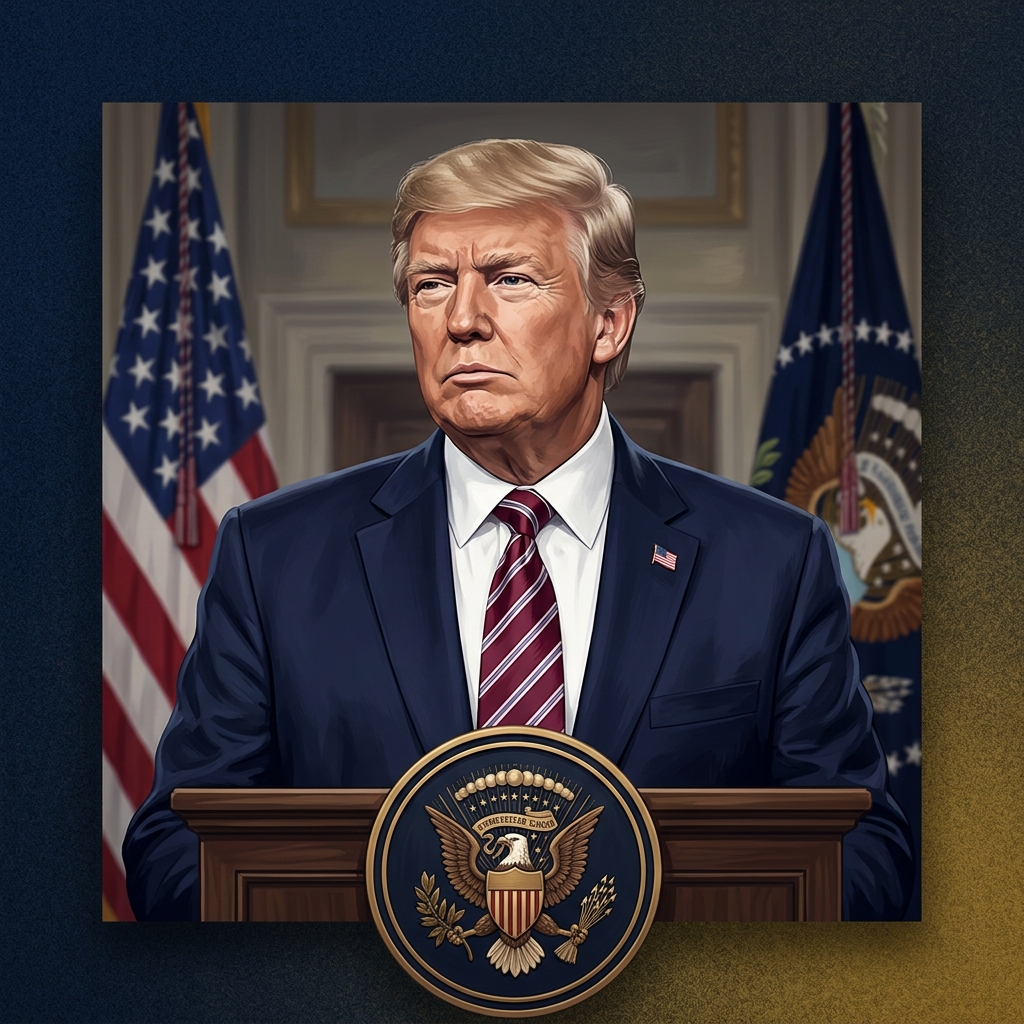
Senator Sullivan has pledged to honor the outcome of Alaska's election, while the Trump administration has sought to challenge the state's election certification.
The dispute centers on whether the certified election results should be accepted or contested.
*AI-generated summary of publicly available data. This is not an official statement of any party.
*AI-generated summary of publicly available statements and reporting. This is not an official statement of this party.
Supporters of Senator Sullivan argue that accepting certified election results reflects Alaska's civic tradition of respecting local voters' verdict, pointing to the judge's dismissal of the DOJ lawsuit as evidence that outside challenges clash with that norm.
Supporters of Senator Sullivan argue that conceding a certified election is a civic duty rooted in America's tradition of peaceful transfers of power, and they point to the judge's dismissal of the DOJ suit as vindication of that norm.
Supporters of Senator Sullivan counter that Alaska's voters have long guarded their own election integrity, and that outside challenges to a state's certification undercut the cultural principle of local self-governance.
Supporters of Senator Sullivan argue that once a federal judge has dismissed the challenge to Alaska's certification, the legal process has run its course and the certified result must be honored.
Supporters of Senator Sullivan argue that the judge's dismissal confirms Alaska's certification stands as lawful, and that honoring the state's certified election outcome upholds the legal authority of state election results over federal challenge.
Supporters of Senator Sullivan counter that the DOJ's suit failed for lack of standing and was dismissed, so continued challenges after certification test the rule of law rather than vindicate it.
Supporters of Senator Sullivan argue that backing Alaska's certified results is the shrewdest play, since the courts already dismissed the DOJ challenge and defending state sovereignty costs him little while insulating him from a losing fight.
Supporters of Senator Sullivan argue that backing Alaska's certified results is the shrewdest play: a judge already dismissed the DOJ suit, so defying certification invites legal defeat while conceding nothing.
Supporters of Senator Sullivan counter that a dismissed DOJ suit proves nothing but wasted leverage—courts reward standing, not grievance—and that forcing a procedural fight into open court ceded the initiative while delivering no concrete gain.
Supporters of Senator Sullivan argue that honoring Alaska's certified election results is a moral duty, pointing to the judge's dismissal of the DOJ lawsuit as affirmation that election integrity means respecting the voters' will.
Supporters of Senator Sullivan argue that honoring Alaska’s certified election is a moral duty, pointing to the judge’s dismissal of the DOJ lawsuit as evidence that contesting the results undermines public trust.
Supporters of Senator Sullivan counter that a moral duty to verify results cannot justify contesting certification without credible evidence, since baseless challenges undermine the very public trust in elections that integrity scrutiny is meant to protect.
Supporters of Senator Sullivan argue that honoring Alaska's certified election reflects a moral duty to truth and lawful authority, and they point to the judge's dismissal of the DOJ lawsuit as evidence that the certification stands.
Supporters of Senator Sullivan argue that honoring Alaska's certified election reflects a moral duty to render unto governing authorities what is theirs, citing scripture's call to submit to lawful processes and the judge's dismissal as vindication.
Supporters of Senator Sullivan counter that scripture commands respect for lawful authority and honest weights, so a dismissed suit offers no moral license to contest a certified result.
*AI-generated summary of publicly available statements and reporting. This is not an official statement of this party.
Supporters of the Trump administration argue that contesting Alaska's certification reflects a duty to safeguard electoral integrity and public trust in institutions, maintaining that questions about the process merit review rather than automatic acceptance.
Supporters of the Trump administration argue that contesting Alaska’s certification reflects a duty to protect electoral integrity and public trust in institutions, maintaining that established procedures should be tested rather than passively accepted.
Supporters of the Trump administration counter that a state's civic tradition cannot override the federal interest in election integrity, arguing that deference to local verdicts is itself a cultural norm subordinate to constitutional safeguards.
Supporters of the Trump administration argue that legal challenges to Alaska's certification, even after a judge dismissed the DOJ lawsuit, are a legitimate exercise of judicial review rather than an attack on the vote count.
Supporters of the Trump administration argue that legal challenges to Alaska's certification are a legitimate exercise of the right to contest election results in court.
Supporters of the Trump administration counter that a single district court dismissal does not exhaust the legal process, since appellate review remains available and certification can be revisited if that review finds the challenge was dismissed in error.
Supporters of the Trump administration argue that contesting Alaska’s certification is a legitimate power play to expose procedural flaws, and they point to the dismissed DOJ suit as proof the fight was forced into court rather than conceded quietly.
Supporters of the Trump administration argue that contesting Alaska’s certification is a leverage play: they point to the dismissed DOJ suit as proof that courts, not precedent, decide outcomes, so pressing the challenge costs little and keeps pressure on rivals.
Supporters of the Trump administration counter that the courts' dismissal proves nothing about power: the DOJ challenge failed on standing, not merits, and they argue Sullivan gains more by staying aligned with federal leverage than by banking goodwill with a state whose voters a.
Supporters of Trump administration argue that contesting certification serves election integrity, maintaining that dismissing the DOJ lawsuit forecloses scrutiny voters deserve—a moral duty to verify results, not merely accept them.
Supporters of the Trump administration argue that contesting certification is a moral duty to ensure only lawful ballots count, pointing to the dismissed DOJ lawsuit as proof the courts, not concession, must settle disputes.
Supporters of the Trump administration counter that moral duty runs to citizens denied a trustworthy count, arguing that deferring to certified results without scrutiny can entrench the very disenfranchisement the voters' will is meant to protect.
Supporters of the Trump administration argue that contesting Alaska's certification upholds a moral duty to protect election integrity, citing the dismissed DOJ lawsuit as evidence that scrutiny of the process remains warranted.
Supporters of the Trump administration argue that contesting Alaska’s certification upholds a moral duty to protect election integrity, maintaining that respect for lawful authority requires ensuring every vote is counted honestly.
Supporters of the Trump administration counter that lawful certification alone cannot settle moral legitimacy, since religious conviction holds that justice must rest on truthful ballots, not merely on a judge's procedural ruling.
AI-generated summary of publicly available statements and reporting. This is not an official statement of this party.
Supporters of Senator Sullivan argue that accepting certified election results reflects Alaska's civic tradition of respecting local voters' verdict, pointing to the judge's dismissal of the DOJ lawsuit as evidence that outside challenges clash with that norm.
Supporters of Senator Sullivan argue that conceding a certified election is a civic duty rooted in America's tradition of peaceful transfers of power, and they point to the judge's dismissal of the DOJ suit as vindication of that norm.
Supporters of Senator Sullivan counter that Alaska's voters have long guarded their own election integrity, and that outside challenges to a state's certification undercut the cultural principle of local self-governance.
Supporters of Senator Sullivan argue that once a federal judge has dismissed the challenge to Alaska's certification, the legal process has run its course and the certified result must be honored.
Supporters of Senator Sullivan argue that the judge's dismissal confirms Alaska's certification stands as lawful, and that honoring the state's certified election outcome upholds the legal authority of state election results over federal challenge.
Supporters of Senator Sullivan counter that the DOJ's suit failed for lack of standing and was dismissed, so continued challenges after certification test the rule of law rather than vindicate it.
Supporters of Senator Sullivan argue that backing Alaska's certified results is the shrewdest play, since the courts already dismissed the DOJ challenge and defending state sovereignty costs him little while insulating him from a losing fight.
Supporters of Senator Sullivan argue that backing Alaska's certified results is the shrewdest play: a judge already dismissed the DOJ suit, so defying certification invites legal defeat while conceding nothing.
Supporters of Senator Sullivan counter that a dismissed DOJ suit proves nothing but wasted leverage—courts reward standing, not grievance—and that forcing a procedural fight into open court ceded the initiative while delivering no concrete gain.
Supporters of Senator Sullivan argue that honoring Alaska's certified election results is a moral duty, pointing to the judge's dismissal of the DOJ lawsuit as affirmation that election integrity means respecting the voters' will.
Supporters of Senator Sullivan argue that honoring Alaska’s certified election is a moral duty, pointing to the judge’s dismissal of the DOJ lawsuit as evidence that contesting the results undermines public trust.
Supporters of Senator Sullivan counter that a moral duty to verify results cannot justify contesting certification without credible evidence, since baseless challenges undermine the very public trust in elections that integrity scrutiny is meant to protect.
Supporters of Senator Sullivan argue that honoring Alaska's certified election reflects a moral duty to truth and lawful authority, and they point to the judge's dismissal of the DOJ lawsuit as evidence that the certification stands.
Supporters of Senator Sullivan argue that honoring Alaska's certified election reflects a moral duty to render unto governing authorities what is theirs, citing scripture's call to submit to lawful processes and the judge's dismissal as vindication.
Supporters of Senator Sullivan counter that scripture commands respect for lawful authority and honest weights, so a dismissed suit offers no moral license to contest a certified result.
Supporters of the Trump administration argue that contesting Alaska's certification reflects a duty to safeguard electoral integrity and public trust in institutions, maintaining that questions about the process merit review rather than automatic acceptance.
Supporters of the Trump administration argue that contesting Alaska’s certification reflects a duty to protect electoral integrity and public trust in institutions, maintaining that established procedures should be tested rather than passively accepted.
Supporters of the Trump administration counter that a state's civic tradition cannot override the federal interest in election integrity, arguing that deference to local verdicts is itself a cultural norm subordinate to constitutional safeguards.
Supporters of the Trump administration argue that legal challenges to Alaska's certification, even after a judge dismissed the DOJ lawsuit, are a legitimate exercise of judicial review rather than an attack on the vote count.
Supporters of the Trump administration argue that legal challenges to Alaska's certification are a legitimate exercise of the right to contest election results in court.
Supporters of the Trump administration counter that a single district court dismissal does not exhaust the legal process, since appellate review remains available and certification can be revisited if that review finds the challenge was dismissed in error.
Supporters of the Trump administration argue that contesting Alaska’s certification is a legitimate power play to expose procedural flaws, and they point to the dismissed DOJ suit as proof the fight was forced into court rather than conceded quietly.
Supporters of the Trump administration argue that contesting Alaska’s certification is a leverage play: they point to the dismissed DOJ suit as proof that courts, not precedent, decide outcomes, so pressing the challenge costs little and keeps pressure on rivals.
Supporters of the Trump administration counter that the courts' dismissal proves nothing about power: the DOJ challenge failed on standing, not merits, and they argue Sullivan gains more by staying aligned with federal leverage than by banking goodwill with a state whose voters a.
Supporters of Trump administration argue that contesting certification serves election integrity, maintaining that dismissing the DOJ lawsuit forecloses scrutiny voters deserve—a moral duty to verify results, not merely accept them.
Supporters of the Trump administration argue that contesting certification is a moral duty to ensure only lawful ballots count, pointing to the dismissed DOJ lawsuit as proof the courts, not concession, must settle disputes.
Supporters of the Trump administration counter that moral duty runs to citizens denied a trustworthy count, arguing that deferring to certified results without scrutiny can entrench the very disenfranchisement the voters' will is meant to protect.
Supporters of the Trump administration argue that contesting Alaska's certification upholds a moral duty to protect election integrity, citing the dismissed DOJ lawsuit as evidence that scrutiny of the process remains warranted.
Supporters of the Trump administration argue that contesting Alaska’s certification upholds a moral duty to protect election integrity, maintaining that respect for lawful authority requires ensuring every vote is counted honestly.
Supporters of the Trump administration counter that lawful certification alone cannot settle moral legitimacy, since religious conviction holds that justice must rest on truthful ballots, not merely on a judge's procedural ruling.
A US judge dismissed a Department of Justice lawsuit related to Alaska's election certification.