Senator Tim Kaine

VS
President Trump
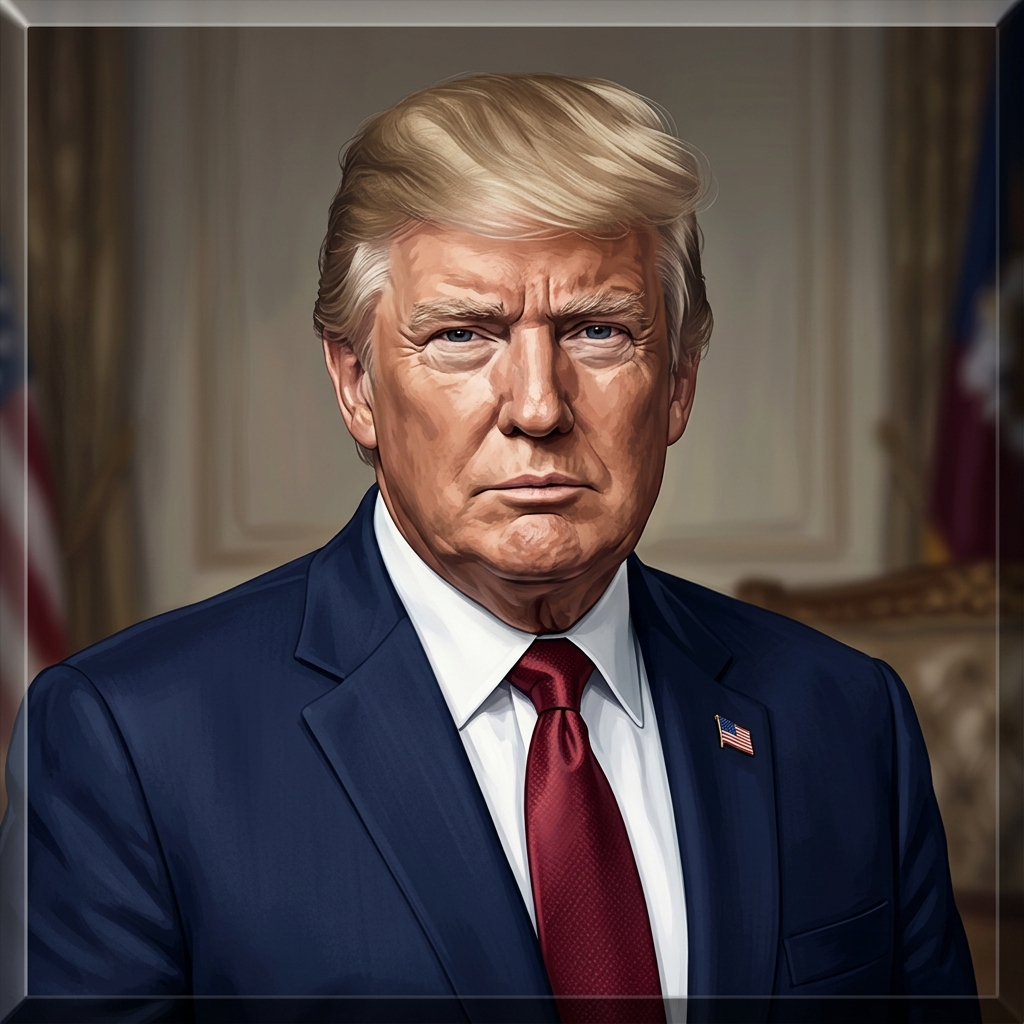
Senator Tim Kaine is a Democratic U.S.
Senator from Virginia, known for his outspoken criticism of President Donald Trump's foreign policy, particularly regarding military actions in the Middle East.
President Trump, a Republican, has pursued aggressive military and diplomatic strategies, including threats against Oman and actions in Iran, which have drawn sharp opposition from Kaine and other Democrats.
Their conflict centers on the legality and justification of U.S. military engagements.
Kaine has repeatedly accused Trump of waging an "illegal war" against Iran, arguing that the president lacks congressional authorization and has overstepped executive authority.
In response to Trump's threats against Oman, Kaine plans to introduce a war powers resolution to block such action, highlighting the broader clash between congressional war powers and presidential prerogative.
The stakes include the safety of U.S. servicemembers, whose deployments have been disrupted and extended due to ongoing conflicts, and the constitutional balance of power over military decisions.
Kaine has also criticized Trump's Iran deal, claiming it gives Tehran more while securing fewer guarantees, and has called for Congress to assert its role in foreign policy.
*AI-generated summary of publicly available data. This is not an official statement of any party.
*AI-generated summary of publicly available statements and reporting. This is not an official statement of this party.
Supporters of Senator Tim Kaine argue that his war powers resolution upholds the constitutional tradition of congressional consent, preserving the nation’s inherited legal order over impulsive executive action.
Supporters of Senator Tim Kaine argue that his war powers resolution upholds the constitutional tradition of congressional consent for military action, preserving the nation’s deliberative checks against unilateral executive impulse.
Supporters of Senator Tim Kaine counter that presidential war powers rest on congressional consent, a constitutional tradition older than any single presidency.
Supporters of Senator Tim Kaine argue that the Constitution grants Congress, not the President, the sole authority to declare war, making any unilateral strike on Oman legally invalid without legislative approval.
Supporters of Senator Tim Kaine argue the Constitution vests war-declaring authority in Congress, so President Trump lacks legal grounds to strike Oman absent explicit legislative approval.
Supporters of Senator Tim Kaine counter that the Constitution’s War Powers Clause explicitly grants Congress, not the President, the sole authority to declare war, and that the 1973 resolution exists precisely to check unilateral executive action.
Supporters of Senator Tim Kaine argue his resolution is a power play to reassert congressional leverage, framing Trump’s Oman threat as reckless to strip the executive’s unilateral war-making capital and force a politically costly veto.
Supporters of Senator Tim Kaine argue his resolution is a power play to reclaim congressional leverage, framing Trump’s Oman threat as reckless to expose executive overreach and force a public loyalty test among lawmakers.
Supporters of Senator Tim Kaine counter that the resolution is a lever for leverage, not micromanagement—Congress holds the purse strings and the war power, and Trump’s veto threat exposes a fear of accountability, not a defense of prerogative.
Supporters of Senator Tim Kaine argue that blocking a strike on Oman upholds Congress’s moral duty to check reckless executive power, treating lawful consent as the ethical foundation for any war.
Supporters of Senator Kaine argue that ordering a strike without congressional approval violates the moral duty to uphold constitutional checks, as no executive whim justifies risking lives absent democratic consent.
Supporters of Senator Tim Kaine counter that a president’s moral duty to protect the nation is inseparable from constitutional process, arguing that unchecked executive action risks greater harm than any immediate threat.
Supporters of Senator Tim Kaine argue that scripture warns against rash judgment, and his resolution reflects a moral duty to restrain executive impulse, preserving lawful order over chaotic force.
Supporters of Senator Tim Kaine believe his war powers resolution upholds the moral duty of deliberative governance, treating military force as a solemn act requiring lawful authorization, not impulsive executive decree.
Supporters of Senator Tim Kaine counter that divine authority never justifies unchecked power, citing that true faith demands accountability and humility before God and law.
*AI-generated summary of publicly available statements and reporting. This is not an official statement of this party.
Supporters of President Trump argue that Kaine's resolution repeats a familiar pattern of congressional overreach, while history shows wartime presidents acting decisively protects national credibility.
Supporters of President Trump argue that Kaine’s resolution echoes past congressional overreach, harkening back to the War Powers Act’s failed constraints on prior commanders, and that the Senate’s cultural distrust of executive action threatens swift, decisive defense of America.
Supporters of President Trump counter that Senator Kaine’s resolution clings to a stale 18th-century script, while real-world crises demand swift command, not endless floor debates.
Supporters of President Trump argue that the war powers resolution misreads the Constitution, which vests the President with authority as Commander-in-Chief to defend U.S. interests without prior congressional approval for imminent actions.
Supporters of President Trump argue that the War Powers Resolution improperly constrains the Commander-in-Chief’s constitutional authority, and they maintain that congressional approval is unnecessary for defensive or preemptive strikes.
Supporters of President Trump counter that the President’s Article II authority as Commander-in-Chief permits defensive strikes without prior congressional approval, citing historical precedent where past presidents acted unilaterally to protect national security.
Supporters of President Trump argue that Kaine’s resolution is a power grab, not a legal safeguard—Congress has no constitutional standing to micromanage a commander-in-chief’s tactical deterrent.
Supporters of President Trump argue Senator Kaine's resolution is a power grab, not a legal safeguard, that hands Congress leverage to micromanage foreign policy and undermine executive authority.
Supporters of President Trump counter that Kaine’s resolution is theater, not leverage, exposing Senate weakness rather than strength; the veto threat is cheap talk, and the executive’s military discretion remains untouched in practice, making the gesture politically costless for.
Supporters of President Trump argue that his duty to protect national security outweighs Senator Kaine’s procedural objections, viewing the resolution as a political stunt that undermines the executive’s moral obligation to act decisively.
Supporters of President Trump argue that Congress, not the executive, holds the constitutional power to declare war, and they see Senator Kaine’s resolution as a rightful check against an unjustified strike on Oman.
Supporters of President Trump counter that moral duty flows from protecting American lives, not procedural delay, and that Kaine’s stance risks leaving threats unaddressed while Congress debates.
Supporters of President Trump argue that his duty as commander-in-chief is a divine mandate to protect the nation, and they view Senator Kaine’s resolution as a worldly obstruction of that God-given authority.
Supporters of President Trump argue that his authority to defend the nation is divinely ordained, and that congressional restrictions like Senator Kaine's resolution defy the executive’s sacred duty to protect Americans from threats.
Supporters of President Trump counter that scripture also commands rulers to protect the innocent and punish evil, and that lawful order sometimes requires decisive, forceful action against threats.
AI-generated summary of publicly available statements and reporting. This is not an official statement of this party.
Supporters of Senator Tim Kaine argue that his war powers resolution upholds the constitutional tradition of congressional consent, preserving the nation’s inherited legal order over impulsive executive action.
Supporters of Senator Tim Kaine argue that his war powers resolution upholds the constitutional tradition of congressional consent for military action, preserving the nation’s deliberative checks against unilateral executive impulse.
Supporters of Senator Tim Kaine counter that presidential war powers rest on congressional consent, a constitutional tradition older than any single presidency.
Supporters of Senator Tim Kaine argue that the Constitution grants Congress, not the President, the sole authority to declare war, making any unilateral strike on Oman legally invalid without legislative approval.
Supporters of Senator Tim Kaine argue the Constitution vests war-declaring authority in Congress, so President Trump lacks legal grounds to strike Oman absent explicit legislative approval.
Supporters of Senator Tim Kaine counter that the Constitution’s War Powers Clause explicitly grants Congress, not the President, the sole authority to declare war, and that the 1973 resolution exists precisely to check unilateral executive action.
Supporters of Senator Tim Kaine argue his resolution is a power play to reassert congressional leverage, framing Trump’s Oman threat as reckless to strip the executive’s unilateral war-making capital and force a politically costly veto.
Supporters of Senator Tim Kaine argue his resolution is a power play to reclaim congressional leverage, framing Trump’s Oman threat as reckless to expose executive overreach and force a public loyalty test among lawmakers.
Supporters of Senator Tim Kaine counter that the resolution is a lever for leverage, not micromanagement—Congress holds the purse strings and the war power, and Trump’s veto threat exposes a fear of accountability, not a defense of prerogative.
Supporters of Senator Tim Kaine argue that blocking a strike on Oman upholds Congress’s moral duty to check reckless executive power, treating lawful consent as the ethical foundation for any war.
Supporters of Senator Kaine argue that ordering a strike without congressional approval violates the moral duty to uphold constitutional checks, as no executive whim justifies risking lives absent democratic consent.
Supporters of Senator Tim Kaine counter that a president’s moral duty to protect the nation is inseparable from constitutional process, arguing that unchecked executive action risks greater harm than any immediate threat.
Supporters of Senator Tim Kaine argue that scripture warns against rash judgment, and his resolution reflects a moral duty to restrain executive impulse, preserving lawful order over chaotic force.
Supporters of Senator Tim Kaine believe his war powers resolution upholds the moral duty of deliberative governance, treating military force as a solemn act requiring lawful authorization, not impulsive executive decree.
Supporters of Senator Tim Kaine counter that divine authority never justifies unchecked power, citing that true faith demands accountability and humility before God and law.
Supporters of President Trump argue that Kaine's resolution repeats a familiar pattern of congressional overreach, while history shows wartime presidents acting decisively protects national credibility.
Supporters of President Trump argue that Kaine’s resolution echoes past congressional overreach, harkening back to the War Powers Act’s failed constraints on prior commanders, and that the Senate’s cultural distrust of executive action threatens swift, decisive defense of America.
Supporters of President Trump counter that Senator Kaine’s resolution clings to a stale 18th-century script, while real-world crises demand swift command, not endless floor debates.
Supporters of President Trump argue that the war powers resolution misreads the Constitution, which vests the President with authority as Commander-in-Chief to defend U.S. interests without prior congressional approval for imminent actions.
Supporters of President Trump argue that the War Powers Resolution improperly constrains the Commander-in-Chief’s constitutional authority, and they maintain that congressional approval is unnecessary for defensive or preemptive strikes.
Supporters of President Trump counter that the President’s Article II authority as Commander-in-Chief permits defensive strikes without prior congressional approval, citing historical precedent where past presidents acted unilaterally to protect national security.
Supporters of President Trump argue that Kaine’s resolution is a power grab, not a legal safeguard—Congress has no constitutional standing to micromanage a commander-in-chief’s tactical deterrent.
Supporters of President Trump argue Senator Kaine's resolution is a power grab, not a legal safeguard, that hands Congress leverage to micromanage foreign policy and undermine executive authority.
Supporters of President Trump counter that Kaine’s resolution is theater, not leverage, exposing Senate weakness rather than strength; the veto threat is cheap talk, and the executive’s military discretion remains untouched in practice, making the gesture politically costless for.
Supporters of President Trump argue that his duty to protect national security outweighs Senator Kaine’s procedural objections, viewing the resolution as a political stunt that undermines the executive’s moral obligation to act decisively.
Supporters of President Trump argue that Congress, not the executive, holds the constitutional power to declare war, and they see Senator Kaine’s resolution as a rightful check against an unjustified strike on Oman.
Supporters of President Trump counter that moral duty flows from protecting American lives, not procedural delay, and that Kaine’s stance risks leaving threats unaddressed while Congress debates.
Supporters of President Trump argue that his duty as commander-in-chief is a divine mandate to protect the nation, and they view Senator Kaine’s resolution as a worldly obstruction of that God-given authority.
Supporters of President Trump argue that his authority to defend the nation is divinely ordained, and that congressional restrictions like Senator Kaine's resolution defy the executive’s sacred duty to protect Americans from threats.
Supporters of President Trump counter that scripture also commands rulers to protect the innocent and punish evil, and that lawful order sometimes requires decisive, forceful action against threats.
US Senator Tim Kaine has said that he will file a war powers resolution to prevent President Donald Trump from bombing Oman Read Full Article at RT.com
Senator Kaine continued his criticism of President Trump's military action in Iran, stating it is an illegal war that is affecting U.S. servicemembers through disrupted and extended deployments.
Senator Kaine accused President Trump of waging an 'illegal war' against Iran and urged Congress to take action to stop it.
Senator Kaine delivered a critique of President Trump's new Iran deal, arguing it gives Tehran more while securing fewer guarantees.
In an interview on Meet the Press, Senator Kaine reacted to developments in the war with Iran and urged President Trump to 'dial back the rhetoric' following a US jet incident.
Senator Kaine issued a statement criticizing President Trump's military actions in Iran, questioning the president's judgment and referencing decades of U.S. involvement in the Middle East.