Serbian government
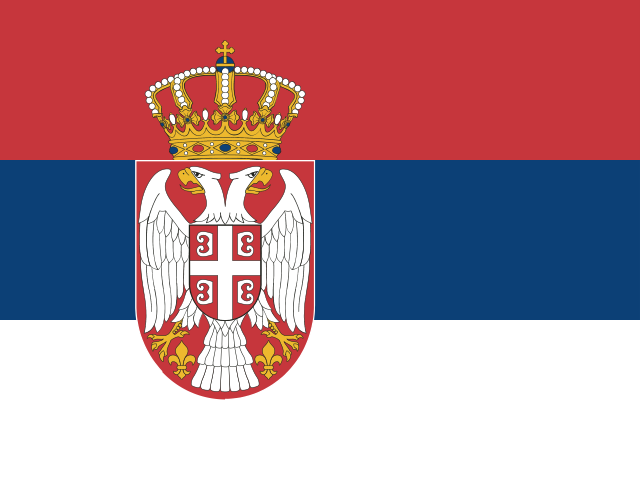
VS
International community

The Serbian government, led by President Aleksandar Vučić and his Serbian Progressive Party (SNS), is the executive authority of Serbia, a unitary parliamentary constitutional republic and member of the UN, Council of Europe, and other international organizations.
The international community, represented by bodies such as the UN Security Council and international NGOs, engages with Serbia on issues of governance, rule of law, and regional stability, including Kosovo.
The two sides have conflicting interests over Serbia's domestic and foreign policies.
The Serbian government has faced criticism from the international community for increasing corruption, a decline in the rule of law, and the dominance of President Vučić and the SNS, which has led to concerns about democratic backsliding.
Additionally, the international community has supported decentralization in Kosovo, a move that Serbia opposes, and has urged the Serbian government to resolve unresolved issues with Kosovo, creating further tension.
The stakes include Serbia's path toward EU integration and its standing in international organizations, as well as the stability of the Western Balkans.
The international community's pressure on Serbia to address these issues contrasts with the government's domestic priorities and its handling of nationalist sentiments, as seen in the division over the funeral of Ratko Mladic.
*AI-generated summary of publicly available data. This is not an official statement of any party.
*AI-generated summary of publicly available statements and reporting. This is not an official statement of this party.
Supporters of the Serbian government argue that deferring to the Mladic family's funeral wishes respects cultural traditions of honoring one's own dead, shielding the state from external dictates.
Supporters of the Serbian government argue that deferring to the Mladic family honors deep-rooted cultural traditions of mourning, which they see as a sovereign right that foreign pressure should not override.
Supporters of the Serbian government counter that honoring Mladic reflects a cultural memory rooted in defending national identity, not denying history, and they challenge the claim that external definitions of genocide should override Serbia's own narrative of victimhood and sur.
Supporters of the Serbian government argue that deferring Mladic’s funeral to his family respects legal due process, as no court order mandates state involvement, and international pressure cannot override domestic procedural norms.
Supporters of the Serbian government argue that deferring to Mladic's family is legally proper, as no domestic law mandates state funeral arrangements for private citizens, making international criticism an overreach.
Supporters of the Serbian government counter that domestic constitutional law, not ICTY dictates, governs family burial rites, and full legal cooperation was completed with Mladic’s transfer and conviction.
Supporters of the Serbian government argue that deferring to Mladic's family is pragmatic realpolitik, shielding the state from internal backlash while externally signaling non-ownership of his legacy.
Supporters of the Serbian government argue that deferring to Mladic's family is a pragmatic shield, converting a domestic liability into private sorrow while absorbing foreign pressure without provoking a nationalist backlash.
Supporters of the Serbian government counter that deferring to Mladic’s family is not appeasement but a pragmatic calculation—domestic stability outweighs external legal optics, and nationalist voters are a coalition that no ruling power can alienate without risking its own survi.
Supporters of the Serbian government argue that deferring to the Mladic family on funeral arrangements respects due process and private grief, avoiding state endorsement of a convicted criminal.
Supporters of the Serbian government argue that deferring Mladic's funeral to his family respects due process and private grief, prioritizing legal neutrality over foreign moralizing; they maintain that international pressure risks inflaming nationalist sentiment, undermining the.
Supporters of the Serbian government counter that honoring Mladic reflects a narrow reading of history, prioritizing practical national reconciliation over external moral absolutes. They argue that memorializing him serves domestic stability, not celebration of atrocity.
Supporters of the Serbian government argue that deferring to Ratko Mladic's family on funeral rites honors Orthodox Christian customs, which hold that the deceased deserve proper burial regardless of legal judgments.
Supporters of the Serbian government argue that honoring Ratko Mladic's funeral as a family matter reflects the sacred Orthodox Christian duty to bury the dead with dignity, a tradition the state must not override for external political demands.
Supporters of the Serbian government counter that divine justice, as revealed through their Orthodox faith, honors national martyrdom and defends the Serbian people, who see Mladic as a defender against historical persecution, not a violator of sacred law.
*AI-generated summary of publicly available statements and reporting. This is not an official statement of this party.
Supporters of the International community argue that honoring Ratko Mladic as a hero undermines historical accountability for genocide, framing Serbia's cultural memory as a choice between reckoning and repetition.
Supporters of the International community argue that Mladic's funeral risks normalizing atrocity as heritage, urging Serbia to honor victims over divisive symbols to align with European values.
Supporters of the International community counter that cultural rites cannot sanitize a genocide conviction, as Mladic’s legacy inflicts collective trauma on Srebrenica’s survivors.
Supporters of the international community argue that Serbia’s deference to Mladic’s family violates binding legal obligations under the ICTY framework, which mandates full cooperation in honoring convictions for genocide.
Supporters of the International community argue that Serbia’s deference to Mladic’s family risks normalizing genocide, as legal precedent demands unequivocal rejection of wartime atrocities.
Supporters of the International community counter that domestic procedural norms cannot shield Serbia from binding obligations under the ICTY’s residual mechanism, which requires full state cooperation in executing its orders, including funeral arrangements.
Supporters of the International community argue that Serbia's deference to Mladic's family is a calculated bid to appease nationalist voters, trading rule-of-law credibility for domestic stability.
Supporters of the International community argue that Serbia's deference to Mladic's family is a calculated gamble, trading moral standing for domestic stability, and that external pressure serves as the only real lever to force Belgrade to break with its nationalist base.
Supporters of the International community counter that shielding Mladic’s family is a calculated bluff that external actors see through, as deferral signals hidden leverage and prolongs sanctions risk, not stability.
Supporters of the International community argue that honoring Ratko Mladic, convicted of genocide, offends the moral duty to remember victims, not celebrate perpetrators.
Supporters of the International community argue that honoring Ratko Mladic, convicted of genocide and crimes against humanity, is a moral affront to the victims and the rule of law.
Supporters of the International community counter that deferring to the Mladic family permits a public rebuke of Srebrenica’s victims, whose moral claim to justice outweighs private grief for a convicted genocide architect.
Supporters of the International community argue that divine justice, not national homage, must govern the memory of Ratko Mladic, whose wartime actions violated sacred commandments against murder.
Supporters of the International community argue that divine justice, not national veneration, must govern the legacy of Ratko Mladic, whose wartime actions contradict the sacred commandment against taking innocent life.
Supporters of the International community counter that Orthodox rites cannot sanctify a burial for a man convicted of genocide, as divine law itself condemns the unrepentant perpetrator of mass murder.
AI-generated summary of publicly available statements and reporting. This is not an official statement of this party.
Supporters of the Serbian government argue that deferring to the Mladic family's funeral wishes respects cultural traditions of honoring one's own dead, shielding the state from external dictates.
Supporters of the Serbian government argue that deferring to the Mladic family honors deep-rooted cultural traditions of mourning, which they see as a sovereign right that foreign pressure should not override.
Supporters of the Serbian government counter that honoring Mladic reflects a cultural memory rooted in defending national identity, not denying history, and they challenge the claim that external definitions of genocide should override Serbia's own narrative of victimhood and sur.
Supporters of the Serbian government argue that deferring Mladic’s funeral to his family respects legal due process, as no court order mandates state involvement, and international pressure cannot override domestic procedural norms.
Supporters of the Serbian government argue that deferring to Mladic's family is legally proper, as no domestic law mandates state funeral arrangements for private citizens, making international criticism an overreach.
Supporters of the Serbian government counter that domestic constitutional law, not ICTY dictates, governs family burial rites, and full legal cooperation was completed with Mladic’s transfer and conviction.
Supporters of the Serbian government argue that deferring to Mladic's family is pragmatic realpolitik, shielding the state from internal backlash while externally signaling non-ownership of his legacy.
Supporters of the Serbian government argue that deferring to Mladic's family is a pragmatic shield, converting a domestic liability into private sorrow while absorbing foreign pressure without provoking a nationalist backlash.
Supporters of the Serbian government counter that deferring to Mladic’s family is not appeasement but a pragmatic calculation—domestic stability outweighs external legal optics, and nationalist voters are a coalition that no ruling power can alienate without risking its own survi.
Supporters of the Serbian government argue that deferring to the Mladic family on funeral arrangements respects due process and private grief, avoiding state endorsement of a convicted criminal.
Supporters of the Serbian government argue that deferring Mladic's funeral to his family respects due process and private grief, prioritizing legal neutrality over foreign moralizing; they maintain that international pressure risks inflaming nationalist sentiment, undermining the.
Supporters of the Serbian government counter that honoring Mladic reflects a narrow reading of history, prioritizing practical national reconciliation over external moral absolutes. They argue that memorializing him serves domestic stability, not celebration of atrocity.
Supporters of the Serbian government argue that deferring to Ratko Mladic's family on funeral rites honors Orthodox Christian customs, which hold that the deceased deserve proper burial regardless of legal judgments.
Supporters of the Serbian government argue that honoring Ratko Mladic's funeral as a family matter reflects the sacred Orthodox Christian duty to bury the dead with dignity, a tradition the state must not override for external political demands.
Supporters of the Serbian government counter that divine justice, as revealed through their Orthodox faith, honors national martyrdom and defends the Serbian people, who see Mladic as a defender against historical persecution, not a violator of sacred law.
Supporters of the International community argue that honoring Ratko Mladic as a hero undermines historical accountability for genocide, framing Serbia's cultural memory as a choice between reckoning and repetition.
Supporters of the International community argue that Mladic's funeral risks normalizing atrocity as heritage, urging Serbia to honor victims over divisive symbols to align with European values.
Supporters of the International community counter that cultural rites cannot sanitize a genocide conviction, as Mladic’s legacy inflicts collective trauma on Srebrenica’s survivors.
Supporters of the international community argue that Serbia’s deference to Mladic’s family violates binding legal obligations under the ICTY framework, which mandates full cooperation in honoring convictions for genocide.
Supporters of the International community argue that Serbia’s deference to Mladic’s family risks normalizing genocide, as legal precedent demands unequivocal rejection of wartime atrocities.
Supporters of the International community counter that domestic procedural norms cannot shield Serbia from binding obligations under the ICTY’s residual mechanism, which requires full state cooperation in executing its orders, including funeral arrangements.
Supporters of the International community argue that Serbia's deference to Mladic's family is a calculated bid to appease nationalist voters, trading rule-of-law credibility for domestic stability.
Supporters of the International community argue that Serbia's deference to Mladic's family is a calculated gamble, trading moral standing for domestic stability, and that external pressure serves as the only real lever to force Belgrade to break with its nationalist base.
Supporters of the International community counter that shielding Mladic’s family is a calculated bluff that external actors see through, as deferral signals hidden leverage and prolongs sanctions risk, not stability.
Supporters of the International community argue that honoring Ratko Mladic, convicted of genocide, offends the moral duty to remember victims, not celebrate perpetrators.
Supporters of the International community argue that honoring Ratko Mladic, convicted of genocide and crimes against humanity, is a moral affront to the victims and the rule of law.
Supporters of the International community counter that deferring to the Mladic family permits a public rebuke of Srebrenica’s victims, whose moral claim to justice outweighs private grief for a convicted genocide architect.
Supporters of the International community argue that divine justice, not national homage, must govern the memory of Ratko Mladic, whose wartime actions violated sacred commandments against murder.
Supporters of the International community argue that divine justice, not national veneration, must govern the legacy of Ratko Mladic, whose wartime actions contradict the sacred commandment against taking innocent life.
Supporters of the International community counter that Orthodox rites cannot sanctify a burial for a man convicted of genocide, as divine law itself condemns the unrepentant perpetrator of mass murder.
As the Serbian government leaves the decision about Ratko Mladic's funeral arrangements to his family, international pressure on the country is mounting. How do Serbs feel about the matter?
The BTI 2026 Country Report for Serbia indicated that the political system continues to be dominated by President Vučić and the SNS, underscoring the concentration of power.
A report by the German Marshall Fund noted that Serbia's political climate has deteriorated, with increasing corruption and a decline in the rule of law, reflecting international concerns.
Freedom House's Freedom in the World 2023 report stated that Serbia is a parliamentary democracy with competitive elections, but the ruling SNS has steadily increased its control, raising concerns about political pluralism.
The UN Security Council discussed exploiting assurances by the new Serbian government to help settle unresolved issues in Kosovo, highlighting international pressure on Serbia.