Sharjeel Imam
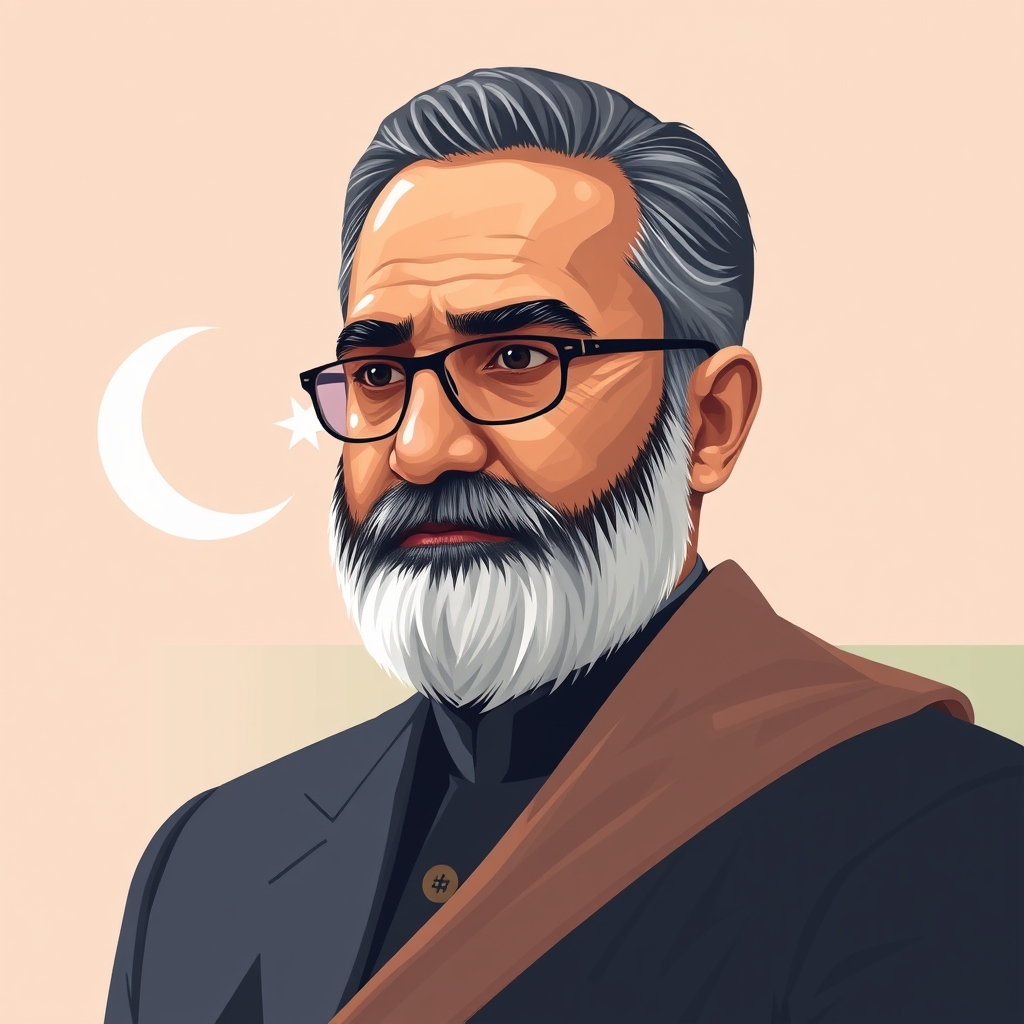
VS
Critics of Sharjeel Imam
?
No actors in this side.
No actors in this side.
Jailed scholar Sharjeel Imam's interview with The Quint questioning India's nationalism has sparked a debate over whether India's democracy has failed its Muslim citizens.
*AI-generated summary of publicly available data. This is not an official statement of any party.
*AI-generated summary of publicly available statements and reporting. This is not an official statement of this party.
Supporters of Sharjeel Imam argue that India's democracy has historically failed its Muslim citizens, citing past communal violence and exclusion as precedent for questioning the foundational nationalism the interview challenges.
Supporters of Sharjeel Imam argue that India's national identity has historically been defined around a single cultural template, leaving Muslim citizens as perpetual outsiders—and they cite his interview as evidence this tension is foundational, not incidental.
Supporters of Sharjeel Imam counter that India's cultural heritage is itself plural and syncretic, so questioning a single monolithic nationalism reflects that diversity rather than denying it.
Supporters of Sharjeel Imam argue that his prosecution for speech, not violence, violates constitutional free-expression protections, and they point to his continued detention as evidence that India's legal system penalizes dissent rather than adjudicating it.
Supporters of Sharjeel Imam argue that his prosecution for speech reflects a legal system that penalizes dissent rather than evidence, and they maintain that due-process failures in his case support claims of institutional bias against Muslim citizens.
Supporters of Sharjeel Imam counter that India's sedition law requires incitement to violence or public disorder, and that courts have repeatedly read the provision narrowly—so claims of crossing legal limits must be tested against that standard, not assumed.
Supporters of Sharjeel Imam argue that his interview is a calculated bid to convert prison into a platform, reframing his legal jeopardy as proof of a democracy that criminalizes Muslim dissent.
Supporters of Sharjeel Imam argue that his prosecution itself proves the point: a state that jails the messenger rather than answer the argument signals that the debate over Muslim belonging was never meant to be won, only silenced.
Supporters of Sharjeel Imam counter that the interview is leverage only because the state made his custody the story—detention itself manufactured the platform, so critics attacking his motives ignore who controls the incentives.
Supporters of Sharjeel Imam argue that a democracy failing to protect Muslim citizens from exclusion betrays its moral duty to equal belonging for all.
Supporters of Sharjeel Imam argue that India's moral legitimacy rests on protecting its minorities, and that failing its Muslim citizens signals a deeper failure of the country's democratic promise.
Supporters of Sharjeel Imam counter that moral standing to speak on nationalism isn't forfeited by a sedition conviction, since the conviction itself is contested and penal status shouldn't silence dissent.
Supporters of Sharjeel Imam argue that India's religious pluralism is undermined when nationalism demands a single cultural identity, and they cite his warning that Muslim citizens are treated as outsiders as evidence of a broken constitutional promise.
Supporters of Sharjeel Imam argue that India's religious pluralism is hollow when a jailed scholar must question nationalism from behind bars, contending the state's secular order has failed to protect Muslim citizens' conscience.
Supporters of Sharjeel Imam counter that religious conscience answers to divine authority rather than the nation-state, arguing that historic Islamic tradition holds loyalty to God above any earthly patriotism.
*AI-generated summary of publicly available statements and reporting. This is not an official statement of this party.
Critics of Sharjeel Imam argue that his questioning of India's nationalism denies the cultural unity and shared civic identity that bind the nation together, and they maintain such dissent undermines the common heritage that defines the country.
Critics of Sharjeel Imam argue that questioning India's nationalism undermines the shared cultural identity that binds the nation together, and they contend that such critiques risk eroding the common civic bonds that hold a diverse society intact.
Critics counter that Indian nationalism is a shared civic culture, not a sectarian inheritance, and they argue that citing past riots to reject the nation's founding identity erases the composite traditions many Muslim Indians also claim.
Supporters of Critics of Sharjeel Imam argue that his speech crossed legal limits on incitement and sedition, and that courts—not interviews—should adjudicate such claims.
Supporters of Critics of Sharjeel Imam argue that his remarks legally constitute seditious speech under existing Indian law, and that courts—not public debate—should determine whether such expression crosses lawful limits.
Critics of Sharjeel Imam counter that Indian law itself distinguishes incitement from dissent, and that preventive detention rests on statutory grounds reviewed by courts, not on the content of speech alone.
Supporters of Critics of Sharjeel Imam argue that his jailhouse interview is a calculated bid for sympathy, and that questioning nationalism from custody is a tactic to convert notoriety into political leverage rather than a good-faith critique.
Critics of Sharjeel Imam argue that his interview is a calculated bid for sympathy, and that questioning India's nationalism from jail is a strategic move to build political leverage rather than a genuine grievance.
Critics of Sharjeel Imam counter that the platform framing cuts both ways: amplifying a jailed speaker hands prosecutors and the state a ready-made martyr narrative they can exploit, and the interview's timing serves the interviewer's audience more than any movement.
Supporters of Critics of Sharjeel Imam argue that a jailed scholar convicted of sedition forfeits moral standing to lecture on nationalism, regardless of the interview's content.
Critics of Sharjeel Imam argue that speech questioning India's nationalism crosses a moral line, holding that national unity and sovereignty deserve deference and that such remarks, regardless of intent, risk deepening division among citizens.
Critics of Sharjeel Imam counter that equal belonging is a two-way moral contract, and his alleged calls for territorial separation and disruption forfeit the loyalty that citizenship demands, undermining the very solidarity he invokes.
Critics of Sharjeel Imam argue that questioning India's nationalism undermines the sacred unity of the nation, maintaining that true faith and patriotism are inseparable and that such dissent threatens the moral fabric of the country.
Critics of Sharjeel Imam argue that his questioning of Indian nationalism disregards the religious and moral duty citizens owe to the nation, holding that scripture and doctrine call for loyalty to one's country rather than casting doubt on its founding ideals.
Supporters of Critics of Sharjeel Imam counter that his call for a separate Muslim political bloc conflicts with Islamic teachings on shared civic duty, and they argue that religious identity is preserved through worship, not territorial division.
AI-generated summary of publicly available statements and reporting. This is not an official statement of this party.
Supporters of Sharjeel Imam argue that India's democracy has historically failed its Muslim citizens, citing past communal violence and exclusion as precedent for questioning the foundational nationalism the interview challenges.
Supporters of Sharjeel Imam argue that India's national identity has historically been defined around a single cultural template, leaving Muslim citizens as perpetual outsiders—and they cite his interview as evidence this tension is foundational, not incidental.
Supporters of Sharjeel Imam counter that India's cultural heritage is itself plural and syncretic, so questioning a single monolithic nationalism reflects that diversity rather than denying it.
Supporters of Sharjeel Imam argue that his prosecution for speech, not violence, violates constitutional free-expression protections, and they point to his continued detention as evidence that India's legal system penalizes dissent rather than adjudicating it.
Supporters of Sharjeel Imam argue that his prosecution for speech reflects a legal system that penalizes dissent rather than evidence, and they maintain that due-process failures in his case support claims of institutional bias against Muslim citizens.
Supporters of Sharjeel Imam counter that India's sedition law requires incitement to violence or public disorder, and that courts have repeatedly read the provision narrowly—so claims of crossing legal limits must be tested against that standard, not assumed.
Supporters of Sharjeel Imam argue that his interview is a calculated bid to convert prison into a platform, reframing his legal jeopardy as proof of a democracy that criminalizes Muslim dissent.
Supporters of Sharjeel Imam argue that his prosecution itself proves the point: a state that jails the messenger rather than answer the argument signals that the debate over Muslim belonging was never meant to be won, only silenced.
Supporters of Sharjeel Imam counter that the interview is leverage only because the state made his custody the story—detention itself manufactured the platform, so critics attacking his motives ignore who controls the incentives.
Supporters of Sharjeel Imam argue that a democracy failing to protect Muslim citizens from exclusion betrays its moral duty to equal belonging for all.
Supporters of Sharjeel Imam argue that India's moral legitimacy rests on protecting its minorities, and that failing its Muslim citizens signals a deeper failure of the country's democratic promise.
Supporters of Sharjeel Imam counter that moral standing to speak on nationalism isn't forfeited by a sedition conviction, since the conviction itself is contested and penal status shouldn't silence dissent.
Supporters of Sharjeel Imam argue that India's religious pluralism is undermined when nationalism demands a single cultural identity, and they cite his warning that Muslim citizens are treated as outsiders as evidence of a broken constitutional promise.
Supporters of Sharjeel Imam argue that India's religious pluralism is hollow when a jailed scholar must question nationalism from behind bars, contending the state's secular order has failed to protect Muslim citizens' conscience.
Supporters of Sharjeel Imam counter that religious conscience answers to divine authority rather than the nation-state, arguing that historic Islamic tradition holds loyalty to God above any earthly patriotism.
Critics of Sharjeel Imam argue that his questioning of India's nationalism denies the cultural unity and shared civic identity that bind the nation together, and they maintain such dissent undermines the common heritage that defines the country.
Critics of Sharjeel Imam argue that questioning India's nationalism undermines the shared cultural identity that binds the nation together, and they contend that such critiques risk eroding the common civic bonds that hold a diverse society intact.
Critics counter that Indian nationalism is a shared civic culture, not a sectarian inheritance, and they argue that citing past riots to reject the nation's founding identity erases the composite traditions many Muslim Indians also claim.
Supporters of Critics of Sharjeel Imam argue that his speech crossed legal limits on incitement and sedition, and that courts—not interviews—should adjudicate such claims.
Supporters of Critics of Sharjeel Imam argue that his remarks legally constitute seditious speech under existing Indian law, and that courts—not public debate—should determine whether such expression crosses lawful limits.
Critics of Sharjeel Imam counter that Indian law itself distinguishes incitement from dissent, and that preventive detention rests on statutory grounds reviewed by courts, not on the content of speech alone.
Supporters of Critics of Sharjeel Imam argue that his jailhouse interview is a calculated bid for sympathy, and that questioning nationalism from custody is a tactic to convert notoriety into political leverage rather than a good-faith critique.
Critics of Sharjeel Imam argue that his interview is a calculated bid for sympathy, and that questioning India's nationalism from jail is a strategic move to build political leverage rather than a genuine grievance.
Critics of Sharjeel Imam counter that the platform framing cuts both ways: amplifying a jailed speaker hands prosecutors and the state a ready-made martyr narrative they can exploit, and the interview's timing serves the interviewer's audience more than any movement.
Supporters of Critics of Sharjeel Imam argue that a jailed scholar convicted of sedition forfeits moral standing to lecture on nationalism, regardless of the interview's content.
Critics of Sharjeel Imam argue that speech questioning India's nationalism crosses a moral line, holding that national unity and sovereignty deserve deference and that such remarks, regardless of intent, risk deepening division among citizens.
Critics of Sharjeel Imam counter that equal belonging is a two-way moral contract, and his alleged calls for territorial separation and disruption forfeit the loyalty that citizenship demands, undermining the very solidarity he invokes.
Critics of Sharjeel Imam argue that questioning India's nationalism undermines the sacred unity of the nation, maintaining that true faith and patriotism are inseparable and that such dissent threatens the moral fabric of the country.
Critics of Sharjeel Imam argue that his questioning of Indian nationalism disregards the religious and moral duty citizens owe to the nation, holding that scripture and doctrine call for loyalty to one's country rather than casting doubt on its founding ideals.
Supporters of Critics of Sharjeel Imam counter that his call for a separate Muslim political bloc conflicts with Islamic teachings on shared civic duty, and they argue that religious identity is preserved through worship, not territorial division.
Jailed scholar Sharjeel Imam questioned foundational ideas of India's nationalism in an interview, triggering debate.