Shield of the Americas coalition
VS
Drug cartels

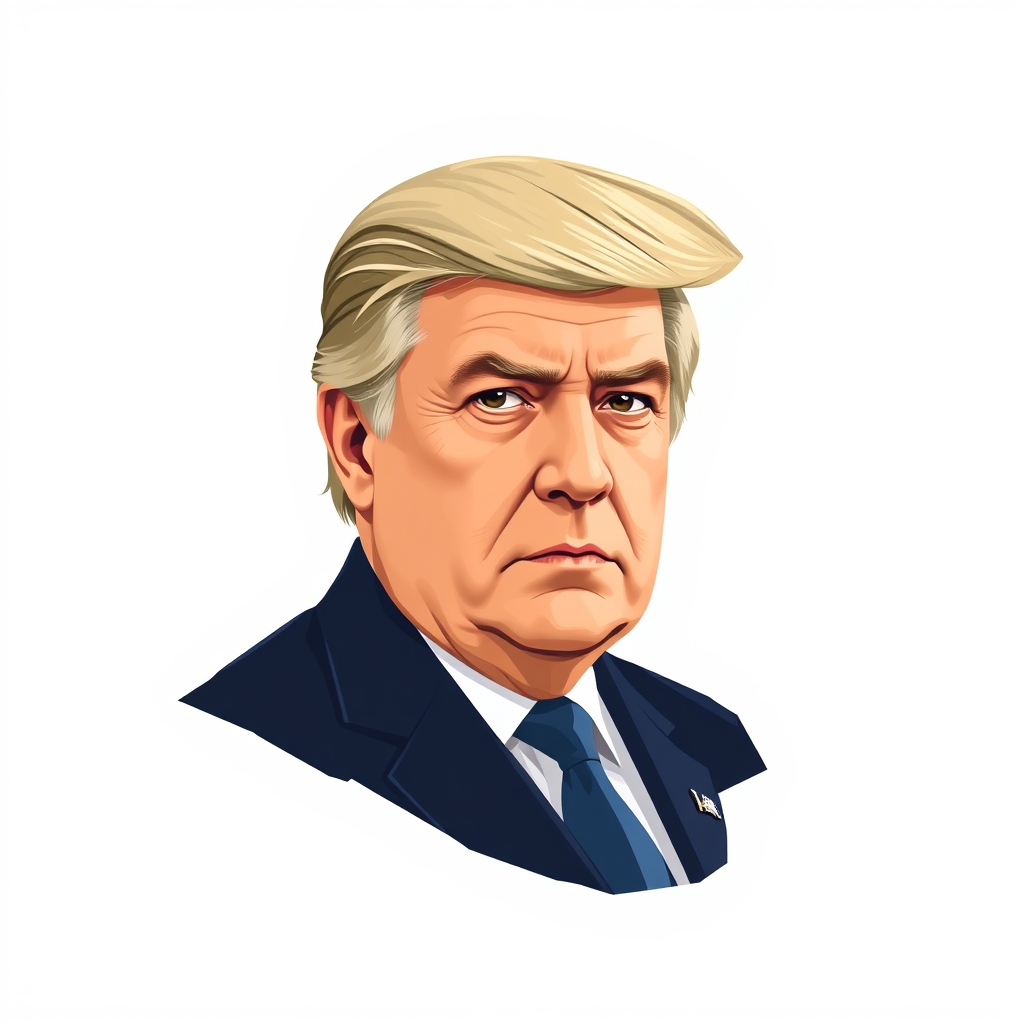
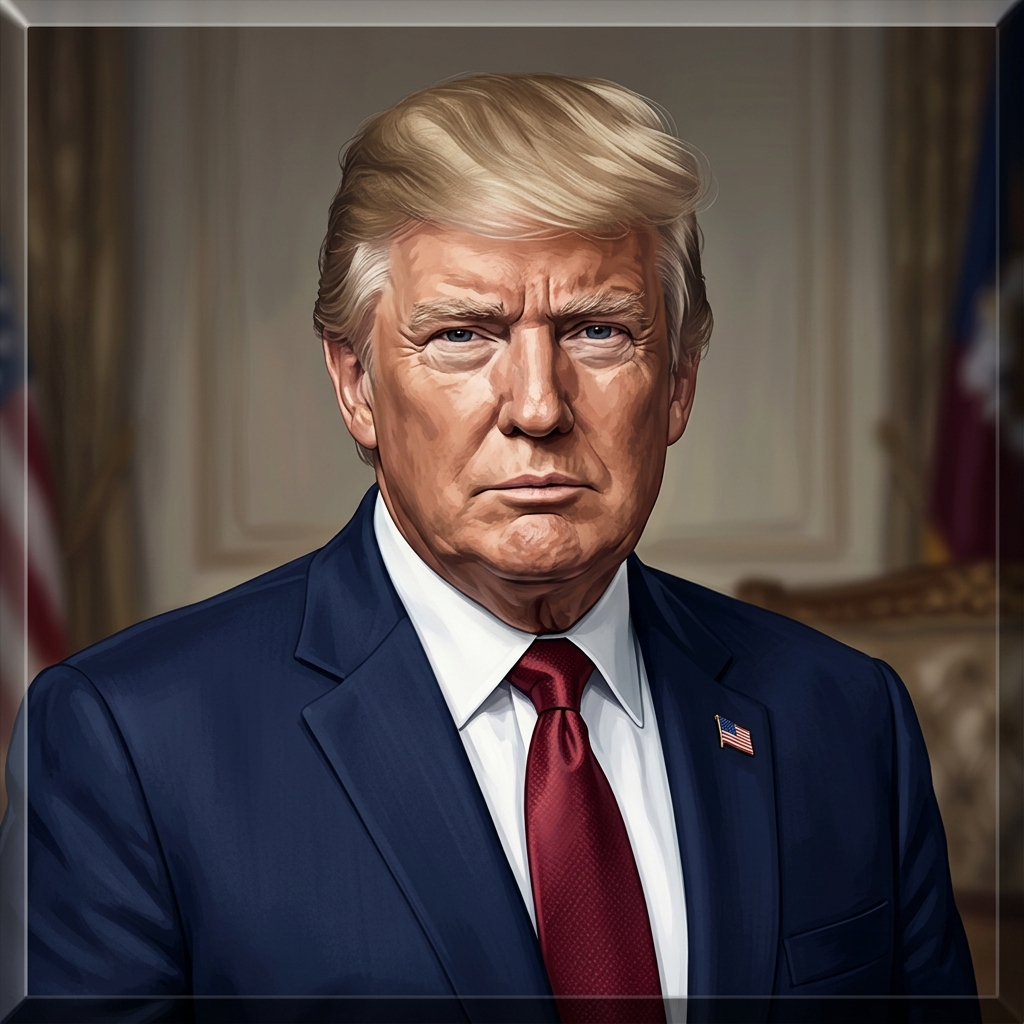
The Shield of the Americas, formally known as the Americas Counter Cartel Coalition (ACCC or A3C), is a multinational military and political coalition announced by President Donald Trump and initially composed of 17 nations.
It is dedicated to the eradication of criminal drug cartels through joint security cooperation among the United States and Latin American partners.
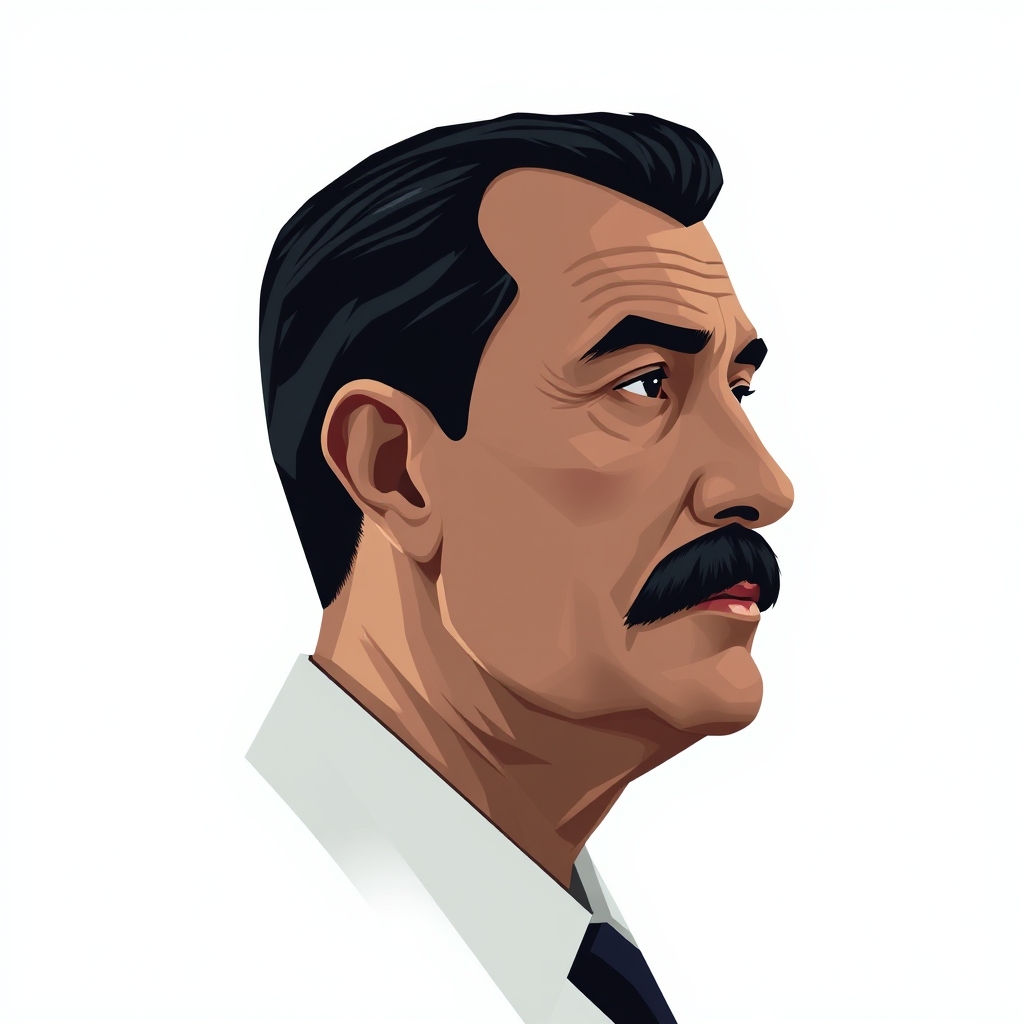
The coalition and the drug cartels it targets have directly opposing interests: the coalition seeks to dismantle and eradicate cartel operations, while the cartels seek to preserve their criminal enterprises.
The coalition's stated commitment to using lethal force against cartels places it in direct confrontation with these groups.
The effort has drawn scrutiny from analysts.
Some observers question whether the coalition has a clear strategy, while others argue that a detail-light alliance may repeat past mistakes in Latin America.
The coalition's formation followed Trump's call for stronger action against criminal groups.
*AI-generated summary of publicly available data. This is not an official statement of any party.
*AI-generated summary of publicly available statements and reporting. This is not an official statement of this party.
Supporters of Shield of the Americas coalition argue that drug cartels erode the family, faith, and civic traditions that bind Latin American communities, so defending those inherited institutions justifies coordinated sanctions.
Supporters of Shield of the Americas coalition argue that drug cartels erode the family, faith, and civic traditions that bind Latin American communities, so defending those inherited institutions against criminal rule is a cultural necessity.
Supporters of the Shield of the Americas coalition counter that cartel economies are built on terror, not heritage, and that protecting families and civic life takes precedence over profits from addiction.
Supporters of the Shield of the Americas coalition argue that sovereign states retain the legal right to sanction transnational cartels as designated criminal enterprises, framing sanctions as enforcement of national law rather than external interference.
Supporters of Shield of the Americas coalition argue that sanctions are a lawful, sovereignty-respecting tool: states may collectively target cartel finances and networks without ceding border control or jurisdiction.
Supporters of the Shield of the Americas coalition counter that designating armed cartels as belligerent groups falls within established wartime legal frameworks, where military tribunals, not civilian evidentiary hearings, govern.
Supporters of Shield of the Americas argue sanctions let Washington bind Latin American allies to its orbit, trading visible anti-cartel resolve for leverage over regional governments that need US backing.
Supporters of Shield of the Americas argue the coalition's sanctions are less about eradicating cartels than binding Latin American allies to Washington's lead, using shared security fears to lock in leverage over rivals.
Supporters of Shield of the Americas coalition counter that buying officials proves cartel weakness, not strength: payoffs invite the very exposure rivals use to seize territory, so the coalition targets the dependency, not the weakest.
Supporters of the Shield of the Americas coalition argue that drug cartels ravage forests and poison waterways for profit, so sanctioning them is a moral duty to protect the ecosystems and communities that sustain life.
Supporters of Shield of the Americas coalition argue that moral duty extends beyond borders, contending that protecting communities from cartel violence is inseparable from protecting the land itself.
Supporters of Shield of the Americas coalition counter that moral duty lies with those who refuse to profit from addiction, not with those who supply it; demand never excuses the poisoning of communities.
Supporters of the Shield of the Americas coalition argue that drug cartels are a moral evil that violates divine law, and that scripture calls rulers to wield the sword against such lawlessness.
Supporters of Shield of the Americas coalition argue that Scripture commands rulers to bear the sword against evildoers, so backing sanctions on cartels is a God-given duty of justice.
Supporters of Shield of the Americas coalition counter that scripture charges rulers to bear the sword against evildoers, so the state's sanctions execute, not defy, divine justice.
*AI-generated summary of publicly available statements and reporting. This is not an official statement of this party.
Supporters of the drug cartels argue that foreign sanctions erase local economies built around the trade, framing the coalition as cultural imperialism that ignores decades of outside demand.
Supporters of drug cartels argue that foreign sanctions ignore deep cultural roots of narcocorridos and local economies, framing the coalition as outsiders imposing morality on communities.
Supporters of the cartels counter that the coalition's appeal to faith and family rings hollow, since past U.S.-backed campaigns like Plan Colombia displaced rural communities and weakened the very institutions they now claim to defend.
Supporters of the drug cartels argue that the Shield of the Americas sanctions lack due-process safeguards, since designating groups as criminal enterprises lets the coalition seize assets and prosecute members without the evidentiary hearings ordinarily required under law.
Supporters of the drug cartels argue that the Shield of the Americas sanctions lack due-process protections, denying designated groups any legal hearing before foreign states seize their assets.
Supporters of Drug cartels counter that designating them as criminal enterprises is a unilateral legal maneuver, not universal law, since no binding international treaty grants one state jurisdiction over foreign nationals.
Supporters of the drug cartels argue that sanctions are just theater: the coalition targets weaker rivals while cartel money buys officials, so real power stays with whoever pays.
Supporters of the drug cartels argue that the Shield of the Americas is less about narcotics than about Washington's leverage, and that sanctions merely reshuffle which armed groups hold territory and payoffs.
Supporters of the Drug cartels counter that cartels already profit from US-backed governments, so sanctions bind allies to a failing patron, not to victory; leverage flows to whoever delivers.
Supporters of drug cartels argue that sanctions are a moral farce, since the coalition's own demand fuels the trade; in their view, criminalizing supply punishes the poor while the wealthy users go untouched.
Supporters of Drug cartels argue that foreign sanctions are moral hypocrisy, since demand in the United States, not supply, drives the trade, and they maintain that sovereignty is violated when outside powers dictate Latin American policy.
Supporters of the cartels counter that moral duty belongs to the governments whose demand for narcotics and failed eradication programs actually drive the deforestation and poisoning of waterways, not the suppliers.
Supporters of the cartels invoke religious tradition, arguing the state's sanctions defy divine sovereignty over judgment and that the Church, not foreign coalitions, should guide moral order.
Supporters of the drug cartels argue that foreign sanctions against them threaten the Church's pastoral reach in poor regions, and that outside intervention disrupts the traditional religious order that local communities have long trusted.
Supporters of Drug cartels counter that the same scripture warns against judging by appearances, noting that many clergy bless the coalitions's weapons while their flocks buy from the cartels to survive.
AI-generated summary of publicly available statements and reporting. This is not an official statement of this party.
Supporters of Shield of the Americas coalition argue that drug cartels erode the family, faith, and civic traditions that bind Latin American communities, so defending those inherited institutions justifies coordinated sanctions.
Supporters of Shield of the Americas coalition argue that drug cartels erode the family, faith, and civic traditions that bind Latin American communities, so defending those inherited institutions against criminal rule is a cultural necessity.
Supporters of the Shield of the Americas coalition counter that cartel economies are built on terror, not heritage, and that protecting families and civic life takes precedence over profits from addiction.
Supporters of the Shield of the Americas coalition argue that sovereign states retain the legal right to sanction transnational cartels as designated criminal enterprises, framing sanctions as enforcement of national law rather than external interference.
Supporters of Shield of the Americas coalition argue that sanctions are a lawful, sovereignty-respecting tool: states may collectively target cartel finances and networks without ceding border control or jurisdiction.
Supporters of the Shield of the Americas coalition counter that designating armed cartels as belligerent groups falls within established wartime legal frameworks, where military tribunals, not civilian evidentiary hearings, govern.
Supporters of Shield of the Americas argue sanctions let Washington bind Latin American allies to its orbit, trading visible anti-cartel resolve for leverage over regional governments that need US backing.
Supporters of Shield of the Americas argue the coalition's sanctions are less about eradicating cartels than binding Latin American allies to Washington's lead, using shared security fears to lock in leverage over rivals.
Supporters of Shield of the Americas coalition counter that buying officials proves cartel weakness, not strength: payoffs invite the very exposure rivals use to seize territory, so the coalition targets the dependency, not the weakest.
Supporters of the Shield of the Americas coalition argue that drug cartels ravage forests and poison waterways for profit, so sanctioning them is a moral duty to protect the ecosystems and communities that sustain life.
Supporters of Shield of the Americas coalition argue that moral duty extends beyond borders, contending that protecting communities from cartel violence is inseparable from protecting the land itself.
Supporters of Shield of the Americas coalition counter that moral duty lies with those who refuse to profit from addiction, not with those who supply it; demand never excuses the poisoning of communities.
Supporters of the Shield of the Americas coalition argue that drug cartels are a moral evil that violates divine law, and that scripture calls rulers to wield the sword against such lawlessness.
Supporters of Shield of the Americas coalition argue that Scripture commands rulers to bear the sword against evildoers, so backing sanctions on cartels is a God-given duty of justice.
Supporters of Shield of the Americas coalition counter that scripture charges rulers to bear the sword against evildoers, so the state's sanctions execute, not defy, divine justice.
Supporters of the drug cartels argue that foreign sanctions erase local economies built around the trade, framing the coalition as cultural imperialism that ignores decades of outside demand.
Supporters of drug cartels argue that foreign sanctions ignore deep cultural roots of narcocorridos and local economies, framing the coalition as outsiders imposing morality on communities.
Supporters of the cartels counter that the coalition's appeal to faith and family rings hollow, since past U.S.-backed campaigns like Plan Colombia displaced rural communities and weakened the very institutions they now claim to defend.
Supporters of the drug cartels argue that the Shield of the Americas sanctions lack due-process safeguards, since designating groups as criminal enterprises lets the coalition seize assets and prosecute members without the evidentiary hearings ordinarily required under law.
Supporters of the drug cartels argue that the Shield of the Americas sanctions lack due-process protections, denying designated groups any legal hearing before foreign states seize their assets.
Supporters of Drug cartels counter that designating them as criminal enterprises is a unilateral legal maneuver, not universal law, since no binding international treaty grants one state jurisdiction over foreign nationals.
Supporters of the drug cartels argue that sanctions are just theater: the coalition targets weaker rivals while cartel money buys officials, so real power stays with whoever pays.
Supporters of the drug cartels argue that the Shield of the Americas is less about narcotics than about Washington's leverage, and that sanctions merely reshuffle which armed groups hold territory and payoffs.
Supporters of the Drug cartels counter that cartels already profit from US-backed governments, so sanctions bind allies to a failing patron, not to victory; leverage flows to whoever delivers.
Supporters of drug cartels argue that sanctions are a moral farce, since the coalition's own demand fuels the trade; in their view, criminalizing supply punishes the poor while the wealthy users go untouched.
Supporters of Drug cartels argue that foreign sanctions are moral hypocrisy, since demand in the United States, not supply, drives the trade, and they maintain that sovereignty is violated when outside powers dictate Latin American policy.
Supporters of the cartels counter that moral duty belongs to the governments whose demand for narcotics and failed eradication programs actually drive the deforestation and poisoning of waterways, not the suppliers.
Supporters of the cartels invoke religious tradition, arguing the state's sanctions defy divine sovereignty over judgment and that the Church, not foreign coalitions, should guide moral order.
Supporters of the drug cartels argue that foreign sanctions against them threaten the Church's pastoral reach in poor regions, and that outside intervention disrupts the traditional religious order that local communities have long trusted.
Supporters of Drug cartels counter that the same scripture warns against judging by appearances, noting that many clergy bless the coalitions's weapons while their flocks buy from the cartels to survive.
US-led Shield of the Americas coalition backs sanctions against crime groups after Trump urges stronger action.
InSight Crime published an analysis noting that the Shield of the Americas has grown but questioning whether it has a coherent strategy.
President Donald Trump announced a new military coalition between 17 countries dedicated to the eradication of criminal cartels.
Chatham House published an analysis arguing that the Shield of the Americas coalition is destined to fail, describing it as a detail-light, 'Trumpista-only' alliance that repeats past mistakes in Latin America.
On March 7, 2026, President Trump formalized the Americas Counter Cartel Coalition (A3C), a 17-nation alliance committed to using lethal force against drug cartels.