Slovak protesters
VS
Robert Fico
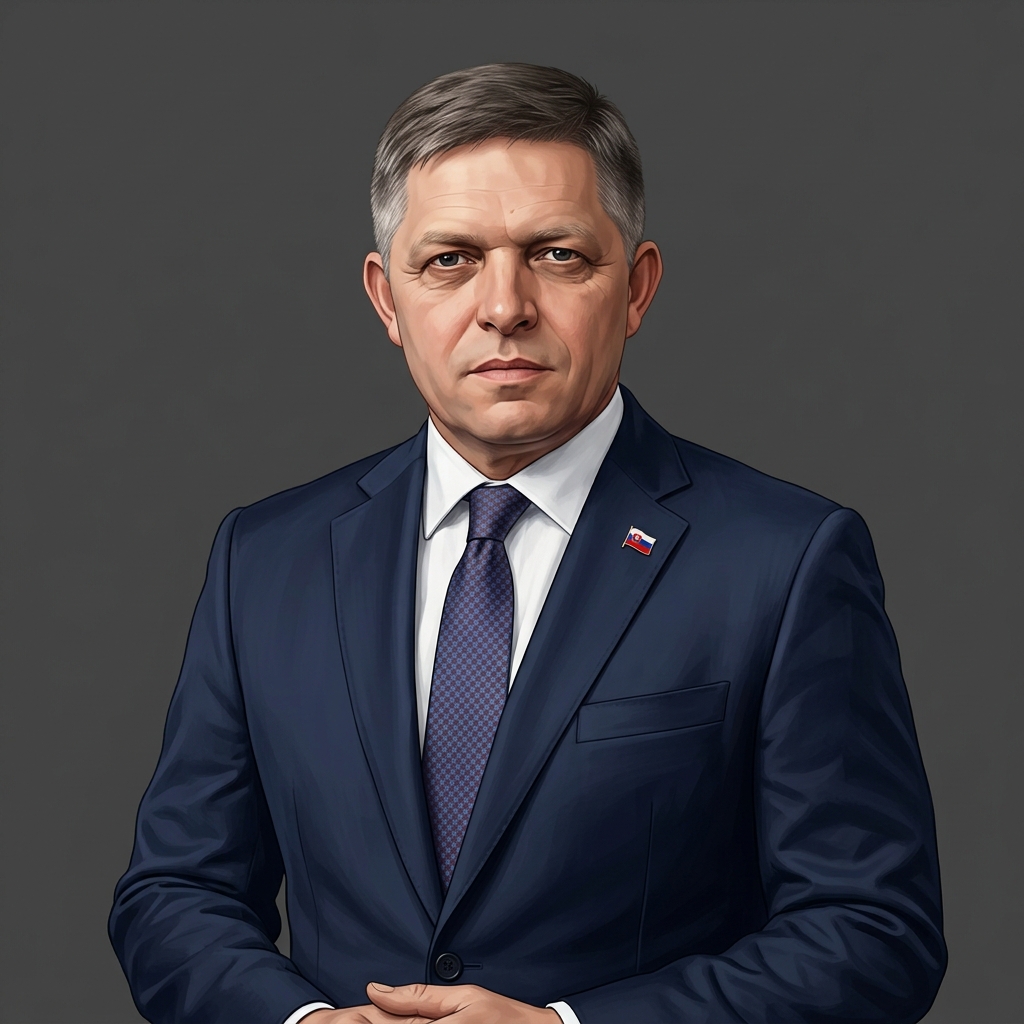
Thousands of Slovaks protested against Prime Minister Robert Fico over his ties to Russia, holding rallies on the anniversary of the 1989 Velvet Revolution.
Fico has faced criticism for his pro-Kremlin positions, while he and his supporters reject such accusations.
*AI-generated summary of publicly available data. This is not an official statement of any party.
*AI-generated summary of publicly available statements and reporting. This is not an official statement of this party.
Supporters of Slovak protesters argue that the Velvet Revolution’s legacy—freedom and democratic self-rule—must be honored and defended, and they see mass rallies as a way to keep that inherited civic tradition alive against Fico’s pro-Kremlin course.
Supporters of Slovak protesters argue that the Velvet Revolution’s legacy—national sovereignty and democratic self-rule—is a cultural inheritance Fico’s pro-Kremlin stance betrays, and they see the anniversary rallies as a defense of that tradition.
Supporters of Slovak protesters counter that the 1989 Velvet Revolution was never about choosing foreign alignments but about citizens reclaiming their own institutions, so invoking it against Fico honors that inherited civic tradition rather than misreading it.
Supporters of Slovak protesters argue that Fico's pro-Kremlin alignment conflicts with Slovakia's legal commitments as an EU and NATO member, and they frame the anniversary rallies as a lawful exercise of assembly and free expression.
Supporters of Slovak protesters frame the rallies as an exercise of the legal rights to assembly and free expression on the Velvet Revolution's anniversary, arguing that citizens may lawfully challenge the prime minister's pro-Kremlin stance.
Supporters of Slovak protesters counter that a government’s legal authority to set foreign policy does not shield it from the constitutional accountability citizens invoke through assembly and petition.
Supporters of Slovak protesters argue that invoking the Velvet Revolution’s anniversary is a power play: by casting Fico’s Russia ties as a betrayal of 1989, they aim to seize the moral high ground and shame him before allies.
Supporters of Slovak protesters argue that Fico’s pro-Kremlin ties betray the 1989 Velvet Revolution’s legacy, using the anniversary to frame his Russia posture as a power play that sells out Slovak sovereignty.
Supporters of Slovak protesters counter that a leader who brands street dissent a mere ritual is quietly delegitimizing the only check left on his power, and that "pragmatic" Kremlin ties buy Moscow leverage over Slovakia, not the reverse.
Supporters of Slovak protesters argue that recalling the 1989 Velvet Revolution imposes a moral duty to defend democratic freedoms against Fico's pro-Kremlin ties, framing the anniversary rallies as fidelity to that legacy.
Supporters of Slovak protesters argue that a leader's foreign ties carry a moral duty to the nation's democratic ideals, framing the Velvet Revolution anniversary as a call to defend freedom over alignment with Moscow.
Supporters of Slovak protesters counter that honoring the Velvet Revolution's call for truth and civic courage is itself a moral act, not a partisan misuse of a symbol.
Supporters of Slovak protesters invoke the Velvet Revolution's moral legacy, arguing that a nation's fidelity to truth and conscience—values they tie to its Christian heritage—requires resisting alignment with Russia.
Supporters of Slovak protesters invoke the Velvet Revolution's moral legacy, arguing that a nation's faithfulness to truth and conscience—values they tie to the courage of 1989—requires resisting leaders aligned with Russia.
Supporters of Slovak protesters counter that the Velvet Revolution's moral core was truth over fear, and they argue that bishops and believers who lived under communism insist the Gospel cannot be reduced to national sovereignty.
*AI-generated summary of publicly available statements and reporting. This is not an official statement of this party.
Supporters of Robert Fico argue that invoking the 1989 Velvet Revolution against him misreads history, contending that his government honors Slovak sovereignty rather than the foreign alignments they say past revolts were meant to escape.
Supporters of Robert Fico argue that invoking the 1989 Velvet Revolution against him rewrites its meaning, contending the civic freedoms won then include a sovereign Slovakia's right to choose its own foreign ties.
Supporters of Robert Fico counter that the Velvet Revolution’s civic inheritance belongs to all Slovaks, and they argue that mass rallies framed as its sole guardians deepen a cultural divide rather than honor a shared democratic tradition.
Supporters of Robert Fico argue that his government’s foreign policy falls within Slovakia’s sovereign legal authority, and that peaceful protest does not confer a mandate to override the lawful decisions of an elected prime minister.
Supporters of Robert Fico argue that peaceful assembly is a protected right, but they maintain that protest alone cannot override the electoral mandate his government holds.
Supporters of Robert Fico counter that EU and NATO membership imposes no legal bar on sovereign states pursuing independent foreign policy, and they note that assembly rights do not confer legal authority to overturn electoral mandates.
Supporters of Robert Fico argue that the protest is a partisan ritual, not a popular verdict, and that his pro-Kremlin posture reflects the pragmatic pursuit of Slovak interests, not subservience.
Supporters of Robert Fico argue that opposition rallies on the Velvet Revolution anniversary are political theater, and that Fico's outreach to Moscow serves Slovak interests rather than betraying them.
Supporters of Robert Fico counter that the anniversary framing cuts both ways—they argue the government can equally claim 1989’s legacy, casting street pressure as an attempt to override electoral mandates rather than defend them.
Supporters of Robert Fico argue that protesting on the Velvet Revolution's anniversary misuses a national symbol to paint a duly elected leader as illegitimate, framing the rallies as partisan rather than moral.
Supporters of Robert Fico argue that critics unfairly equate his government's ties to Russia with disloyalty, and they maintain that sovereignty means pursuing dialogue with all partners rather than conforming to one bloc's expectations.
Supporters of Robert Fico counter that invoking 1989 morally cuts both ways, arguing that a movement claiming to defend democracy should not dismiss the electoral mandate of voters who chose the government.
Supporters of Robert Fico argue that the Velvet Revolution's legacy is best honored by preserving Slovak sovereignty and social peace, and they maintain that faith and national tradition, not foreign alignments, should guide the country's path.
Supporters of Robert Fico argue that the Velvet Revolution's moral legacy, rooted in respect for sovereignty and peaceful civic order, is dishonored when its anniversary is turned against an elected government rather than toward national unity.
Supporters of Robert Fico counter that Christian heritage calls for peacemaking and protecting the vulnerable, arguing that dialogue with Russia serves those duties better than confrontation.
AI-generated summary of publicly available statements and reporting. This is not an official statement of this party.
Supporters of Slovak protesters argue that the Velvet Revolution’s legacy—freedom and democratic self-rule—must be honored and defended, and they see mass rallies as a way to keep that inherited civic tradition alive against Fico’s pro-Kremlin course.
Supporters of Slovak protesters argue that the Velvet Revolution’s legacy—national sovereignty and democratic self-rule—is a cultural inheritance Fico’s pro-Kremlin stance betrays, and they see the anniversary rallies as a defense of that tradition.
Supporters of Slovak protesters counter that the 1989 Velvet Revolution was never about choosing foreign alignments but about citizens reclaiming their own institutions, so invoking it against Fico honors that inherited civic tradition rather than misreading it.
Supporters of Slovak protesters argue that Fico's pro-Kremlin alignment conflicts with Slovakia's legal commitments as an EU and NATO member, and they frame the anniversary rallies as a lawful exercise of assembly and free expression.
Supporters of Slovak protesters frame the rallies as an exercise of the legal rights to assembly and free expression on the Velvet Revolution's anniversary, arguing that citizens may lawfully challenge the prime minister's pro-Kremlin stance.
Supporters of Slovak protesters counter that a government’s legal authority to set foreign policy does not shield it from the constitutional accountability citizens invoke through assembly and petition.
Supporters of Slovak protesters argue that invoking the Velvet Revolution’s anniversary is a power play: by casting Fico’s Russia ties as a betrayal of 1989, they aim to seize the moral high ground and shame him before allies.
Supporters of Slovak protesters argue that Fico’s pro-Kremlin ties betray the 1989 Velvet Revolution’s legacy, using the anniversary to frame his Russia posture as a power play that sells out Slovak sovereignty.
Supporters of Slovak protesters counter that a leader who brands street dissent a mere ritual is quietly delegitimizing the only check left on his power, and that "pragmatic" Kremlin ties buy Moscow leverage over Slovakia, not the reverse.
Supporters of Slovak protesters argue that recalling the 1989 Velvet Revolution imposes a moral duty to defend democratic freedoms against Fico's pro-Kremlin ties, framing the anniversary rallies as fidelity to that legacy.
Supporters of Slovak protesters argue that a leader's foreign ties carry a moral duty to the nation's democratic ideals, framing the Velvet Revolution anniversary as a call to defend freedom over alignment with Moscow.
Supporters of Slovak protesters counter that honoring the Velvet Revolution's call for truth and civic courage is itself a moral act, not a partisan misuse of a symbol.
Supporters of Slovak protesters invoke the Velvet Revolution's moral legacy, arguing that a nation's fidelity to truth and conscience—values they tie to its Christian heritage—requires resisting alignment with Russia.
Supporters of Slovak protesters invoke the Velvet Revolution's moral legacy, arguing that a nation's faithfulness to truth and conscience—values they tie to the courage of 1989—requires resisting leaders aligned with Russia.
Supporters of Slovak protesters counter that the Velvet Revolution's moral core was truth over fear, and they argue that bishops and believers who lived under communism insist the Gospel cannot be reduced to national sovereignty.
Supporters of Robert Fico argue that invoking the 1989 Velvet Revolution against him misreads history, contending that his government honors Slovak sovereignty rather than the foreign alignments they say past revolts were meant to escape.
Supporters of Robert Fico argue that invoking the 1989 Velvet Revolution against him rewrites its meaning, contending the civic freedoms won then include a sovereign Slovakia's right to choose its own foreign ties.
Supporters of Robert Fico counter that the Velvet Revolution’s civic inheritance belongs to all Slovaks, and they argue that mass rallies framed as its sole guardians deepen a cultural divide rather than honor a shared democratic tradition.
Supporters of Robert Fico argue that his government’s foreign policy falls within Slovakia’s sovereign legal authority, and that peaceful protest does not confer a mandate to override the lawful decisions of an elected prime minister.
Supporters of Robert Fico argue that peaceful assembly is a protected right, but they maintain that protest alone cannot override the electoral mandate his government holds.
Supporters of Robert Fico counter that EU and NATO membership imposes no legal bar on sovereign states pursuing independent foreign policy, and they note that assembly rights do not confer legal authority to overturn electoral mandates.
Supporters of Robert Fico argue that the protest is a partisan ritual, not a popular verdict, and that his pro-Kremlin posture reflects the pragmatic pursuit of Slovak interests, not subservience.
Supporters of Robert Fico argue that opposition rallies on the Velvet Revolution anniversary are political theater, and that Fico's outreach to Moscow serves Slovak interests rather than betraying them.
Supporters of Robert Fico counter that the anniversary framing cuts both ways—they argue the government can equally claim 1989’s legacy, casting street pressure as an attempt to override electoral mandates rather than defend them.
Supporters of Robert Fico argue that protesting on the Velvet Revolution's anniversary misuses a national symbol to paint a duly elected leader as illegitimate, framing the rallies as partisan rather than moral.
Supporters of Robert Fico argue that critics unfairly equate his government's ties to Russia with disloyalty, and they maintain that sovereignty means pursuing dialogue with all partners rather than conforming to one bloc's expectations.
Supporters of Robert Fico counter that invoking 1989 morally cuts both ways, arguing that a movement claiming to defend democracy should not dismiss the electoral mandate of voters who chose the government.
Supporters of Robert Fico argue that the Velvet Revolution's legacy is best honored by preserving Slovak sovereignty and social peace, and they maintain that faith and national tradition, not foreign alignments, should guide the country's path.
Supporters of Robert Fico argue that the Velvet Revolution's moral legacy, rooted in respect for sovereignty and peaceful civic order, is dishonored when its anniversary is turned against an elected government rather than toward national unity.
Supporters of Robert Fico counter that Christian heritage calls for peacemaking and protecting the vulnerable, arguing that dialogue with Russia serves those duties better than confrontation.
The 1989 Velvet Revolution that toppled communism in Czechoslovakia; protests were held on its anniversary.