South African opposition parties

VS
Cyril Ramaphosa
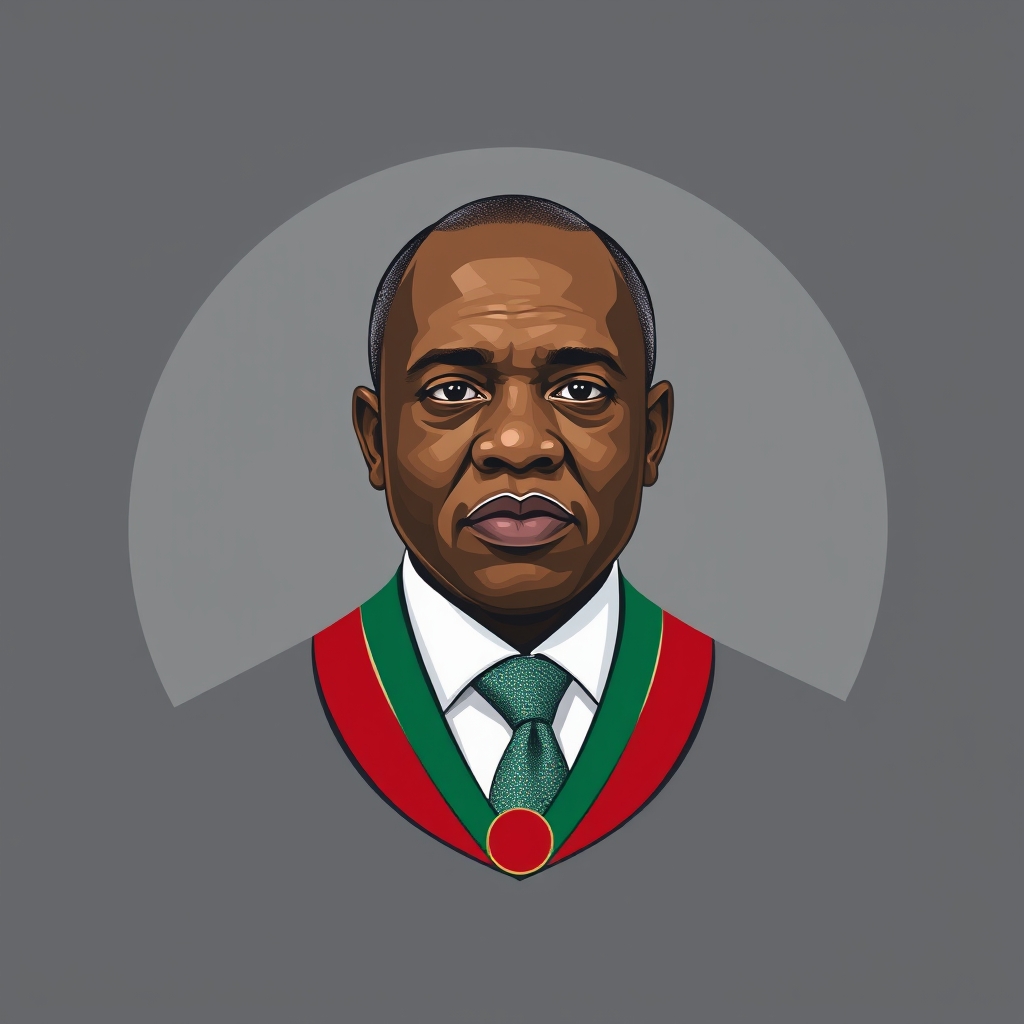
A man has been convicted of stealing cash from a farm owned by South African President Cyril Ramaphosa, part of the 'Farmgate' scandal.
The incident has led to an impeachment saga, with opposition parties pushing for accountability while the president and his allies contest the allegations.
*AI-generated summary of publicly available data. This is not an official statement of any party.
*AI-generated summary of publicly available statements and reporting. This is not an official statement of this party.
Supporters of South African opposition parties argue that accountability for the Farmgate theft is a cultural duty, maintaining that respect for the rule of law and public trust must outlast any individual leader.
Supporters of South African opposition parties argue that accountability for the farm theft is a cultural test of respect for the rule of law, insisting that inherited democratic norms require the president to answer openly rather than shield himself.
Supporters of South African opposition parties counter that cultural continuity itself is at stake, arguing the scandal signals a deeper erosion of the public trust and moral authority that institutions depend on to endure.
Supporters of South African opposition parties argue that the theft conviction establishes a legal basis for accountability, contending that the impeachment process must proceed to determine whether President Ramaphosa breached his constitutional duties.
Supporters of South African opposition parties argue that a criminal conviction tied to the president's farm demands a lawful parliamentary accounting, insisting the impeachment process must proceed to uphold legal accountability.
Supporters of South African opposition parties counter that allowing the legal process to run its course does not suspend constitutional accountability, arguing that Section 89 impeachment is a separate political remedy that need not await a criminal conviction.
Supporters of South African opposition parties argue the farm theft conviction gives them leverage to press impeachment, maintaining that accountability is a weapon worth wielding regardless of whether the president's allies can block removal.
Supporters of South African opposition parties argue the conviction proves the cash existed, so they frame impeachment as leverage: accountability is the weapon, and Ramaphosa’s allies’ resistance confirms the stakes.
Supporters of South African opposition parties counter that invoking the ballot box to shield a president ignores how incumbency itself secures power—state resources, media access, patronage—so courts become the only leverage outsiders have against a system rigged in favor of the.
Supporters of South African opposition parties argue that accountability must apply equally to the powerful, maintaining that the Farmgate theft and impeachment saga demand transparency and moral leadership from the president.
Supporters of South African opposition parties argue that a president must answer for concealed foreign cash on his farm, and that accountability, not party loyalty, is the moral duty owed to citizens.
Supporters of South African opposition parties counter that due process cannot be a shield when serious corruption allegations against a sitting president go unexamined, arguing that moral accountability to the public must accompany legal procedure.
Supporters of South African opposition parties argue that accountability is a moral and religious duty, maintaining that leaders who conceal wrongdoing betray the public trust and that scripture demands honesty and justice from those in power.
Supporters of South African opposition parties argue that the farm theft and impeachment saga demand moral accountability, maintaining that leaders are bound by the same standards of honesty and repentance their faith requires of all.
Supporters of South African opposition parties counter that a leader's sworn oath and public witness carry moral weight beyond court verdicts, arguing that Scripture calls rulers to blamelessness and that the nation's conscience cannot outsource accountability solely to the court.
*AI-generated summary of publicly available statements and reporting. This is not an official statement of this party.
Supporters of Cyril Ramaphosa argue that the impeachment push reflects a cultural double standard, treating a farm theft as a national crisis while overlooking deeper governance concerns.
Supporters of Cyril Ramaphosa argue that South Africa's legal processes, not political theater, should determine accountability, pointing to the trial and conviction of the thief as evidence that the justice system functions independently.
Supporters of Cyril Ramaphosa counter that ubuntu and restorative justice are cultural values too, arguing that due process—not public pressure—should determine accountability for Farmgate.
Supporters of Cyril Ramaphosa argue that the legal process must be allowed to run its course, and they maintain that the theft conviction and impeachment push do not by themselves establish presidential wrongdoing.
Supporters of Cyril Ramaphosa argue that the legal process must run its course before any impeachment steps, maintaining that accountability requires due process rather than conclusions drawn from contested allegations.
Supporters of Cyril Ramaphosa counter that the Section 89 independent panel found no prima facie case of a breach of constitutional duty, so the legal threshold for impeachment under the Constitution is not met.
Supporters of Cyril Ramaphosa argue that a single theft conviction proves only that a crime occurred, not presidential misconduct, and that opposition parties are using the courts to pursue power they could not win at the ballot.
Supporters of Cyril Ramaphosa argue that the farm theft is a criminal matter already before the courts, and that opposition parties are exploiting it to weaken his office rather than pursue accountability.
Supporters of Cyril Ramaphosa counter that wielding accountability as a weapon cuts both ways, since opposition figures carry their own unresolved scandals; they argue leverage without the votes to remove is theater, not power.
Supporters of Cyril Ramaphosa argue that accountability must follow due legal process, not political pressure, and that the impeachment push should rest on verified evidence rather than contested allegations.
Supporters of Cyril Ramaphosa argue that accountability must run through lawful process, and that the theft conviction and impeachment saga should be resolved by the institutions empowered to weigh evidence fairly.
Supporters of Cyril Ramaphosa counter that accountability is already being honored through due process, arguing the panel's findings and the president's transparency show moral leadership rather than its absence.
Supporters of Cyril Ramaphosa invoke the principle of presumed innocence, arguing that due process and honest testimony before the law must prevail over judgment driven by scandal, and that accountability belongs to the courts.
Supporters of Cyril Ramaphosa invoke the principle of presumed innocence, arguing that a theft conviction against another man does not establish the president's wrongdoing and that accountability must follow due process rather than judgment.
Supporters of Cyril Ramaphosa counter that scripture also counsels patience and lawful process, arguing that due process, not public condemnation, is the just path to accountability.
AI-generated summary of publicly available statements and reporting. This is not an official statement of this party.
Supporters of South African opposition parties argue that accountability for the Farmgate theft is a cultural duty, maintaining that respect for the rule of law and public trust must outlast any individual leader.
Supporters of South African opposition parties argue that accountability for the farm theft is a cultural test of respect for the rule of law, insisting that inherited democratic norms require the president to answer openly rather than shield himself.
Supporters of South African opposition parties counter that cultural continuity itself is at stake, arguing the scandal signals a deeper erosion of the public trust and moral authority that institutions depend on to endure.
Supporters of South African opposition parties argue that the theft conviction establishes a legal basis for accountability, contending that the impeachment process must proceed to determine whether President Ramaphosa breached his constitutional duties.
Supporters of South African opposition parties argue that a criminal conviction tied to the president's farm demands a lawful parliamentary accounting, insisting the impeachment process must proceed to uphold legal accountability.
Supporters of South African opposition parties counter that allowing the legal process to run its course does not suspend constitutional accountability, arguing that Section 89 impeachment is a separate political remedy that need not await a criminal conviction.
Supporters of South African opposition parties argue the farm theft conviction gives them leverage to press impeachment, maintaining that accountability is a weapon worth wielding regardless of whether the president's allies can block removal.
Supporters of South African opposition parties argue the conviction proves the cash existed, so they frame impeachment as leverage: accountability is the weapon, and Ramaphosa’s allies’ resistance confirms the stakes.
Supporters of South African opposition parties counter that invoking the ballot box to shield a president ignores how incumbency itself secures power—state resources, media access, patronage—so courts become the only leverage outsiders have against a system rigged in favor of the.
Supporters of South African opposition parties argue that accountability must apply equally to the powerful, maintaining that the Farmgate theft and impeachment saga demand transparency and moral leadership from the president.
Supporters of South African opposition parties argue that a president must answer for concealed foreign cash on his farm, and that accountability, not party loyalty, is the moral duty owed to citizens.
Supporters of South African opposition parties counter that due process cannot be a shield when serious corruption allegations against a sitting president go unexamined, arguing that moral accountability to the public must accompany legal procedure.
Supporters of South African opposition parties argue that accountability is a moral and religious duty, maintaining that leaders who conceal wrongdoing betray the public trust and that scripture demands honesty and justice from those in power.
Supporters of South African opposition parties argue that the farm theft and impeachment saga demand moral accountability, maintaining that leaders are bound by the same standards of honesty and repentance their faith requires of all.
Supporters of South African opposition parties counter that a leader's sworn oath and public witness carry moral weight beyond court verdicts, arguing that Scripture calls rulers to blamelessness and that the nation's conscience cannot outsource accountability solely to the court.
Supporters of Cyril Ramaphosa argue that the impeachment push reflects a cultural double standard, treating a farm theft as a national crisis while overlooking deeper governance concerns.
Supporters of Cyril Ramaphosa argue that South Africa's legal processes, not political theater, should determine accountability, pointing to the trial and conviction of the thief as evidence that the justice system functions independently.
Supporters of Cyril Ramaphosa counter that ubuntu and restorative justice are cultural values too, arguing that due process—not public pressure—should determine accountability for Farmgate.
Supporters of Cyril Ramaphosa argue that the legal process must be allowed to run its course, and they maintain that the theft conviction and impeachment push do not by themselves establish presidential wrongdoing.
Supporters of Cyril Ramaphosa argue that the legal process must run its course before any impeachment steps, maintaining that accountability requires due process rather than conclusions drawn from contested allegations.
Supporters of Cyril Ramaphosa counter that the Section 89 independent panel found no prima facie case of a breach of constitutional duty, so the legal threshold for impeachment under the Constitution is not met.
Supporters of Cyril Ramaphosa argue that a single theft conviction proves only that a crime occurred, not presidential misconduct, and that opposition parties are using the courts to pursue power they could not win at the ballot.
Supporters of Cyril Ramaphosa argue that the farm theft is a criminal matter already before the courts, and that opposition parties are exploiting it to weaken his office rather than pursue accountability.
Supporters of Cyril Ramaphosa counter that wielding accountability as a weapon cuts both ways, since opposition figures carry their own unresolved scandals; they argue leverage without the votes to remove is theater, not power.
Supporters of Cyril Ramaphosa argue that accountability must follow due legal process, not political pressure, and that the impeachment push should rest on verified evidence rather than contested allegations.
Supporters of Cyril Ramaphosa argue that accountability must run through lawful process, and that the theft conviction and impeachment saga should be resolved by the institutions empowered to weigh evidence fairly.
Supporters of Cyril Ramaphosa counter that accountability is already being honored through due process, arguing the panel's findings and the president's transparency show moral leadership rather than its absence.
Supporters of Cyril Ramaphosa invoke the principle of presumed innocence, arguing that due process and honest testimony before the law must prevail over judgment driven by scandal, and that accountability belongs to the courts.
Supporters of Cyril Ramaphosa invoke the principle of presumed innocence, arguing that a theft conviction against another man does not establish the president's wrongdoing and that accountability must follow due process rather than judgment.
Supporters of Cyril Ramaphosa counter that scripture also counsels patience and lawful process, arguing that due process, not public condemnation, is the just path to accountability.