South Korea
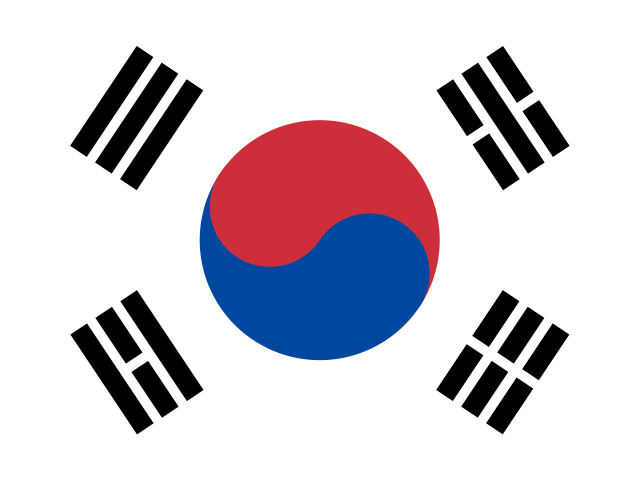
VS
United States

South Korea and the United States are two nations with a long-standing alliance, yet their relationship encompasses both cooperation and divergence.
South Korea, officially the Republic of Korea, is a democratic nation in East Asia with a robust economy and a strong cultural presence, while the United States is a federal republic in North America, known for its global political, economic, and military influence.
The two countries share a mutual defense treaty and have deep economic ties, but their interactions are also shaped by differing national interests and public perceptions.
The conflict between them arises from their distinct strategic priorities and domestic pressures.
For instance, South Korea's considerations regarding the Strait of Hormuz—a vital waterway for its energy imports—reflect a need to balance its security alliance with the United States against its diplomatic and economic relations with Iran.
Meanwhile, the United States, as a global power, seeks to secure international waterways and counter Iranian influence, which can put pressure on its allies to align with its policies.
These divergent interests can lead to friction in their bilateral relationship, even as they maintain a formal alliance.
Further context includes the broader dynamics of their relationship, such as public opinion and cultural exchanges.
A 2026 Pew Research poll indicated that 45% of South Koreans held a favorable view of the United States, while 55% had a negative view, suggesting a complex public sentiment.
Additionally, the two countries differ significantly in size, with the United States being nearly 9,761% larger than South Korea, which influences their respective global roles and domestic priorities.
*AI-generated summary of publicly available data. This is not an official statement of any party.
*AI-generated summary of publicly available statements and reporting. This is not an official statement of this party.
Supporters of South Korea argue that contributing to Strait of Hormuz security reflects a cultural duty to protect maritime lifelines, citing the nation’s historical reliance on seaborne trade as precedent for collective action.
Supporters of South Korea argue that the nation’s maritime culture, shaped by centuries of trade dependence on sea lanes, views the Strait of Hormuz as a vital lifeline, making cautious, non-combative contributions a moral duty to protect its energy security.
Supporters of South Korea counter that duty flows from its own maritime history, where survival hinged on trade routes like the Strait, not U.S. precedent. They argue Seoul’s commitment is cultural—rooted in pragmatic adaptation, not abstract alliance loyalty.
Supporters of South Korea argue that its naval contribution to Strait of Hormuz security is legally justified as collective self-defense under the UN Charter, given the waterway’s direct threat to national energy supplies; they maintain that such action aligns with international.
Supporters of South Korea argue that its participation in the Strait of Hormuz coalition is a lawful exercise of collective self-defense under international maritime law.
Supporters of South Korea counter that the law of the sea does not mandate alliance-wide military deployment, as the Strait’s legal status as an international waterway confers rights, not duties, on third-party states like Seoul.
Supporters of South Korea argue that Seoul’s Hormuz debate is pure leverage, not ideology: the waterway guarantees its oil, and Washington’s pressure is a bill for the US security umbrella, so Seoul must offer token participation to keep that guarantee, while preserving a quiet c.
Supporters of South Korea argue that Seoul’s calculus is pure pragmatism: energy dependence forces a visible gesture, but not full commitment, to satisfy Washington while preserving Tehran ties.
Supporters of South Korea counter that alliance loyalty is a two-way street, and Seoul’s compliance stems from hard security needs—not coercion. Washington’s leverage fades when China and Russia offer cheaper energy, so Seoul plays both sides to maximize bargaining power.
Supporters of South Korea argue that its moral duty lies in defending maritime order and energy security, not in blind alignment with the United States; they see cautious, conditional contributions as a principled balance between global responsibility and avoiding entanglement in.
Supporters of South Korea argue that contributing to Strait of Hormuz security is a moral duty to protect global energy flows, but they insist Seoul’s role must be narrowly humanitarian and defensive, not a partisan act against Iran.
Supporters of South Korea counter that moral duty runs both ways, and a distant coalition’s framing of righteousness overlooks Seoul’s sovereign obligation to protect its own citizens and regional stability, not to underwrite another nation’s strategic narrative.
Supporters of South Korea argue that safeguarding the Strait of Hormuz reflects a moral duty to protect the livelihoods of its people, a stewardship principle rooted in faith.
Supporters of South Korea argue that national stewardship of creation obliges Seoul to protect maritime routes that sustain human life, yet divine law warns against entanglement in another nation’s wars, so faithful advocates see prayerful neutrality as the moral path.
Supporters of South Korea counter that providence calls for peacemaking, not unilateral intervention, and that true faithfulness is shown through diplomatic restraint, which better shields allies from the very chaos such action invites.
*AI-generated summary of publicly available statements and reporting. This is not an official statement of this party.
Supporters of the United States argue that longstanding alliances and shared maritime traditions make South Korea’s participation in the Strait of Hormuz coalition a duty rooted in mutual historical commitment, not mere pressure.
Supporters of the United States argue that Seoul’s participation in the Strait of Hormuz coalition honors a shared cultural commitment to maritime order and alliance fidelity, rooted in decades of mutual defense tradition.
Supporters of the United States counter that South Korea’s cultural duty is better served by adhering to established alliance protocols, which already ensure maritime security through joint frameworks.
Supporters of the United States argue that the Strait of Hormuz is an international waterway where freedom of navigation is a binding legal right under the law of the sea, obligating allies like South Korea to help uphold it.
Supporters of the United States argue that Seoul’s participation in Strait of Hormuz security is a legal obligation under their mutual defense treaty, which hinges on collective maritime security.
Supporters of the United States counter that South Korea’s action lacks a legal basis under UN Charter Article 51, as collective self-defense requires a prior armed attack, not merely economic dependence on energy transit.
Supporters of the United States argue Seoul’s deployment is a coercive test of alliance loyalty, where energy dependence and Washington’s leverage dictate compliance over Tehran’s goodwill.
Supporters of the United States argue Washington’s pressure exploits Seoul’s energy dependence, turning a maritime threat into a loyalty test that binds South Korea’s security to American strategic goals.
Supporters of the United States counter that Seoul’s "token" participation is a test of alliance credibility, not a bill—Washington reads hesitation as a signal of declining commitment, which invites North Korea and China to probe, so the real leverage lies in making South Korea’.
Supporters of the United States argue that moral duty compels allies like South Korea to defend the free flow of maritime trade, seeing coalition participation as a righteous stand against Iranian aggression.
Supporters of the United States argue that Seoul’s moral duty to protect global energy flows and allied security outweighs its caution toward Tehran, viewing participation as righteous collective defense.
Supporters of the United States counter that moral duty demands unwavering solidarity with a treaty ally, for principled balance without commitment undermines the very maritime order South Korea claims to defend.
Supporters of the United States argue that securing the Strait of Hormuz reflects a providential duty to uphold order against chaos, viewing participation as a moral commitment to protect global commerce and allied nations like South Korea from disruption.
Supporters of United States argue that safeguarding the Strait of Hormuz upholds a divine mandate for order, as providence entrusts nations with stewardship over global peace and lawful commerce.
Supporters of the United States counter that South Korea’s claim of faith-based stewardship overlooks the enduring responsibility of established maritime order, which the U.S. has upheld for decades as a guardian of shared security, not a fleeting moral gesture.
AI-generated summary of publicly available statements and reporting. This is not an official statement of this party.
Supporters of South Korea argue that contributing to Strait of Hormuz security reflects a cultural duty to protect maritime lifelines, citing the nation’s historical reliance on seaborne trade as precedent for collective action.
Supporters of South Korea argue that the nation’s maritime culture, shaped by centuries of trade dependence on sea lanes, views the Strait of Hormuz as a vital lifeline, making cautious, non-combative contributions a moral duty to protect its energy security.
Supporters of South Korea counter that duty flows from its own maritime history, where survival hinged on trade routes like the Strait, not U.S. precedent. They argue Seoul’s commitment is cultural—rooted in pragmatic adaptation, not abstract alliance loyalty.
Supporters of South Korea argue that its naval contribution to Strait of Hormuz security is legally justified as collective self-defense under the UN Charter, given the waterway’s direct threat to national energy supplies; they maintain that such action aligns with international.
Supporters of South Korea argue that its participation in the Strait of Hormuz coalition is a lawful exercise of collective self-defense under international maritime law.
Supporters of South Korea counter that the law of the sea does not mandate alliance-wide military deployment, as the Strait’s legal status as an international waterway confers rights, not duties, on third-party states like Seoul.
Supporters of South Korea argue that Seoul’s Hormuz debate is pure leverage, not ideology: the waterway guarantees its oil, and Washington’s pressure is a bill for the US security umbrella, so Seoul must offer token participation to keep that guarantee, while preserving a quiet c.
Supporters of South Korea argue that Seoul’s calculus is pure pragmatism: energy dependence forces a visible gesture, but not full commitment, to satisfy Washington while preserving Tehran ties.
Supporters of South Korea counter that alliance loyalty is a two-way street, and Seoul’s compliance stems from hard security needs—not coercion. Washington’s leverage fades when China and Russia offer cheaper energy, so Seoul plays both sides to maximize bargaining power.
Supporters of South Korea argue that its moral duty lies in defending maritime order and energy security, not in blind alignment with the United States; they see cautious, conditional contributions as a principled balance between global responsibility and avoiding entanglement in.
Supporters of South Korea argue that contributing to Strait of Hormuz security is a moral duty to protect global energy flows, but they insist Seoul’s role must be narrowly humanitarian and defensive, not a partisan act against Iran.
Supporters of South Korea counter that moral duty runs both ways, and a distant coalition’s framing of righteousness overlooks Seoul’s sovereign obligation to protect its own citizens and regional stability, not to underwrite another nation’s strategic narrative.
Supporters of South Korea argue that safeguarding the Strait of Hormuz reflects a moral duty to protect the livelihoods of its people, a stewardship principle rooted in faith.
Supporters of South Korea argue that national stewardship of creation obliges Seoul to protect maritime routes that sustain human life, yet divine law warns against entanglement in another nation’s wars, so faithful advocates see prayerful neutrality as the moral path.
Supporters of South Korea counter that providence calls for peacemaking, not unilateral intervention, and that true faithfulness is shown through diplomatic restraint, which better shields allies from the very chaos such action invites.
Supporters of the United States argue that longstanding alliances and shared maritime traditions make South Korea’s participation in the Strait of Hormuz coalition a duty rooted in mutual historical commitment, not mere pressure.
Supporters of the United States argue that Seoul’s participation in the Strait of Hormuz coalition honors a shared cultural commitment to maritime order and alliance fidelity, rooted in decades of mutual defense tradition.
Supporters of the United States counter that South Korea’s cultural duty is better served by adhering to established alliance protocols, which already ensure maritime security through joint frameworks.
Supporters of the United States argue that the Strait of Hormuz is an international waterway where freedom of navigation is a binding legal right under the law of the sea, obligating allies like South Korea to help uphold it.
Supporters of the United States argue that Seoul’s participation in Strait of Hormuz security is a legal obligation under their mutual defense treaty, which hinges on collective maritime security.
Supporters of the United States counter that South Korea’s action lacks a legal basis under UN Charter Article 51, as collective self-defense requires a prior armed attack, not merely economic dependence on energy transit.
Supporters of the United States argue Seoul’s deployment is a coercive test of alliance loyalty, where energy dependence and Washington’s leverage dictate compliance over Tehran’s goodwill.
Supporters of the United States argue Washington’s pressure exploits Seoul’s energy dependence, turning a maritime threat into a loyalty test that binds South Korea’s security to American strategic goals.
Supporters of the United States counter that Seoul’s "token" participation is a test of alliance credibility, not a bill—Washington reads hesitation as a signal of declining commitment, which invites North Korea and China to probe, so the real leverage lies in making South Korea’.
Supporters of the United States argue that moral duty compels allies like South Korea to defend the free flow of maritime trade, seeing coalition participation as a righteous stand against Iranian aggression.
Supporters of the United States argue that Seoul’s moral duty to protect global energy flows and allied security outweighs its caution toward Tehran, viewing participation as righteous collective defense.
Supporters of the United States counter that moral duty demands unwavering solidarity with a treaty ally, for principled balance without commitment undermines the very maritime order South Korea claims to defend.
Supporters of the United States argue that securing the Strait of Hormuz reflects a providential duty to uphold order against chaos, viewing participation as a moral commitment to protect global commerce and allied nations like South Korea from disruption.
Supporters of United States argue that safeguarding the Strait of Hormuz upholds a divine mandate for order, as providence entrusts nations with stewardship over global peace and lawful commerce.
Supporters of the United States counter that South Korea’s claim of faith-based stewardship overlooks the enduring responsibility of established maritime order, which the U.S. has upheld for decades as a guardian of shared security, not a fleeting moral gesture.
Seoul heavily affected by closure of strategic waterway and under heavy US pressure for participation against Iran.
A Pew Research poll conducted in 2026 found that 45% of South Koreans had a favorable view of the United States, while 55% had a negative view.
The United States men's national soccer team played a friendly match against South Korea, losing 0-2. The match was held at Sports Illustrated Stadium in Harrison, New Jersey.