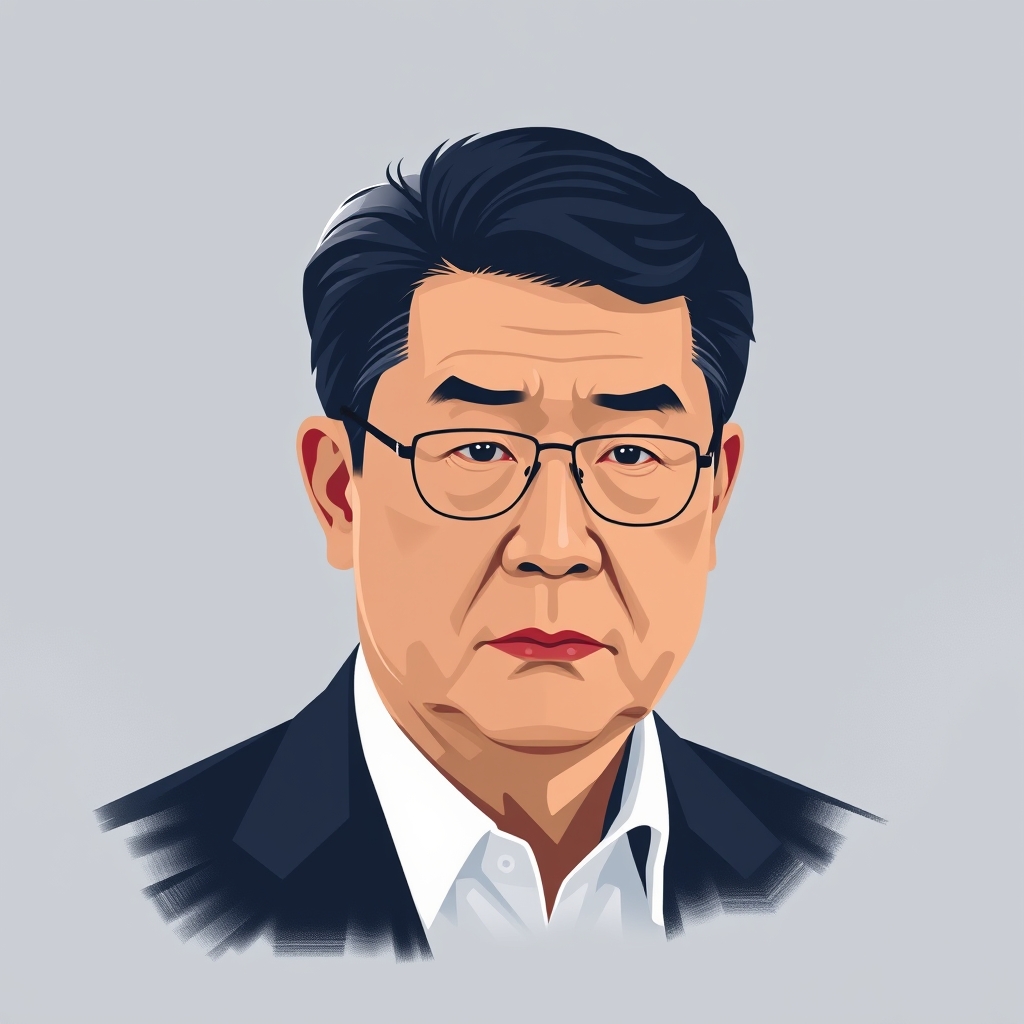
South Korean President Lee Jae-myung
VS
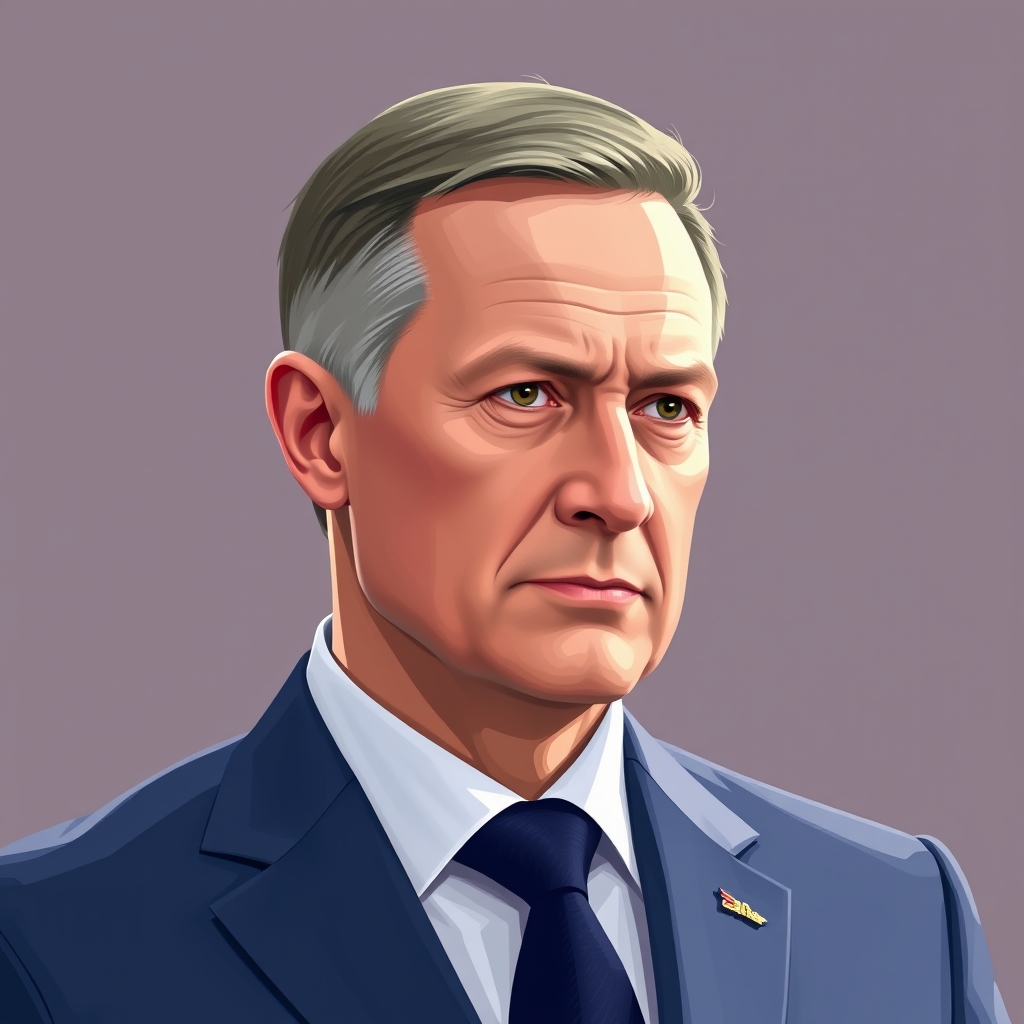
Ukrainian President Zelensky
South Korean President Lee Jae-myung is the newly elected leader of South Korea who, in his first official summit with Ukraine, offered $100 million in aid for Kyiv's reconstruction.
Ukrainian President Volodymyr Zelensky leads Ukraine and has been seeking international support in the war against Russia, including cooperation on the handling of North Korean soldiers captured by Ukrainian forces.
The two leaders met for the first time on the sidelines of the NATO summit in Ankara on July 8, 2026, and agreed to resolve the fate of North Korean prisoners of war.
However, the agreement broke down after Zelensky publicly revealed that Kyiv had transferred two North Korean prisoners of war to South Korea.
Lee called the disclosure "deeply regrettable" and accused Zelensky of using the sensitive transfer for a public relations stunt, while South Korea described the move as callous and irresponsible.
The dispute centers on how to handle North Korean soldiers captured by Ukraine, with South Korea objecting to the public manner in which the transfer was handled.
South Korea's provision of $100 million in reconstruction aid and its role in accepting North Korean prisoners highlight its engagement with Ukraine, but the public spat over the prisoner transfer has strained the two countries' cooperation on this sensitive issue.
*AI-generated summary of publicly available data. This is not an official statement of any party.
*AI-generated summary of publicly available statements and reporting. This is not an official statement of this party.
Supporters of South Korean President Lee Jae-myung argue that handling North Korean prisoners demands cultural kinship and quiet duty, not publicity, maintaining that Seoul's Confucian tradition treats such captives as lost compatriots to be protected with dignity.
Supporters of South Korean President Lee Jae-myung argue that Seoul, as the legitimate custodian of Korean cultural kinship, holds the inherited responsibility for captured North Korean soldiers, and that Zelensky's publicity transfer disregards that tradition.
Supporters of South Korean President Lee Jae-myung counter that publicizing North Korean prisoners risks fracturing the peninsula's fragile inherited order, where cultural kinship and armistice precedent prioritize quiet reunification over external exposure.
Supporters of South Korean President Lee Jae-myung argue that transferring North Korean POWs for publicity violates international humanitarian law, which requires humane treatment and lawful handling of prisoners, not political spectacle.
Supporters of South Korean President Lee Jae-myung argue that transferring North Korean POWs without Seoul's consent violates international law and the Geneva Conventions, which require humane treatment and lawful handling of prisoners.
Supporters of South Korean President Lee Jae-myung counter that under the Geneva Conventions, POWs must be repatriated to their home state, so any transfer involving North Korean soldiers legally requires Seoul's consent, not Ukraine's unilateral discretion.
Supporters of Lee Jae-myung argue that Zelensky's prisoner transfer was leverage theater—extracting sympathy and aid by staging a moral spectacle, while Seoul bears the real security burden of defectors and Pyongyang's rage.
Supporters of Lee Jae-myung argue Zelensky staged the prisoner transfer as a PR play for Western donors, exploiting captive North Koreans for leverage rather than coordinating quietly with Seoul.
Supporters of Lee Jae-myung counter that publicizing the transfer handed Pyongyang a propaganda win and locked Seoul into a visible response, ceding initiative rather than gaining leverage.
Supporters of South Korean President Lee Jae-myung argue that turning captured North Korean soldiers into publicity is a moral failure, since these vulnerable people deserve dignified, humane handling rather than exploitation.
Supporters of Lee Jae-myung argue that exploiting captured North Korean soldiers for publicity violates a moral duty to protect vulnerable lives, and that stewardship of human dignity must outweigh political spectacle.
Supporters of South Korean President Lee Jae-myung counter that exposing prisoners may endanger captives and escalate tensions, arguing the moral duty is to protect lives and pursue diplomacy, not publicity.
Supporters of South Korean President Lee Jae-myung argue that handling prisoners of war demands reverence for the sanctity of life, not publicity, and that Zelensky's transfer spectacle betrays a moral duty to treat captives with dignity.
Supporters of South Korean President Lee Jae-myung argue that handling captured North Korean soldiers as a media spectacle offends the sanctity of life, and that prisoners of war deserve dignified, quiet care rooted in moral duty.
Supporters of South Korean President Lee Jae-myung counter that faith traditions honor mercy over exposure, cautioning that parading captives for truth risks treating human beings as instruments rather than souls owed compassion.
*AI-generated summary of publicly available statements and reporting. This is not an official statement of this party.
Supporters of Ukrainian President Zelensky argue that publicizing North Korean prisoners exposes Pyongyang's military role in the war, a cultural and informational necessity for Ukraine's global standing and sovereignty.
Supporters of Ukrainian President Zelensky argue that publicizing North Korean POWs counters Pyongyang's narrative and exposes its military role, a cultural necessity for Ukraine's survival.
Supporters of Ukrainian President Zelensky counter that cultural kinship does not bind a sovereign state's duty; captives from an adversarial army are handled as prisoners of war under international law, not as lost compatriots.
Supporters of Ukrainian President Zelensky argue that handling captured North Korean soldiers falls under Ukraine's lawful sovereign authority as a party to the conflict, and that transferring prisoners is a legal matter of state, not a PR stunt.
Supporters of Ukrainian President Zelensky maintain that transferring North Korean POWs is lawful under the Geneva Conventions, which permit humane internment and transfer between states, not a PR stunt.
Supporters of Ukrainian President Zelensky counter that international humanitarian law, including Geneva Convention III, permits publicizing POW treatment to counter enemy propaganda, so publicity itself is not unlawful.
Supporters of Zelensky argue that publicizing the North Korean POW transfer was leverage: it forced Seoul's hand, framed Pyongyang as a belligerent, and extracted concessions that quiet diplomacy would not.
Supporters of Zelensky argue the prisoner transfer was leverage, not theater: showcasing captured North Koreans pressures Seoul and the West for deeper support, since visibility forces action where quiet diplomacy stalls.
Supporters of Zelensky counter that leverage is the currency of survival: Pyongyang already arms Moscow, so Seoul's "burden" is a price it pays regardless, while Kyiv converts captives into aid it cannot otherwise extract.
Supporters of Ukrainian President Zelensky argue that publicizing North Korean prisoners is a moral duty, not a stunt, since it exposes Pyongyang's direct combat role and pressures the world to act.
Supporters of Ukrainian President Zelensky argue that publicizing captured North Korean soldiers serves a moral purpose: exposing Pyongyang's direct combat role, which they say the world must confront rather than quietly ignore.
Supporters of Ukrainian President Zelensky counter that moral duty is not exploitative publicity but exposing the reality of North Korean troops fighting in Europe, a truth the world needs to see to defend the vulnerable.
Supporters of Ukrainian President Zelensky argue that his handling of North Korean captives reflects a moral duty to expose Pyongyang's role in the war, framing the prisoners' treatment as a matter of justice and truth-bearing under international law.
Supporters of Ukrainian President Zelensky argue that returning captured North Korean soldiers is a moral duty under just-war and humanitarian teachings, and they deny that the transfer was a PR stunt.
Supporters of Ukrainian President Zelensky counter that Scripture calls nations to pursue justice for the wronged, and that public exposure of captive soldiers' plight can be a righteous plea for their deliverance, not a betrayal of mercy.
AI-generated summary of publicly available statements and reporting. This is not an official statement of this party.
Supporters of South Korean President Lee Jae-myung argue that handling North Korean prisoners demands cultural kinship and quiet duty, not publicity, maintaining that Seoul's Confucian tradition treats such captives as lost compatriots to be protected with dignity.
Supporters of South Korean President Lee Jae-myung argue that Seoul, as the legitimate custodian of Korean cultural kinship, holds the inherited responsibility for captured North Korean soldiers, and that Zelensky's publicity transfer disregards that tradition.
Supporters of South Korean President Lee Jae-myung counter that publicizing North Korean prisoners risks fracturing the peninsula's fragile inherited order, where cultural kinship and armistice precedent prioritize quiet reunification over external exposure.
Supporters of South Korean President Lee Jae-myung argue that transferring North Korean POWs for publicity violates international humanitarian law, which requires humane treatment and lawful handling of prisoners, not political spectacle.
Supporters of South Korean President Lee Jae-myung argue that transferring North Korean POWs without Seoul's consent violates international law and the Geneva Conventions, which require humane treatment and lawful handling of prisoners.
Supporters of South Korean President Lee Jae-myung counter that under the Geneva Conventions, POWs must be repatriated to their home state, so any transfer involving North Korean soldiers legally requires Seoul's consent, not Ukraine's unilateral discretion.
Supporters of Lee Jae-myung argue that Zelensky's prisoner transfer was leverage theater—extracting sympathy and aid by staging a moral spectacle, while Seoul bears the real security burden of defectors and Pyongyang's rage.
Supporters of Lee Jae-myung argue Zelensky staged the prisoner transfer as a PR play for Western donors, exploiting captive North Koreans for leverage rather than coordinating quietly with Seoul.
Supporters of Lee Jae-myung counter that publicizing the transfer handed Pyongyang a propaganda win and locked Seoul into a visible response, ceding initiative rather than gaining leverage.
Supporters of South Korean President Lee Jae-myung argue that turning captured North Korean soldiers into publicity is a moral failure, since these vulnerable people deserve dignified, humane handling rather than exploitation.
Supporters of Lee Jae-myung argue that exploiting captured North Korean soldiers for publicity violates a moral duty to protect vulnerable lives, and that stewardship of human dignity must outweigh political spectacle.
Supporters of South Korean President Lee Jae-myung counter that exposing prisoners may endanger captives and escalate tensions, arguing the moral duty is to protect lives and pursue diplomacy, not publicity.
Supporters of South Korean President Lee Jae-myung argue that handling prisoners of war demands reverence for the sanctity of life, not publicity, and that Zelensky's transfer spectacle betrays a moral duty to treat captives with dignity.
Supporters of South Korean President Lee Jae-myung argue that handling captured North Korean soldiers as a media spectacle offends the sanctity of life, and that prisoners of war deserve dignified, quiet care rooted in moral duty.
Supporters of South Korean President Lee Jae-myung counter that faith traditions honor mercy over exposure, cautioning that parading captives for truth risks treating human beings as instruments rather than souls owed compassion.
Supporters of Ukrainian President Zelensky argue that publicizing North Korean prisoners exposes Pyongyang's military role in the war, a cultural and informational necessity for Ukraine's global standing and sovereignty.
Supporters of Ukrainian President Zelensky argue that publicizing North Korean POWs counters Pyongyang's narrative and exposes its military role, a cultural necessity for Ukraine's survival.
Supporters of Ukrainian President Zelensky counter that cultural kinship does not bind a sovereign state's duty; captives from an adversarial army are handled as prisoners of war under international law, not as lost compatriots.
Supporters of Ukrainian President Zelensky argue that handling captured North Korean soldiers falls under Ukraine's lawful sovereign authority as a party to the conflict, and that transferring prisoners is a legal matter of state, not a PR stunt.
Supporters of Ukrainian President Zelensky maintain that transferring North Korean POWs is lawful under the Geneva Conventions, which permit humane internment and transfer between states, not a PR stunt.
Supporters of Ukrainian President Zelensky counter that international humanitarian law, including Geneva Convention III, permits publicizing POW treatment to counter enemy propaganda, so publicity itself is not unlawful.
Supporters of Zelensky argue that publicizing the North Korean POW transfer was leverage: it forced Seoul's hand, framed Pyongyang as a belligerent, and extracted concessions that quiet diplomacy would not.
Supporters of Zelensky argue the prisoner transfer was leverage, not theater: showcasing captured North Koreans pressures Seoul and the West for deeper support, since visibility forces action where quiet diplomacy stalls.
Supporters of Zelensky counter that leverage is the currency of survival: Pyongyang already arms Moscow, so Seoul's "burden" is a price it pays regardless, while Kyiv converts captives into aid it cannot otherwise extract.
Supporters of Ukrainian President Zelensky argue that publicizing North Korean prisoners is a moral duty, not a stunt, since it exposes Pyongyang's direct combat role and pressures the world to act.
Supporters of Ukrainian President Zelensky argue that publicizing captured North Korean soldiers serves a moral purpose: exposing Pyongyang's direct combat role, which they say the world must confront rather than quietly ignore.
Supporters of Ukrainian President Zelensky counter that moral duty is not exploitative publicity but exposing the reality of North Korean troops fighting in Europe, a truth the world needs to see to defend the vulnerable.
Supporters of Ukrainian President Zelensky argue that his handling of North Korean captives reflects a moral duty to expose Pyongyang's role in the war, framing the prisoners' treatment as a matter of justice and truth-bearing under international law.
Supporters of Ukrainian President Zelensky argue that returning captured North Korean soldiers is a moral duty under just-war and humanitarian teachings, and they deny that the transfer was a PR stunt.
Supporters of Ukrainian President Zelensky counter that Scripture calls nations to pursue justice for the wronged, and that public exposure of captive soldiers' plight can be a righteous plea for their deliverance, not a betrayal of mercy.
South Korean President Lee Jae-myung has accused Vladimir Zelensky of using a sensitive transfer of North Korean prisoners for a PR stunt Read Full Article at RT.com
Ukrainian President Volodymyr Zelensky announced in an address that Ukraine had transferred two North Korean prisoners of war to South Korea.
South Korean President Lee Jae-myung and Ukrainian President Volodymyr Zelensky agreed to resolve the fate of North Korean prisoners of war.
South Korean President Lee Jae-myung met Ukrainian President Volodymyr Zelensky for the first time on the sidelines of the NATO summit in Ankara, where Lee offered $100 million in aid for Ukraine's reconstruction.