South Korean prosecutors

VS
Han Hak Ja
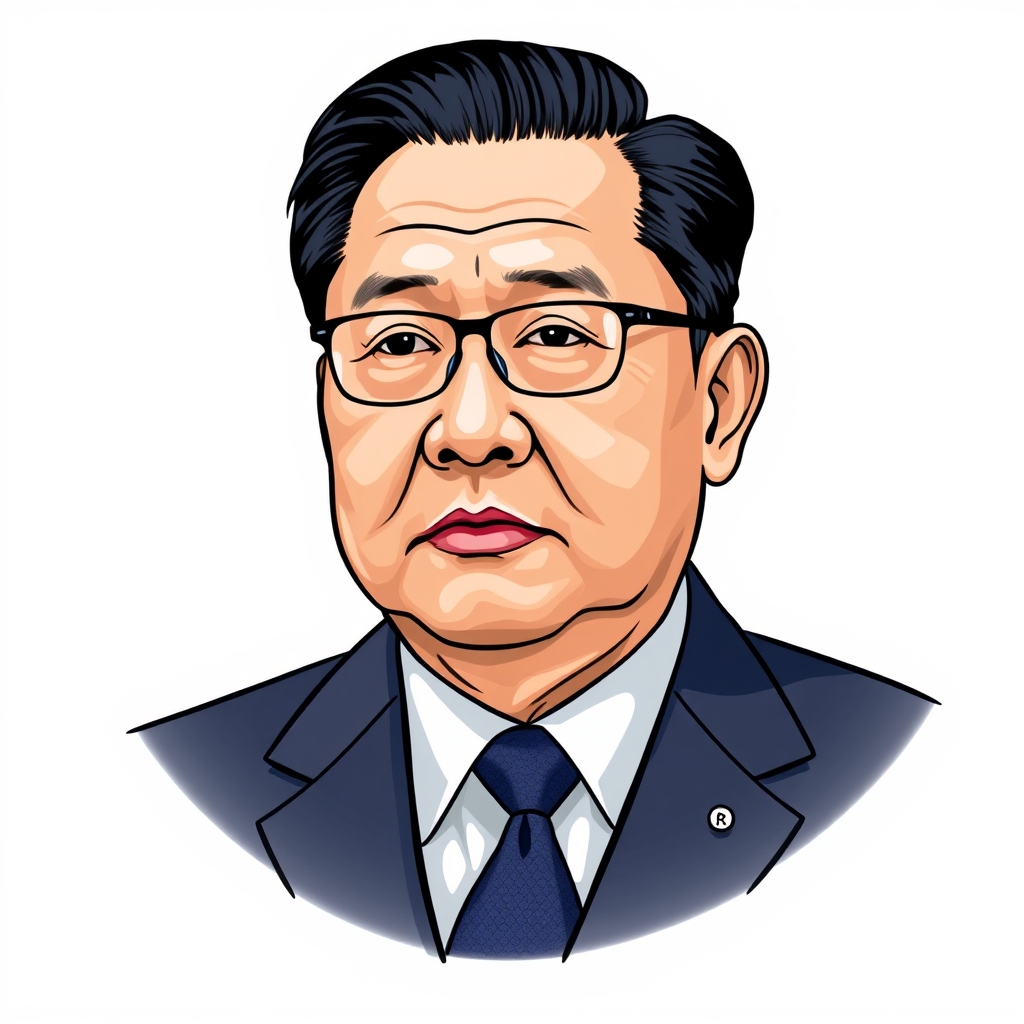
South Korean prosecutors are the state legal authorities responsible for investigating and prosecuting criminal offenses in South Korea.
Han Hak Ja is the leader of the Unification Church, a religious group founded by her late husband, Moon Sun-myung, and she is also known as the widow of the group's founder.
The conflict centers on allegations that Han Hak Ja violated the Political Funds Act and engaged in bribery by providing luxury gifts and cash to former South Korean First Lady Kim Keon Hee and a close confidante of President Yoon Suk Yeol.
Prosecutors also claim that Han misused church donations to buy political influence and helped Yoon win the 2022 presidential election by mobilizing church members.
Han denies any wrongdoing, stating she had no knowledge of the alleged bribes, while prosecutors reject her denial, describing her as an 'absolute power holder' within the church.
The case has led to Han's indictment and a bribery trial, with a lawmaker detained over evidence destruction concerns.
The outcome could have significant implications for the Unification Church and its leadership, as well as for political accountability in South Korea.
*AI-generated summary of publicly available data. This is not an official statement of any party.
*AI-generated summary of publicly available statements and reporting. This is not an official statement of this party.
Supporters of South Korean prosecutors argue that the verdict upholds the nation’s cultural standard of public integrity, where no religious leader stands above the law.
Supporters of South Korean prosecutors argue that the conviction upholds cultural norms of legal integrity and national honor, rejecting Han Hak Ja’s claim that gift-giving reflects traditional courtesy.
Supporters of South Korean prosecutors counter that cultural norms do not shield abuses of power, arguing that Han Hak Ja’s selective gift-giving to officials mirrors a transactional hierarchy, not shared tradition, and that legal standards must override selective custom.
Supporters of South Korean prosecutors argue that the conviction rests on a clear legal definition of bribery, where intent and value of gifts are judged by statute, not personal denial.
Supporters of South Korean prosecutors maintain the bribery conviction rests on a clear legal definition of prohibited gift-giving, not political motive, and that Han Hak Ja’s denial fails to rebut evidence of intent to influence a public official.
Supporters of South Korean prosecutors counter that the bribery ruling rests on a broader legal standard, where even non-explicit gifts to public officials can imply undue influence, and the evidence of intent suffices under statutory interpretation.
Supporters of South Korean prosecutors argue that the bribery conviction is a calculated display of institutional power, proving no figure, however influential, stands above legal leverage.
Supporters of South Korean prosecutors argue the conviction is a calculated demonstration of institutional power, proving no figure, however influential, stands above the law’s leverage.
Supporters of South Korean prosecutors counter that selective enforcement is the system’s currency, not its flaw; the gift focus is a calculable offense, while power dynamics remain legally unprovable and politically untouchable.
Supporters of South Korean prosecutors argue that moral accountability demands equal application of law, regardless of status or religious leadership, and that the conviction upholds the ethical principle that no gift to public officials is exempt from scrutiny.
Supporters of South Korean prosecutors argue that convicting Han Hak Ja upholds the moral duty to enforce equal justice, as bribery corrodes public trust regardless of intent.
Supporters of South Korean prosecutors counter that intent does not erase the public harm of normalized bribery, arguing that cultural norms cannot shield acts that erode institutional trust and equal justice under law.
Supporters of South Korean prosecutors argue that law and order transcend religious authority, viewing Han Hak Ja’s conviction as a sacred duty to uphold moral accountability over spiritual influence.
Supporters of South Korean prosecutors argue that the conviction of Han Hak Ja upholds the sacred rule of law, which in their view reflects a divine order that no religious leader stands above, as her actions breached the trust that sustains societal harmony.
Supporters of South Korean prosecutors counter that religious goodwill does not exempt acts from legal scrutiny, and that Han Hak Ja’s gifts were tied to specific official favors, not mere charity.
*AI-generated summary of publicly available statements and reporting. This is not an official statement of this party.
Supporters of Han Hak Ja argue that cultural norms of gift-giving in Korean society are being misread as corruption, pointing to her tradition of honoring national figures as evidence of respectful custom, not criminal intent.
Supporters of Han Hak Ja argue that her conviction reflects a cultural clash, where traditional gift-giving customs, rooted in Korean social bonds, were misread as corruption by prosecutors.
Supporters of Han Hak Ja counter that Korea’s cultural standard equally honors religious conscience, and that this verdict risks eroding the moral authority that faith communities have long provided to the nation’s social fabric.
Supporters of Han Hak Ja argue the bribery conviction misapplies legal standards, as gift-giving lacks evidence of a quid pro quo, which is essential for a fair ruling under South Korean law.
Supporters of Han Hak Ja argue the bribery conviction misapplies legal standards, as gift-giving in Korean culture lacks corrupt intent, and they point to due process concerns over evidence interpretation.
Supporters of Han Hak Ja counter that statutory bribery definitions hinge on corrupt intent, which the prosecution’s case fails to establish beyond a reasonable doubt, as the gifts’ context and customary practice were ignored.
Supporters of Han Hak Ja argue the conviction is a political tool, not justice, pointing to prosecutors' selective focus on gifts while ignoring the power dynamics of who truly benefits from such ties.
Supporters of Han Hak Ja argue the conviction is a political calculation, not justice, pointing to prosecutors leveraging a gift scandal to target the Unification Church’s influence and wealth.
Supporters of Han Hak Ja counter that the conviction is less about justice and more about prosecutorial self-preservation, targeting a politically exposed figure to signal institutional relevance.
Supporters of Han Hak Ja argue that her gifts were acts of goodwill, not corruption, and that the conviction unfairly criminalizes cultural norms of respect, ignoring her intent.
Supporters of Han Hak Ja argue that her gifts were acts of personal goodwill, not bribery, and that the conviction ignores the moral context of longstanding friendship.
Supporters of Han Hak Ja counter that moral accountability must weigh intent and context, and that the law’s equal application ignores the religious leader’s duty to counsel, not corrupt, public figures.
Supporters of Han Hak Ja argue that her gifts were acts of religious goodwill, not bribery, and that the conviction unfairly criminalizes faith-based generosity.
Supporters of Han Hak Ja argue that her gifts were acts of spiritual devotion, not corruption, and that the conviction unfairly criminalizes religious generosity.
Supporters of Han Hak Ja counter that divine law, not secular prosecution, defines true accountability, arguing her conviction misreads spiritual stewardship as criminal intent.
AI-generated summary of publicly available statements and reporting. This is not an official statement of this party.
Supporters of South Korean prosecutors argue that the verdict upholds the nation’s cultural standard of public integrity, where no religious leader stands above the law.
Supporters of South Korean prosecutors argue that the conviction upholds cultural norms of legal integrity and national honor, rejecting Han Hak Ja’s claim that gift-giving reflects traditional courtesy.
Supporters of South Korean prosecutors counter that cultural norms do not shield abuses of power, arguing that Han Hak Ja’s selective gift-giving to officials mirrors a transactional hierarchy, not shared tradition, and that legal standards must override selective custom.
Supporters of South Korean prosecutors argue that the conviction rests on a clear legal definition of bribery, where intent and value of gifts are judged by statute, not personal denial.
Supporters of South Korean prosecutors maintain the bribery conviction rests on a clear legal definition of prohibited gift-giving, not political motive, and that Han Hak Ja’s denial fails to rebut evidence of intent to influence a public official.
Supporters of South Korean prosecutors counter that the bribery ruling rests on a broader legal standard, where even non-explicit gifts to public officials can imply undue influence, and the evidence of intent suffices under statutory interpretation.
Supporters of South Korean prosecutors argue that the bribery conviction is a calculated display of institutional power, proving no figure, however influential, stands above legal leverage.
Supporters of South Korean prosecutors argue the conviction is a calculated demonstration of institutional power, proving no figure, however influential, stands above the law’s leverage.
Supporters of South Korean prosecutors counter that selective enforcement is the system’s currency, not its flaw; the gift focus is a calculable offense, while power dynamics remain legally unprovable and politically untouchable.
Supporters of South Korean prosecutors argue that moral accountability demands equal application of law, regardless of status or religious leadership, and that the conviction upholds the ethical principle that no gift to public officials is exempt from scrutiny.
Supporters of South Korean prosecutors argue that convicting Han Hak Ja upholds the moral duty to enforce equal justice, as bribery corrodes public trust regardless of intent.
Supporters of South Korean prosecutors counter that intent does not erase the public harm of normalized bribery, arguing that cultural norms cannot shield acts that erode institutional trust and equal justice under law.
Supporters of South Korean prosecutors argue that law and order transcend religious authority, viewing Han Hak Ja’s conviction as a sacred duty to uphold moral accountability over spiritual influence.
Supporters of South Korean prosecutors argue that the conviction of Han Hak Ja upholds the sacred rule of law, which in their view reflects a divine order that no religious leader stands above, as her actions breached the trust that sustains societal harmony.
Supporters of South Korean prosecutors counter that religious goodwill does not exempt acts from legal scrutiny, and that Han Hak Ja’s gifts were tied to specific official favors, not mere charity.
Supporters of Han Hak Ja argue that cultural norms of gift-giving in Korean society are being misread as corruption, pointing to her tradition of honoring national figures as evidence of respectful custom, not criminal intent.
Supporters of Han Hak Ja argue that her conviction reflects a cultural clash, where traditional gift-giving customs, rooted in Korean social bonds, were misread as corruption by prosecutors.
Supporters of Han Hak Ja counter that Korea’s cultural standard equally honors religious conscience, and that this verdict risks eroding the moral authority that faith communities have long provided to the nation’s social fabric.
Supporters of Han Hak Ja argue the bribery conviction misapplies legal standards, as gift-giving lacks evidence of a quid pro quo, which is essential for a fair ruling under South Korean law.
Supporters of Han Hak Ja argue the bribery conviction misapplies legal standards, as gift-giving in Korean culture lacks corrupt intent, and they point to due process concerns over evidence interpretation.
Supporters of Han Hak Ja counter that statutory bribery definitions hinge on corrupt intent, which the prosecution’s case fails to establish beyond a reasonable doubt, as the gifts’ context and customary practice were ignored.
Supporters of Han Hak Ja argue the conviction is a political tool, not justice, pointing to prosecutors' selective focus on gifts while ignoring the power dynamics of who truly benefits from such ties.
Supporters of Han Hak Ja argue the conviction is a political calculation, not justice, pointing to prosecutors leveraging a gift scandal to target the Unification Church’s influence and wealth.
Supporters of Han Hak Ja counter that the conviction is less about justice and more about prosecutorial self-preservation, targeting a politically exposed figure to signal institutional relevance.
Supporters of Han Hak Ja argue that her gifts were acts of goodwill, not corruption, and that the conviction unfairly criminalizes cultural norms of respect, ignoring her intent.
Supporters of Han Hak Ja argue that her gifts were acts of personal goodwill, not bribery, and that the conviction ignores the moral context of longstanding friendship.
Supporters of Han Hak Ja counter that moral accountability must weigh intent and context, and that the law’s equal application ignores the religious leader’s duty to counsel, not corrupt, public figures.
Supporters of Han Hak Ja argue that her gifts were acts of religious goodwill, not bribery, and that the conviction unfairly criminalizes faith-based generosity.
Supporters of Han Hak Ja argue that her gifts were acts of spiritual devotion, not corruption, and that the conviction unfairly criminalizes religious generosity.
Supporters of Han Hak Ja counter that divine law, not secular prosecution, defines true accountability, arguing her conviction misreads spiritual stewardship as criminal intent.
Han Hak Ja was convicted on bribery charges for giving luxury gifts to the former first lady.
South Korean prosecutors indicted Han Hak Ja and a former senior official of the Unification Church, accusing them of violating the Political Funds Act and conspiring in bribery.
At the opening of her trial, Han Hak Ja denied knowing about the alleged bribes to Kim Keon Hee, while prosecutors rejected her claim, calling her an 'absolute power holder' in the church.
The bribery trial of Han Hak Ja started in South Korea, with prosecutors alleging she bribed a close confidante of President Yoon and helped Yoon win the 2022 election by mobilizing church members.
Han Hak Ja was questioned by South Korean prosecutors over bribery allegations involving former First Lady Kim Keon Hee, and a lawmaker was detained over evidence destruction concerns.