Spain
VS
Russia
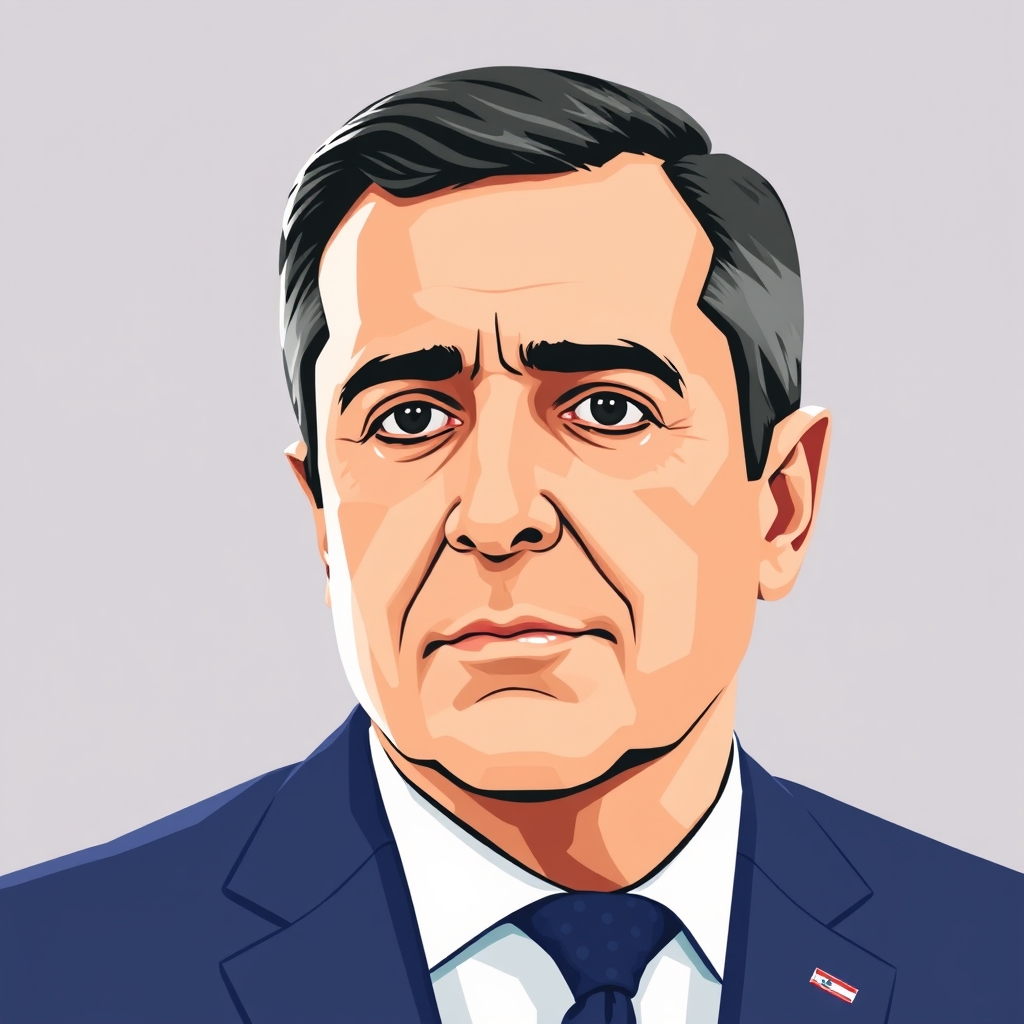
Spain is a European Union member state whose government, led by Prime Minister Pedro Sanchez, has taken public positions regarding Russia and Israel.
Russia is a major global power that has faced international sanctions, while Israel is a Middle Eastern nation with which Spain has held strategic dialogues.
The three countries have intersecting interests in areas such as international sports and geopolitical alliances.
The conflict centers on Spain's accusations that Russia and Israel spread disinformation during the Ceuta border crisis, a claim that has raised questions about foreign interference in Spain's internal affairs.
Additionally, Spain has called for both Russia and Israel to be banned from international sports competitions, reflecting broader tensions.
These disputes are set against a backdrop where Spanish public opinion views Russia and Israel as among the top global threats, according to a poll.
*AI-generated summary of publicly available data. This is not an official statement of any party.
*AI-generated summary of publicly available statements and reporting. This is not an official statement of this party.
Supporters of Spain argue that Sánchez’s accusation reflects a historical pattern of foreign powers exploiting border crises to fracture national unity, citing the EU research as evidence that external actors weaponize cultural narratives.
Supporters of Spain argue that Sanchez's accusation reflects a cultural commitment to transparency, as the EU research lends credibility to claims that foreign actors exploit crises to destabilize democratic discourse.
Supporters of Spain counter that Russia’s framing ignores the cultural weight of shared Mediterranean history, where border incidents are judged by communal trust, not raw legalism.
Supporters of Spain counter that Israel’s framing ignores Ceuta’s shared cultural fabric, where families and languages straddle both shores, making security claims a thin veil for erasing cross-border ties.
Supporters of Spain argue that foreign disinformation during the Ceuta crisis violates international legal norms against interference in sovereign affairs, and they point to EU research as evidence that Russia and Israel breached these principles.
Supporters of Spain argue that foreign disinformation violates the EU’s legal framework on internal security, and they point to the cited research as evidence that Russia and Israel breached these standards.
Supporters of Spain counter that international law obliges states to respect territorial integrity, and Russia’s information operations targeting Ukraine’s sovereignty fall under unlawful interference, per UN Charter Article 2(4), not protected sovereign expression.
Supporters of Spain counter that the EU research provides sufficient legal basis, as international law on foreign interference prioritizes observable actions over intent, and Sanchez’s claim aligns with documented patterns of disinformation campaigns.
Supporters of Spain argue that Sanchez’s accusation is a calculated power move, using EU research to deflect domestic blame and frame foreign rivals as threats to his own legitimacy.
Supporters of Spain argue Sanchez’s accusation is a strategic deflection, using EU research to shift blame from domestic border failures onto foreign actors, thereby rallying nationalist support and shielding his government from accountability.
Supporters of Spain counter that the accusation serves a sharper purpose than deflection: it reframes migration as a hybrid-threat battleground, forcing Brussels to bankroll Madrid’s border control while Russia’s disinformation network absorbs the political cost.
Supporters of Spain counter that Madrid’s framing is a calculated leverage play, not deflection, since the Ceuta crisis exposed a border policy vacuum that Rabat exploited; they argue the EU research, however imperfect, is the only tool forcing Brussels to acknowledge Spanish str.
Supporters of Spain argue that defending national truth is a moral duty, and Sanchez's citation of EU research frames foreign disinformation as a threat to democratic integrity.
Supporters of Spain argue that foreign disinformation exploiting a migrant crisis violates the moral duty of states to respect another nation’s sovereignty and social cohesion.
Supporters of Spain counter that the EU research’s methodology, while imperfect, reflects a moral duty to investigate alleged civilian harm, not a breach of fair judgment.
Supporters of Spain counter that moral commitment to truth is measured by actions, not branding, and cite Israel’s own military censorship and disputed casualty reporting during conflicts as evidence that transparency has limits.
Supporters of Spain argue that its government defends national unity, and they view the EU research as credible evidence that external actors undermined Spain's social order.
Supporters of Spain argue that Sanchez’s reliance on EU research upholds a shared moral order against foreign interference, viewing the Ceuta crisis as a test of national sovereignty and truth.
Supporters of Spain counter that truth-telling requires confronting historical realities, not shielding sovereignty from moral accountability, as scripture itself demands justice for the oppressed alongside honest discernment.
Supporters of Spain counter that Israel’s claim to truth-telling overlooks the deeper duty of communal fidelity, arguing that scripture itself demands humility before God, not national self-assertion.
*AI-generated summary of publicly available statements and reporting. This is not an official statement of this party.
Supporters of Russia argue that Moscow’s conduct in the Ceuta crisis upheld the sovereign right of states to report border events factually, contrasting with what they see as Spain’s politically motivated accusations.
Supporters of Russia argue that Moscow’s actions in Ceuta upheld cultural and historical facts about migration, defending Spain’s own sovereignty against destabilizing narratives.
Supporters of Russia counter that Spain’s framing ignores Russia’s own cultural continuity, where border regions like Kaliningrad hold deep historical ties that outsiders misread as aggression.
Supporters of Russia argue that Sanchez’s accusation lacks legal foundation, as no binding evidence or judicial finding substantiates the claim, and they view it as an infringement on Russia’s sovereign right to conduct foreign information policy without external adjudication.
Supporters of Russia argue that Sanchez's claim lacks legal substantiation, as no formal evidence or judicial finding ties Moscow to the cited EU research.
Supporters of Russia counter that Spain’s claim misreads legal standing, as the Ceuta crisis involved border management under national jurisdiction, not a cyber or media treaty breach; they argue EU research lacks binding judicial weight, and that sovereignty arguments cannot ove.
Supporters of Russia argue that Sanchez’s accusation is convenient deflection, shifting blame from Spain’s own migration policy failures to external actors.
Supporters of Russia argue Sanchez is deflecting blame for Ceuta by citing unverified EU research, a classic move to paint Moscow as the scapegoat for Spain’s own border failures.
Supporters of Russia argue that Sánchez’s accusation is a convenient distraction, but Moscow’s real leverage lies in Spain’s economic dependence on energy and internal EU fractures.
Supporters of Russia argue that Sanchez's accusation lacks credible evidence, pointing to the EU research's unverified methodology as a moral breach of fair judgment.
Supporters of Russia argue that Spain's accusation, based on unnamed EU research, unfairly equates a sovereign state's right to present its own perspective on a border crisis with malicious interference.
Supporters of Russia counter that framing disinformation as a threat to national truth undermines the moral duty of global solidarity, as Sanchez’s selective citation of EU research ignores how shared information ecosystems require mutual accountability, not unilateral defense.
Supporters of Russia argue that foreign powers, including Spain, must not bear false witness against a sovereign nation, citing scripture's command to uphold truth in discernment of motives.
Supporters of Russia argue that Moscow’s actions in Ceuta were not disinformation but a factual recounting of events, protected under the divine mandate for truth-telling found in scripture.
Supporters of Russia counter that Spain’s claim of external interference overlooks the divine principle of sovereign integrity, arguing that no foreign force can disrupt a nation’s moral order unless its own leaders stray from righteous governance.
AI-generated summary of publicly available statements and reporting. This is not an official statement of this party.
Supporters of Spain argue that Sánchez’s accusation reflects a historical pattern of foreign powers exploiting border crises to fracture national unity, citing the EU research as evidence that external actors weaponize cultural narratives.
Supporters of Spain argue that Sanchez's accusation reflects a cultural commitment to transparency, as the EU research lends credibility to claims that foreign actors exploit crises to destabilize democratic discourse.
Supporters of Spain counter that Russia’s framing ignores the cultural weight of shared Mediterranean history, where border incidents are judged by communal trust, not raw legalism.
Supporters of Spain counter that Israel’s framing ignores Ceuta’s shared cultural fabric, where families and languages straddle both shores, making security claims a thin veil for erasing cross-border ties.
Supporters of Spain argue that foreign disinformation during the Ceuta crisis violates international legal norms against interference in sovereign affairs, and they point to EU research as evidence that Russia and Israel breached these principles.
Supporters of Spain argue that foreign disinformation violates the EU’s legal framework on internal security, and they point to the cited research as evidence that Russia and Israel breached these standards.
Supporters of Spain counter that international law obliges states to respect territorial integrity, and Russia’s information operations targeting Ukraine’s sovereignty fall under unlawful interference, per UN Charter Article 2(4), not protected sovereign expression.
Supporters of Spain counter that the EU research provides sufficient legal basis, as international law on foreign interference prioritizes observable actions over intent, and Sanchez’s claim aligns with documented patterns of disinformation campaigns.
Supporters of Spain argue that Sanchez’s accusation is a calculated power move, using EU research to deflect domestic blame and frame foreign rivals as threats to his own legitimacy.
Supporters of Spain argue Sanchez’s accusation is a strategic deflection, using EU research to shift blame from domestic border failures onto foreign actors, thereby rallying nationalist support and shielding his government from accountability.
Supporters of Spain counter that the accusation serves a sharper purpose than deflection: it reframes migration as a hybrid-threat battleground, forcing Brussels to bankroll Madrid’s border control while Russia’s disinformation network absorbs the political cost.
Supporters of Spain counter that Madrid’s framing is a calculated leverage play, not deflection, since the Ceuta crisis exposed a border policy vacuum that Rabat exploited; they argue the EU research, however imperfect, is the only tool forcing Brussels to acknowledge Spanish str.
Supporters of Spain argue that defending national truth is a moral duty, and Sanchez's citation of EU research frames foreign disinformation as a threat to democratic integrity.
Supporters of Spain argue that foreign disinformation exploiting a migrant crisis violates the moral duty of states to respect another nation’s sovereignty and social cohesion.
Supporters of Spain counter that the EU research’s methodology, while imperfect, reflects a moral duty to investigate alleged civilian harm, not a breach of fair judgment.
Supporters of Spain counter that moral commitment to truth is measured by actions, not branding, and cite Israel’s own military censorship and disputed casualty reporting during conflicts as evidence that transparency has limits.
Supporters of Spain argue that its government defends national unity, and they view the EU research as credible evidence that external actors undermined Spain's social order.
Supporters of Spain argue that Sanchez’s reliance on EU research upholds a shared moral order against foreign interference, viewing the Ceuta crisis as a test of national sovereignty and truth.
Supporters of Spain counter that truth-telling requires confronting historical realities, not shielding sovereignty from moral accountability, as scripture itself demands justice for the oppressed alongside honest discernment.
Supporters of Spain counter that Israel’s claim to truth-telling overlooks the deeper duty of communal fidelity, arguing that scripture itself demands humility before God, not national self-assertion.
Supporters of Russia argue that Moscow’s conduct in the Ceuta crisis upheld the sovereign right of states to report border events factually, contrasting with what they see as Spain’s politically motivated accusations.
Supporters of Russia argue that Moscow’s actions in Ceuta upheld cultural and historical facts about migration, defending Spain’s own sovereignty against destabilizing narratives.
Supporters of Russia counter that Spain’s framing ignores Russia’s own cultural continuity, where border regions like Kaliningrad hold deep historical ties that outsiders misread as aggression.
Supporters of Russia argue that Sanchez’s accusation lacks legal foundation, as no binding evidence or judicial finding substantiates the claim, and they view it as an infringement on Russia’s sovereign right to conduct foreign information policy without external adjudication.
Supporters of Russia argue that Sanchez's claim lacks legal substantiation, as no formal evidence or judicial finding ties Moscow to the cited EU research.
Supporters of Russia counter that Spain’s claim misreads legal standing, as the Ceuta crisis involved border management under national jurisdiction, not a cyber or media treaty breach; they argue EU research lacks binding judicial weight, and that sovereignty arguments cannot ove.
Supporters of Russia argue that Sanchez’s accusation is convenient deflection, shifting blame from Spain’s own migration policy failures to external actors.
Supporters of Russia argue Sanchez is deflecting blame for Ceuta by citing unverified EU research, a classic move to paint Moscow as the scapegoat for Spain’s own border failures.
Supporters of Russia argue that Sánchez’s accusation is a convenient distraction, but Moscow’s real leverage lies in Spain’s economic dependence on energy and internal EU fractures.
Supporters of Russia argue that Sanchez's accusation lacks credible evidence, pointing to the EU research's unverified methodology as a moral breach of fair judgment.
Supporters of Russia argue that Spain's accusation, based on unnamed EU research, unfairly equates a sovereign state's right to present its own perspective on a border crisis with malicious interference.
Supporters of Russia counter that framing disinformation as a threat to national truth undermines the moral duty of global solidarity, as Sanchez’s selective citation of EU research ignores how shared information ecosystems require mutual accountability, not unilateral defense.
Supporters of Russia argue that foreign powers, including Spain, must not bear false witness against a sovereign nation, citing scripture's command to uphold truth in discernment of motives.
Supporters of Russia argue that Moscow’s actions in Ceuta were not disinformation but a factual recounting of events, protected under the divine mandate for truth-telling found in scripture.
Supporters of Russia counter that Spain’s claim of external interference overlooks the divine principle of sovereign integrity, arguing that no foreign force can disrupt a nation’s moral order unless its own leaders stray from righteous governance.
Sanchez cited EU research which had found that Russia and Israel both spread disinformation during the crisis.
Spanish Prime Minister Pedro Sanchez said Israel and Russia should be banned from international sports competitions, according to Reuters and Al-Monitor reports.
A poll published in Oviedo, Spain, found that Spaniards view Russia, the US, and Israel as the biggest threats to global peace.
The 5th Spain-Israel Strategic Dialogue took place, discussing Middle East conflicts and their knock-on effects, including EU sanctions and Russia's trade expansion.
Hosts Russia defeated Spain in a World Cup match, with Spain dominating possession but losing in a penalty shootout.
Israel's national soccer team lost 1-0 to Spain, ending its hopes of qualifying for the 2018 World Cup.