AfD defenders

VS
Steinmeier
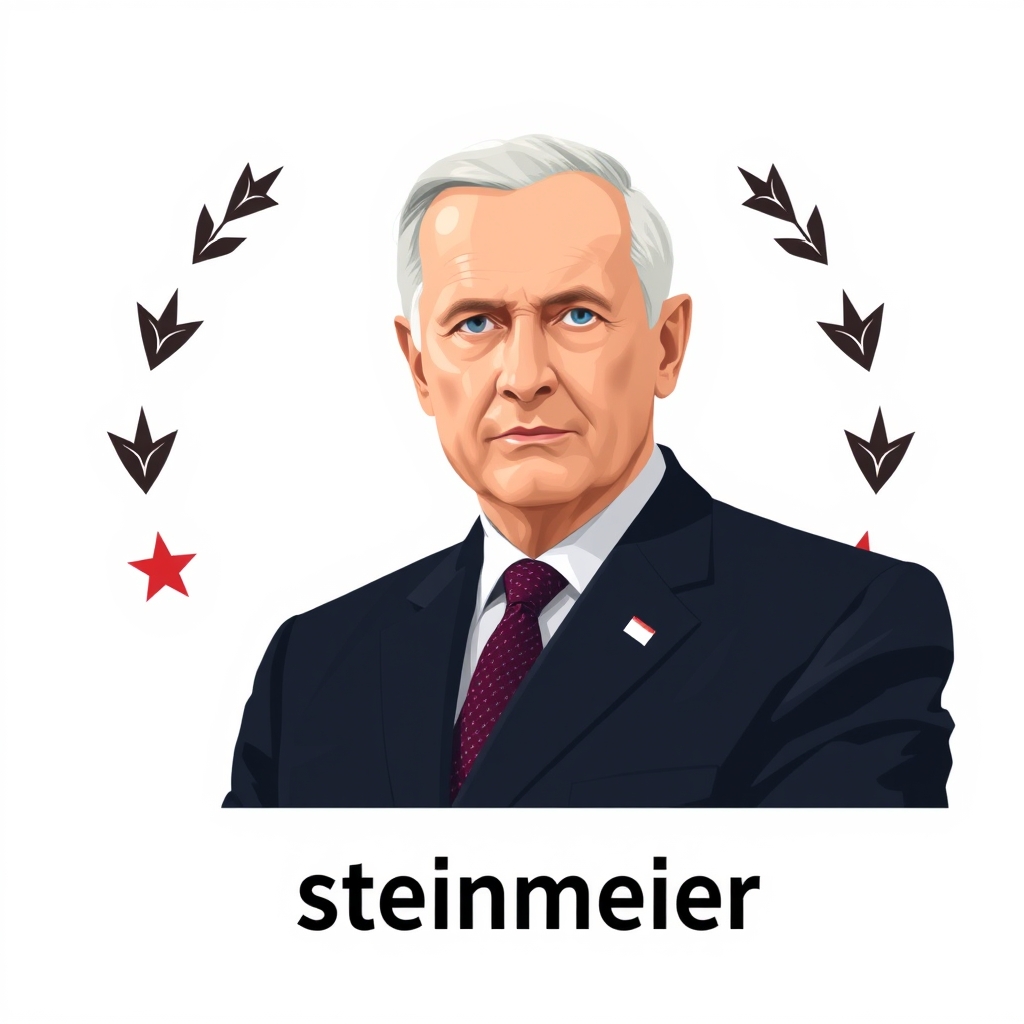
German President Frank-Walter Steinmeier invoked the Weimar Republic as a warning against the rise of the AfD, while critics argue this comparison is historically inaccurate and serves to silence political opponents.
The debate centers on whether the AfD poses a Nazi-like threat to German democracy.
*AI-generated summary of publicly available data. This is not an official statement of any party.
*AI-generated summary of publicly available statements and reporting. This is not an official statement of this party.
Supporters of AfD defenders argue Steinmeier's Weimar warning weaponizes history to delegitimize a legally elected party's voters, casting cultural grievance as extremism rather than addressing it.
Supporters of AfD defenders argue Steinmeier’s Weimar parallel weaponizes memory, casting a pluralist electorate as pre-1933 Germany to morally disqualify dissent rather than debate it.
Supporters of AfD defenders counter that Weimar comparisons weaponize a unique historical trauma into a partisan cudgel, branding millions of ordinary voters as new Nazis—a cultural smear that delegitimizes dissent rather than teaching it.
Supporters of AfD defenders argue Steinmeier's Weimar comparison is legally dubious rhetoric, since likening a democratically elected party to Nazis risks defamation and chills lawful political competition.
Supporters of AfD defenders argue Steinmeier's Weimar comparison is legally baseless, since labeling a lawfully elected party as Nazi-like risks defaming voters and chilling protected political speech.
AfD defenders counter that Basic Law Article 21(2) reserves party bans for the Federal Constitutional Court alone, so Weimar comparisons cannot substitute for that judicial finding.
Supporters of AfD defenders argue Steinmeier's Weimar warning is a rhetorical weapon, not history: branding rivals as Nazis lets the establishment discredit them and dodge accountability for its own failures.
Supporters of AfD defenders argue Steinmeier's Weimar warning is a power play: labeling rivals as Nazis delegitimizes them, letting the establishment silence dissent instead of debating it.
Supporters of AfD defenders counter that the Weimar comparison is itself a power play: it brands millions of voters as existential threats to justify excluding them, which hands the AfD the martyrdom and grievance it needs to grow.
Supporters of AfD defenders argue that Steinmeier's Weimar comparison is a moral smear, treating millions of voters as proto-Nazis to avoid debating their grievances; they maintain that demonizing dissent erodes the very democracy he claims to protect.
Supporters of AfD defenders argue that Steinmeier's Weimar comparison is a moral smear, branding millions of voters as proto-Nazis to discredit them rather than debate their grievances on the merits.
AfD defenders counter that invoking Weimar to brand millions of voters as extremists is itself a moral failing, since a democracy that demonizes dissent betrays the very citizens it claims to protect.
Supporters of AfD defenders argue that Steinmeier’s Weimar warning misuses sacred memory of Germany’s past, invoking divine judgment rhetoric to brand lawful political opponents as demonic and silence them.
Supporters of AfD defenders argue that invoking Weimar as divine judgment against a political movement usurps God's authority, since scripture reserves final judgment to God alone, not to a president's historical analogy.
Supporters of AfD defenders counter that Germany's Christian heritage compels care for the nation's own first, invoking the biblical call to love neighbor and family, and argue that invoking Weimar's collapse to silence them misuses faith to serve politics.
*AI-generated summary of publicly available statements and reporting. This is not an official statement of this party.
Supporters of Steinmeier argue that recalling Weimar serves a cultural purpose: preserving Germany's memory of how democracy fell, so that voters recognize the warning signs in the AfD's rhetoric.
Supporters of Steinmeier argue that invoking the Weimar Republic is a cultural warning rooted in Germany's own history, urging citizens to defend democratic norms before polarization erodes them again.
Supporters of Steinmeier counter that a shared constitutional culture, not ethnic homogeneity, defines German identity, so invoking Weimar warns against repeating exclusion—not against voters.
Supporters of Steinmeier argue that international human rights law obligates Germany to defend democratic order, invoking Weimar's collapse as a legal warning against parties that undermine constitutional protections.
Supporters of Steinmeier argue that Weimar's collapse shows democracies can fall from within, so a president warning against the AfD is lawfully defending the constitutional order, not silencing opponents.
Supporters of Steinmeier counter that a president's historical warning is protected political speech, not a legal finding, so no defamation claim attaches and lawful competition remains unaffected.
Supporters of Steinmeier argue that invoking Weimar is a pragmatic move: framing the AfD as an existential threat consolidates centrist power and justifies isolating rivals, regardless of historical precision.
Supporters of Steinmeier argue the Weimar comparison is a pragmatic warning tool: labeling the AfD as a Nazi-like threat consolidates mainstream power and delegitimizes rivals before they gain more ground.
Supporters of Steinmeier counter that the Weimar warning is itself pragmatic statecraft: power concedes nothing to rivals it can morally disarm, so labeling AfD as Nazi-adjacent costs the establishment little and forecloses coalition options for the challengers.
Supporters of Steinmeier argue that invoking Weimar is a moral duty: history warns that unchecked extremist movements can dismantle democracy, so Germans must confront the AfD's threat before it is too late.
Supporters of Steinmeier argue that invoking Weimar is a moral warning, not a smear: history obligates Germany to name threats to democracy early, before silence and complacency allow harm to take root.
Supporters of Steinmeier counter that a president may name historical parallels when democratic norms are attacked; they argue that honoring voters' grievances never requires silence about threats to the republic.
Supporters of Steinmeier invoke Germany's Christian-democratic heritage, arguing that Weimar's collapse shows how moral and religious unity must hold against movements that undermine human dignity.
Supporters of Steinmeier invoke Germany's Christian inheritance, arguing that a democracy rooted in respect for human dignity must heed Weimar's warning and resist the AfD's nationalism.
Supporters of Steinmeier counter that a federal president may invoke Germany's constitutional heritage against forces that would erode it, and that faith language is no silencing tool but a call to guard the order the Basic Law enshrines.
AI-generated summary of publicly available statements and reporting. This is not an official statement of this party.
Supporters of AfD defenders argue Steinmeier's Weimar warning weaponizes history to delegitimize a legally elected party's voters, casting cultural grievance as extremism rather than addressing it.
Supporters of AfD defenders argue Steinmeier’s Weimar parallel weaponizes memory, casting a pluralist electorate as pre-1933 Germany to morally disqualify dissent rather than debate it.
Supporters of AfD defenders counter that Weimar comparisons weaponize a unique historical trauma into a partisan cudgel, branding millions of ordinary voters as new Nazis—a cultural smear that delegitimizes dissent rather than teaching it.
Supporters of AfD defenders argue Steinmeier's Weimar comparison is legally dubious rhetoric, since likening a democratically elected party to Nazis risks defamation and chills lawful political competition.
Supporters of AfD defenders argue Steinmeier's Weimar comparison is legally baseless, since labeling a lawfully elected party as Nazi-like risks defaming voters and chilling protected political speech.
AfD defenders counter that Basic Law Article 21(2) reserves party bans for the Federal Constitutional Court alone, so Weimar comparisons cannot substitute for that judicial finding.
Supporters of AfD defenders argue Steinmeier's Weimar warning is a rhetorical weapon, not history: branding rivals as Nazis lets the establishment discredit them and dodge accountability for its own failures.
Supporters of AfD defenders argue Steinmeier's Weimar warning is a power play: labeling rivals as Nazis delegitimizes them, letting the establishment silence dissent instead of debating it.
Supporters of AfD defenders counter that the Weimar comparison is itself a power play: it brands millions of voters as existential threats to justify excluding them, which hands the AfD the martyrdom and grievance it needs to grow.
Supporters of AfD defenders argue that Steinmeier's Weimar comparison is a moral smear, treating millions of voters as proto-Nazis to avoid debating their grievances; they maintain that demonizing dissent erodes the very democracy he claims to protect.
Supporters of AfD defenders argue that Steinmeier's Weimar comparison is a moral smear, branding millions of voters as proto-Nazis to discredit them rather than debate their grievances on the merits.
AfD defenders counter that invoking Weimar to brand millions of voters as extremists is itself a moral failing, since a democracy that demonizes dissent betrays the very citizens it claims to protect.
Supporters of AfD defenders argue that Steinmeier’s Weimar warning misuses sacred memory of Germany’s past, invoking divine judgment rhetoric to brand lawful political opponents as demonic and silence them.
Supporters of AfD defenders argue that invoking Weimar as divine judgment against a political movement usurps God's authority, since scripture reserves final judgment to God alone, not to a president's historical analogy.
Supporters of AfD defenders counter that Germany's Christian heritage compels care for the nation's own first, invoking the biblical call to love neighbor and family, and argue that invoking Weimar's collapse to silence them misuses faith to serve politics.
Supporters of Steinmeier argue that recalling Weimar serves a cultural purpose: preserving Germany's memory of how democracy fell, so that voters recognize the warning signs in the AfD's rhetoric.
Supporters of Steinmeier argue that invoking the Weimar Republic is a cultural warning rooted in Germany's own history, urging citizens to defend democratic norms before polarization erodes them again.
Supporters of Steinmeier counter that a shared constitutional culture, not ethnic homogeneity, defines German identity, so invoking Weimar warns against repeating exclusion—not against voters.
Supporters of Steinmeier argue that international human rights law obligates Germany to defend democratic order, invoking Weimar's collapse as a legal warning against parties that undermine constitutional protections.
Supporters of Steinmeier argue that Weimar's collapse shows democracies can fall from within, so a president warning against the AfD is lawfully defending the constitutional order, not silencing opponents.
Supporters of Steinmeier counter that a president's historical warning is protected political speech, not a legal finding, so no defamation claim attaches and lawful competition remains unaffected.
Supporters of Steinmeier argue that invoking Weimar is a pragmatic move: framing the AfD as an existential threat consolidates centrist power and justifies isolating rivals, regardless of historical precision.
Supporters of Steinmeier argue the Weimar comparison is a pragmatic warning tool: labeling the AfD as a Nazi-like threat consolidates mainstream power and delegitimizes rivals before they gain more ground.
Supporters of Steinmeier counter that the Weimar warning is itself pragmatic statecraft: power concedes nothing to rivals it can morally disarm, so labeling AfD as Nazi-adjacent costs the establishment little and forecloses coalition options for the challengers.
Supporters of Steinmeier argue that invoking Weimar is a moral duty: history warns that unchecked extremist movements can dismantle democracy, so Germans must confront the AfD's threat before it is too late.
Supporters of Steinmeier argue that invoking Weimar is a moral warning, not a smear: history obligates Germany to name threats to democracy early, before silence and complacency allow harm to take root.
Supporters of Steinmeier counter that a president may name historical parallels when democratic norms are attacked; they argue that honoring voters' grievances never requires silence about threats to the republic.
Supporters of Steinmeier invoke Germany's Christian-democratic heritage, arguing that Weimar's collapse shows how moral and religious unity must hold against movements that undermine human dignity.
Supporters of Steinmeier invoke Germany's Christian inheritance, arguing that a democracy rooted in respect for human dignity must heed Weimar's warning and resist the AfD's nationalism.
Supporters of Steinmeier counter that a federal president may invoke Germany's constitutional heritage against forces that would erode it, and that faith language is no silencing tool but a call to guard the order the Basic Law enshrines.
Germany’s Steinmeier invokes the Weimar Republic as a warning to his people – deliberately misremembering history to shut those people up Read Full Article at RT.com