Jake Sullivan

VS
Student protesters
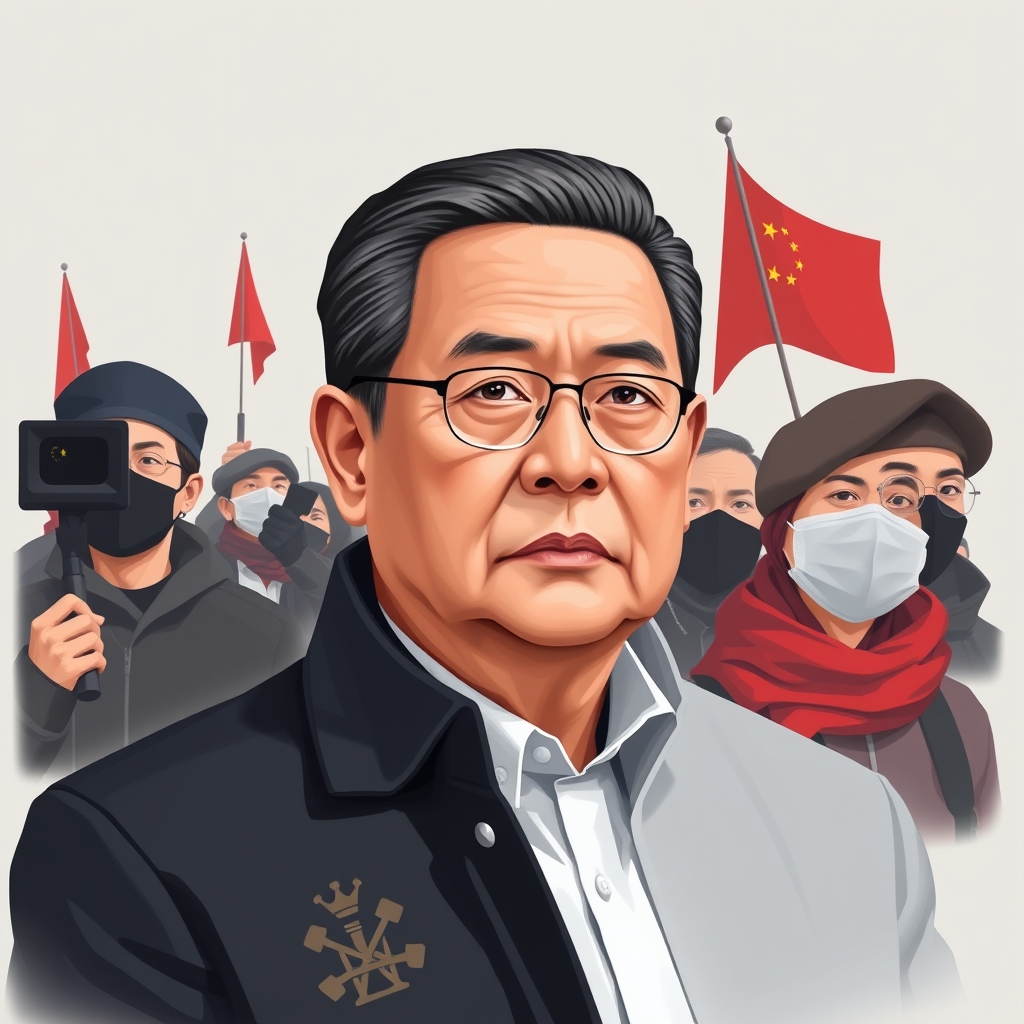
Former US National Security Adviser Jake Sullivan was confronted by student protesters during a speaking event at MIT over US policy on Gaza.
The incident reflects ongoing tensions between US officials and pro-Palestinian student activists.
*AI-generated summary of publicly available data. This is not an official statement of any party.
*AI-generated summary of publicly available statements and reporting. This is not an official statement of this party.
Supporters of Jake Sullivan argue that established institutions like MIT deserve respect as forums for inherited civic norms, and that disrupting a speaker erodes the cultural continuity and orderly discourse that stable societies depend on.
Supporters of Jake Sullivan argue that a university lecture hall is a forum for reasoned debate, not disruption, and that honoring institutional norms preserves the civic order on which free inquiry depends.
Supporters of Jake Sullivan counter that a campus tradition of moral witness also carries an inherited duty of civility, and they argue that demanding public answers while silencing an invited speaker inverts the very cultural norms that make the university a place of open inquir.
Supporters of Jake Sullivan argue that a speaking event is protected expression for both the speaker and protesters, and that lawful, non-disruptive dissent is the proper legal channel—not obstruction of the event.
Supporters of Jake Sullivan maintain that a speaking event is a legally protected forum, and that protesters' disruption raises lawful limits on expression rather than vindicating any right to silence a speaker.
Supporters of Jake Sullivan counter that the First Amendment protects speech from government censorship, not a right to disrupt a campus event, and they argue that time, place, and manner limits on access to a speaker are lawful.
Supporters of Jake Sullivan argue that governing demands engaging flawed actors rather than moral purity, and they cast his willingness to face hostile students as proof that influence, not applause, is the point.
Supporters of Jake Sullivan argue the confrontation validates his case: governing demands choosing between imperfect options, and they maintain that student moral clarity, however sincere, cannot substitute for the leverage and constraints that shape actual policy.
Supporters of Jake Sullivan counter that public disruption costs protesters the elite access and credibility that actually move policy, arguing that officials grant concessions to those who preserve their legitimacy, not to those who damage it.
Supporters of Jake Sullivan argue that his record on Gaza is misrepresented by protesters, and that he has publicly acknowledged civilian suffering while defending US policy as aimed at reducing harm.
Supporters of Jake Sullivan argue that student protesters wrongly single out an individual official for condemnation, maintaining that moral accountability should fall on institutional policy, not on one figure.
Supporters of Jake Sullivan counter that moral complicity claims require demonstrated individual responsibility, and they argue that disrupting a sitting official’s campus event substitutes condemnation for the evidence such a charge demands.
Supporters of Jake Sullivan frame the Gaza policy debate in just-war terms, arguing that defending an ally after an attack and pursuing civilian-protection protocols is a morally serious duty, not a betrayal of faith.
Supporters of Jake Sullivan argue that his Gaza record reflects a moral duty to pursue peace and protect innocent life, citing scripture's call to seek justice and reconciliation.
Supporters of Jake Sullivan counter that faith traditions also counsel prudence and the protection of innocent life on all sides, arguing that protest chants condemning him risk hardening divisions rather than advancing the mercy scripture commands.
*AI-generated summary of publicly available statements and reporting. This is not an official statement of this party.
Supporters of the student protesters argue that confronting officials at MIT continues a campus tradition of moral witness, insisting institutions tied to Gaza policy must answer publicly.
Supporters of the student protesters frame the confrontation as a cultural inheritance of campus dissent, arguing that challenging officials at speaking events echoes earlier student movements that reshaped public debate.
Supporters of the student protesters counter that institutions' civic norms have historically been contested from within, and that dissent—not deference—is how excluded voices have reshaped those norms.
Supporters of the student protesters argue that confronting Sullivan at MIT is protected political speech under the First Amendment, and that peacefully challenging officials on Gaza policy is lawful dissent, not disruption.
Supporters of the student protesters argue that confronting Sullivan at MIT is protected free expression and petitioning officials, and maintain that campus speakers should face accountability for policies protesters deem unlawful.
Supporters of Student protesters counter that legal protection for expression does not obligate them to preserve the event’s format, since non-disruptive channels are often the only ones the law leaves them.
Supporters of the student protesters argue that confronting Sullivan at MIT is a calculated bid for leverage, since disrupting officials' credibility in public forums pressures the US to alter Gaza policy.
Supporters of the student protesters argue that confronting Sullivan at MIT is a calculated bid to impose reputational costs on policymakers, since public shaming pressures officials more than private appeals ever could.
Supporters of the student protesters counter that Sullivan’s willingness to face them is itself a bid for leverage, since appearing to absorb dissent buys credibility while conceding nothing.
Supporters of the student protesters argue that confronting Sullivan at MIT is morally warranted because US policy on Gaza implicates officials in civilian harm, and silence in the face of that would make them complicit.
Supporters of the student protesters argue that confronting Sullivan at MIT was a moral duty, insisting that complicity in Gaza policy must be named publicly rather than shielded by institutional courtesy.
Supporters of the student protesters counter that acknowledging civilian suffering while continuing to supply the weapons causing it is a moral contradiction, arguing that stated concern without a change in policy amounts to complicity.
Supporters of the student protesters argue that confronting Sullivan at MIT is a moral and religious duty, maintaining that faith traditions compel standing against civilian suffering in Gaza.
Supporters of the student protesters argue that religious conscience demands bearing witness against complicity in Gaza, and they maintain that confronting Sullivan at MIT is a moral duty owed to the sanctity of life.
Supporters of the student protesters counter that religious tradition demands an immediate halt to arms transfers, arguing that complicity in civilian harm cannot be sanctified by just-war language.
AI-generated summary of publicly available statements and reporting. This is not an official statement of this party.
Supporters of Jake Sullivan argue that established institutions like MIT deserve respect as forums for inherited civic norms, and that disrupting a speaker erodes the cultural continuity and orderly discourse that stable societies depend on.
Supporters of Jake Sullivan argue that a university lecture hall is a forum for reasoned debate, not disruption, and that honoring institutional norms preserves the civic order on which free inquiry depends.
Supporters of Jake Sullivan counter that a campus tradition of moral witness also carries an inherited duty of civility, and they argue that demanding public answers while silencing an invited speaker inverts the very cultural norms that make the university a place of open inquir.
Supporters of Jake Sullivan argue that a speaking event is protected expression for both the speaker and protesters, and that lawful, non-disruptive dissent is the proper legal channel—not obstruction of the event.
Supporters of Jake Sullivan maintain that a speaking event is a legally protected forum, and that protesters' disruption raises lawful limits on expression rather than vindicating any right to silence a speaker.
Supporters of Jake Sullivan counter that the First Amendment protects speech from government censorship, not a right to disrupt a campus event, and they argue that time, place, and manner limits on access to a speaker are lawful.
Supporters of Jake Sullivan argue that governing demands engaging flawed actors rather than moral purity, and they cast his willingness to face hostile students as proof that influence, not applause, is the point.
Supporters of Jake Sullivan argue the confrontation validates his case: governing demands choosing between imperfect options, and they maintain that student moral clarity, however sincere, cannot substitute for the leverage and constraints that shape actual policy.
Supporters of Jake Sullivan counter that public disruption costs protesters the elite access and credibility that actually move policy, arguing that officials grant concessions to those who preserve their legitimacy, not to those who damage it.
Supporters of Jake Sullivan argue that his record on Gaza is misrepresented by protesters, and that he has publicly acknowledged civilian suffering while defending US policy as aimed at reducing harm.
Supporters of Jake Sullivan argue that student protesters wrongly single out an individual official for condemnation, maintaining that moral accountability should fall on institutional policy, not on one figure.
Supporters of Jake Sullivan counter that moral complicity claims require demonstrated individual responsibility, and they argue that disrupting a sitting official’s campus event substitutes condemnation for the evidence such a charge demands.
Supporters of Jake Sullivan frame the Gaza policy debate in just-war terms, arguing that defending an ally after an attack and pursuing civilian-protection protocols is a morally serious duty, not a betrayal of faith.
Supporters of Jake Sullivan argue that his Gaza record reflects a moral duty to pursue peace and protect innocent life, citing scripture's call to seek justice and reconciliation.
Supporters of Jake Sullivan counter that faith traditions also counsel prudence and the protection of innocent life on all sides, arguing that protest chants condemning him risk hardening divisions rather than advancing the mercy scripture commands.
Supporters of the student protesters argue that confronting officials at MIT continues a campus tradition of moral witness, insisting institutions tied to Gaza policy must answer publicly.
Supporters of the student protesters frame the confrontation as a cultural inheritance of campus dissent, arguing that challenging officials at speaking events echoes earlier student movements that reshaped public debate.
Supporters of the student protesters counter that institutions' civic norms have historically been contested from within, and that dissent—not deference—is how excluded voices have reshaped those norms.
Supporters of the student protesters argue that confronting Sullivan at MIT is protected political speech under the First Amendment, and that peacefully challenging officials on Gaza policy is lawful dissent, not disruption.
Supporters of the student protesters argue that confronting Sullivan at MIT is protected free expression and petitioning officials, and maintain that campus speakers should face accountability for policies protesters deem unlawful.
Supporters of Student protesters counter that legal protection for expression does not obligate them to preserve the event’s format, since non-disruptive channels are often the only ones the law leaves them.
Supporters of the student protesters argue that confronting Sullivan at MIT is a calculated bid for leverage, since disrupting officials' credibility in public forums pressures the US to alter Gaza policy.
Supporters of the student protesters argue that confronting Sullivan at MIT is a calculated bid to impose reputational costs on policymakers, since public shaming pressures officials more than private appeals ever could.
Supporters of the student protesters counter that Sullivan’s willingness to face them is itself a bid for leverage, since appearing to absorb dissent buys credibility while conceding nothing.
Supporters of the student protesters argue that confronting Sullivan at MIT is morally warranted because US policy on Gaza implicates officials in civilian harm, and silence in the face of that would make them complicit.
Supporters of the student protesters argue that confronting Sullivan at MIT was a moral duty, insisting that complicity in Gaza policy must be named publicly rather than shielded by institutional courtesy.
Supporters of the student protesters counter that acknowledging civilian suffering while continuing to supply the weapons causing it is a moral contradiction, arguing that stated concern without a change in policy amounts to complicity.
Supporters of the student protesters argue that confronting Sullivan at MIT is a moral and religious duty, maintaining that faith traditions compel standing against civilian suffering in Gaza.
Supporters of the student protesters argue that religious conscience demands bearing witness against complicity in Gaza, and they maintain that confronting Sullivan at MIT is a moral duty owed to the sanctity of life.
Supporters of the student protesters counter that religious tradition demands an immediate halt to arms transfers, arguing that complicity in civilian harm cannot be sanctified by just-war language.
Former US National Security Adviser Jake Sullivan was confronted by student protesters during a speaking event at MIT.