NVIDIA
VS
Student protesters
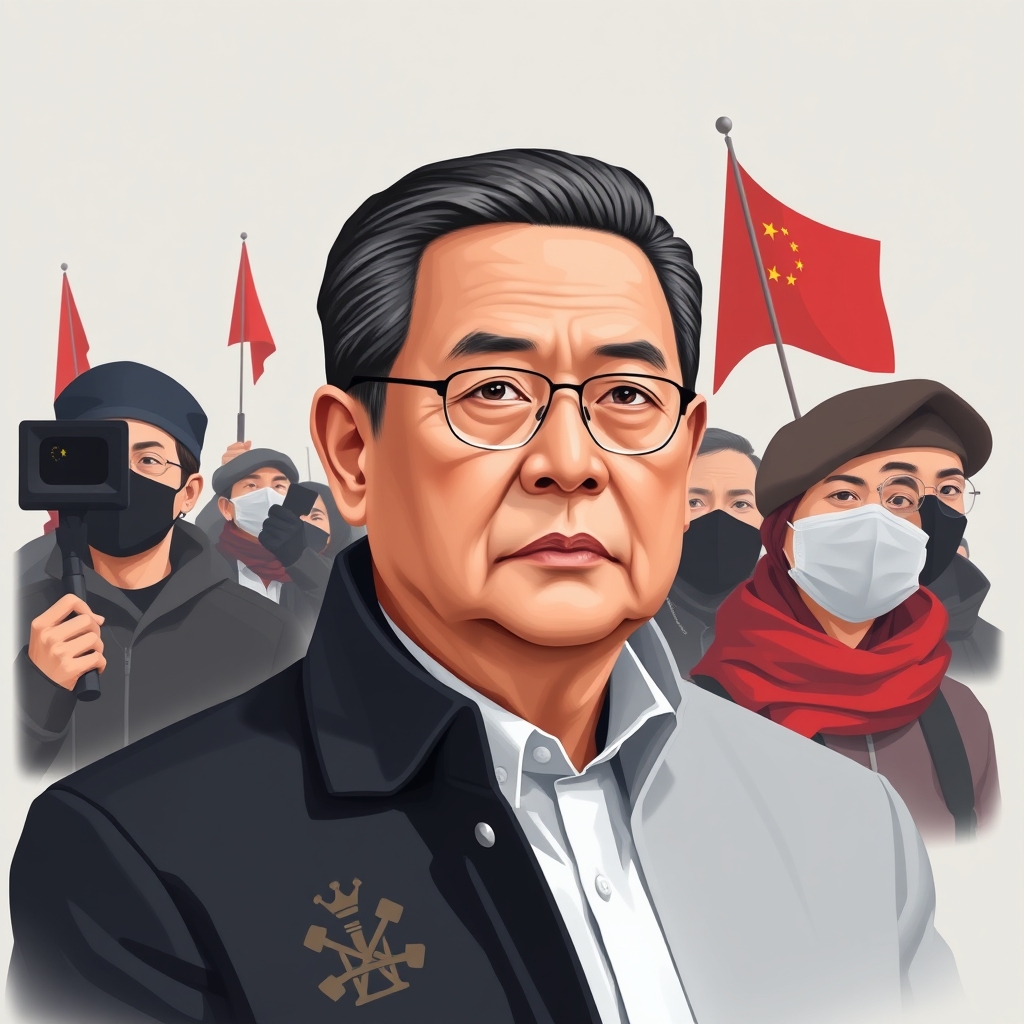
Student protesters are a group of young climate activists who interrupted an NVIDIA panel during NYC Climate Week, raising concerns about the environmental impact of artificial intelligence.
NVIDIA is a leading technology company that designs graphics processing units (GPUs) and AI hardware, and it participated in the Climate Week event to discuss its role in the AI industry.
The protesters disrupted the panel by shouting about the environmental impact of data centres, specifically citing 15 million tonnes of CO2 emissions from data centers.
This highlights the growing tension between environmental activists and the AI industry over energy consumption and emissions, as activists argue that the rapid expansion of AI infrastructure contributes significantly to carbon emissions, while NVIDIA and the AI industry face scrutiny over their environmental footprint.
The protest occurred during NYC Climate Week, a major annual event that brings together leaders from various sectors to address climate change.
The interruption underscores the broader debate about the sustainability of AI technologies and the responsibility of tech companies to mitigate their environmental impact.
*AI-generated summary of publicly available data. This is not an official statement of any party.
*AI-generated summary of publicly available statements and reporting. This is not an official statement of this party.
Supporters of NVIDIA argue the disruption reflects a deeper cultural clash: environmentalism’s moral urgency colliding with tech’s faith in progress, a recurring pattern since industrialization’s early critics.
Supporters of NVIDIA argue that AI's cultural promise—solving climate problems through smarter grids and research—outweighs its footprint, and that past innovations like electrification drew similar protest before proving transformative.
Supporters of NVIDIA counter that AI already reshapes culture for the better, citing how it powers artists, educators and researchers, so singling out its energy use overlooks the broader societal gains.
Supporters of NVIDIA argue that disruptive protest, not lawful petitioning, is the legal issue, since speech rights do not extend to halting a permitted panel.
Supporters of NVIDIA argue the protest raises no legal claim, since disruptive interruption of a permitted panel is itself unlawful, and AI's climate benefits remain a matter of open regulatory debate, not trespass.
Supporters of NVIDIA counter that the First Amendment protects speech, not the seizure of a private panel's forum; they argue no legal right compels a company to cede its stage to disruptors.
Supporters of NVIDIA argue the disruption only signals weakness: climate activism lacks leverage over AI's capital and state backing, so protesters win attention, not concessions.
Supporters of NVIDIA argue the disruption concedes weakness: protesters lack leverage over AI's energy demand, while NVIDIA's compute underpins the climate modeling and grid tools those same activists rely on to make their case.
Supporters of NVIDIA counter that disruption forfeits the seat it claims to seek: firms grant access to those who can impose costs, not those who protest, so the panel continues without them.
Supporters of NVIDIA argue that the company, not the protesters, is doing the harder moral work—advancing AI while investing in energy efficiency, emissions disclosure, and clean-power commitments to answer the very concerns raised.
Supporters of NVIDIA argue the company is advancing climate solutions through AI, and that dialogue at forums like Climate Week, not disruption, is the moral path to addressing energy concerns.
Supporters of NVIDIA counter that accountability requires addressing the powerful, not ambushing invited guests; they argue moral protest protects the vulnerable rather than silencing a lawful panel.
Supporters of NVIDIA argue that stewardship of creation includes honest accounting: they maintain that AI's benefits—medical discovery, climate modeling—serve the common good, and that disrupting a panel to silence such work shows a disordered zeal that undermines the reasoned st.
Supporters of NVIDIA argue that stewarding creation's resources through efficient AI is a moral duty, and that disruptive protest dishonors the orderly dialogue and neighborly respect that religious tradition upholds.
Supporters of NVIDIA counter that Scripture also commands respect for lawful authority and ordered assembly, so disrupting a licensed panel substitutes private judgment for the stewardship entrusted to institutions.
*AI-generated summary of publicly available statements and reporting. This is not an official statement of this party.
Supporters of the student protesters argue that AI's cultural prestige shouldn't shield it from scrutiny, insisting climate debate must include the industry's energy footprint and those most affected.
Supporters of the student protesters argue that campuses and climate forums are cultural spaces where corporate AI expansion should face public challenge, not silent acceptance.
Supporters of Student protesters counter that their movement draws on a distinct cultural tradition of youth-led dissent, not a generic anti-progress impulse, and that framing it as recurring moral panic erases the specific sovereignty and community stakes they raise.
Supporters of Student protesters argue that disrupting NVIDIA's climate panel is lawful protected speech, since the First Amendment shields peaceful protest in public forums, and they maintain that no law requires activists to stay silent while industry panels shape climate polic.
Supporters of the student protesters argue that disrupting the panel is lawful expression under the First Amendment, since the protest was peaceful and aimed at raising climate concerns about AI.
Supporters of the student protesters counter that the protest was lawful assembly under the First Amendment, and that no court has found the demonstrators guilty of unlawful disruption.
Supporters of the student protesters argue that disrupting NVIDIA's panel is leverage: with no seat at the table, visibility is the only currency that forces an unaccountable AI industry to answer for its energy use.
Supporters of the student protesters argue disruption is leverage: with no seat at NVIDIA's table, halting the panel buys attention and forces the climate cost of AI onto the agenda.
Supporters of the student protesters counter that attention itself is leverage: disruption raises costs for NVIDIA's partners and investors, forcing concessions no sympathetic op-ed ever could.
Supporters of Student protesters argue that disrupting the panel was a moral act of accountability, since AI's energy use burdens the climate and those harmed have no say in the industry's choices.
Supporters of the student protesters argue that disrupting NVIDIA’s panel was a moral duty, since AI’s energy and emissions threaten ecological limits and the climate.
Supporters of Student protesters counter that efficiency gains still expand total compute demand, so voluntary pledges cannot substitute for binding limits on AI's ecological footprint.
Supporters of the student protesters argue that Scripture commands humanity to tend and keep the earth, so disrupting NVIDIA's panel is a faithful act of stewardship against AI's climate harm.
Supporters of the student protesters argue that scripture commands humanity to be stewards of creation, so disrupting an AI panel over its energy use is a faithful act of moral witness against ecological harm.
Supporters of Student protesters counter that scripture judges the steward by the fruit borne, not the ledger kept—citing Amos 5:24, they argue that profitable modeling cannot sanctify a system they see as exploiting the vulnerable.
AI-generated summary of publicly available statements and reporting. This is not an official statement of this party.
Supporters of NVIDIA argue the disruption reflects a deeper cultural clash: environmentalism’s moral urgency colliding with tech’s faith in progress, a recurring pattern since industrialization’s early critics.
Supporters of NVIDIA argue that AI's cultural promise—solving climate problems through smarter grids and research—outweighs its footprint, and that past innovations like electrification drew similar protest before proving transformative.
Supporters of NVIDIA counter that AI already reshapes culture for the better, citing how it powers artists, educators and researchers, so singling out its energy use overlooks the broader societal gains.
Supporters of NVIDIA argue that disruptive protest, not lawful petitioning, is the legal issue, since speech rights do not extend to halting a permitted panel.
Supporters of NVIDIA argue the protest raises no legal claim, since disruptive interruption of a permitted panel is itself unlawful, and AI's climate benefits remain a matter of open regulatory debate, not trespass.
Supporters of NVIDIA counter that the First Amendment protects speech, not the seizure of a private panel's forum; they argue no legal right compels a company to cede its stage to disruptors.
Supporters of NVIDIA argue the disruption only signals weakness: climate activism lacks leverage over AI's capital and state backing, so protesters win attention, not concessions.
Supporters of NVIDIA argue the disruption concedes weakness: protesters lack leverage over AI's energy demand, while NVIDIA's compute underpins the climate modeling and grid tools those same activists rely on to make their case.
Supporters of NVIDIA counter that disruption forfeits the seat it claims to seek: firms grant access to those who can impose costs, not those who protest, so the panel continues without them.
Supporters of NVIDIA argue that the company, not the protesters, is doing the harder moral work—advancing AI while investing in energy efficiency, emissions disclosure, and clean-power commitments to answer the very concerns raised.
Supporters of NVIDIA argue the company is advancing climate solutions through AI, and that dialogue at forums like Climate Week, not disruption, is the moral path to addressing energy concerns.
Supporters of NVIDIA counter that accountability requires addressing the powerful, not ambushing invited guests; they argue moral protest protects the vulnerable rather than silencing a lawful panel.
Supporters of NVIDIA argue that stewardship of creation includes honest accounting: they maintain that AI's benefits—medical discovery, climate modeling—serve the common good, and that disrupting a panel to silence such work shows a disordered zeal that undermines the reasoned st.
Supporters of NVIDIA argue that stewarding creation's resources through efficient AI is a moral duty, and that disruptive protest dishonors the orderly dialogue and neighborly respect that religious tradition upholds.
Supporters of NVIDIA counter that Scripture also commands respect for lawful authority and ordered assembly, so disrupting a licensed panel substitutes private judgment for the stewardship entrusted to institutions.
Supporters of the student protesters argue that AI's cultural prestige shouldn't shield it from scrutiny, insisting climate debate must include the industry's energy footprint and those most affected.
Supporters of the student protesters argue that campuses and climate forums are cultural spaces where corporate AI expansion should face public challenge, not silent acceptance.
Supporters of Student protesters counter that their movement draws on a distinct cultural tradition of youth-led dissent, not a generic anti-progress impulse, and that framing it as recurring moral panic erases the specific sovereignty and community stakes they raise.
Supporters of Student protesters argue that disrupting NVIDIA's climate panel is lawful protected speech, since the First Amendment shields peaceful protest in public forums, and they maintain that no law requires activists to stay silent while industry panels shape climate polic.
Supporters of the student protesters argue that disrupting the panel is lawful expression under the First Amendment, since the protest was peaceful and aimed at raising climate concerns about AI.
Supporters of the student protesters counter that the protest was lawful assembly under the First Amendment, and that no court has found the demonstrators guilty of unlawful disruption.
Supporters of the student protesters argue that disrupting NVIDIA's panel is leverage: with no seat at the table, visibility is the only currency that forces an unaccountable AI industry to answer for its energy use.
Supporters of the student protesters argue disruption is leverage: with no seat at NVIDIA's table, halting the panel buys attention and forces the climate cost of AI onto the agenda.
Supporters of the student protesters counter that attention itself is leverage: disruption raises costs for NVIDIA's partners and investors, forcing concessions no sympathetic op-ed ever could.
Supporters of Student protesters argue that disrupting the panel was a moral act of accountability, since AI's energy use burdens the climate and those harmed have no say in the industry's choices.
Supporters of the student protesters argue that disrupting NVIDIA’s panel was a moral duty, since AI’s energy and emissions threaten ecological limits and the climate.
Supporters of Student protesters counter that efficiency gains still expand total compute demand, so voluntary pledges cannot substitute for binding limits on AI's ecological footprint.
Supporters of the student protesters argue that Scripture commands humanity to tend and keep the earth, so disrupting NVIDIA's panel is a faithful act of stewardship against AI's climate harm.
Supporters of the student protesters argue that scripture commands humanity to be stewards of creation, so disrupting an AI panel over its energy use is a faithful act of moral witness against ecological harm.
Supporters of Student protesters counter that scripture judges the steward by the fruit borne, not the ledger kept—citing Amos 5:24, they argue that profitable modeling cannot sanctify a system they see as exploiting the vulnerable.
Student protesters interrupted an NVIDIA panel during NYC Climate Week.