Anti-Netanyahu protesters


VS
Netanyahu
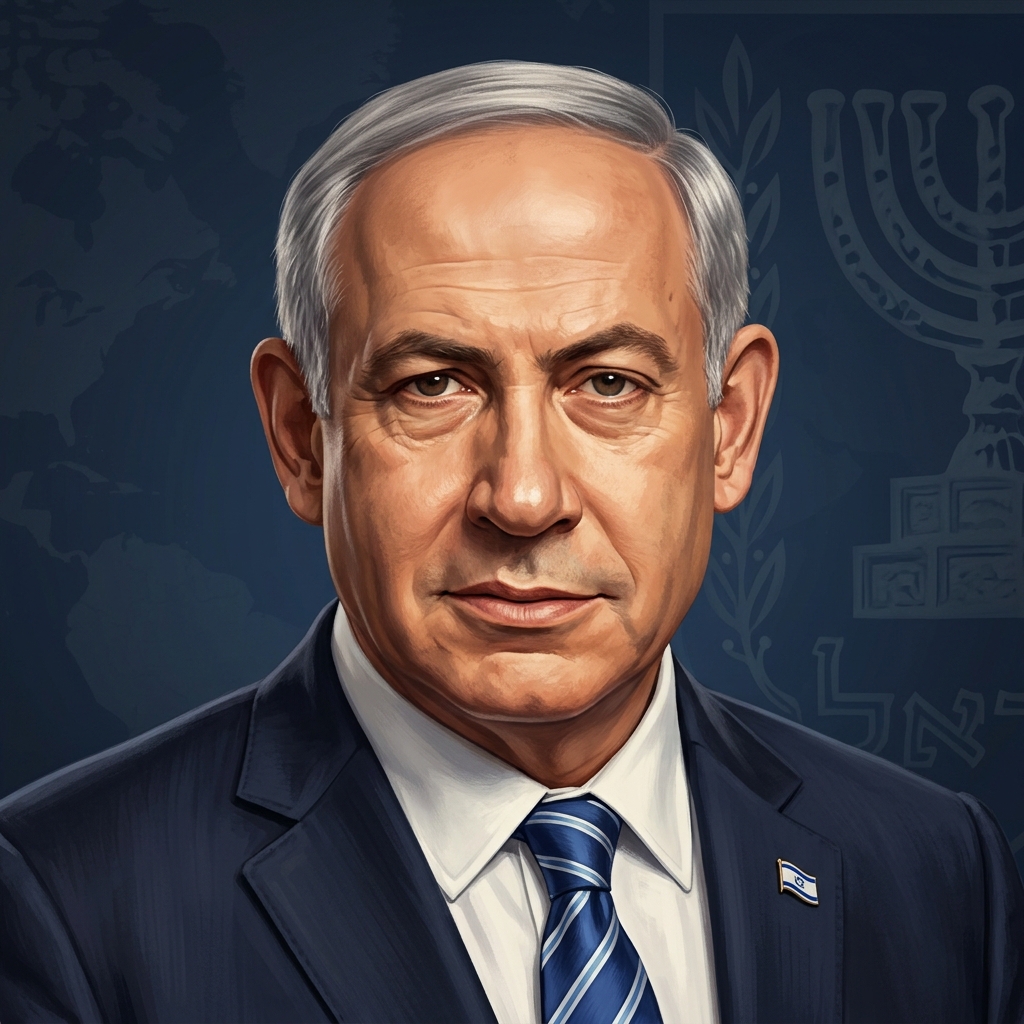
About 100 protesters, including actors Susan Sarandon and Hannah Einbinder, were arrested outside the United Nations ahead of Israeli Prime Minister Benjamin Netanyahu's speech.
The demonstration opposed Netanyahu's visit and policies.
*AI-generated summary of publicly available data. This is not an official statement of any party.
*AI-generated summary of publicly available statements and reporting. This is not an official statement of this party.
Supporters of the Anti-Netanyahu protesters argue that the arrests echo a long cultural tradition of artists and public figures using civil disobedience to challenge state power, as seen in past movements.
Supporters of the Anti-Netanyahu protesters argue that Jewish tradition itself demands dissent, pointing to a cultural lineage of prophetic voices who challenged power rather than deferring to it.
Supporters of the Anti-Netanyahu protesters counter that diaspora Jews have long used cultural voice to shape Israel's fate, so critics branding Sarandon and Einbinder "outside agitators" erase that tradition.
Supporters of the Anti-Netanyahu protesters argue that peacefully assembling outside the UN is protected political expression, making the roughly 100 arrests legally disproportionate and inconsistent with free-speech guarantees.
Supporters of the Anti-Netanyahu protesters argue the arrests outside the UN raise legal questions about whether peaceful assembly was lawfully protected under international human rights standards.
Supporters of the Anti-Netanyahu protesters counter that legal authority doesn't equal legitimacy: they argue arrests targeting demonstrators express political motive, and that lawful orders can still be wielded to chill dissent.
Supporters of the Anti-Netanyahu protesters argue that arrests outside the UN are a calculated price: Netanyahu needs the spectacle of defiance crushed to project strength, while the protesters need visible martyrdom to shift power back home.
Supporters of the Anti-Netanyahu protesters argue the UN arrest was a staged cost: visibility before Netanyahu's speech buys leverage no quiet petition could, and martyrdom optics pressure wavering allies.
Supporters of the protesters counter that arrests are the tell: Netanyahu needs the spectacle of outside pressure to rally his base, so the stunt pays him in the only currency he values—grievance.
Supporters of the Anti-Netanyahu protesters argue that opposing a visiting leader's policies is a moral act, not a crime, and that arrests at a peaceful UN demonstration raise questions about whose voices are protected.
Supporters of the Anti-Netanyahu protesters argue that opposing a leader's policies through peaceful protest is a moral duty, not a crime, and that arrest should never silence calls for justice.
Supporters of the protesters counter that democratic election does not license a leader to evade moral accountability, and that citizens' votes cannot justify silencing those who invoke universal justice at the UN.
Supporters of the Anti-Netanyahu protesters argue that religious tradition commands the pursuit of peace and the protection of innocent life, so they frame their witness at the UN as a moral, faith-rooted duty.
Supporters of the Anti-Netanyahu protesters argue that religious tradition commands the pursuit of peace and justice, so they invoke inherited moral teaching to oppose Netanyahu's policies.
Supporters of the protesters counter that scripture also commands justice, mercy, and care for the stranger, so they argue the covenant cannot be claimed as license for actions that harm innocents.
*AI-generated summary of publicly available statements and reporting. This is not an official statement of this party.
Supporters of Netanyahu argue that outside agitators like Sarandon and Einbinder are using their fame to undermine Israel's sovereign right to self-defense, and that their arrests reflect lawful enforcement against disruptive protests, not suppression of legitimate dissent.
Supporters of Netanyahu argue that outside agitators and celebrities like Sarandon and Einbinder are using protests to erode Israel's cultural legitimacy, and that rejecting Netanyahu's elected government denies the Jewish state's right to self-determination.
Supporters of Netanyahu counter that Jewish national sovereignty is itself the cultural tradition, and that diaspora-style protest politics misreads a state defending its own citizens.
Supporters of Netanyahu argue that Israel's leader was at the UN as an invited head of state, and that protest arrests followed lawful orders, not suppression of dissent.
Supporters of Netanyahu argue that his UN visit is lawful state business and that protesters who block access or violate permit rules are subject to arrest, not political persecution.
Supporters of Netanyahu counter that the disputed arrests were lawful crowd-control measures, since courts have long upheld time, place, and manner restrictions on assembly near protected diplomatic zones.
Supporters of Netanyahu argue the arrests validate his claim that outside pressure is theater: Israel answers to security needs and Washington, not celebrity protests, so the stunt changed no votes.
Supporters of Netanyahu argue the arrests are a staged spectacle: the protest's real audience is domestic, and drawing celebrity arrests buys publicity no policy concession could.
Supporters of Netanyahu counter that the arrests were a low-cost concession: the protesters' martyrdom serves his coalition better than silence, letting him cast dissent as foreign-funded chaos while Washington's backing stays intact.
Supporters of Netanyahu argue that protesting a democratically elected leader outside the UN is misguided, since Israel acts in self-defense and its citizens chose him; they see such arrests as lawful order maintenance.
Supporters of Netanyahu argue that arresting protesters who broke security rules outside the UN upholds the law equally, and that critics ignore Israel's security needs when judging his policies.
Supporters of Netanyahu counter that a nation's leader addressing the UN carries sovereign immunity, so halting his speech to arrest protesters morally privileges disruption over the diplomatic norms that protect every state's voice.
Supporters of Netanyahu argue that Israel's covenant with the land, rooted in scripture, grants the Jewish state a divine right to self-defense that protesters outside the UN fail to recognize.
Supporters of Netanyahu argue that scripture commands Israel’s land and leaders be defended, so they view the UN protests as spiritually misguided opposition to a divinely ordained authority.
Supporters of Netanyahu counter that Jewish law also mandates self-defense and the preservation of Jewish lives, citing biblical commands to protect the nation. In their view, faith obligates resisting threats, not unilateral concessions.
AI-generated summary of publicly available statements and reporting. This is not an official statement of this party.
Supporters of the Anti-Netanyahu protesters argue that the arrests echo a long cultural tradition of artists and public figures using civil disobedience to challenge state power, as seen in past movements.
Supporters of the Anti-Netanyahu protesters argue that Jewish tradition itself demands dissent, pointing to a cultural lineage of prophetic voices who challenged power rather than deferring to it.
Supporters of the Anti-Netanyahu protesters counter that diaspora Jews have long used cultural voice to shape Israel's fate, so critics branding Sarandon and Einbinder "outside agitators" erase that tradition.
Supporters of the Anti-Netanyahu protesters argue that peacefully assembling outside the UN is protected political expression, making the roughly 100 arrests legally disproportionate and inconsistent with free-speech guarantees.
Supporters of the Anti-Netanyahu protesters argue the arrests outside the UN raise legal questions about whether peaceful assembly was lawfully protected under international human rights standards.
Supporters of the Anti-Netanyahu protesters counter that legal authority doesn't equal legitimacy: they argue arrests targeting demonstrators express political motive, and that lawful orders can still be wielded to chill dissent.
Supporters of the Anti-Netanyahu protesters argue that arrests outside the UN are a calculated price: Netanyahu needs the spectacle of defiance crushed to project strength, while the protesters need visible martyrdom to shift power back home.
Supporters of the Anti-Netanyahu protesters argue the UN arrest was a staged cost: visibility before Netanyahu's speech buys leverage no quiet petition could, and martyrdom optics pressure wavering allies.
Supporters of the protesters counter that arrests are the tell: Netanyahu needs the spectacle of outside pressure to rally his base, so the stunt pays him in the only currency he values—grievance.
Supporters of the Anti-Netanyahu protesters argue that opposing a visiting leader's policies is a moral act, not a crime, and that arrests at a peaceful UN demonstration raise questions about whose voices are protected.
Supporters of the Anti-Netanyahu protesters argue that opposing a leader's policies through peaceful protest is a moral duty, not a crime, and that arrest should never silence calls for justice.
Supporters of the protesters counter that democratic election does not license a leader to evade moral accountability, and that citizens' votes cannot justify silencing those who invoke universal justice at the UN.
Supporters of the Anti-Netanyahu protesters argue that religious tradition commands the pursuit of peace and the protection of innocent life, so they frame their witness at the UN as a moral, faith-rooted duty.
Supporters of the Anti-Netanyahu protesters argue that religious tradition commands the pursuit of peace and justice, so they invoke inherited moral teaching to oppose Netanyahu's policies.
Supporters of the protesters counter that scripture also commands justice, mercy, and care for the stranger, so they argue the covenant cannot be claimed as license for actions that harm innocents.
Supporters of Netanyahu argue that outside agitators like Sarandon and Einbinder are using their fame to undermine Israel's sovereign right to self-defense, and that their arrests reflect lawful enforcement against disruptive protests, not suppression of legitimate dissent.
Supporters of Netanyahu argue that outside agitators and celebrities like Sarandon and Einbinder are using protests to erode Israel's cultural legitimacy, and that rejecting Netanyahu's elected government denies the Jewish state's right to self-determination.
Supporters of Netanyahu counter that Jewish national sovereignty is itself the cultural tradition, and that diaspora-style protest politics misreads a state defending its own citizens.
Supporters of Netanyahu argue that Israel's leader was at the UN as an invited head of state, and that protest arrests followed lawful orders, not suppression of dissent.
Supporters of Netanyahu argue that his UN visit is lawful state business and that protesters who block access or violate permit rules are subject to arrest, not political persecution.
Supporters of Netanyahu counter that the disputed arrests were lawful crowd-control measures, since courts have long upheld time, place, and manner restrictions on assembly near protected diplomatic zones.
Supporters of Netanyahu argue the arrests validate his claim that outside pressure is theater: Israel answers to security needs and Washington, not celebrity protests, so the stunt changed no votes.
Supporters of Netanyahu argue the arrests are a staged spectacle: the protest's real audience is domestic, and drawing celebrity arrests buys publicity no policy concession could.
Supporters of Netanyahu counter that the arrests were a low-cost concession: the protesters' martyrdom serves his coalition better than silence, letting him cast dissent as foreign-funded chaos while Washington's backing stays intact.
Supporters of Netanyahu argue that protesting a democratically elected leader outside the UN is misguided, since Israel acts in self-defense and its citizens chose him; they see such arrests as lawful order maintenance.
Supporters of Netanyahu argue that arresting protesters who broke security rules outside the UN upholds the law equally, and that critics ignore Israel's security needs when judging his policies.
Supporters of Netanyahu counter that a nation's leader addressing the UN carries sovereign immunity, so halting his speech to arrest protesters morally privileges disruption over the diplomatic norms that protect every state's voice.
Supporters of Netanyahu argue that Israel's covenant with the land, rooted in scripture, grants the Jewish state a divine right to self-defense that protesters outside the UN fail to recognize.
Supporters of Netanyahu argue that scripture commands Israel’s land and leaders be defended, so they view the UN protests as spiritually misguided opposition to a divinely ordained authority.
Supporters of Netanyahu counter that Jewish law also mandates self-defense and the preservation of Jewish lives, citing biblical commands to protect the nation. In their view, faith obligates resisting threats, not unilateral concessions.
About 100 protesters, including Susan Sarandon and Hannah Einbinder, were arrested outside the UN ahead of Netanyahu's speech.
No impact analysis has been generated for this conflict yet.