Suwayda's Druze majority

VS
Syrian government
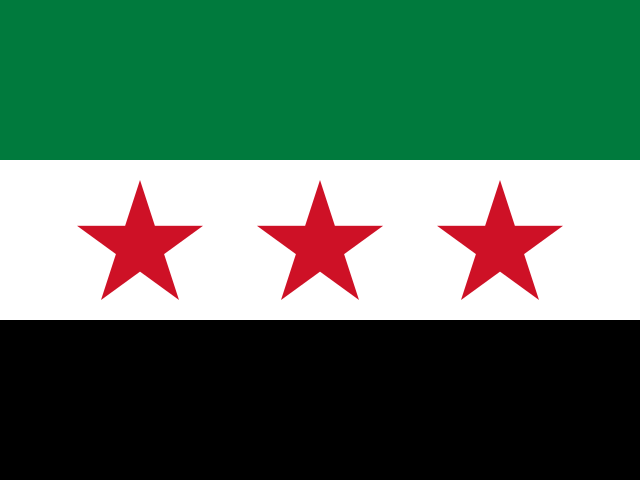
The Druze-majority governorate of Suwayda remains in a deadlock with the Syrian government, while the United States signals differences with Israel over Syria policy.
The article describes an ongoing contested political standoff.
*AI-generated summary of publicly available data. This is not an official statement of any party.
*AI-generated summary of publicly available statements and reporting. This is not an official statement of this party.
Supporters of Suwayda's Druze majority invoke a long communal memory of autonomy and self-defense, arguing that their local institutions, not Damascus, have kept the governorate stable through the deadlock.
Supporters of Suwayda's Druze majority argue that their community's distinct cultural and religious identity has long justified local self-governance, and they point to the standoff as evidence that this autonomy must be preserved.
Supporters of Suwayda's Druze majority counter that the region's distinct Druze identity and local institutions long predate the Syrian state, so continuity with Damascus reflects imposed governance rather than inherited cultural ties.
Supporters of Suwayda's Druze majority argue that the governorate's de facto autonomy rests on local legitimacy, and they point to Washington's signaled differences with Israel as evidence that external backing for the current arrangement is not guaranteed.
Supporters of Suwayda's Druze majority argue that the governorate's deadlock with the Syrian government reflects a disputed legal status, and they maintain that US-Israel policy differences undercut Damascus's claim to sole legitimate authority there.
Supporters of Suwayda's Druze majority counter that constitutional order cuts both ways: they argue local autonomy claims rest on the same legal principle of self-administration the government invokes, so sovereignty alone cannot settle who holds lawful authority there.
Supporters of Suwayda's Druze majority argue that Damascus only concedes when leverage exists, so they read the US-Israel policy split as proof that external patrons, not goodwill, determine whether their autonomy demands are honored.
Supporters of Suwayda's Druze majority argue the US-Israel policy rift is leverage to be played, not a rescue to await—they maintain that Damascus concedes only to external pressure, so outside patrons' competing interests must be exploited before the window closes.
Supporters of Suwayda's Druze majority counter that Damascus's "patience" reflects weakness, not strategy—its leverage eroded years ago, and local actors read the regime's inability to impose control as the real reason the deadlock holds.
Supporters of Suwayda's Druze majority argue that a community's moral claim to self-determination outweighs Damascus's insistence on centralized control, framing the deadlock as a test of whether majority will is respected.
Supporters of Suwayda's Druze majority argue that a community's political voice cannot be legitimately overridden by outside powers or a government they see as unresponsive, and they frame their standoff as a demand for dignity and self-determination rather than factional gain.
Supporters of Suwayda's Druze majority counter that moral standing to speak for a community belongs to those who live its risk daily, not to distant capitals—and that a national dialogue which excludes or overrides local Druze voices forfeits its own claim to legitimacy.
Supporters of Suwayda's Druze majority maintain that their community's distinct religious identity and tradition of self-governance justify resisting Damascus's authority, framing the standoff as a matter of communal conscience.
Supporters of Suwayda's Druze majority frame the standoff as a defense of their community's religious identity and communal autonomy against rule imposed from Damascus, arguing that their tradition's covenant of loyalty and solidarity obligates them to preserve their own way of l.
Supporters of Suwayda's Druze majority counter that the community's religious life is guarded by its own spiritual leadership and traditions, not by state secularism, which they see as external to the faith's internal authority.
*AI-generated summary of publicly available statements and reporting. This is not an official statement of this party.
Supporters of the Syrian government argue that Suwayda’s place within the Syrian state reflects long-standing cultural and national ties, and they maintain that preserving this continuity protects the region’s stability and inherited social order.
Supporters of the Syrian government argue that Suwayda’s Druze community is part of Syria’s inherited social fabric, and that preserving national unity and established state institutions protects local traditions better than external interference.
Supporters of the Syrian government counter that Suwayda's stability has rested on shared national institutions and a common Syrian identity, arguing that communal autonomy claims risk fragmenting the cultural continuity that has long bound the governorate to the country.
Supporters of the Syrian government argue that restoring state legal authority in Suwayda is a matter of sovereignty and constitutional order, maintaining that negotiated reintegration, not outside intervention, is the lawful path forward.
Supporters of the Syrian government argue that sovereignty and legal authority over Suwayda rest with the state, and they maintain that any negotiated settlement must uphold national law rather than external actors' preferences.
Supporters of the Syrian government counter that de facto arrangements lack legal standing under Syrian law, and they argue that external signals from Washington cannot substitute for the constitutional authority of the central state over Suwayda.
Supporters of Syrian government argue that Suwayda’s deadlock persists because external patrons sustain local defiance, and that Damascus’s patience is a tactic to let leverage erode before reasserting control.
Supporters of Syrian government argue that Suwayda’s deadlock is leverage, not principle: they maintain Damascus waits out rivals, betting US-Israel friction erodes external backing and local holdouts eventually trade autonomy for guaranteed terms.
Supporters of the Syrian government counter that external patrons rarely sustain leverage, and they argue Damascus reads the same US-Israel split as proof that patrons abandon clients once costs outweigh benefits.
Supporters of the Syrian government argue that Suwayda's future must be settled through sovereign national dialogue, not foreign mediation, maintaining that outside powers like the US and Israel lack the moral standing to decide Syria's internal affairs.
Supporters of the Syrian government maintain that sovereignty and territorial integrity obligate all communities, including Suwayda's Druze majority, to resolve differences through national dialogue rather than external mediation.
Supporters of the Syrian government counter that sovereignty and territorial integrity are themselves moral goods, arguing that recognizing a single community's claim to self-determination would fragment the country and leave all Syrians weaker.
Supporters of the Syrian government argue that preserving the state's secular, pluralist order protects Druze religious life in Suwayda better than outside interference, citing national unity as the guarantor of communal stability.
Supporters of the Syrian government invoke the state's inherited tradition of protecting Druze religious minorities, arguing that Suwayda's communal autonomy is best preserved within a unified secular order rather than outside it.
Supporters of the Syrian government counter that Druze religious identity has long coexisted with a unified Syrian state, arguing that communal conscience is upheld through national institutions rather than separation from Damascus.
AI-generated summary of publicly available statements and reporting. This is not an official statement of this party.
Supporters of Suwayda's Druze majority invoke a long communal memory of autonomy and self-defense, arguing that their local institutions, not Damascus, have kept the governorate stable through the deadlock.
Supporters of Suwayda's Druze majority argue that their community's distinct cultural and religious identity has long justified local self-governance, and they point to the standoff as evidence that this autonomy must be preserved.
Supporters of Suwayda's Druze majority counter that the region's distinct Druze identity and local institutions long predate the Syrian state, so continuity with Damascus reflects imposed governance rather than inherited cultural ties.
Supporters of Suwayda's Druze majority argue that the governorate's de facto autonomy rests on local legitimacy, and they point to Washington's signaled differences with Israel as evidence that external backing for the current arrangement is not guaranteed.
Supporters of Suwayda's Druze majority argue that the governorate's deadlock with the Syrian government reflects a disputed legal status, and they maintain that US-Israel policy differences undercut Damascus's claim to sole legitimate authority there.
Supporters of Suwayda's Druze majority counter that constitutional order cuts both ways: they argue local autonomy claims rest on the same legal principle of self-administration the government invokes, so sovereignty alone cannot settle who holds lawful authority there.
Supporters of Suwayda's Druze majority argue that Damascus only concedes when leverage exists, so they read the US-Israel policy split as proof that external patrons, not goodwill, determine whether their autonomy demands are honored.
Supporters of Suwayda's Druze majority argue the US-Israel policy rift is leverage to be played, not a rescue to await—they maintain that Damascus concedes only to external pressure, so outside patrons' competing interests must be exploited before the window closes.
Supporters of Suwayda's Druze majority counter that Damascus's "patience" reflects weakness, not strategy—its leverage eroded years ago, and local actors read the regime's inability to impose control as the real reason the deadlock holds.
Supporters of Suwayda's Druze majority argue that a community's moral claim to self-determination outweighs Damascus's insistence on centralized control, framing the deadlock as a test of whether majority will is respected.
Supporters of Suwayda's Druze majority argue that a community's political voice cannot be legitimately overridden by outside powers or a government they see as unresponsive, and they frame their standoff as a demand for dignity and self-determination rather than factional gain.
Supporters of Suwayda's Druze majority counter that moral standing to speak for a community belongs to those who live its risk daily, not to distant capitals—and that a national dialogue which excludes or overrides local Druze voices forfeits its own claim to legitimacy.
Supporters of Suwayda's Druze majority maintain that their community's distinct religious identity and tradition of self-governance justify resisting Damascus's authority, framing the standoff as a matter of communal conscience.
Supporters of Suwayda's Druze majority frame the standoff as a defense of their community's religious identity and communal autonomy against rule imposed from Damascus, arguing that their tradition's covenant of loyalty and solidarity obligates them to preserve their own way of l.
Supporters of Suwayda's Druze majority counter that the community's religious life is guarded by its own spiritual leadership and traditions, not by state secularism, which they see as external to the faith's internal authority.
Supporters of the Syrian government argue that Suwayda’s place within the Syrian state reflects long-standing cultural and national ties, and they maintain that preserving this continuity protects the region’s stability and inherited social order.
Supporters of the Syrian government argue that Suwayda’s Druze community is part of Syria’s inherited social fabric, and that preserving national unity and established state institutions protects local traditions better than external interference.
Supporters of the Syrian government counter that Suwayda's stability has rested on shared national institutions and a common Syrian identity, arguing that communal autonomy claims risk fragmenting the cultural continuity that has long bound the governorate to the country.
Supporters of the Syrian government argue that restoring state legal authority in Suwayda is a matter of sovereignty and constitutional order, maintaining that negotiated reintegration, not outside intervention, is the lawful path forward.
Supporters of the Syrian government argue that sovereignty and legal authority over Suwayda rest with the state, and they maintain that any negotiated settlement must uphold national law rather than external actors' preferences.
Supporters of the Syrian government counter that de facto arrangements lack legal standing under Syrian law, and they argue that external signals from Washington cannot substitute for the constitutional authority of the central state over Suwayda.
Supporters of Syrian government argue that Suwayda’s deadlock persists because external patrons sustain local defiance, and that Damascus’s patience is a tactic to let leverage erode before reasserting control.
Supporters of Syrian government argue that Suwayda’s deadlock is leverage, not principle: they maintain Damascus waits out rivals, betting US-Israel friction erodes external backing and local holdouts eventually trade autonomy for guaranteed terms.
Supporters of the Syrian government counter that external patrons rarely sustain leverage, and they argue Damascus reads the same US-Israel split as proof that patrons abandon clients once costs outweigh benefits.
Supporters of the Syrian government argue that Suwayda's future must be settled through sovereign national dialogue, not foreign mediation, maintaining that outside powers like the US and Israel lack the moral standing to decide Syria's internal affairs.
Supporters of the Syrian government maintain that sovereignty and territorial integrity obligate all communities, including Suwayda's Druze majority, to resolve differences through national dialogue rather than external mediation.
Supporters of the Syrian government counter that sovereignty and territorial integrity are themselves moral goods, arguing that recognizing a single community's claim to self-determination would fragment the country and leave all Syrians weaker.
Supporters of the Syrian government argue that preserving the state's secular, pluralist order protects Druze religious life in Suwayda better than outside interference, citing national unity as the guarantor of communal stability.
Supporters of the Syrian government invoke the state's inherited tradition of protecting Druze religious minorities, arguing that Suwayda's communal autonomy is best preserved within a unified secular order rather than outside it.
Supporters of the Syrian government counter that Druze religious identity has long coexisted with a unified Syrian state, arguing that communal conscience is upheld through national institutions rather than separation from Damascus.
Governorate's Druze majority in deadlock with Syrian government.