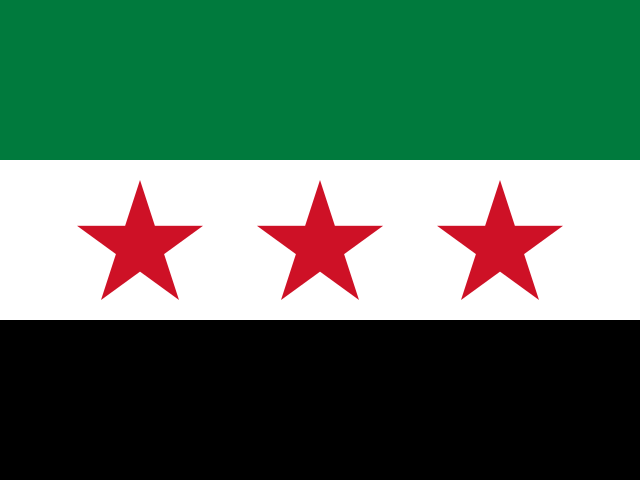
Syrian protesters
VS
Israel

Syrians are protesting Israel's occupation of parts of southern Syria near the occupied Golan Heights.
The article reports on the demonstrations against Israeli incursions into Syrian territory.
*AI-generated summary of publicly available data. This is not an official statement of any party.
*AI-generated summary of publicly available statements and reporting. This is not an official statement of this party.
Supporters of the Syrian protesters argue the demonstrations defend Syrian cultural identity and territorial integrity against Israeli encroachment near the Golan Heights.
Supporters of the Syrian protesters frame the demonstrations as a defense of cultural identity and national dignity, arguing that rejecting Israeli incursions near the Golan affirms Syria's sovereign claim to its own land and heritage.
Supporters of Syrian protesters counter that Golan's Syrian Druze and Arab communities hold their own living cultural heritage there, and that ancestral claims from outside cannot override the identity of those who actually reside on the land.
Supporters of Syrian protesters argue that international law forbids acquiring territory by force, so Israel's incursions near the Golan violate Syrian sovereignty and the protesters are asserting their lawful right to self-determination.
Supporters of Syrian protesters argue that international law prohibits acquiring territory by force, so Israel's incursions near the Golan violate Syrian sovereignty and the protesters are asserting a legal right to resist occupation.
Supporters of Syrian protesters counter that the 1974 disengagement agreement was a ceasefire framework, not a legal basis for territorial presence, and they argue that international law permits only temporary, consented security arrangements.
Supporters of Syrian protesters argue that mass mobilization is leverage, not sentiment: protests cost Israel little militarily but expose its occupation before patrons and force it to weigh image against gain.
Supporters of Syrian protesters argue that the demonstrations are leverage: visible crowds signal that any Israeli-held buffer near the Golan costs occupation, pressing Damascus's rivals and patrons to treat withdrawal as a precondition for legitimacy.
Supporters of the Syrian protesters counter that leverage held by force is fragile: they argue that quiet, sustained protest imposes costs Israel cannot indefinitely absorb, making the street’s persistence the real bargaining chip.
Supporters of Syrian protesters argue that opposing foreign military presence on Syrian land is a legitimate moral claim rooted in sovereignty, and they cite the October 24 demonstrations near the Golan Heights as evidence of grassroots rejection of Israeli incursions.
Supporters of Syrian protesters argue that opposing foreign military incursions is a moral right of any population, pointing to the October 24, 2026 demonstrations near the Golan Heights as evidence of grassroots rejection of occupation.
Supporters of Syrian protesters counter that a security buffer cannot morally justify displacing communities that never consented, arguing that self-defense claims lose force when they impose the costs on civilians rather than the threatening parties.
Supporters of the Syrian protesters argue that defending Syrian land near the Golan is a religious duty to preserve Muslim sovereignty, and they maintain that faith obliges them to resist foreign occupation of territory.
Supporters of the Syrian protesters argue that defending Syrian land near the Golan is a religious duty to preserve Muslim sovereignty over territory, framing the demonstrations as an act of faith and communal solidarity.
Supporters of Syrian protesters counter that religious scripture cannot override international law, arguing that biblical claims to land are contested by other faiths and that the Golan's status is a matter of law, not theology.
*AI-generated summary of publicly available statements and reporting. This is not an official statement of this party.
Supporters of Israel argue that Jewish historical and cultural ties to the Golan date back millennia, framing the territory as ancestral heritage rather than occupied land.
Supporters of Israel frame the Golan as a defensive buffer shaped by past wars, citing Syria's attacks before 1967 and arguing that cultural memory of those conflicts justifies holding the terrain.
Supporters of Israel counter that the Golan has been administered under Israeli law since 1981, shaping a distinct local cultural life, and they argue the protests frame a territorial dispute as a cultural defense.
Supporters of Israel argue that its presence in southern Syria rests on self-defense and security-buffer claims under international law, citing the 1974 disengagement framework, though critics dispute the legal basis.
Supporters of Israel argue that its presence near the Golan Heights rests on self-defense and security claims under international law, pointing to the 1974 disengagement framework as the relevant legal baseline.
Supporters of Israel counter that the Golan's status rests on UN Security Council Resolution 242's call for secure borders and bilateral negotiation, not unilateral self-determination claims, and that Syria's sovereignty assertion lacks standing absent a peace treaty.
Supporters of Israel argue that holding southern Syrian ground near the Golan serves as leverage in security talks, betting that Syrian protests lack enforcement power and that facts on the ground will outweigh condemnation.
Supporters of Israel argue that holding the southern buffer zone is a security necessity, treating the protests as leverage and betting that Damascus' weakness means no rival can forcibly reclaim the ground.
Supporters of Israel counter that image is cheap while control is not: they argue patrons already accept the occupation, so protests change optics, not incentives, and Israel keeps the ground it holds.
Supporters of Israel argue that its presence near the Golan Heights is a necessary security buffer against hostile forces, maintaining that sovereign self-defense outweighs claims to the territory.
Supporters of Israel argue that its security presence near the Golan is a defensive necessity, maintaining that no state should be expected to leave its border unguarded.
Supporters of Israel counter that sovereignty claims ring hollow when armed groups openly seek Israel’s destruction, arguing that security, not territorial ambition, drives its presence and that self-defense is a moral obligation.
Supporters of Israel invoke the Hebrew Bible's promises of the Land and Jerusalem's united status, arguing that Jewish historical and scriptural ties to the Golan and surrounding territory underpin Israel's claim to secure defensible borders.
Supporters of Israel invoke the biblical promise of the land to the Jewish people, arguing that scriptural covenant and historical claim underpin Israel's presence in the Golan and southern Syria.
Supporters of Israel counter that Scripture frames the Golan as part of the land promised to the Jewish people, citing biblical passages, and argue that Israel's claim rests on that inheritance rather than on conquest.
AI-generated summary of publicly available statements and reporting. This is not an official statement of this party.
Supporters of the Syrian protesters argue the demonstrations defend Syrian cultural identity and territorial integrity against Israeli encroachment near the Golan Heights.
Supporters of the Syrian protesters frame the demonstrations as a defense of cultural identity and national dignity, arguing that rejecting Israeli incursions near the Golan affirms Syria's sovereign claim to its own land and heritage.
Supporters of Syrian protesters counter that Golan's Syrian Druze and Arab communities hold their own living cultural heritage there, and that ancestral claims from outside cannot override the identity of those who actually reside on the land.
Supporters of Syrian protesters argue that international law forbids acquiring territory by force, so Israel's incursions near the Golan violate Syrian sovereignty and the protesters are asserting their lawful right to self-determination.
Supporters of Syrian protesters argue that international law prohibits acquiring territory by force, so Israel's incursions near the Golan violate Syrian sovereignty and the protesters are asserting a legal right to resist occupation.
Supporters of Syrian protesters counter that the 1974 disengagement agreement was a ceasefire framework, not a legal basis for territorial presence, and they argue that international law permits only temporary, consented security arrangements.
Supporters of Syrian protesters argue that mass mobilization is leverage, not sentiment: protests cost Israel little militarily but expose its occupation before patrons and force it to weigh image against gain.
Supporters of Syrian protesters argue that the demonstrations are leverage: visible crowds signal that any Israeli-held buffer near the Golan costs occupation, pressing Damascus's rivals and patrons to treat withdrawal as a precondition for legitimacy.
Supporters of the Syrian protesters counter that leverage held by force is fragile: they argue that quiet, sustained protest imposes costs Israel cannot indefinitely absorb, making the street’s persistence the real bargaining chip.
Supporters of Syrian protesters argue that opposing foreign military presence on Syrian land is a legitimate moral claim rooted in sovereignty, and they cite the October 24 demonstrations near the Golan Heights as evidence of grassroots rejection of Israeli incursions.
Supporters of Syrian protesters argue that opposing foreign military incursions is a moral right of any population, pointing to the October 24, 2026 demonstrations near the Golan Heights as evidence of grassroots rejection of occupation.
Supporters of Syrian protesters counter that a security buffer cannot morally justify displacing communities that never consented, arguing that self-defense claims lose force when they impose the costs on civilians rather than the threatening parties.
Supporters of the Syrian protesters argue that defending Syrian land near the Golan is a religious duty to preserve Muslim sovereignty, and they maintain that faith obliges them to resist foreign occupation of territory.
Supporters of the Syrian protesters argue that defending Syrian land near the Golan is a religious duty to preserve Muslim sovereignty over territory, framing the demonstrations as an act of faith and communal solidarity.
Supporters of Syrian protesters counter that religious scripture cannot override international law, arguing that biblical claims to land are contested by other faiths and that the Golan's status is a matter of law, not theology.
Supporters of Israel argue that Jewish historical and cultural ties to the Golan date back millennia, framing the territory as ancestral heritage rather than occupied land.
Supporters of Israel frame the Golan as a defensive buffer shaped by past wars, citing Syria's attacks before 1967 and arguing that cultural memory of those conflicts justifies holding the terrain.
Supporters of Israel counter that the Golan has been administered under Israeli law since 1981, shaping a distinct local cultural life, and they argue the protests frame a territorial dispute as a cultural defense.
Supporters of Israel argue that its presence in southern Syria rests on self-defense and security-buffer claims under international law, citing the 1974 disengagement framework, though critics dispute the legal basis.
Supporters of Israel argue that its presence near the Golan Heights rests on self-defense and security claims under international law, pointing to the 1974 disengagement framework as the relevant legal baseline.
Supporters of Israel counter that the Golan's status rests on UN Security Council Resolution 242's call for secure borders and bilateral negotiation, not unilateral self-determination claims, and that Syria's sovereignty assertion lacks standing absent a peace treaty.
Supporters of Israel argue that holding southern Syrian ground near the Golan serves as leverage in security talks, betting that Syrian protests lack enforcement power and that facts on the ground will outweigh condemnation.
Supporters of Israel argue that holding the southern buffer zone is a security necessity, treating the protests as leverage and betting that Damascus' weakness means no rival can forcibly reclaim the ground.
Supporters of Israel counter that image is cheap while control is not: they argue patrons already accept the occupation, so protests change optics, not incentives, and Israel keeps the ground it holds.
Supporters of Israel argue that its presence near the Golan Heights is a necessary security buffer against hostile forces, maintaining that sovereign self-defense outweighs claims to the territory.
Supporters of Israel argue that its security presence near the Golan is a defensive necessity, maintaining that no state should be expected to leave its border unguarded.
Supporters of Israel counter that sovereignty claims ring hollow when armed groups openly seek Israel’s destruction, arguing that security, not territorial ambition, drives its presence and that self-defense is a moral obligation.
Supporters of Israel invoke the Hebrew Bible's promises of the Land and Jerusalem's united status, arguing that Jewish historical and scriptural ties to the Golan and surrounding territory underpin Israel's claim to secure defensible borders.
Supporters of Israel invoke the biblical promise of the land to the Jewish people, arguing that scriptural covenant and historical claim underpin Israel's presence in the Golan and southern Syria.
Supporters of Israel counter that Scripture frames the Golan as part of the land promised to the Jewish people, citing biblical passages, and argue that Israel's claim rests on that inheritance rather than on conquest.
Syrians are protesting Israel’s occupation of parts of the country’s south, near the occupied Golan Heights.