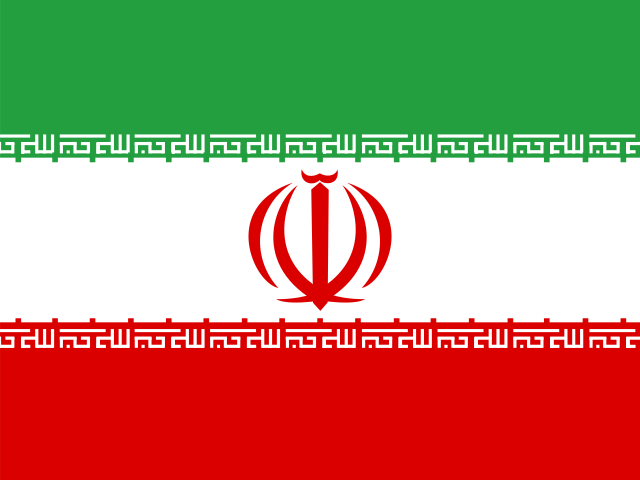
Tehran rally participants
VS
Trump, Vance and Netanyahu

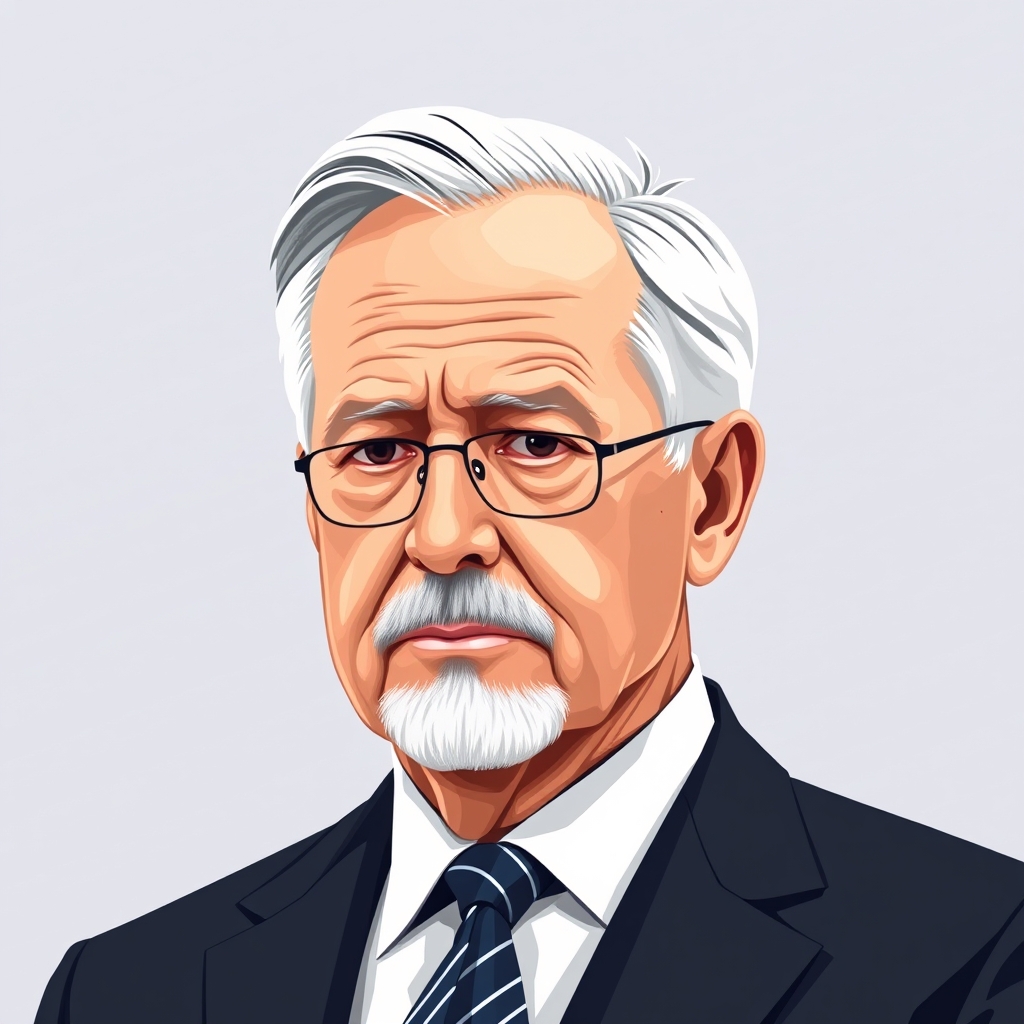
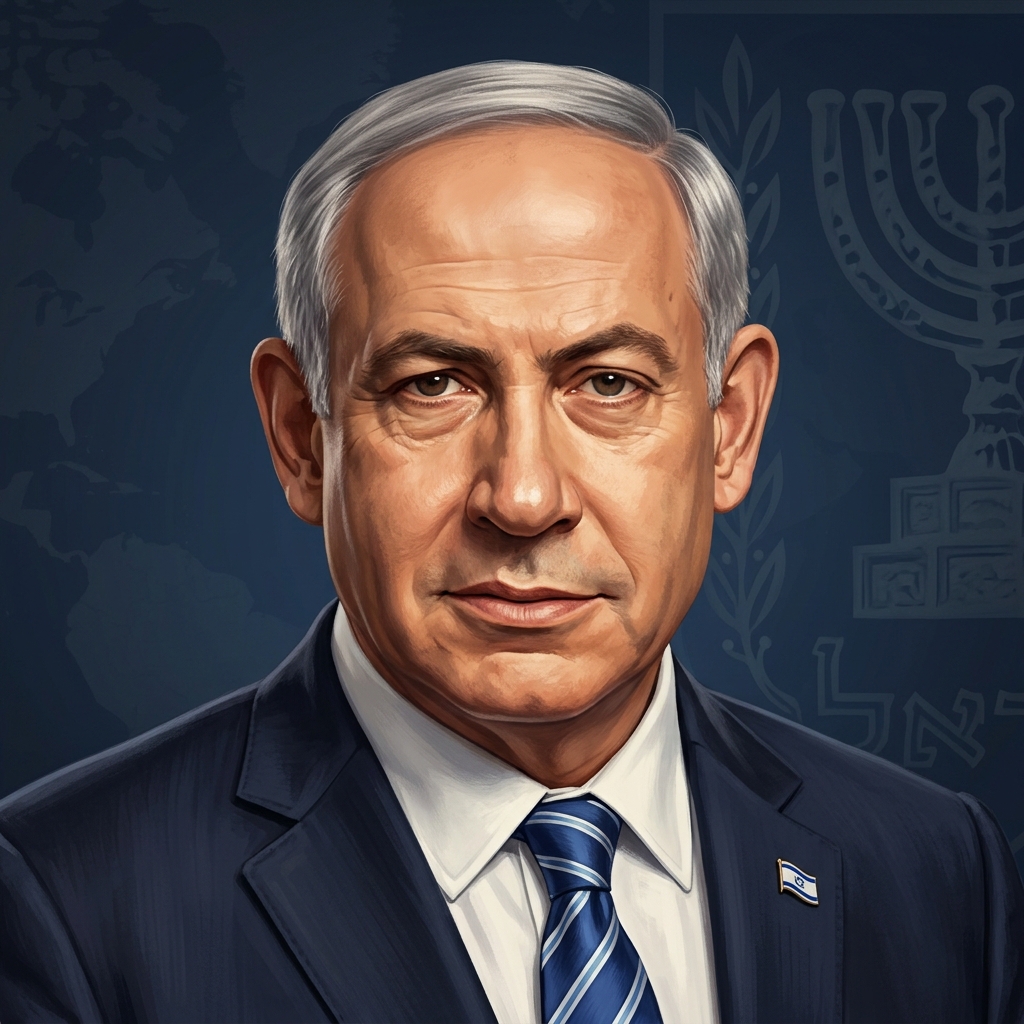
A giant banner depicting US President Donald Trump, JD Vance and Israeli Prime Minister Benjamin Netanyahu was burnt at a rally in Tehran.
The event reflects ongoing opposition between Iranian rally participants and the depicted US and Israeli figures.
*AI-generated summary of publicly available data. This is not an official statement of any party.
*AI-generated summary of publicly available statements and reporting. This is not an official statement of this party.
Supporters of Tehran rally participants argue the banner burning continues a decades-old ritual of public defiance, framing it as cultural resistance to foreign interference rather than an act of aggression.
Supporters of the Tehran rally participants frame the banner burning as a cultural ritual of resistance, arguing that street spectacle has long served as a symbolic language for expressing rejection of foreign figures.
Supporters of the Tehran rally participants counter that street ritual and banner burning are long-standing cultural expressions of dissent, and they argue that demanding orderly diplomatic conduct ignores how those forms carry meaning when formal channels are seen as closed.
Supporters of the Tehran rally participants argue that burning the banner is protected political expression, not a criminal act, and that domestic law should not criminalize symbolic dissent.
Supporters of the Tehran rally participants argue that burning effigies of foreign leaders is protected political expression, not a crime, and that sovereign states may lawfully permit such protest absent a specific legal prohibition.
Supporters of the Tehran rally participants counter that burning an effigy is expressive conduct protected under international free-expression norms, not a use of force, so the self-defense justification invoked by critics lacks a legal trigger.
Supporters of the Tehran rally participants argue the banner burning is calculated messaging: a cheap, theatrical display that signals resolve to domestic hardliners while costing Iran little, since the real leverage lies in showing the US and Israel that hostility carries visibl.
Supporters of the Tehran rally participants argue that burning the banner is a calculated signal of resolve, showing rivals that symbolic defiance costs little while projecting strength to a domestic audience.
Supporters of Tehran rally participants counter that visible alignment among the three leaders serves their domestic audiences, not leverage, and burning a banner costs Tehran nothing while letting Washington, Tel Aviv and the rally each perform resolve without altering any actua.
Supporters of the Tehran rally participants argue the banner burning is a legitimate moral response to US and Israeli policies, framing it as symbolic dissent rather than violence against persons.
Supporters of the Tehran rally participants argue the banner burning expresses moral outrage at leaders whose policies harm Iran, framing it as symbolic protest rather than aggression.
Supporters of Tehran rally participants counter that effigy burning is symbolic dissent, not aggression, and that moral clarity is undermined when foreign leaders back sanctions harming ordinary Iranians.
Supporters of the Tehran rally participants frame the banner burning as a religious defense of the ummah against outside powers, arguing that rejecting Trump, Vance and Netanyahu affirms sacred sovereignty.
Supporters of the Tehran rally participants frame the banner burning as an expression of religious sovereignty, arguing that allegiance to foreign powers like Trump, Vance and Netanyahu betrays the faith and independence of the ummah.
Supporters of the Tehran rally participants counter that the burning denounces political figures, not the sacred, arguing that faith and its moral order remain central to the demonstrators' convictions.
*AI-generated summary of publicly available statements and reporting. This is not an official statement of this party.
Supporters of Trump, Vance and Netanyahu argue that the banner burning in Tehran reflects a rejection of diplomatic norms, and they maintain that respecting established state institutions and orderly conduct between nations preserves stability over symbolic defiance.
Supporters of Trump, Vance and Netanyahu argue the banner burning shows a revolutionary culture that teaches rejection of legitimate elected leaders, and they contend stable societies are built on respecting institutions rather than symbolic contempt.
Supporters of Trump, Vance and Netanyahu counter that ritualized burning of a nation's flag is not inherited cultural wisdom but a manufactured political theater that severs ties between peoples.
Supporters of Trump, Vance and Netanyahu argue that Tehran's banner burning shows Iran's leadership rejects lawful diplomacy, and they maintain that sovereign states have a legal right to defend themselves against such hostility.
Supporters of Trump, Vance and Netanyahu argue that burning their images in Tehran underscores the need for lawful, enforceable sanctions and accountability against a regime that incites hostility rather than respects international norms.
Supporters of Trump, Vance and Netanyahu counter that legal protection for symbolic expression does not extend to incitement or threats against a foreign ally, and that statutes can lawfully distinguish protected dissent from conduct endangering national security.
Supporters of Trump, Vance and Netanyahu argue the banner burning shows Tehran needs external pressure, not concessions, and that the three leaders' visible alignment signals resolve rather than weakness.
Supporters of Trump, Vance and Netanyahu argue the banner burning signals Tehran's weakness, not strength—a theatrical gesture by a government with few real levers, which they cite as proof that pressure works and symbolic defiance is no substitute for power.
Supporters of Trump, Vance and Netanyahu counter that the banner burning costs Tehran real deterrence, since visible hostility invites sanctions and strikes that erode the regime's leverage rather than signal resolve.
Supporters of Trump, Vance and Netanyahu argue that burning their effigies affirms the moral clarity of standing with allies against a regime that suppresses its own people's liberty.
Supporters of Trump, Vance and Netanyahu argue that burning effigies is an expression of hostility, not legitimate dissent, and maintain that free peoples judge leaders by policy and peaceful debate rather than by symbolic destruction.
Supporters of Trump, Vance and Netanyahu counter that targeting a nation's flag as a moral statement erases the distinction between disagreeing with a government's policies and expressing hostility toward a people, which they see as a category error.
Supporters of Trump, Vance and Netanyahu argue that the banner burning confirms the Iranian rally participants' rejection of any sacred order beyond their own, and maintain that the three leaders stand for a moral authority that such displays cannot extinguish.
Supporters of Trump, Vance and Netanyahu argue that the banner burning in Tehran shows the Iranian rally participants reject the Abraham Accords and the Abrahamic peace heritage the three leaders pursue.
Supporters of Trump, Vance and Netanyahu counter that the Abraham Accords rest on the shared biblical heritage of Abraham, and they argue that rejecting that framework spurns the very patriarch whose covenant the ummah claims to honor.
AI-generated summary of publicly available statements and reporting. This is not an official statement of this party.
Supporters of Tehran rally participants argue the banner burning continues a decades-old ritual of public defiance, framing it as cultural resistance to foreign interference rather than an act of aggression.
Supporters of the Tehran rally participants frame the banner burning as a cultural ritual of resistance, arguing that street spectacle has long served as a symbolic language for expressing rejection of foreign figures.
Supporters of the Tehran rally participants counter that street ritual and banner burning are long-standing cultural expressions of dissent, and they argue that demanding orderly diplomatic conduct ignores how those forms carry meaning when formal channels are seen as closed.
Supporters of the Tehran rally participants argue that burning the banner is protected political expression, not a criminal act, and that domestic law should not criminalize symbolic dissent.
Supporters of the Tehran rally participants argue that burning effigies of foreign leaders is protected political expression, not a crime, and that sovereign states may lawfully permit such protest absent a specific legal prohibition.
Supporters of the Tehran rally participants counter that burning an effigy is expressive conduct protected under international free-expression norms, not a use of force, so the self-defense justification invoked by critics lacks a legal trigger.
Supporters of the Tehran rally participants argue the banner burning is calculated messaging: a cheap, theatrical display that signals resolve to domestic hardliners while costing Iran little, since the real leverage lies in showing the US and Israel that hostility carries visibl.
Supporters of the Tehran rally participants argue that burning the banner is a calculated signal of resolve, showing rivals that symbolic defiance costs little while projecting strength to a domestic audience.
Supporters of Tehran rally participants counter that visible alignment among the three leaders serves their domestic audiences, not leverage, and burning a banner costs Tehran nothing while letting Washington, Tel Aviv and the rally each perform resolve without altering any actua.
Supporters of the Tehran rally participants argue the banner burning is a legitimate moral response to US and Israeli policies, framing it as symbolic dissent rather than violence against persons.
Supporters of the Tehran rally participants argue the banner burning expresses moral outrage at leaders whose policies harm Iran, framing it as symbolic protest rather than aggression.
Supporters of Tehran rally participants counter that effigy burning is symbolic dissent, not aggression, and that moral clarity is undermined when foreign leaders back sanctions harming ordinary Iranians.
Supporters of the Tehran rally participants frame the banner burning as a religious defense of the ummah against outside powers, arguing that rejecting Trump, Vance and Netanyahu affirms sacred sovereignty.
Supporters of the Tehran rally participants frame the banner burning as an expression of religious sovereignty, arguing that allegiance to foreign powers like Trump, Vance and Netanyahu betrays the faith and independence of the ummah.
Supporters of the Tehran rally participants counter that the burning denounces political figures, not the sacred, arguing that faith and its moral order remain central to the demonstrators' convictions.
Supporters of Trump, Vance and Netanyahu argue that the banner burning in Tehran reflects a rejection of diplomatic norms, and they maintain that respecting established state institutions and orderly conduct between nations preserves stability over symbolic defiance.
Supporters of Trump, Vance and Netanyahu argue the banner burning shows a revolutionary culture that teaches rejection of legitimate elected leaders, and they contend stable societies are built on respecting institutions rather than symbolic contempt.
Supporters of Trump, Vance and Netanyahu counter that ritualized burning of a nation's flag is not inherited cultural wisdom but a manufactured political theater that severs ties between peoples.
Supporters of Trump, Vance and Netanyahu argue that Tehran's banner burning shows Iran's leadership rejects lawful diplomacy, and they maintain that sovereign states have a legal right to defend themselves against such hostility.
Supporters of Trump, Vance and Netanyahu argue that burning their images in Tehran underscores the need for lawful, enforceable sanctions and accountability against a regime that incites hostility rather than respects international norms.
Supporters of Trump, Vance and Netanyahu counter that legal protection for symbolic expression does not extend to incitement or threats against a foreign ally, and that statutes can lawfully distinguish protected dissent from conduct endangering national security.
Supporters of Trump, Vance and Netanyahu argue the banner burning shows Tehran needs external pressure, not concessions, and that the three leaders' visible alignment signals resolve rather than weakness.
Supporters of Trump, Vance and Netanyahu argue the banner burning signals Tehran's weakness, not strength—a theatrical gesture by a government with few real levers, which they cite as proof that pressure works and symbolic defiance is no substitute for power.
Supporters of Trump, Vance and Netanyahu counter that the banner burning costs Tehran real deterrence, since visible hostility invites sanctions and strikes that erode the regime's leverage rather than signal resolve.
Supporters of Trump, Vance and Netanyahu argue that burning their effigies affirms the moral clarity of standing with allies against a regime that suppresses its own people's liberty.
Supporters of Trump, Vance and Netanyahu argue that burning effigies is an expression of hostility, not legitimate dissent, and maintain that free peoples judge leaders by policy and peaceful debate rather than by symbolic destruction.
Supporters of Trump, Vance and Netanyahu counter that targeting a nation's flag as a moral statement erases the distinction between disagreeing with a government's policies and expressing hostility toward a people, which they see as a category error.
Supporters of Trump, Vance and Netanyahu argue that the banner burning confirms the Iranian rally participants' rejection of any sacred order beyond their own, and maintain that the three leaders stand for a moral authority that such displays cannot extinguish.
Supporters of Trump, Vance and Netanyahu argue that the banner burning in Tehran shows the Iranian rally participants reject the Abraham Accords and the Abrahamic peace heritage the three leaders pursue.
Supporters of Trump, Vance and Netanyahu counter that the Abraham Accords rest on the shared biblical heritage of Abraham, and they argue that rejecting that framework spurns the very patriarch whose covenant the ummah claims to honor.
A giant banner depicting Donald Trump, JD Vance and Benjamin Netanyahu was burnt at a rally in Tehran.