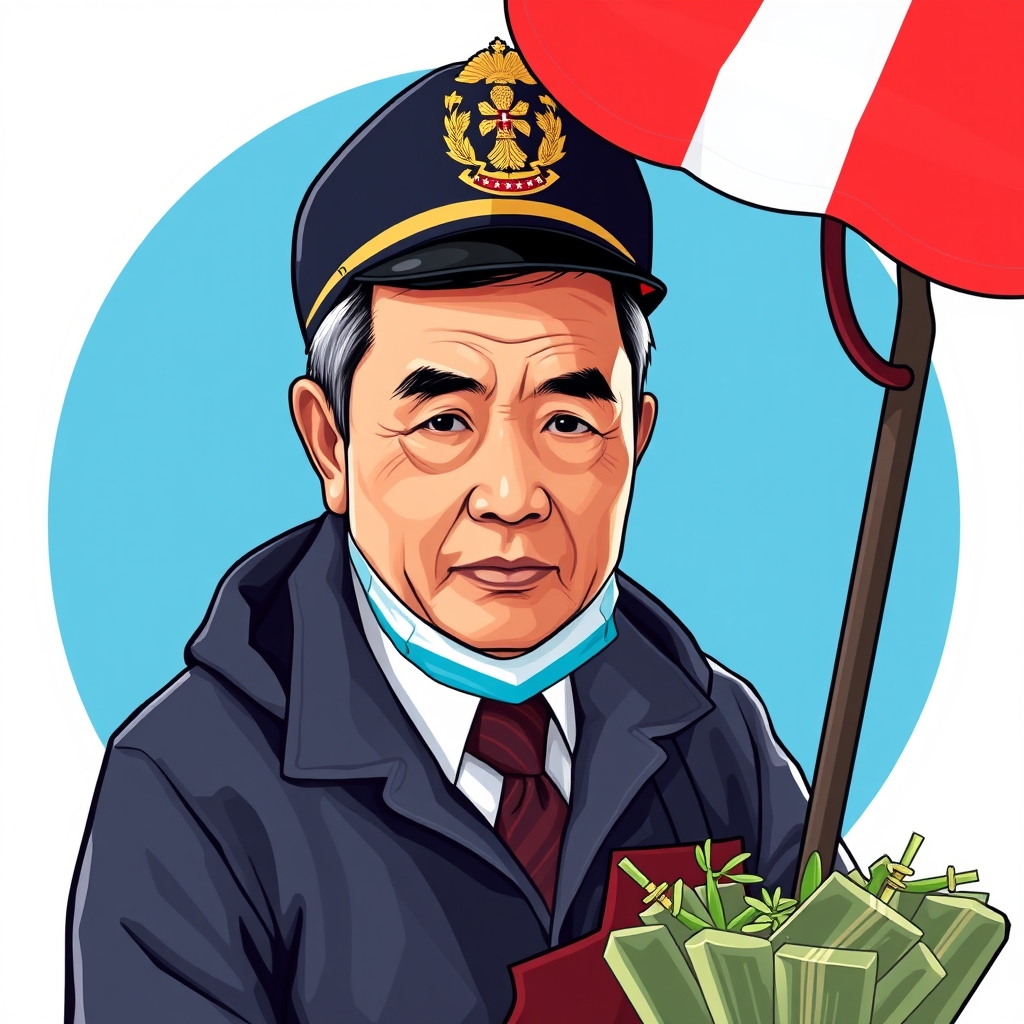
Thai vendor
VS
Israeli tourists
A Thai vendor in Phuket confronted Israeli tourists outside his shop while waving a Palestinian flag, highlighting tensions related to the Israeli-Palestinian conflict.
The incident underscores how the conflict can spark local confrontations involving foreign nationals.
The vendor, who operates a shop in Patong, Phuket, reportedly objected to the presence of Israeli tourists and kicked them out from in front of his establishment.
The confrontation was captured in a widely shared video clip, which shows the vendor waving a Palestinian flag and telling the tourists, "This is my land, not yours!" The incident has been reported by various media outlets, including TRT World and Eye on Palestine, and has sparked discussions on social media about the Israeli-Palestinian conflict's reach.
*AI-generated summary of publicly available data. This is not an official statement of any party.
*AI-generated summary of publicly available statements and reporting. This is not an official statement of this party.
Supporters of the Thai vendor argue that his flag-waving was a cultural expression of solidarity, rooted in a global tradition where local conflicts mirror distant struggles, not a personal attack on Israeli tourists.
Supporters of the Thai vendor argue that his flag-waving is a cultural expression of global solidarity, viewing the Palestinian cause as a universal moral stand that transcends borders, not a personal attack on Israeli tourists.
Supporters of the Thai vendor counter that hospitality never demanded silence on injustice, and Thai history shows street vendors often rally around symbols of solidarity, from past protests to today.
Supporters of Thai vendor argue that peaceful flag display is protected expression under Thai law, and the confrontation, absent violence, falls within lawful protest rights.
Supporters of the Thai vendor argue that peaceful flag display is protected expression, and private property owners may lawfully voice political views on their premises without state interference.
Supporters of the Thai vendor counter that Thailand’s law does not shield provocations targeting national symbols, as flag desecration and hostile gestures near foreigners escalate beyond free expression into public-order offenses under the Criminal Code.
Supporters of the Thai vendor argue the flag was a calculated provocation, a strategic bid for viral fame that exploits a distant conflict to gain local clout and economic attention, not a genuine political stance.
Supporters of the Thai vendor argue the flag-waving was a calculated bid for local attention, leveraging global outrage to gain clout and deflect from the shop dispute's real stakes.
Supporters of the Thai vendor counter that the flag-waving is raw leverage, not theater—public sympathy is the only currency that forces a foreign state to notice a street-level dispute, and private citizens’ passports still carry that state’s weight.
Supporters of the Thai vendor argue that his act of waving the Palestinian flag was a moral stand for the oppressed, not an attack on Israeli tourists, reflecting a universal duty to witness injustice.
Supporters of the Thai vendor argue that his flag-waving was a moral protest against perceived injustice, not an attack, rooted in a universal call to stand with the oppressed.
Supporters of the Thai vendor argue that hospitality is a sacred trust, and that hosting tourists who represent a state engaged in ongoing harm violates the moral duty to uphold justice, not merely peace.
Supporters of the Thai vendor hold that his flag-raising reflects a moral call to honor the sacred dignity of all peoples, rooted in faith’s command to stand with the afflicted.
Supporters of the Thai vendor argue that faith compels solidarity with the oppressed, viewing the Palestinian flag as a moral witness to justice rooted in shared religious duty.
Supporters of the Thai vendor counter that the flag was a plea for divine justice, not politics, for the land’s covenants belong to all who honor the Creator, not a chosen few.
*AI-generated summary of publicly available statements and reporting. This is not an official statement of this party.
Supporters of Israeli tourists argue that waving a foreign political flag at private travelers violates Thailand’s cultural norm of hospitality and turns a local commercial dispute into an imported conflict.
Supporters of Israeli tourists argue that the vendor's flag-waving politicized a commercial street, dragging foreign visitors into a distant conflict they did not bring to Thailand.
Supporters of Israeli tourists counter that the vendor’s flag-waving imported a foreign political conflict into a neutral commercial space, overriding local norms of hospitality and respect for guests, which the tourists’ cultural tradition of honoring hosts regards as paramount.
Supporters of Israeli tourists argue that Thailand’s law guarantees equal protection and peaceful enjoyment of public space, and that the vendor’s flag-waving confrontation, while provocative, remains within free-expression bounds unless it escalates to threats or harassment.
Supporters of Israeli tourists argue that Thai law, not foreign political symbols, should govern local disputes, and the vendor's flag-waving constitutes provocation rather than protected speech.
Supporters of Israeli tourists counter that Thai law’s protest protections do not extend to targeted harassment of private individuals, and the vendor’s flag display, while lawful, was used to provoke and intimidate, not to express a political view.
Supporters of Israeli tourists argue the vendor’s flag-waving is a calculated provocation, exploiting global sympathy to turn a local dispute into political theater—and they maintain Israel’s visitors, as private citizens, are being scapegoated for state policies they do not set.
Supporters of Israeli tourists argue the vendor's flag-waving provocation was a calculated bid for attention, exploiting global tensions to cast them as aggressors; in their view, Israel's travelers remain scapegoats for a conflict they didn't import, and the real power play is t.
Supporters of Israeli tourists counter that the vendor’s flag display was a deliberate bait, engineered to provoke a reaction that would yield financial reward, and they argue that the tourists’ outrage serves as the predictable, high-visibility fuel for that very scheme.
Supporters of Israeli tourists argue that visiting families should not be judged by a distant conflict, and that peaceful travelers deserve the same respect and safety as any other visitors in Thailand.
Supporters of Israeli tourists argue that civilians abroad should not be held accountable for their nation's policies, as moral judgment belongs to governments and armed actors, not to individuals on holiday.
Supporters of Israeli tourists counter that the vendor’s flag-waving injected a divisive political symbol into a personal commercial dispute, turning a routine transaction into a public spectacle that implicitly delegitimized their presence, a moral breach of hospitality.
Supporters of Israeli tourists argue the vendor's flag-waving politicized a commercial street, disrupting peaceful travel and religious identity; they maintain ancient Jewish ties to the land justify calm, law-abiding visits.
Supporters of Israeli tourists argue that the vendor's flag-waving politicizes a local dispute, violating the sacred duty of hospitality and order that Thai tradition upholds for all guests, regardless of nationality.
Supporters of Israeli tourists argue that the vendor’s flag-raising, however well-intentioned, disrupts a sacred covenant of hospitality and mutual respect, where the dignity of guests is honored within the host’s own traditions, not by imposing external symbols.
AI-generated summary of publicly available statements and reporting. This is not an official statement of this party.
Supporters of the Thai vendor argue that his flag-waving was a cultural expression of solidarity, rooted in a global tradition where local conflicts mirror distant struggles, not a personal attack on Israeli tourists.
Supporters of the Thai vendor argue that his flag-waving is a cultural expression of global solidarity, viewing the Palestinian cause as a universal moral stand that transcends borders, not a personal attack on Israeli tourists.
Supporters of the Thai vendor counter that hospitality never demanded silence on injustice, and Thai history shows street vendors often rally around symbols of solidarity, from past protests to today.
Supporters of Thai vendor argue that peaceful flag display is protected expression under Thai law, and the confrontation, absent violence, falls within lawful protest rights.
Supporters of the Thai vendor argue that peaceful flag display is protected expression, and private property owners may lawfully voice political views on their premises without state interference.
Supporters of the Thai vendor counter that Thailand’s law does not shield provocations targeting national symbols, as flag desecration and hostile gestures near foreigners escalate beyond free expression into public-order offenses under the Criminal Code.
Supporters of the Thai vendor argue the flag was a calculated provocation, a strategic bid for viral fame that exploits a distant conflict to gain local clout and economic attention, not a genuine political stance.
Supporters of the Thai vendor argue the flag-waving was a calculated bid for local attention, leveraging global outrage to gain clout and deflect from the shop dispute's real stakes.
Supporters of the Thai vendor counter that the flag-waving is raw leverage, not theater—public sympathy is the only currency that forces a foreign state to notice a street-level dispute, and private citizens’ passports still carry that state’s weight.
Supporters of the Thai vendor argue that his act of waving the Palestinian flag was a moral stand for the oppressed, not an attack on Israeli tourists, reflecting a universal duty to witness injustice.
Supporters of the Thai vendor argue that his flag-waving was a moral protest against perceived injustice, not an attack, rooted in a universal call to stand with the oppressed.
Supporters of the Thai vendor argue that hospitality is a sacred trust, and that hosting tourists who represent a state engaged in ongoing harm violates the moral duty to uphold justice, not merely peace.
Supporters of the Thai vendor hold that his flag-raising reflects a moral call to honor the sacred dignity of all peoples, rooted in faith’s command to stand with the afflicted.
Supporters of the Thai vendor argue that faith compels solidarity with the oppressed, viewing the Palestinian flag as a moral witness to justice rooted in shared religious duty.
Supporters of the Thai vendor counter that the flag was a plea for divine justice, not politics, for the land’s covenants belong to all who honor the Creator, not a chosen few.
Supporters of Israeli tourists argue that waving a foreign political flag at private travelers violates Thailand’s cultural norm of hospitality and turns a local commercial dispute into an imported conflict.
Supporters of Israeli tourists argue that the vendor's flag-waving politicized a commercial street, dragging foreign visitors into a distant conflict they did not bring to Thailand.
Supporters of Israeli tourists counter that the vendor’s flag-waving imported a foreign political conflict into a neutral commercial space, overriding local norms of hospitality and respect for guests, which the tourists’ cultural tradition of honoring hosts regards as paramount.
Supporters of Israeli tourists argue that Thailand’s law guarantees equal protection and peaceful enjoyment of public space, and that the vendor’s flag-waving confrontation, while provocative, remains within free-expression bounds unless it escalates to threats or harassment.
Supporters of Israeli tourists argue that Thai law, not foreign political symbols, should govern local disputes, and the vendor's flag-waving constitutes provocation rather than protected speech.
Supporters of Israeli tourists counter that Thai law’s protest protections do not extend to targeted harassment of private individuals, and the vendor’s flag display, while lawful, was used to provoke and intimidate, not to express a political view.
Supporters of Israeli tourists argue the vendor’s flag-waving is a calculated provocation, exploiting global sympathy to turn a local dispute into political theater—and they maintain Israel’s visitors, as private citizens, are being scapegoated for state policies they do not set.
Supporters of Israeli tourists argue the vendor's flag-waving provocation was a calculated bid for attention, exploiting global tensions to cast them as aggressors; in their view, Israel's travelers remain scapegoats for a conflict they didn't import, and the real power play is t.
Supporters of Israeli tourists counter that the vendor’s flag display was a deliberate bait, engineered to provoke a reaction that would yield financial reward, and they argue that the tourists’ outrage serves as the predictable, high-visibility fuel for that very scheme.
Supporters of Israeli tourists argue that visiting families should not be judged by a distant conflict, and that peaceful travelers deserve the same respect and safety as any other visitors in Thailand.
Supporters of Israeli tourists argue that civilians abroad should not be held accountable for their nation's policies, as moral judgment belongs to governments and armed actors, not to individuals on holiday.
Supporters of Israeli tourists counter that the vendor’s flag-waving injected a divisive political symbol into a personal commercial dispute, turning a routine transaction into a public spectacle that implicitly delegitimized their presence, a moral breach of hospitality.
Supporters of Israeli tourists argue the vendor's flag-waving politicized a commercial street, disrupting peaceful travel and religious identity; they maintain ancient Jewish ties to the land justify calm, law-abiding visits.
Supporters of Israeli tourists argue that the vendor's flag-waving politicizes a local dispute, violating the sacred duty of hospitality and order that Thai tradition upholds for all guests, regardless of nationality.
Supporters of Israeli tourists argue that the vendor’s flag-raising, however well-intentioned, disrupts a sacred covenant of hospitality and mutual respect, where the dignity of guests is honored within the host’s own traditions, not by imposing external symbols.
A Thai vendor confronted Israeli tourists outside his shop on the island of Phuket, waving a Palestinian flag.
A video clip of the Thai vendor confronting and kicking Israeli tourists out from in front of his shop in Patong, Phuket, went viral on social media, drawing widespread attention.
TRT World reported on the confrontation, noting that it escalated at a shop in Patong, Phuket, after the tourist reportedly objected to the vendor's actions.
Eye on Palestine shared the video clip on Facebook, documenting the moment the Thai vendor confronted and kicked Israeli tourists out from in front of his shop.
