Tibetan exiles
VS
Chinese government
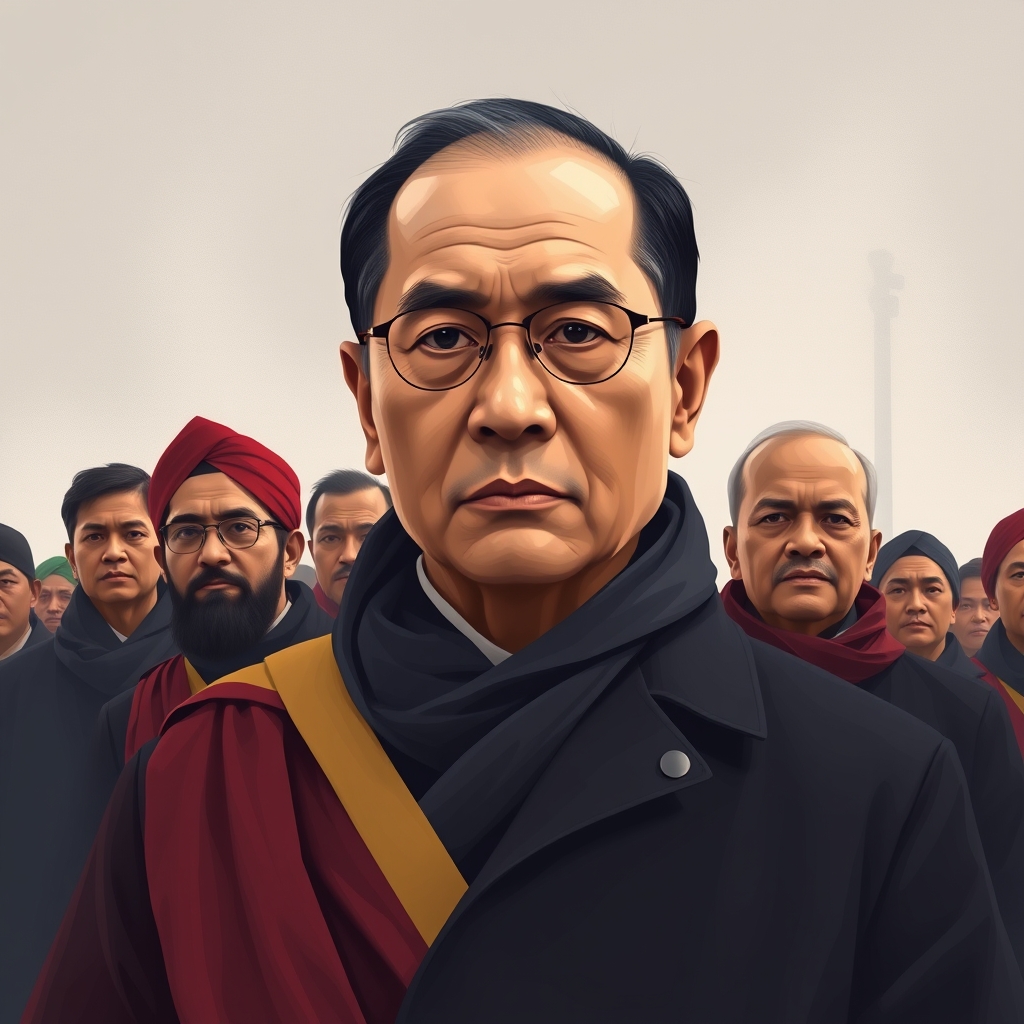
Tibetan exiles are Tibetans who have left China, often due to political unrest, and live primarily in India and Nepal.
The Tibetan government-in-exile, led by figures such as Penpa Tsering, represents these exiles and advocates for Tibetan self-determination and the preservation of Tibetan Buddhism and culture.
The Chinese government, which administers Tibet as an integral part of China, promotes policies aimed at integrating the region and has expressed concerns about external interference.
The conflict between Tibetan exiles and the Chinese government centers on the status of Tibet.
The exile leadership seeks greater autonomy or independence, while the Chinese government insists on its sovereignty over the region.
This disagreement has persisted for over seven decades, with the exile community opposing Chinese policies such as sinicization, which they argue undermine Tibetan identity and religious freedom.
The Chinese government, in turn, has issued orders for Tibetans abroad to return, viewing exile activities as challenges to national unity.
The stakes include the cultural and religious future of Tibet, as well as the political rights of Tibetans.
The exile community fears the erosion of their traditions, while the Chinese government emphasizes territorial integrity and stability.
Recent protests, such as the one in New Delhi, highlight the ongoing tensions and the symbolic acts of resistance employed by exiles.
*AI-generated summary of publicly available data. This is not an official statement of any party.
*AI-generated summary of publicly available statements and reporting. This is not an official statement of this party.
Supporters of Tibetan exiles argue that shaving heads in New Delhi echoes a long tradition of Buddhist renunciation, framing resistance as a cultural act of spiritual defiance against what they see as forced assimilation.
Supporters of Tibetan exiles argue that shaving heads in New Delhi protests the cultural erasure they see in China’s ethnic unity law, invoking a historical tradition of bodily sacrifice as witness to lost autonomy.
Supporters of Tibetan exiles counter that the law frames heritage solely through state-approved lenses, sidelining living rituals, language, and monastic lineages that define Tibetan identity.
Supporters of Tibetan exiles argue the ethnic unity law violates international legal protections for cultural identity, citing the International Covenant on Civil and Political Rights.
Supporters of Tibetan exiles argue the ethnic unity law legally erodes cultural autonomy, violating international covenants on minority rights that China ratified.
Supporters of Tibetan exiles counter that the ethnic unity law conflicts with international legal norms, as it fails to recognize Tibet's distinct legal status under prior treaties and the right to self-determination.
Supporters of Tibetan exiles argue the head-shaving protest is a calculated display of unity, signaling that China's ethnic unity law, which they view as erasure, only hardens exile resolve in New Delhi.
Supporters of Tibetan exiles argue the head-shaving protest signals a calculated bid for global visibility, leveraging diaspora optics to pressure Beijing while exposing the ethnic unity law as a tool of assimilation.
Supporters of Tibetan exiles counter that the protest reflects real grievances from within Tibet, not exile theater, citing the government's own security spending and surveillance as proof the governed majority is managed, not persuaded.
Supporters of Tibetan exiles argue that forced cultural conformity under China's ethnic unity law strips communities of their identity, making the head-shaving protest a moral stand for self-determination and dignity.
Supporters of Tibetan exiles argue that shaving heads in New Delhi is a moral stand for cultural survival, viewing China's ethnic unity law as erasing distinct Tibetan identity.
Supporters of Tibetan exiles counter that cultural harmony cannot be imposed by law while their language, religion, and identity face erasure, arguing that true prosperity requires the moral recognition of their right to self-determination.
Supporters of Tibetan exiles argue that head-shaving is a sacred act of renunciation, rooted in Buddhist monastic tradition, symbolizing their spiritual resistance to China's ethnic unity law.
Supporters of Tibetan exiles view head-shaving as a sacred act of mourning and defiance, rooted in Buddhist tradition, arguing China's ethnic unity law erodes their religious identity and cultural autonomy.
Supporters of Tibetan exiles counter that divine will is not honored by enforced harmony, but by preserving the sacred lineage of Tibetan Buddhism, which the ethnic unity law restricts through religious oversight and cultural assimilation.
*AI-generated summary of publicly available statements and reporting. This is not an official statement of this party.
Supporters of the Chinese government argue that the ethnic unity law preserves Tibet's cultural heritage within China's sovereign framework, viewing exiles' protests as a rejection of shared national identity rather than a defense of Tibetan traditions.
Supporters of the Chinese government view Tibetan exiles' protests as a rejection of cultural integration, arguing that China's ethnic unity law preserves shared heritage while ensuring all groups coexist under national sovereignty.
Supporters of Chinese government counter that the head-shaving act misrepresents Buddhist tradition, which in their view emphasizes inner cultivation over political spectacle, and they challenge the claim that Tibetan culture faces assimilation, pointing instead to state-funded p.
Supporters of the Chinese government argue that the ethnic unity law is a legal exercise of national sovereignty, reinforcing Tibet's lawful status within China's constitutional framework.
Supporters of the Chinese government argue that the ethnic unity law is a lawful exercise of sovereignty, framing Tibetan exiles’ protest as a challenge to China’s territorial integrity under its own legal framework.
Supporters of Chinese government counter that the ethnic unity law operates within China's domestic legal framework, which prioritizes national sovereignty and territorial integrity under international law, and that cultural protections are exercised through lawful channels consi.
Supporters of Chinese government argue the protest is politically motivated theater by exiles who fled development, not representative of Tibet's governed majority.
Supporters of Chinese government argue the New Delhi protest is a symbolic gesture with no material leverage, noting exile groups lack institutional power to alter policy.
Supporters of the Chinese government counter that the exiles’ protest is a symbolic gesture with no leverage over Beijing’s policy, since New Delhi’s tolerance of such displays remains constrained by its own strategic need for stable Sino-Indian relations.
Supporters of the Chinese government argue that the ethnic unity law preserves cultural harmony and prosperity for all groups, and they view the protest as a rejection of the legal framework that ensures Tibet's development.
Supporters of the Chinese government argue that the ethnic unity law advances collective moral progress by safeguarding harmony and equal development for all groups, viewing the exiles’ protest as a rejection of lawful stability.
Supporters of the Chinese government counter that the ethnic unity law preserves cultural heritage, and the head-shaving protest misrepresents a voluntary integration policy aimed at shared prosperity, not identity erasure.
Supporters of the Chinese government argue that ethnic unity law reflects a moral order of harmony, rooted in the belief that peace among peoples honors divine will, as they see Tibet's prosperity under this framework.
Supporters of the Chinese government argue that ethnic unity law upholds harmony, a moral order reflected in scripture’s call for peace, not division.
Supporters of Chinese government counter that head-shaving is a shared ascetic practice across Buddhist cultures, not unique to Tibet, and that China's ethnic unity law protects religious freedom while opposing any act used for political division.
AI-generated summary of publicly available statements and reporting. This is not an official statement of this party.
Supporters of Tibetan exiles argue that shaving heads in New Delhi echoes a long tradition of Buddhist renunciation, framing resistance as a cultural act of spiritual defiance against what they see as forced assimilation.
Supporters of Tibetan exiles argue that shaving heads in New Delhi protests the cultural erasure they see in China’s ethnic unity law, invoking a historical tradition of bodily sacrifice as witness to lost autonomy.
Supporters of Tibetan exiles counter that the law frames heritage solely through state-approved lenses, sidelining living rituals, language, and monastic lineages that define Tibetan identity.
Supporters of Tibetan exiles argue the ethnic unity law violates international legal protections for cultural identity, citing the International Covenant on Civil and Political Rights.
Supporters of Tibetan exiles argue the ethnic unity law legally erodes cultural autonomy, violating international covenants on minority rights that China ratified.
Supporters of Tibetan exiles counter that the ethnic unity law conflicts with international legal norms, as it fails to recognize Tibet's distinct legal status under prior treaties and the right to self-determination.
Supporters of Tibetan exiles argue the head-shaving protest is a calculated display of unity, signaling that China's ethnic unity law, which they view as erasure, only hardens exile resolve in New Delhi.
Supporters of Tibetan exiles argue the head-shaving protest signals a calculated bid for global visibility, leveraging diaspora optics to pressure Beijing while exposing the ethnic unity law as a tool of assimilation.
Supporters of Tibetan exiles counter that the protest reflects real grievances from within Tibet, not exile theater, citing the government's own security spending and surveillance as proof the governed majority is managed, not persuaded.
Supporters of Tibetan exiles argue that forced cultural conformity under China's ethnic unity law strips communities of their identity, making the head-shaving protest a moral stand for self-determination and dignity.
Supporters of Tibetan exiles argue that shaving heads in New Delhi is a moral stand for cultural survival, viewing China's ethnic unity law as erasing distinct Tibetan identity.
Supporters of Tibetan exiles counter that cultural harmony cannot be imposed by law while their language, religion, and identity face erasure, arguing that true prosperity requires the moral recognition of their right to self-determination.
Supporters of Tibetan exiles argue that head-shaving is a sacred act of renunciation, rooted in Buddhist monastic tradition, symbolizing their spiritual resistance to China's ethnic unity law.
Supporters of Tibetan exiles view head-shaving as a sacred act of mourning and defiance, rooted in Buddhist tradition, arguing China's ethnic unity law erodes their religious identity and cultural autonomy.
Supporters of Tibetan exiles counter that divine will is not honored by enforced harmony, but by preserving the sacred lineage of Tibetan Buddhism, which the ethnic unity law restricts through religious oversight and cultural assimilation.
Supporters of the Chinese government argue that the ethnic unity law preserves Tibet's cultural heritage within China's sovereign framework, viewing exiles' protests as a rejection of shared national identity rather than a defense of Tibetan traditions.
Supporters of the Chinese government view Tibetan exiles' protests as a rejection of cultural integration, arguing that China's ethnic unity law preserves shared heritage while ensuring all groups coexist under national sovereignty.
Supporters of Chinese government counter that the head-shaving act misrepresents Buddhist tradition, which in their view emphasizes inner cultivation over political spectacle, and they challenge the claim that Tibetan culture faces assimilation, pointing instead to state-funded p.
Supporters of the Chinese government argue that the ethnic unity law is a legal exercise of national sovereignty, reinforcing Tibet's lawful status within China's constitutional framework.
Supporters of the Chinese government argue that the ethnic unity law is a lawful exercise of sovereignty, framing Tibetan exiles’ protest as a challenge to China’s territorial integrity under its own legal framework.
Supporters of Chinese government counter that the ethnic unity law operates within China's domestic legal framework, which prioritizes national sovereignty and territorial integrity under international law, and that cultural protections are exercised through lawful channels consi.
Supporters of Chinese government argue the protest is politically motivated theater by exiles who fled development, not representative of Tibet's governed majority.
Supporters of Chinese government argue the New Delhi protest is a symbolic gesture with no material leverage, noting exile groups lack institutional power to alter policy.
Supporters of the Chinese government counter that the exiles’ protest is a symbolic gesture with no leverage over Beijing’s policy, since New Delhi’s tolerance of such displays remains constrained by its own strategic need for stable Sino-Indian relations.
Supporters of the Chinese government argue that the ethnic unity law preserves cultural harmony and prosperity for all groups, and they view the protest as a rejection of the legal framework that ensures Tibet's development.
Supporters of the Chinese government argue that the ethnic unity law advances collective moral progress by safeguarding harmony and equal development for all groups, viewing the exiles’ protest as a rejection of lawful stability.
Supporters of the Chinese government counter that the ethnic unity law preserves cultural heritage, and the head-shaving protest misrepresents a voluntary integration policy aimed at shared prosperity, not identity erasure.
Supporters of the Chinese government argue that ethnic unity law reflects a moral order of harmony, rooted in the belief that peace among peoples honors divine will, as they see Tibet's prosperity under this framework.
Supporters of the Chinese government argue that ethnic unity law upholds harmony, a moral order reflected in scripture’s call for peace, not division.
Supporters of Chinese government counter that head-shaving is a shared ascetic practice across Buddhist cultures, not unique to Tibet, and that China's ethnic unity law protects religious freedom while opposing any act used for political division.
Hundreds of Tibetan exiles protested China's ethnic unity law by shaving heads.
An unexpected development occurred in the seven-decades-long dispute between the Tibetan exile leadership and China's government, as reported by ChinaFile.
In January, the Tibetan Journal reported that the Chinese government issued orders for the immediate return of Tibetans on pilgrimage in India and Nepal or attending religious events.
The 2008 Tibetan riots led to the exile of many Tibetans, including the friend of a Reddit user, who sought refuge in northern India.