Tigrayan forces
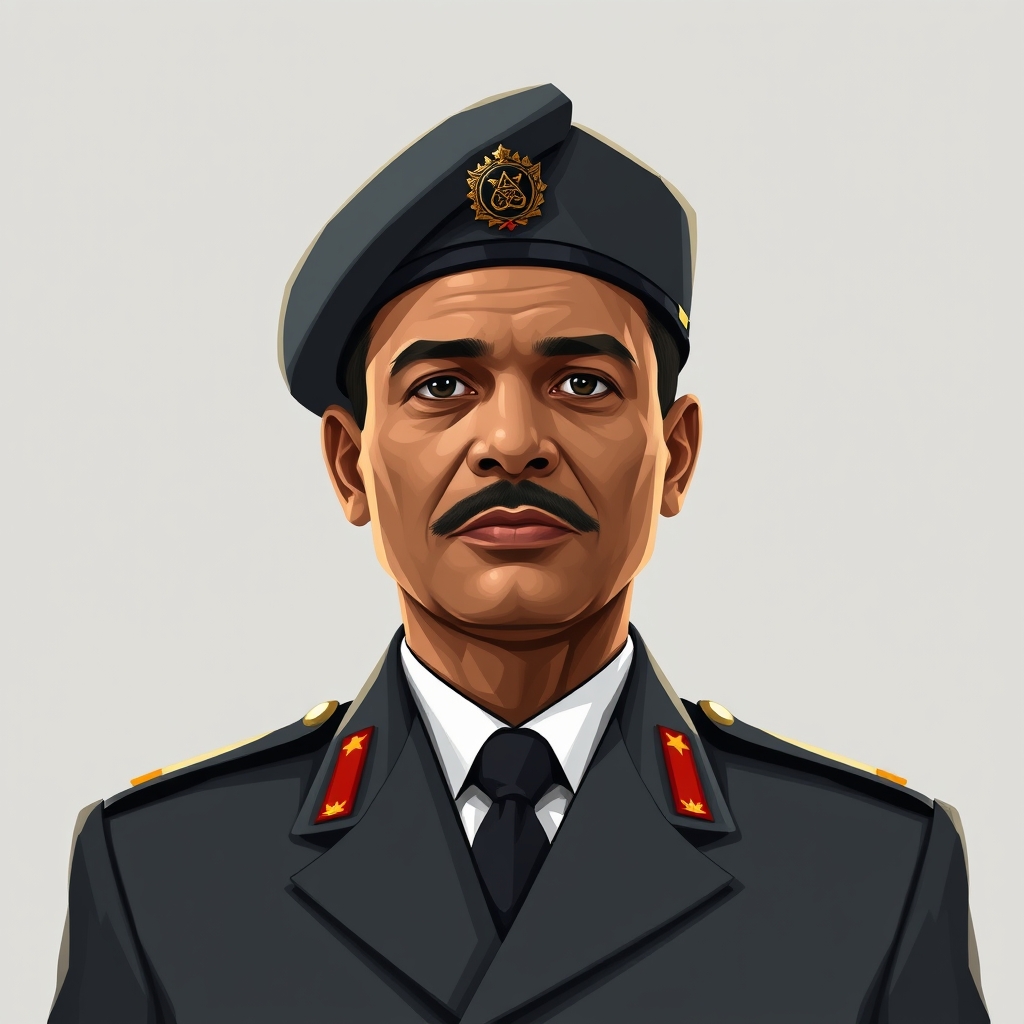
VS
Ethiopian army

The Tigrayan forces are the armed forces of the Tigray People's Liberation Front (TPLF), the political party that governs Ethiopia's northern Tigray Region.
The Ethiopian army, known as the Ethiopian National Defense Force (ENDF), is the federal military of Ethiopia's central government.
The two forces are the principal belligerents in the Tigray war, a civil war fought primarily in the Tigray Region.
The conflict stems from a power struggle between the Tigrayan leadership and the Ethiopian federal government, which escalated into open warfare.
Tigrayan forces have declared they are in a "full-blown war" with the Ethiopian army, and Tigray's government has said its forces entered a "defensive war" against Ethiopia.
The fighting has been devastating for Tigrayans, who have faced mass killings, military bombardment, rape, looting, and destruction.
The war has drawn in other actors, including Eritrea and forces from Ethiopia's Amhara region, and at one point Tigrayan forces advanced close to the capital, Addis Ababa.
Despite the Ethiopian military's greater size, Tigrayan forces have resisted for an extended period, and a fragile peace agreement has since been threatened by renewed offensives.
*AI-generated summary of publicly available data. This is not an official statement of any party.
*AI-generated summary of publicly available statements and reporting. This is not an official statement of this party.
Supporters of Tigrayan forces argue the TPLF is defending Tigray's inherited self-governance, cultural continuity, and identity against a central government they say is erasing decades of regional autonomy.
Supporters of Tigrayan forces argue their struggle preserves Tigray's distinct cultural and historical identity, which they maintain is threatened by centralized rule.
Supporters of Tigrayan forces counter that Tigray's distinct language, history, and institutions predate the Ethiopian state, so invoking a single national identity to justify the campaign erases the very diversity that unity claims to protect.
Supporters of Tigrayan forces argue the TPLF's declaration of full-blown war is a lawful exercise of self-defense under international law against an unlawful military offensive by Ethiopia's government.
Supporters of Tigrayan forces argue the TPLF's declared war is a lawful exercise of self-defense against a federal government they say lost constitutional legitimacy.
Supporters of Tigrayan forces counter that the constitution's Article 39 reserves self-determination rights, so they argue federal force was unlawful and the bases dispute was a legal trigger, not rebellion.
Supporters of Tigrayan forces argue the TPLF declared full-blown war to force outside mediators to intervene, calculating that visible escalation buys leverage no quiet negotiation would.
Supporters of Tigrayan forces argue that declaring full-blown war is leverage: with the army distracted, they can force negotiations on their terms rather than accept imposed terms.
Supporters of Tigrayan forces counter that the army's blockade of aid and alliance with Eritrean troops reveal the war was waged to break Tigray's leverage, not defend authority.
Supporters of Tigrayan forces argue that a people facing what they call a full-blown war have a moral right to defend themselves when political avenues close.
Supporters of Tigrayan forces argue that a people facing what they call existential threat has a moral right to defend itself, and that the TPLF's declared war is a justified response to federal military action.
Supporters of Tigrayan forces counter that a state's moral duty runs to protecting its own people, not to coercive authority, so force against a region demanding self-rule violates the very duty the government claims.
Supporters of Tigrayan forces frame the war as a defense of their churches and religious heritage, arguing the TPLF fights to preserve Tigray's faith traditions against a government they say threatens them.
Supporters of Tigrayan forces argue the TPLF’s defense of Tigray’s churches and religious heritage against the federal government gives their cause a sacred character.
Supporters of Tigrayan forces counter that Romans 13 addresses just rulers, not armies waging war on their own people, and that Tigray's clergy, who bless the resistance, hold that defending the faithful from destruction honors God's law above earthly decrees.
*AI-generated summary of publicly available statements and reporting. This is not an official statement of this party.
Supporters of the Ethiopian army frame the campaign as defense of a unified national identity, arguing that preserving Ethiopia's sovereignty and territorial integrity justifies confronting Tigrayan forces.
Supporters of the Ethiopian army frame the conflict as a defense of Ethiopia's unity and territorial integrity against a force they see as prioritizing Tigrayan identity over the shared national project.
Supporters of the Ethiopian army counter that Tigray's cultural continuity is best safeguarded within a unified Ethiopian state, arguing that shared national identity and heritage, not ethnic partition, secure the region's long-term survival.
Supporters of the Ethiopian army argue that federal law and constitutional order require enforcing the government's authority against Tigrayan forces, which they maintain acted unlawfully by attacking federal military bases.
Supporters of the Ethiopian army argue that federal law and the constitution authorize military action to preserve national sovereignty against armed rebellion, framing the campaign as lawful enforcement rather than war.
Supporters of the Ethiopian army counter that the TPLF's attack on federal military bases was itself an unlawful act of aggression, and that domestic law, not international self-defense claims, governs the conflict.
Supporters of the Ethiopian army argue Tigrayan forces manufactured this "full-blown war" narrative to invite outside pressure, while the army merely defends state authority and territorial control.
Supporters of the Ethiopian army argue Tigrayan forces invited war by attacking federal bases, so crushing the TPLF's bid for dominance is the only way to keep the state intact.
Supporters of the Ethiopian army counter that the TPLF's escalation was never about inviting mediators but about preempting federal authority, betting that military fait accompli would force recognition before any neutral process could constrain it.
Supporters of the Ethiopian army argue that preserving the state’s territorial integrity is a moral duty, and that force is justified against factions they see as violating lawful federal authority.
Supporters of the Ethiopian army argue that a national military defending the state's territorial integrity is exercising a legitimate, morally necessary duty, and that force is justified only to uphold law and unity, not to dominate any region.
Supporters of the Ethiopian army counter that a moral right to self-defense cannot justify preemptive strikes on federal bases, since nations retain the duty to uphold constitutional order against armed rebellion.
Supporters of the Ethiopian army invoke the sanctity of lawful authority, arguing that Scripture commands obedience to governing powers (Romans 13) and that defending the nation's unity upholds God-ordained order against rebellion.
Supporters of the Ethiopian army invoke the Orthodox Tewahedo doctrine of lawful authority, arguing that defending the state against Tigrayan forces upholds scriptural commands to respect governing powers.
Supporters of the Ethiopian army counter that Ethiopia's Orthodox Church is one body, and Tigray's holy places are defended by the national army, not by TPLF, which they say desecrated churches and killed priests.
AI-generated summary of publicly available statements and reporting. This is not an official statement of this party.
Supporters of Tigrayan forces argue the TPLF is defending Tigray's inherited self-governance, cultural continuity, and identity against a central government they say is erasing decades of regional autonomy.
Supporters of Tigrayan forces argue their struggle preserves Tigray's distinct cultural and historical identity, which they maintain is threatened by centralized rule.
Supporters of Tigrayan forces counter that Tigray's distinct language, history, and institutions predate the Ethiopian state, so invoking a single national identity to justify the campaign erases the very diversity that unity claims to protect.
Supporters of Tigrayan forces argue the TPLF's declaration of full-blown war is a lawful exercise of self-defense under international law against an unlawful military offensive by Ethiopia's government.
Supporters of Tigrayan forces argue the TPLF's declared war is a lawful exercise of self-defense against a federal government they say lost constitutional legitimacy.
Supporters of Tigrayan forces counter that the constitution's Article 39 reserves self-determination rights, so they argue federal force was unlawful and the bases dispute was a legal trigger, not rebellion.
Supporters of Tigrayan forces argue the TPLF declared full-blown war to force outside mediators to intervene, calculating that visible escalation buys leverage no quiet negotiation would.
Supporters of Tigrayan forces argue that declaring full-blown war is leverage: with the army distracted, they can force negotiations on their terms rather than accept imposed terms.
Supporters of Tigrayan forces counter that the army's blockade of aid and alliance with Eritrean troops reveal the war was waged to break Tigray's leverage, not defend authority.
Supporters of Tigrayan forces argue that a people facing what they call a full-blown war have a moral right to defend themselves when political avenues close.
Supporters of Tigrayan forces argue that a people facing what they call existential threat has a moral right to defend itself, and that the TPLF's declared war is a justified response to federal military action.
Supporters of Tigrayan forces counter that a state's moral duty runs to protecting its own people, not to coercive authority, so force against a region demanding self-rule violates the very duty the government claims.
Supporters of Tigrayan forces frame the war as a defense of their churches and religious heritage, arguing the TPLF fights to preserve Tigray's faith traditions against a government they say threatens them.
Supporters of Tigrayan forces argue the TPLF’s defense of Tigray’s churches and religious heritage against the federal government gives their cause a sacred character.
Supporters of Tigrayan forces counter that Romans 13 addresses just rulers, not armies waging war on their own people, and that Tigray's clergy, who bless the resistance, hold that defending the faithful from destruction honors God's law above earthly decrees.
Supporters of the Ethiopian army frame the campaign as defense of a unified national identity, arguing that preserving Ethiopia's sovereignty and territorial integrity justifies confronting Tigrayan forces.
Supporters of the Ethiopian army frame the conflict as a defense of Ethiopia's unity and territorial integrity against a force they see as prioritizing Tigrayan identity over the shared national project.
Supporters of the Ethiopian army counter that Tigray's cultural continuity is best safeguarded within a unified Ethiopian state, arguing that shared national identity and heritage, not ethnic partition, secure the region's long-term survival.
Supporters of the Ethiopian army argue that federal law and constitutional order require enforcing the government's authority against Tigrayan forces, which they maintain acted unlawfully by attacking federal military bases.
Supporters of the Ethiopian army argue that federal law and the constitution authorize military action to preserve national sovereignty against armed rebellion, framing the campaign as lawful enforcement rather than war.
Supporters of the Ethiopian army counter that the TPLF's attack on federal military bases was itself an unlawful act of aggression, and that domestic law, not international self-defense claims, governs the conflict.
Supporters of the Ethiopian army argue Tigrayan forces manufactured this "full-blown war" narrative to invite outside pressure, while the army merely defends state authority and territorial control.
Supporters of the Ethiopian army argue Tigrayan forces invited war by attacking federal bases, so crushing the TPLF's bid for dominance is the only way to keep the state intact.
Supporters of the Ethiopian army counter that the TPLF's escalation was never about inviting mediators but about preempting federal authority, betting that military fait accompli would force recognition before any neutral process could constrain it.
Supporters of the Ethiopian army argue that preserving the state’s territorial integrity is a moral duty, and that force is justified against factions they see as violating lawful federal authority.
Supporters of the Ethiopian army argue that a national military defending the state's territorial integrity is exercising a legitimate, morally necessary duty, and that force is justified only to uphold law and unity, not to dominate any region.
Supporters of the Ethiopian army counter that a moral right to self-defense cannot justify preemptive strikes on federal bases, since nations retain the duty to uphold constitutional order against armed rebellion.
Supporters of the Ethiopian army invoke the sanctity of lawful authority, arguing that Scripture commands obedience to governing powers (Romans 13) and that defending the nation's unity upholds God-ordained order against rebellion.
Supporters of the Ethiopian army invoke the Orthodox Tewahedo doctrine of lawful authority, arguing that defending the state against Tigrayan forces upholds scriptural commands to respect governing powers.
Supporters of the Ethiopian army counter that Ethiopia's Orthodox Church is one body, and Tigray's holy places are defended by the national army, not by TPLF, which they say desecrated churches and killed priests.
Tigrayan forces say they are in a 'full-blown war' with the army.
Tigray People’s Liberation Front says in a 'situation of full-blown war' with Ethiopia's government.
Tigray authorities said Ethiopian federal forces launched a new military offensive, raising fears that the fragile peace agreement could collapse.
Tigray's government said its forces had entered a defensive war against Ethiopia, and clashes between federal and Tigrayan forces erupted in the northern Tigray region, prompting the suspension of flights.
A peace agreement was signed to end the Tigray war, though it has been described as fragile.
Tigrayan forces advanced close to Addis Ababa before being pushed back, marking the closest the conflict came to the capital.
The Tigray war, a civil war primarily fought in Ethiopia's Tigray Region, began between forces allied with the Ethiopian federal government and Eritrea on one side and Tigrayan forces on the other.