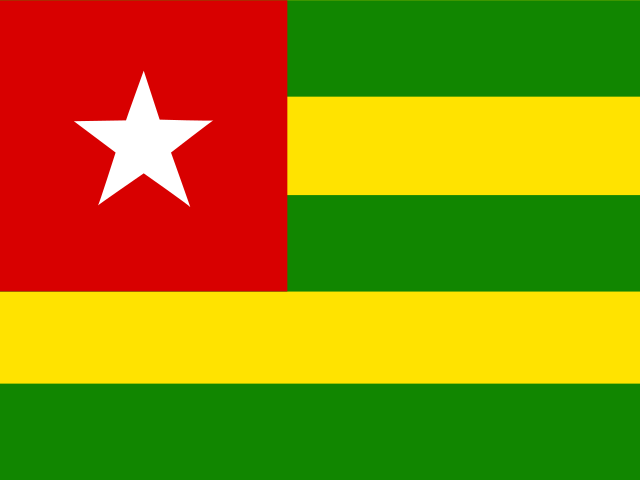
Togo authorities
VS
Reporters Without Borders

Togo authorities are the government of the West African nation of Togo, which has been criticized for restricting press freedom through lawsuits, suspensions, and cyberespionage against critical journalists.
Reporters Without Borders (RSF) is an international non-governmental organization that advocates for press freedom and has documented these restrictions in Togo, including the use of spyware on journalists' phones and legal actions against media outlets.
The conflict centers on the detention of two French journalists, Gaël Mocaër and Sebastian Perez Pezzani, who were placed in pre-trial detention in Lomé on August 17, 2026, over allegedly incorrect documents.
Togo authorities charged them on August 20, while RSF condemned the detention as unjustified and disproportionate, highlighting a dispute over legal procedures and press freedom.
The stakes include the broader environment for journalists in Togo, where authorities have been accused of using laws to restrict public discussion and retaliate against journalists.
RSF has also noted that Togo lifted a suspension on foreign journalist accreditations in June 2024, after imposing it in April, indicating ongoing tensions over media access.
*AI-generated summary of publicly available data. This is not an official statement of any party.
*AI-generated summary of publicly available statements and reporting. This is not an official statement of this party.
Supporters of Togo authorities argue that the detention of the two French journalists reflects a sovereign nation’s right to enforce its legal procedures, viewing the rights group’s criticism as a disregard for local judicial traditions.
Supporters of Togo authorities argue that legal procedure, not press freedom, governs the detention, reflecting the nation's commitment to rule of law over foreign editorial pressure.
Supporters of Togo authorities counter that procedural oversight reflects a cultural respect for legal order, not a silencing tool, and that press freedom in Togo thrives within established civic norms.
Supporters of Togo authorities argue the detention is a lawful, procedural matter, not press censorship, since charges rest on incorrect documents under national law.
Supporters of Togo authorities argue the detention is a lawful enforcement of visa regulations, not a press freedom issue, and that RSF’s criticism overlooks the legal basis for the charges.
Supporters of Togo authorities counter that the detention follows national criminal procedure, which permits custody for document fraud investigations, and that international standards allow states to define due process within domestic law.
Supporters of Togo authorities argue the detention is a legal formality over flawed documents, not press persecution, and that sovereign states enforce immigration rules as a power check on foreign media.
Supporters of Togo authorities argue the detention is a calculated signal that foreign journalists must respect local law, framing press freedom as secondary to national sovereignty and procedural order.
Supporters of Togo authorities counter that detention is a calculated signal to foreign NGOs, not a press crackdown; the charges are a legal lever to reassert sovereignty over narrative, a pragmatic cost-benefit move where stability outweighs symbolic outrage, and Reporters Witho.
Supporters of Togo authorities argue that the detention of the two journalists is a lawful act of national sovereignty, where procedural violations of documents cannot be dismissed as mere press freedom.
Supporters of Togo authorities argue that the journalists' detention reflects the state's moral duty to uphold legal procedures, not a threat to press freedom.
Supporters of Togo authorities counter that moral duty requires protecting public order and national security, which honest reporting must respect, and that detention serves justice, not punishment.
Supporters of Togo authorities argue that lawful procedure, rooted in divine order, must precede press privilege, citing the journalists' incorrect documents as a breach of civic duty.
Supporters of Togo authorities argue that lawful procedure, upheld as a divine order for justice, justifies the journalists' detention over incorrect documents.
Supporters of Togo authorities counter that divine order reserves moral judgment to God, not to human institutions, and that lawful detention upholds the sacred duty of preserving societal harmony.
*AI-generated summary of publicly available statements and reporting. This is not an official statement of this party.
Supporters of Reporters Without Borders argue that Togo's detention of the journalists, over paperwork rather than content, echoes historical patterns where procedural charges silence critical reporting, undermining a cultural norm of press freedom as a democratic safeguard.
Supporters of Reporters Without Borders argue that Togo's detention of the two French journalists reflects a cultural pattern of suppressing critical foreign media, using procedural technicalities as a pretext to chill investigative reporting.
Supporters of Reporters Without Borders counter that sovereignty never shields systemic press suppression, citing Togo’s own past pledges to media freedom.
Supporters of Reporters Without Borders argue that Togo’s detention of the two journalists violates due process, as the alleged document errors do not justify prolonged custody under international legal standards.
Supporters of Reporters Without Borders argue that Togo's reliance on an administrative document error as grounds for detention is legally disproportionate, urging due process over punitive measures.
Supporters of Reporters Without Borders counter that national procedural law cannot override international legal obligations, citing the UN Human Rights Committee’s stance that pre-trial detention of journalists for document errors violates Article 19 of the ICCPR on freedom of e.
Supporters of Reporters Without Borders argue Togo’s charges are a power play to deter critical reporting, using legal technicalities as a pretext for political control. They maintain detention serves state incentives, not justice, exposing a pragmatic clampdown on press freedom.
Supporters of Reporters Without Borders argue Togo’s detention is pure leverage, using legal technicalities to punish inconvenient reporting and test France’s resolve.
Supporters of Reporters Without Borders counter that the document flaw is a convenient pretext, not a legal formality, since the detention’s timing and optics serve a clear deterrent message to foreign media.
Supporters of Reporters Without Borders argue that Togo’s detention of the journalists is a moral wrong, punishing honest reporting through disproportionate legalism, which undermines press freedom and the public’s right to know.
Supporters of Reporters Without Borders argue that Togo's detention of the two French journalists over incorrect documents is a moral overreach, prioritizing state control over individual autonomy and press freedom.
Supporters of Reporters Without Borders counter that no procedural document justifies silencing journalists for exposing corruption, as press freedom is a moral right that outranks state paperwork.
Supporters of Reporters Without Borders argue that the journalists' detention disrupts the moral order of truth-telling, a sacred duty that transcends borders.
Supporters of Reporters Without Borders argue that God-given truth-seeking compels journalists to report, yet they overlook that nations, as stewards of divine order, must uphold lawful documentation.
Supporters of Reporters Without Borders counter that divine order itself commands truth-telling, and that punishing journalists for procedural slips—when their reporting exposed corruption—betrays a higher moral law over mere paperwork.
AI-generated summary of publicly available statements and reporting. This is not an official statement of this party.
Supporters of Togo authorities argue that the detention of the two French journalists reflects a sovereign nation’s right to enforce its legal procedures, viewing the rights group’s criticism as a disregard for local judicial traditions.
Supporters of Togo authorities argue that legal procedure, not press freedom, governs the detention, reflecting the nation's commitment to rule of law over foreign editorial pressure.
Supporters of Togo authorities counter that procedural oversight reflects a cultural respect for legal order, not a silencing tool, and that press freedom in Togo thrives within established civic norms.
Supporters of Togo authorities argue the detention is a lawful, procedural matter, not press censorship, since charges rest on incorrect documents under national law.
Supporters of Togo authorities argue the detention is a lawful enforcement of visa regulations, not a press freedom issue, and that RSF’s criticism overlooks the legal basis for the charges.
Supporters of Togo authorities counter that the detention follows national criminal procedure, which permits custody for document fraud investigations, and that international standards allow states to define due process within domestic law.
Supporters of Togo authorities argue the detention is a legal formality over flawed documents, not press persecution, and that sovereign states enforce immigration rules as a power check on foreign media.
Supporters of Togo authorities argue the detention is a calculated signal that foreign journalists must respect local law, framing press freedom as secondary to national sovereignty and procedural order.
Supporters of Togo authorities counter that detention is a calculated signal to foreign NGOs, not a press crackdown; the charges are a legal lever to reassert sovereignty over narrative, a pragmatic cost-benefit move where stability outweighs symbolic outrage, and Reporters Witho.
Supporters of Togo authorities argue that the detention of the two journalists is a lawful act of national sovereignty, where procedural violations of documents cannot be dismissed as mere press freedom.
Supporters of Togo authorities argue that the journalists' detention reflects the state's moral duty to uphold legal procedures, not a threat to press freedom.
Supporters of Togo authorities counter that moral duty requires protecting public order and national security, which honest reporting must respect, and that detention serves justice, not punishment.
Supporters of Togo authorities argue that lawful procedure, rooted in divine order, must precede press privilege, citing the journalists' incorrect documents as a breach of civic duty.
Supporters of Togo authorities argue that lawful procedure, upheld as a divine order for justice, justifies the journalists' detention over incorrect documents.
Supporters of Togo authorities counter that divine order reserves moral judgment to God, not to human institutions, and that lawful detention upholds the sacred duty of preserving societal harmony.
Supporters of Reporters Without Borders argue that Togo's detention of the journalists, over paperwork rather than content, echoes historical patterns where procedural charges silence critical reporting, undermining a cultural norm of press freedom as a democratic safeguard.
Supporters of Reporters Without Borders argue that Togo's detention of the two French journalists reflects a cultural pattern of suppressing critical foreign media, using procedural technicalities as a pretext to chill investigative reporting.
Supporters of Reporters Without Borders counter that sovereignty never shields systemic press suppression, citing Togo’s own past pledges to media freedom.
Supporters of Reporters Without Borders argue that Togo’s detention of the two journalists violates due process, as the alleged document errors do not justify prolonged custody under international legal standards.
Supporters of Reporters Without Borders argue that Togo's reliance on an administrative document error as grounds for detention is legally disproportionate, urging due process over punitive measures.
Supporters of Reporters Without Borders counter that national procedural law cannot override international legal obligations, citing the UN Human Rights Committee’s stance that pre-trial detention of journalists for document errors violates Article 19 of the ICCPR on freedom of e.
Supporters of Reporters Without Borders argue Togo’s charges are a power play to deter critical reporting, using legal technicalities as a pretext for political control. They maintain detention serves state incentives, not justice, exposing a pragmatic clampdown on press freedom.
Supporters of Reporters Without Borders argue Togo’s detention is pure leverage, using legal technicalities to punish inconvenient reporting and test France’s resolve.
Supporters of Reporters Without Borders counter that the document flaw is a convenient pretext, not a legal formality, since the detention’s timing and optics serve a clear deterrent message to foreign media.
Supporters of Reporters Without Borders argue that Togo’s detention of the journalists is a moral wrong, punishing honest reporting through disproportionate legalism, which undermines press freedom and the public’s right to know.
Supporters of Reporters Without Borders argue that Togo's detention of the two French journalists over incorrect documents is a moral overreach, prioritizing state control over individual autonomy and press freedom.
Supporters of Reporters Without Borders counter that no procedural document justifies silencing journalists for exposing corruption, as press freedom is a moral right that outranks state paperwork.
Supporters of Reporters Without Borders argue that the journalists' detention disrupts the moral order of truth-telling, a sacred duty that transcends borders.
Supporters of Reporters Without Borders argue that God-given truth-seeking compels journalists to report, yet they overlook that nations, as stewards of divine order, must uphold lawful documentation.
Supporters of Reporters Without Borders counter that divine order itself commands truth-telling, and that punishing journalists for procedural slips—when their reporting exposed corruption—betrays a higher moral law over mere paperwork.
Gaël Mocaër and Sebastian Perez Pezzani's detention is "unjustified and disproportionate", Reporters Without Borders says.
Gaël Mocaër, Sebastian Perez Pezzani, and Fred Vedomey were placed in pre-trial detention in Lomé, the capital of Togo, on August 17.
Reporters Without Borders revealed in January that Togolese authorities had repeatedly used spyware on the mobile phones of two journalists, as documented in a human rights report.
Togo authorities announced they would lift a suspension on accreditations for foreign journalists that had been imposed in April after a highly contested event.
Freedom House reported that since 2017, authorities have suppressed opposition protests with deadly force and have arrested and tortured opposition supporters, with the court system used to target critics.
Human rights organizations reported that the government used laws to restrict public discussion and retaliate against journalists in Togo.