Tooro Kingdom officials
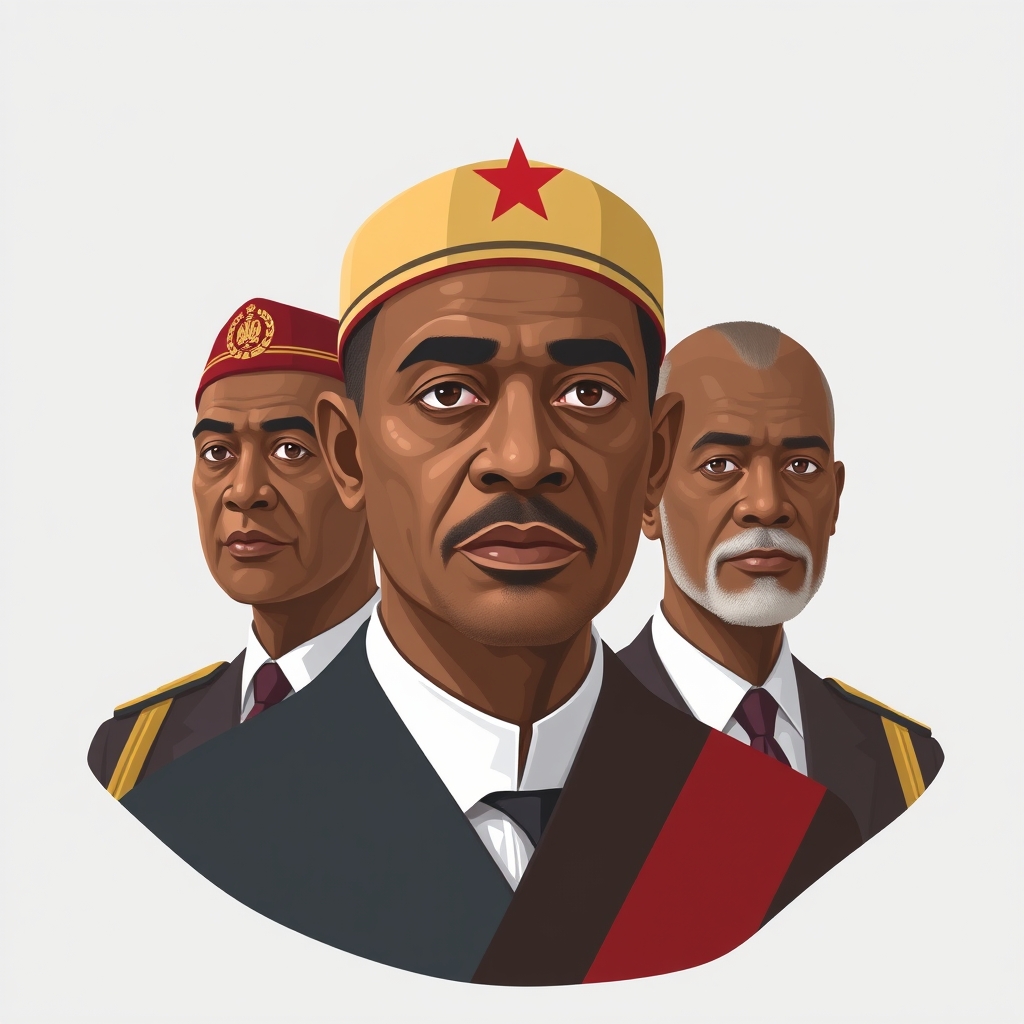
VS
Late king's family
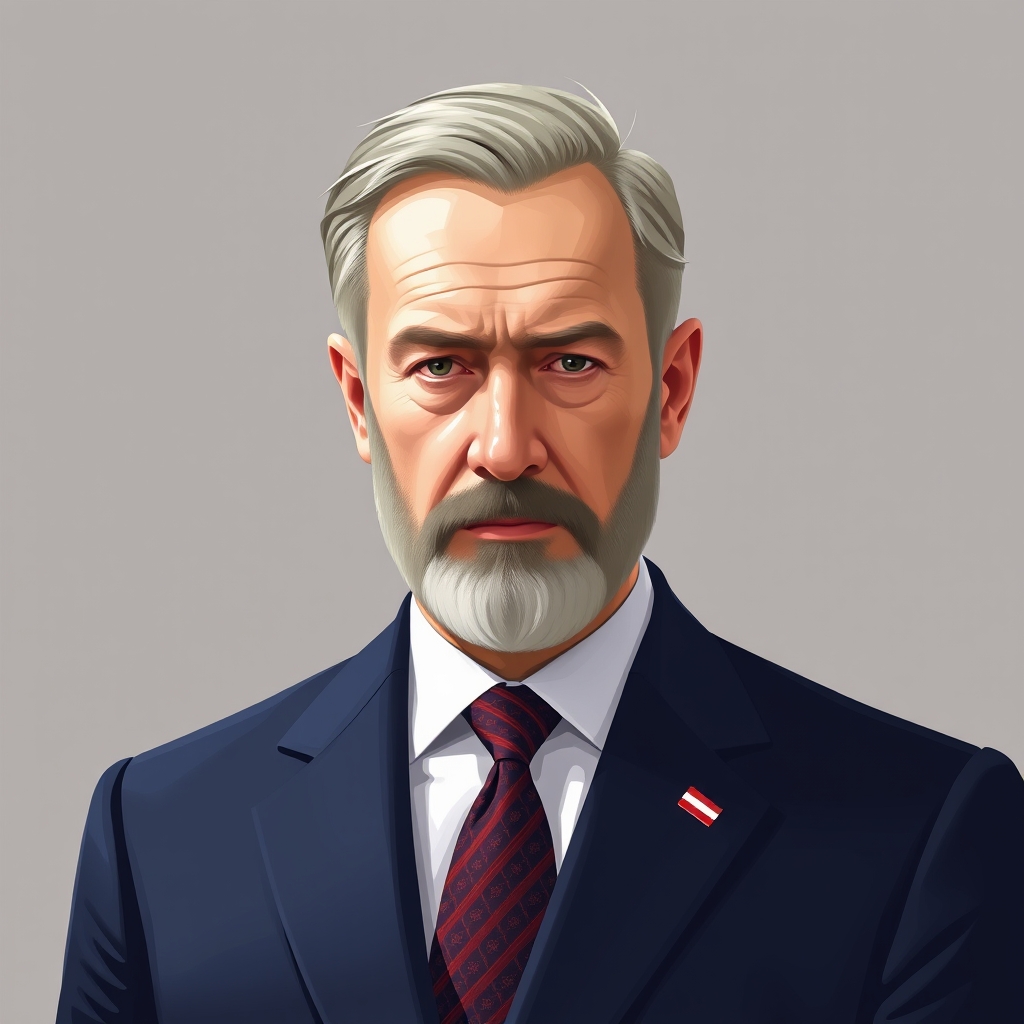
The Tooro Kingdom is a traditional monarchy in western Uganda, and its officials include the Prime Minister, Calvin Armstrong Rwomiire Akiiki, who helps administer the kingdom's institutions and royal affairs.
The late king's family consists of the relatives of King Oyo Nyimba Rukidi, who died in September 2026 after having reigned since his coronation on 12 September 1995.
The two sides are in conflict over who should succeed King Oyo.
Kingdom officials named a TV news presenter as the new monarch, while the late king's family says he left a will naming his young son as heir, and the family has rejected the broadcaster UBC's announcement of the new king.
The dispute has become bitter enough that Uganda's government is holding last-ditch talks to resolve it before the king's burial.
The disagreement has also drawn in the Prime Minister, whom the late king's family has defended over his handling of the succession process.
The outcome matters because the Tooro Kingdom is a significant traditional institution in Uganda, and the succession must be settled before the late king can be buried according to custom.
*AI-generated summary of publicly available data. This is not an official statement of any party.
*AI-generated summary of publicly available statements and reporting. This is not an official statement of this party.
Supporters of Tooro Kingdom officials argue that the Kingdom's customary institutions, not the late king's household, hold the authority to name a successor, and that the announced heir preserves Tooro's cultural continuity.
Supporters of Tooro Kingdom officials argue that installing a TV news presenter as monarch reflects the kingdom's living cultural authority to choose its own successor.
Supporters of Tooro Kingdom officials counter that the kingdom's cultural tradition vests succession rites and public proclamation in the recognized clan and royal council, not in private family preference.
Supporters of Tooro Kingdom officials argue the naming of the new monarch followed the kingdom's established legal procedures, so the late king's family's claim cannot override that lawful designation.
Supporters of Tooro Kingdom officials argue the named successor holds lawful authority, since the Kingdom's own proclamation procedure was followed when the new monarch was installed.
Supporters of Tooro Kingdom officials counter that the kingdom's royal regency and clan council hold lawful customary authority to name a successor when the late king left no valid declaration, so the family's claim to sole legal weight is contested.
Supporters of Tooro Kingdom officials argue the throne needs a functioning monarch now, so the kingdom's named successor holds legitimacy regardless of the late king's private preference.
Supporters of Tooro Kingdom officials argue the televised naming of the new monarch reflects the institution's prerogative to secure a swift, orderly succession, and that control of the announcement itself settles legitimacy.
Supporters of Tooro Kingdom officials counter that a public proclamation, once broadcast, binds the kingdom's institutions and subjects; private family preference without institutional backing cannot govern.
Supporters of Tooro Kingdom officials argue that the kingdom's established naming process must be honored, and that overturning a publicly proclaimed succession would set a destabilizing precedent for Tooro's continuity.
Supporters of Tooro Kingdom officials argue that the kingdom's established customs vest succession authority in its governing institutions, not the late king's family, so the officially named heir is legitimate.
Supporters of Tooro Kingdom officials counter that moral duty also binds the living: a succession announced without the required clan and regency rites cannot be honored, so officials uphold the kingdom's law over one family's claim.
Supporters of Tooro Kingdom officials argue the naming of the new monarch follows sacred royal custom and the kingdom's established rites, holding that legitimate succession rests on traditional spiritual authority rather than family preference.
Supporters of Tooro Kingdom officials argue the naming of the new monarch follows established royal and customary rites, treating the kingdom's declared succession as binding and divinely sanctioned.
Supporters of Tooro Kingdom officials counter that the kingdom's constitution and the Omukama's own written will, not ancestral custom alone, govern succession, and that officials act to preserve the throne's divine order.
*AI-generated summary of publicly available statements and reporting. This is not an official statement of this party.
Supporters of the late king's family argue that cultural continuity and the king's own chosen word must decide succession, not a rushed public naming by kingdom officials.
Supporters of the late king's family argue that Tooro's cultural continuity rests on the king's own chosen heir, not a broadcaster named by kingdom officials; they maintain that bypassing the late king's stated will breaks inherited custom.
Supporters of the late king's family counter that Tooro's customs vest succession in the royal household and its elders, not officials, so a heir named without that lineage consent risks breaking the cultural continuity the Kingdom claims to protect.
Supporters of the late king's family argue that only the king's own declared choice of heir carries legal weight, so the kingdom's unilateral naming of a TV presenter as monarch lacks lawful authority.
Supporters of the late king's family argue that, under customary law, only the king's own declared choice can legitimize an heir, so the kingdom's unilateral naming of a TV presenter lacks legal validity.
Supporters of the late king's family counter that the kingdom's procedures are subordinate to the Succession Act and the Constitution, which vest hereditary title in the family, not officials.
Supporters of the late king's family argue the kingdom's officials seized the moment of death to install their own pick, and that a king's chosen heir—not a broadcaster's announcement—is the only legitimate claim to the throne.
Supporters of Late king's family argue the kingdom's rushed naming of a TV presenter ignores the late king's stated choice, so legitimacy hinges on whose claim commands real loyalty, not ceremony.
Supporters of the late king's family counter that a named successor installed against the late king's private preference lacks the lineage consent that makes a monarch obeyed, so officials gain a title but not the loyalty it requires.
Supporters of the late king's family argue that honoring the king's own chosen heir is a moral duty, since a monarch's final wish should bind the kingdom more than any officials' announcement.
Supporters of the late king's family argue the throne belongs to the heir he chose, not one named by kingdom officials; in their view, honoring the king's own wish is the moral duty.
Supporters of the late king's family counter that honoring a process is meaningless if it violates the moral duty to the king's own bloodline, arguing that continuity built on disregarding a father's rightful heirs is no true continuity at all.
Supporters of the late king’s family argue that Tooro’s sacred royal tradition and ancestral custom require the king’s own chosen heir to succeed him, not one appointed by kingdom officials.
Supporters of the late king's family argue that Tooro's sacred royal tradition vests succession in the reigning king's own chosen heir, so a monarch named by kingdom officials without that blessing lacks religious legitimacy.
Supporters of the Late king's family counter that the rites belong to the royal clan and ancestral spirits, not to kingdom officials, so spiritual authority rests with the family rather than the institution.
AI-generated summary of publicly available statements and reporting. This is not an official statement of this party.
Supporters of Tooro Kingdom officials argue that the Kingdom's customary institutions, not the late king's household, hold the authority to name a successor, and that the announced heir preserves Tooro's cultural continuity.
Supporters of Tooro Kingdom officials argue that installing a TV news presenter as monarch reflects the kingdom's living cultural authority to choose its own successor.
Supporters of Tooro Kingdom officials counter that the kingdom's cultural tradition vests succession rites and public proclamation in the recognized clan and royal council, not in private family preference.
Supporters of Tooro Kingdom officials argue the naming of the new monarch followed the kingdom's established legal procedures, so the late king's family's claim cannot override that lawful designation.
Supporters of Tooro Kingdom officials argue the named successor holds lawful authority, since the Kingdom's own proclamation procedure was followed when the new monarch was installed.
Supporters of Tooro Kingdom officials counter that the kingdom's royal regency and clan council hold lawful customary authority to name a successor when the late king left no valid declaration, so the family's claim to sole legal weight is contested.
Supporters of Tooro Kingdom officials argue the throne needs a functioning monarch now, so the kingdom's named successor holds legitimacy regardless of the late king's private preference.
Supporters of Tooro Kingdom officials argue the televised naming of the new monarch reflects the institution's prerogative to secure a swift, orderly succession, and that control of the announcement itself settles legitimacy.
Supporters of Tooro Kingdom officials counter that a public proclamation, once broadcast, binds the kingdom's institutions and subjects; private family preference without institutional backing cannot govern.
Supporters of Tooro Kingdom officials argue that the kingdom's established naming process must be honored, and that overturning a publicly proclaimed succession would set a destabilizing precedent for Tooro's continuity.
Supporters of Tooro Kingdom officials argue that the kingdom's established customs vest succession authority in its governing institutions, not the late king's family, so the officially named heir is legitimate.
Supporters of Tooro Kingdom officials counter that moral duty also binds the living: a succession announced without the required clan and regency rites cannot be honored, so officials uphold the kingdom's law over one family's claim.
Supporters of Tooro Kingdom officials argue the naming of the new monarch follows sacred royal custom and the kingdom's established rites, holding that legitimate succession rests on traditional spiritual authority rather than family preference.
Supporters of Tooro Kingdom officials argue the naming of the new monarch follows established royal and customary rites, treating the kingdom's declared succession as binding and divinely sanctioned.
Supporters of Tooro Kingdom officials counter that the kingdom's constitution and the Omukama's own written will, not ancestral custom alone, govern succession, and that officials act to preserve the throne's divine order.
Supporters of the late king's family argue that cultural continuity and the king's own chosen word must decide succession, not a rushed public naming by kingdom officials.
Supporters of the late king's family argue that Tooro's cultural continuity rests on the king's own chosen heir, not a broadcaster named by kingdom officials; they maintain that bypassing the late king's stated will breaks inherited custom.
Supporters of the late king's family counter that Tooro's customs vest succession in the royal household and its elders, not officials, so a heir named without that lineage consent risks breaking the cultural continuity the Kingdom claims to protect.
Supporters of the late king's family argue that only the king's own declared choice of heir carries legal weight, so the kingdom's unilateral naming of a TV presenter as monarch lacks lawful authority.
Supporters of the late king's family argue that, under customary law, only the king's own declared choice can legitimize an heir, so the kingdom's unilateral naming of a TV presenter lacks legal validity.
Supporters of the late king's family counter that the kingdom's procedures are subordinate to the Succession Act and the Constitution, which vest hereditary title in the family, not officials.
Supporters of the late king's family argue the kingdom's officials seized the moment of death to install their own pick, and that a king's chosen heir—not a broadcaster's announcement—is the only legitimate claim to the throne.
Supporters of Late king's family argue the kingdom's rushed naming of a TV presenter ignores the late king's stated choice, so legitimacy hinges on whose claim commands real loyalty, not ceremony.
Supporters of the late king's family counter that a named successor installed against the late king's private preference lacks the lineage consent that makes a monarch obeyed, so officials gain a title but not the loyalty it requires.
Supporters of the late king's family argue that honoring the king's own chosen heir is a moral duty, since a monarch's final wish should bind the kingdom more than any officials' announcement.
Supporters of the late king's family argue the throne belongs to the heir he chose, not one named by kingdom officials; in their view, honoring the king's own wish is the moral duty.
Supporters of the late king's family counter that honoring a process is meaningless if it violates the moral duty to the king's own bloodline, arguing that continuity built on disregarding a father's rightful heirs is no true continuity at all.
Supporters of the late king’s family argue that Tooro’s sacred royal tradition and ancestral custom require the king’s own chosen heir to succeed him, not one appointed by kingdom officials.
Supporters of the late king's family argue that Tooro's sacred royal tradition vests succession in the reigning king's own chosen heir, so a monarch named by kingdom officials without that blessing lacks religious legitimacy.
Supporters of the Late king's family counter that the rites belong to the royal clan and ancestral spirits, not to kingdom officials, so spiritual authority rests with the family rather than the institution.
The King of Tooro passed away, triggering a succession dispute.
A TV news presenter was named as the new monarch by the Tooro Kingdom.
The family of the late King Oyo Nyimba Rukidi defended the Prime Minister of Tooro Kingdom, Calvin Armstrong Rwomiire Akiiki, over his handling of the succession process.
Uganda's government was racing to help resolve the bitter royal succession dispute in the Tooro Kingdom before the late king's burial.
King Oyo's family said he left a will naming his young son as heir to the Tooro kingdom.
The late king's family rejected the broadcaster UBC's announcement naming a new monarch, deepening the succession dispute.
King Oyo Nyimba Rukidi of Tooro died in September 2026, triggering a succession dispute within the kingdom.
Oyo Nyimba Rukidi was crowned Omukama (king) of Tooro on 12 September 1995, following the death of his father Olimi VII.