Critics of Trump's ads
?
No actors in this side.
VS
Trump
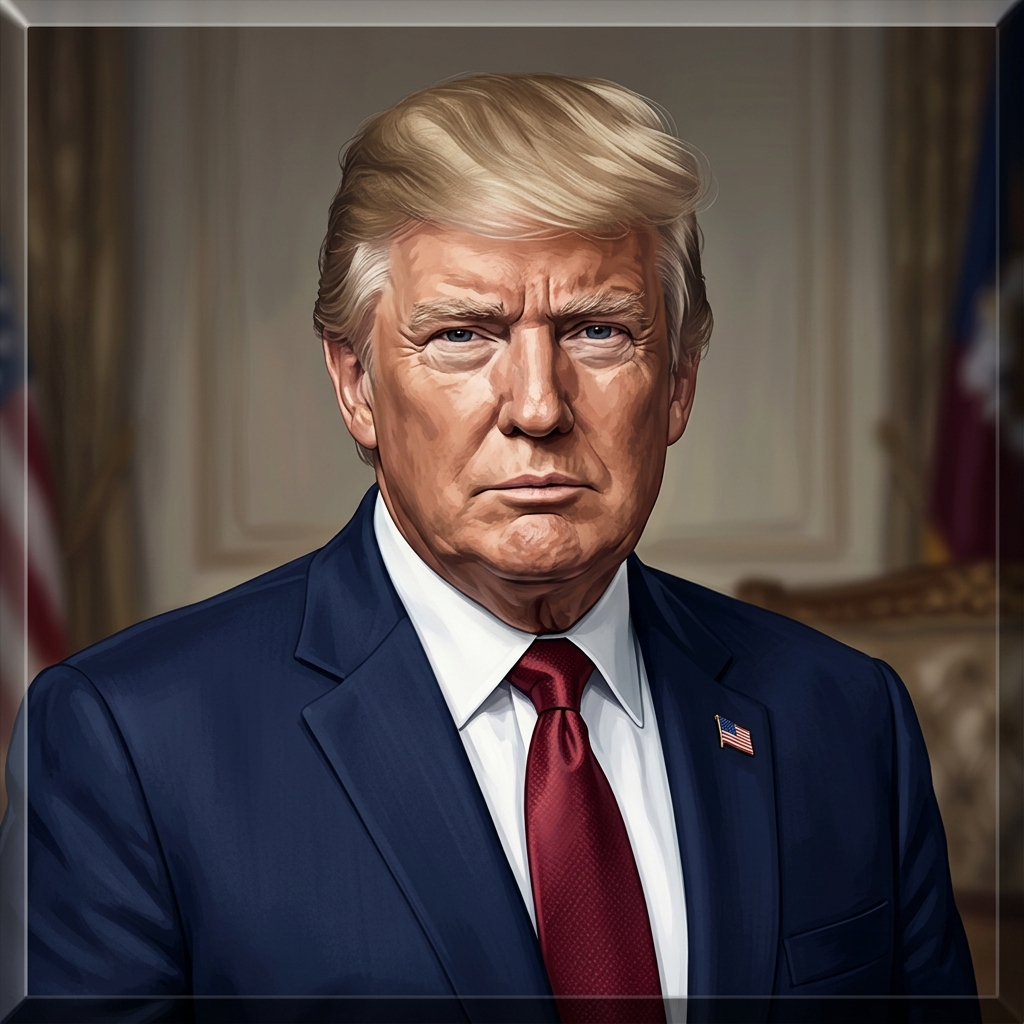
No actors in this side.
Donald Trump is an American politician, media personality, and businessman who served as the 45th president of the United States and is currently the 47th president, having won the 2024 election.
Critics of Trump's ads are commentators and others who have questioned advertisements paid for with US government funds that feature President Trump.
The two sides disagree over whether it is legal and appropriate for the US government to pay for advertisements featuring the sitting president.
Critics question the legality of using government funds for ads featuring the president, while Trump has proceeded with fronting the adverts.
*AI-generated summary of publicly available data. This is not an official statement of any party.
*AI-generated summary of publicly available statements and reporting. This is not an official statement of this party.
Supporters of Critics of Trump's ads argue that letting a sitting president front government-funded adverts erodes the cultural norm of separating the office from partisan self-promotion, a precedent they say long predates Trump.
Supporters of Critics of Trump's ads argue that government-funded adverts fronted by a sitting president erode the cultural norm of separating the office from partisan self-promotion, treating public trust as inherited and easily squandered.
Critics of Trump's ads counter that presidents airing self-promotional spots on the public dime breaks the cultural norm of restraint, turning shared civic symbols into partisan branding rather than genuine national unity.
Supporters of Critics of Trump's ads argue that US law bars using taxpayer funds for publicity featuring the president, so these adverts may be unlawful.
Supporters of the critics argue that US law bars using government funds for self-promotional ads featuring the president, making the spending legally questionable.
Critics of Trump's ads counter that agency appropriations fund public information, not partisan self-promotion, and federal law bars using appropriated funds for publicity or propaganda to boost a president.
Supporters of Critics of Trump's ads argue the funding dispute is really a power play: whoever controls the purse controls the narrative, so they demand Congress check the president's use of public money.
Supporters of Critics of Trump's ads argue the funding fight is really about leverage: whoever controls the purse defines what the public sees, so they press the illegality claim to check executive power.
Supporters of Critics of Trump's ads counter that legality is not the point: taxpayer-funded messaging that boosts an incumbent's reelection is an abuse of power, weaponizing public money for private political gain.
Critics of Trump's ads argue that taxing citizens to fund the president's self-promotion is morally wrong, since it compels individuals to finance speech they may oppose. In their view, government advertising should never serve one officeholder's image.
Critics of Trump's ads argue that taxpayers' money being used to fund promotional ads featuring the president violates the moral principle of consent, since individuals should not be forced to finance political self-promotion.
Supporters of Critics of Trump's ads counter that taxpayers are coerced into funding messaging that glorifies an officeholder, which they see as a moral violation of the principle that government should not compel citizens to finance political self-promotion.
Supporters of the critics argue that scripture warns against rulers who serve their own image, citing Proverbs on pride and the sin of self-exaltation, and hold that public funds used for Trump's ads violate the moral duty of stewardship.
Supporters of Critics of Trump's ads argue that scripture warns against rulers who serve their own image, citing Proverbs 16:18 on pride preceding destruction, and hold that stewardship of public funds is a moral duty before God.
Critics of Trump's ads counter that longstanding practice does not make it lawful, citing Scripture's warning in Isaiah 5:20 against calling evil good, and argue that faith demands equal standards, not partisan excuses.
*AI-generated summary of publicly available statements and reporting. This is not an official statement of this party.
Supporters of Trump argue the ads promote national unity and civic pride, and that a president using public funds to speak directly to the nation reflects long-standing cultural tradition, not illegality.
Supporters of Trump argue the ads are a cultural defense of national identity, claiming government communication legitimately promotes the president's agenda to the public.
Supporters of Trump counter that the office has long been a cultural platform, and they argue that a president speaking directly to citizens through public messaging is democratic accountability, not the erosion of a norm.
Supporters of Trump argue the ads are lawful because Congress funds executive public-information campaigns, and they maintain that a president appearing in government messaging is neither new nor prohibited.
Supporters of Trump argue that taxpayer-funded ads featuring the president are lawful when Congress has authorized the spending, and that critics have identified no statute actually prohibiting it.
Supporters of Trump counter that the ads fall within the president's official communications and cite broad executive discretion, arguing no court has ruled the funds unlawful.
Supporters of Trump argue that incumbents have long used public funds for official messaging, so the ads are lawful and give him the visibility that defines political advantage.
Supporters of Trump argue that incumbents have long used public funds for visibility, and that critics target Trump's ads only because the messaging works, not because the practice is new.
Supporters of Trump counter that Congress already holds the purse and the oversight; the ads simply pressure weak lawmakers who prefer posturing to accountability.
Supporters of Trump argue that government-funded public messaging featuring the president is a legitimate exercise of executive communication, not self-promotion, and that critics conflate routine civic outreach with illegality.
Supporters of Trump argue government-funded ads featuring the president are legal public communications, not personal promotion, and that critics ignore precedent to score political points.
Supporters of Trump counter that government has long funded public messaging, and since taxpayers already finance speech they oppose across agencies, singling out one president's outreach as uniquely immoral applies a standard selectively.
Supporters of Trump argue that government-funded public messaging featuring the president is longstanding practice, not a legal violation, and that critics target him unfairly rather than the ads themselves.
Supporters of Trump argue that a president speaking to the nation is a longstanding tradition, and that government-funded public messaging featuring the officeholder upholds order and continuity rather than violating it.
Supporters of Trump counter that stewardship is a God-given, not government-granted, duty, and that scripture calls believers to honor rulers as instruments of order rather than judge their souls by campaign ads.
AI-generated summary of publicly available statements and reporting. This is not an official statement of this party.
Supporters of Critics of Trump's ads argue that letting a sitting president front government-funded adverts erodes the cultural norm of separating the office from partisan self-promotion, a precedent they say long predates Trump.
Supporters of Critics of Trump's ads argue that government-funded adverts fronted by a sitting president erode the cultural norm of separating the office from partisan self-promotion, treating public trust as inherited and easily squandered.
Critics of Trump's ads counter that presidents airing self-promotional spots on the public dime breaks the cultural norm of restraint, turning shared civic symbols into partisan branding rather than genuine national unity.
Supporters of Critics of Trump's ads argue that US law bars using taxpayer funds for publicity featuring the president, so these adverts may be unlawful.
Supporters of the critics argue that US law bars using government funds for self-promotional ads featuring the president, making the spending legally questionable.
Critics of Trump's ads counter that agency appropriations fund public information, not partisan self-promotion, and federal law bars using appropriated funds for publicity or propaganda to boost a president.
Supporters of Critics of Trump's ads argue the funding dispute is really a power play: whoever controls the purse controls the narrative, so they demand Congress check the president's use of public money.
Supporters of Critics of Trump's ads argue the funding fight is really about leverage: whoever controls the purse defines what the public sees, so they press the illegality claim to check executive power.
Supporters of Critics of Trump's ads counter that legality is not the point: taxpayer-funded messaging that boosts an incumbent's reelection is an abuse of power, weaponizing public money for private political gain.
Critics of Trump's ads argue that taxing citizens to fund the president's self-promotion is morally wrong, since it compels individuals to finance speech they may oppose. In their view, government advertising should never serve one officeholder's image.
Critics of Trump's ads argue that taxpayers' money being used to fund promotional ads featuring the president violates the moral principle of consent, since individuals should not be forced to finance political self-promotion.
Supporters of Critics of Trump's ads counter that taxpayers are coerced into funding messaging that glorifies an officeholder, which they see as a moral violation of the principle that government should not compel citizens to finance political self-promotion.
Supporters of the critics argue that scripture warns against rulers who serve their own image, citing Proverbs on pride and the sin of self-exaltation, and hold that public funds used for Trump's ads violate the moral duty of stewardship.
Supporters of Critics of Trump's ads argue that scripture warns against rulers who serve their own image, citing Proverbs 16:18 on pride preceding destruction, and hold that stewardship of public funds is a moral duty before God.
Critics of Trump's ads counter that longstanding practice does not make it lawful, citing Scripture's warning in Isaiah 5:20 against calling evil good, and argue that faith demands equal standards, not partisan excuses.
Supporters of Trump argue the ads promote national unity and civic pride, and that a president using public funds to speak directly to the nation reflects long-standing cultural tradition, not illegality.
Supporters of Trump argue the ads are a cultural defense of national identity, claiming government communication legitimately promotes the president's agenda to the public.
Supporters of Trump counter that the office has long been a cultural platform, and they argue that a president speaking directly to citizens through public messaging is democratic accountability, not the erosion of a norm.
Supporters of Trump argue the ads are lawful because Congress funds executive public-information campaigns, and they maintain that a president appearing in government messaging is neither new nor prohibited.
Supporters of Trump argue that taxpayer-funded ads featuring the president are lawful when Congress has authorized the spending, and that critics have identified no statute actually prohibiting it.
Supporters of Trump counter that the ads fall within the president's official communications and cite broad executive discretion, arguing no court has ruled the funds unlawful.
Supporters of Trump argue that incumbents have long used public funds for official messaging, so the ads are lawful and give him the visibility that defines political advantage.
Supporters of Trump argue that incumbents have long used public funds for visibility, and that critics target Trump's ads only because the messaging works, not because the practice is new.
Supporters of Trump counter that Congress already holds the purse and the oversight; the ads simply pressure weak lawmakers who prefer posturing to accountability.
Supporters of Trump argue that government-funded public messaging featuring the president is a legitimate exercise of executive communication, not self-promotion, and that critics conflate routine civic outreach with illegality.
Supporters of Trump argue government-funded ads featuring the president are legal public communications, not personal promotion, and that critics ignore precedent to score political points.
Supporters of Trump counter that government has long funded public messaging, and since taxpayers already finance speech they oppose across agencies, singling out one president's outreach as uniquely immoral applies a standard selectively.
Supporters of Trump argue that government-funded public messaging featuring the president is longstanding practice, not a legal violation, and that critics target him unfairly rather than the ads themselves.
Supporters of Trump argue that a president speaking to the nation is a longstanding tradition, and that government-funded public messaging featuring the officeholder upholds order and continuity rather than violating it.
Supporters of Trump counter that stewardship is a God-given, not government-granted, duty, and that scripture calls believers to honor rulers as instruments of order rather than judge their souls by campaign ads.
President Trump has faced criticism after fronting adverts which were paid for by the US government.