Trump
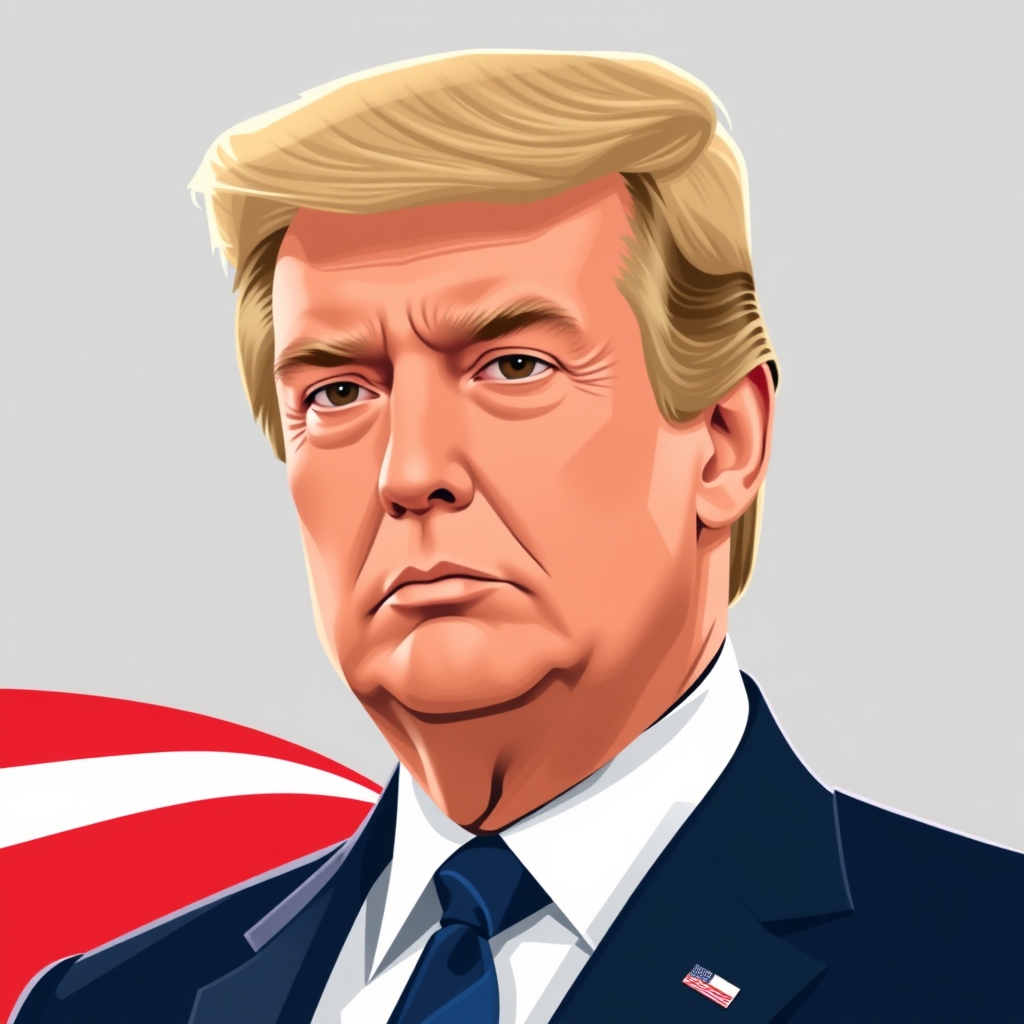
VS
Critics
?
No actors in this side.
No actors in this side.
President Trump attributes soaring US fuel prices to Democratic-run states like California and to Ukraine's strikes on Russian oil refineries, rather than to the war with Iran.
Critics dispute this framing, pointing to the Iran conflict and other factors as the cause of rising prices.
*AI-generated summary of publicly available data. This is not an official statement of any party.
*AI-generated summary of publicly available statements and reporting. This is not an official statement of this party.
Supporters of Trump argue that blaming him for fuel prices ignores how blue-state regulations and foreign conflicts abroad, not his policies, drive costs at the pump.
Supporters of Trump frame high fuel prices as a cultural fight over who controls energy: they blame Democratic-run states like California and Ukraine's refinery strikes, not the Iran war.
Supporters of Trump counter that blaming California and Ukraine is a cultural defense of sovereignty, arguing past leaders let foreign entanglements and coastal elites dictate costs that heartland Americans bear.
Supporters of Trump argue that legal causality matters: state regulations in California and Ukraine's refinery strikes, not the Iran war, are the documented drivers of rising fuel prices.
Supporters of Trump argue he is legally entitled to attribute fuel price hikes to state policies and Ukraine's strikes, maintaining that California's regulations and refinery disruptions, not the Iran war, drive costs.
Supporters of Trump counter that federal law lets states set their own fuel rules, so California's mandates and Ukraine-related supply shifts remain legally relevant factors, not mere scapegoats.
Supporters of Trump argue that blaming blue states and Ukraine's refinery strikes deflects voter anger from the Iran war, keeping a wartime narrative that protects his leverage abroad and his coalition at home.
Supporters of Trump argue that blaming Democratic-run states and Ukraine's refinery strikes redirects voter anger away from the White House, keeping the Iran war from becoming the midterm liability.
Supporters of Trump counter that shifting blame is standard leverage: allies absorb costs, rivals get named only when it serves the deal, and voters reward strength over confession.
Supporters of Trump argue that blaming his administration for fuel prices is unjust when Democratic states block domestic drilling and Ukraine's strikes disrupt global supply, so the fault lies elsewhere.
Supporters of Trump argue that moral accountability falls on Democratic-run states and Ukraine's refinery strikes, not the Iran war, for rising fuel prices.
Supporters of Trump counter that moral accountability runs both ways: a leader who unleashes war without clear cause bears the graver guilt, and shifting that cost onto American families is the deeper wrong.
Supporters of Trump argue that attributing fuel prices to divine judgment or scriptural mandate misreads Providence, since scripture calls leaders to steward resources wisely and California's policies, not Iran, bear the blame.
Supporters of Trump argue that moral accountability, not the Iran conflict, drives fuel prices, pointing to Democratic-run states and Ukraine's refinery strikes as the true causes.
Supporters of Trump counter that Proverbs 26:17 warns against meddling in disputes, and that California's policies and Ukraine aid are fair targets since they raise costs, not false witness.
*AI-generated summary of publicly available statements and reporting. This is not an official statement of this party.
Supporters of Critics argue Trump's blame-shifting toward California and Ukraine fuels a nationalist narrative that dodges accountability, framing the Iran war's real costs as someone else's fault.
Supporters of Critics argue that blaming California and Ukraine for high fuel prices is a cultural deflection—shifting responsibility onto perceived political and foreign "others" instead of addressing the Iran war's real costs.
Critics counter that culture, not just policy, shapes energy choices—blue states' climate values reflect voters' identity, so dismissing them as mere regulation sidesteps the deeper cultural divide over energy itself.
Supporters of Critics argue that blaming California and Ukraine lacks legal basis, since federal data ties rising fuel prices to the Iran conflict, not state policy or foreign strikes.
Supporters of Critics argue that blaming blue states or Ukraine misdirects legal accountability, since the Iran conflict and sanctions policy, not California, drive fuel prices.
Supporters of Critics counter that legal causality cuts both ways: if state rules and refinery strikes drive prices, then the Iran war's documented effect on global oil markets is a proximate cause too, not something courts can sever.
Supporters of Critics argue Trump deflects blame from the Iran war to California and Ukraine because naming the real cause would expose his own policy failures before an election.
Critics argue Trump deflects blame onto California and Ukraine because admitting the Iran war drives fuel prices would expose his own policy failure before voters.
Critics counter that a wartime narrative only protects Trump if voters stay afraid; blaming blue states and Ukraine invites the public to see the war as a choice, not a necessity, eroding the very leverage the deflection was meant to preserve.
Supporters of Critics argue that blaming blue states and Ukraine for fuel prices is a moral dodge, since the Iran war is the real driver; in their view, leaders should own the costs of conflicts they choose, not shift blame.
Supporters of Critics argue it's morally dishonest for Trump to pin rising fuel costs on blue states and Ukraine instead of the Iran war he engaged in, since leaders should own the consequences of their own choices.
Critics counter that moral responsibility rests with those who wield power, not with states exercising their own lawful choices—so blaming others for supply shocks avoids accountability for the administration's own energy decisions.
Supporters of Critics argue that blaming California and Ukraine for fuel prices distorts the truth, and that moral leadership requires honesty; they maintain that Scripture condemns false witness, so leaders should not scapegoat others for the Iran war's costs.
Supporters of Critics argue religious stewardship of creation demands honest accounting: blaming California or Ukraine for fuel prices while ignoring the Iran war's disruption reflects a disordered priority of power over truth.
Critics counter that invoking Providence to dismiss the spiritual framing proves too much, since scripture itself ties a nation's blessings to its rulers' fidelity, so the debate over blame cannot be settled by appealing to stewardship alone.
AI-generated summary of publicly available statements and reporting. This is not an official statement of this party.
Supporters of Trump argue that blaming him for fuel prices ignores how blue-state regulations and foreign conflicts abroad, not his policies, drive costs at the pump.
Supporters of Trump frame high fuel prices as a cultural fight over who controls energy: they blame Democratic-run states like California and Ukraine's refinery strikes, not the Iran war.
Supporters of Trump counter that blaming California and Ukraine is a cultural defense of sovereignty, arguing past leaders let foreign entanglements and coastal elites dictate costs that heartland Americans bear.
Supporters of Trump argue that legal causality matters: state regulations in California and Ukraine's refinery strikes, not the Iran war, are the documented drivers of rising fuel prices.
Supporters of Trump argue he is legally entitled to attribute fuel price hikes to state policies and Ukraine's strikes, maintaining that California's regulations and refinery disruptions, not the Iran war, drive costs.
Supporters of Trump counter that federal law lets states set their own fuel rules, so California's mandates and Ukraine-related supply shifts remain legally relevant factors, not mere scapegoats.
Supporters of Trump argue that blaming blue states and Ukraine's refinery strikes deflects voter anger from the Iran war, keeping a wartime narrative that protects his leverage abroad and his coalition at home.
Supporters of Trump argue that blaming Democratic-run states and Ukraine's refinery strikes redirects voter anger away from the White House, keeping the Iran war from becoming the midterm liability.
Supporters of Trump counter that shifting blame is standard leverage: allies absorb costs, rivals get named only when it serves the deal, and voters reward strength over confession.
Supporters of Trump argue that blaming his administration for fuel prices is unjust when Democratic states block domestic drilling and Ukraine's strikes disrupt global supply, so the fault lies elsewhere.
Supporters of Trump argue that moral accountability falls on Democratic-run states and Ukraine's refinery strikes, not the Iran war, for rising fuel prices.
Supporters of Trump counter that moral accountability runs both ways: a leader who unleashes war without clear cause bears the graver guilt, and shifting that cost onto American families is the deeper wrong.
Supporters of Trump argue that attributing fuel prices to divine judgment or scriptural mandate misreads Providence, since scripture calls leaders to steward resources wisely and California's policies, not Iran, bear the blame.
Supporters of Trump argue that moral accountability, not the Iran conflict, drives fuel prices, pointing to Democratic-run states and Ukraine's refinery strikes as the true causes.
Supporters of Trump counter that Proverbs 26:17 warns against meddling in disputes, and that California's policies and Ukraine aid are fair targets since they raise costs, not false witness.
Supporters of Critics argue Trump's blame-shifting toward California and Ukraine fuels a nationalist narrative that dodges accountability, framing the Iran war's real costs as someone else's fault.
Supporters of Critics argue that blaming California and Ukraine for high fuel prices is a cultural deflection—shifting responsibility onto perceived political and foreign "others" instead of addressing the Iran war's real costs.
Critics counter that culture, not just policy, shapes energy choices—blue states' climate values reflect voters' identity, so dismissing them as mere regulation sidesteps the deeper cultural divide over energy itself.
Supporters of Critics argue that blaming California and Ukraine lacks legal basis, since federal data ties rising fuel prices to the Iran conflict, not state policy or foreign strikes.
Supporters of Critics argue that blaming blue states or Ukraine misdirects legal accountability, since the Iran conflict and sanctions policy, not California, drive fuel prices.
Supporters of Critics counter that legal causality cuts both ways: if state rules and refinery strikes drive prices, then the Iran war's documented effect on global oil markets is a proximate cause too, not something courts can sever.
Supporters of Critics argue Trump deflects blame from the Iran war to California and Ukraine because naming the real cause would expose his own policy failures before an election.
Critics argue Trump deflects blame onto California and Ukraine because admitting the Iran war drives fuel prices would expose his own policy failure before voters.
Critics counter that a wartime narrative only protects Trump if voters stay afraid; blaming blue states and Ukraine invites the public to see the war as a choice, not a necessity, eroding the very leverage the deflection was meant to preserve.
Supporters of Critics argue that blaming blue states and Ukraine for fuel prices is a moral dodge, since the Iran war is the real driver; in their view, leaders should own the costs of conflicts they choose, not shift blame.
Supporters of Critics argue it's morally dishonest for Trump to pin rising fuel costs on blue states and Ukraine instead of the Iran war he engaged in, since leaders should own the consequences of their own choices.
Critics counter that moral responsibility rests with those who wield power, not with states exercising their own lawful choices—so blaming others for supply shocks avoids accountability for the administration's own energy decisions.
Supporters of Critics argue that blaming California and Ukraine for fuel prices distorts the truth, and that moral leadership requires honesty; they maintain that Scripture condemns false witness, so leaders should not scapegoat others for the Iran war's costs.
Supporters of Critics argue religious stewardship of creation demands honest accounting: blaming California or Ukraine for fuel prices while ignoring the Iran war's disruption reflects a disordered priority of power over truth.
Critics counter that invoking Providence to dismiss the spiritual framing proves too much, since scripture itself ties a nation's blessings to its rulers' fidelity, so the debate over blame cannot be settled by appealing to stewardship alone.
Trump shifts blame for fuel price hikes to blue states like California and Ukraine strikes on Russian oil refineries.