Critics of federal ad spending
?
No actors in this side.
VS
Trump
No actors in this side.
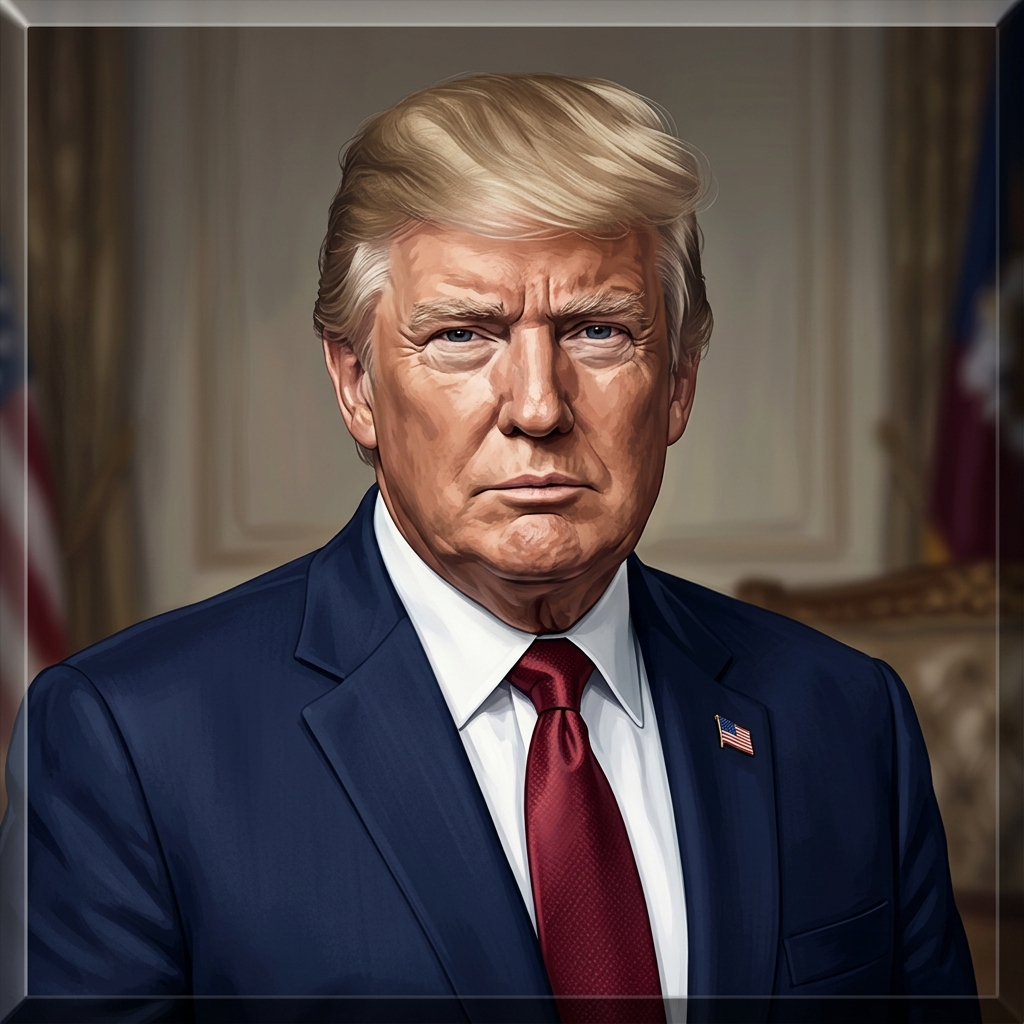
At least $1.5 million in federal funds was spent on TV ads featuring President Trump, drawing criticism from across the political spectrum.
Trump announced that his MAGA Inc. super PAC will reimburse the government and fund future ads.
*AI-generated summary of publicly available data. This is not an official statement of any party.
*AI-generated summary of publicly available statements and reporting. This is not an official statement of this party.
Supporters of the critics argue that using $1.5 million in federal funds for ads featuring a sitting president echoes a long cultural pattern of incumbents blurring state resources with campaign messaging, which they see as corrosive to public trust.
Critics of federal ad spending argue that using $1.5 million in public funds for ads featuring President Trump echoes a long cultural pattern of incumbents blurring state resources with personal promotion, and they see MAGA Inc.'s reimbursement as an admission.
Critics of federal ad spending counter that repaying funds after the fact still normalizes the deeper cultural breach—treating public money as a personal tab to settle, not a trust to never misuse.
Supporters of Critics of federal ad spending argue that taxpayer-funded ads featuring a sitting president lack clear legal authorization, and that MAGA Inc.'s reimbursement, while welcome, does not cure the original misuse of public funds.
Supporters of Critics of federal ad spending argue that taxpayer funds used to boost a sitting president's image exceed statutory appropriations authority, and that reimbursement by a political super PAC only confirms the spending was partisan, not governmental.
Critics of federal ad spending counter that repayment does not cure the underlying violation; they argue the improper use of federal funds occurred when spent, and self-reimbursement sidesteps rather than resolves the legal breach.
Supporters of Critics of federal ad spending argue the $1.5M outlay was pure leverage: Trump used public money to boost himself, then had his super PAC reimburse it to defuse the scandal while keeping the airtime.
Critics of federal ad spending argue the reimbursement concedes the ads were improper, letting Trump's super PAC convert public money into personal publicity while paying back only after exposure.
Critics of federal ad spending counter that reimbursement keeps the ad machinery running, so the concession costs the operation nothing while preserving its influence over the purse.
Supporters of the critics argue that taxpayer money should never fund a sitting president's political promotion, since it lets incumbents convert public resources into campaign advantage.
Supporters of the critics argue that using $1.5 million in public funds for ads featuring a sitting president is a moral breach of the public trust, since taxpayer money should serve the common good, not any leader's image.
Critics of federal ad spending counter that the moral issue is the $1.5 million itself: letting a private PAC cover costs for a sitting president's ads invites donor influence, so the public, not wealthy backers, should decide what political messaging is worth funding.
Supporters of Critics of federal ad spending argue that using public funds for Trump's ads violates stewardship of taxpayer money, citing scripture that leaders must be faithful with what is entrusted to them.
Supporters of Critics of federal ad spending argue that funding Trump's TV ads with taxpayer money violates scriptural stewardship, citing Proverbs that ill-gotten gains profit nothing.
Critics of federal ad spending counter that Scripture warns against serving mammon and seeking glory, so restitution without repentance still leaves the deeper sin of self-exaltation unaddressed.
*AI-generated summary of publicly available statements and reporting. This is not an official statement of this party.
Supporters of Trump argue that his MAGA Inc. reimbursement restores the cultural norm of accountability, showing that public funds tied to a president should be repaid rather than quietly absorbed.
Supporters of Trump frame his pledge to reimburse the $1.5 million as honoring institutional norms, arguing that self-correction through MAGA Inc. preserves public trust in government spending rather than eroding it.
Supporters of Trump counter that presidential public messaging is a longstanding cultural tradition, not corruption, citing past administrations' taxpayer-funded outreach, and argue such ads inform citizens rather than erode trust.
Supporters of Trump argue the reimbursement resolves any legal concern, since MAGA Inc. repaying the $1.5 million means no federal funds remain improperly spent.
Supporters of Trump argue the reimbursement resolves any legal issue: once MAGA Inc. repays the $1.5 million, no federal funds remain spent on the ads, so no misuse-of-appropriations claim survives.
Supporters of Trump counter that no statute explicitly bars a president from appearing in public-health messaging, and the reimbursement resolves any funds concern, leaving critics without a legal violation to cite.
Supporters of Trump argue that having his super PAC reimburse the Treasury and fund future ads converts a liability into leverage, neutralizing critics while keeping the messaging intact.
Supporters of Trump argue that having MAGA Inc. reimburse the $1.5 million and fund future ads neutralizes the criticism, converting a liability into a show of strength.
Supporters of Trump counter that the reimbursement itself disproves self-dealing: the public bore no net cost, and the ad buy reached taxpayers with a message, a routine use of office that critics recast as scandal only after it worked.
Supporters of Trump argue that reimbursing the $1.5 million through MAGA Inc. is the morally right fix: private donors, not taxpayers, should bear the cost of political ads.
Supporters of Trump argue that the MAGA Inc. reimbursement upholds the moral principle that taxpayers shouldn't bear partisan costs, showing accountability by returning public funds.
Supporters of Trump counter that refusing to communicate a president's achievements to taxpayers is itself unjust, since the public funded those results and deserves to hear them.
Supporters of Trump frame his decision to have MAGA Inc. reimburse the Treasury and fund future ads as a matter of conscience, arguing that public funds should not serve personal promotion and that restitution honors the nation's trust.
Supporters of Trump invoke stewardship of public trust, arguing MAGA Inc.'s reimbursement of the $1.5 million upholds the principle that government funds serve the nation, not any leader's image.
Supporters of Trump counter that governing authorities are established by God and entrusted with public funds for national messaging, so the spending is faithful stewardship, not misuse.
AI-generated summary of publicly available statements and reporting. This is not an official statement of this party.
Supporters of the critics argue that using $1.5 million in federal funds for ads featuring a sitting president echoes a long cultural pattern of incumbents blurring state resources with campaign messaging, which they see as corrosive to public trust.
Critics of federal ad spending argue that using $1.5 million in public funds for ads featuring President Trump echoes a long cultural pattern of incumbents blurring state resources with personal promotion, and they see MAGA Inc.'s reimbursement as an admission.
Critics of federal ad spending counter that repaying funds after the fact still normalizes the deeper cultural breach—treating public money as a personal tab to settle, not a trust to never misuse.
Supporters of Critics of federal ad spending argue that taxpayer-funded ads featuring a sitting president lack clear legal authorization, and that MAGA Inc.'s reimbursement, while welcome, does not cure the original misuse of public funds.
Supporters of Critics of federal ad spending argue that taxpayer funds used to boost a sitting president's image exceed statutory appropriations authority, and that reimbursement by a political super PAC only confirms the spending was partisan, not governmental.
Critics of federal ad spending counter that repayment does not cure the underlying violation; they argue the improper use of federal funds occurred when spent, and self-reimbursement sidesteps rather than resolves the legal breach.
Supporters of Critics of federal ad spending argue the $1.5M outlay was pure leverage: Trump used public money to boost himself, then had his super PAC reimburse it to defuse the scandal while keeping the airtime.
Critics of federal ad spending argue the reimbursement concedes the ads were improper, letting Trump's super PAC convert public money into personal publicity while paying back only after exposure.
Critics of federal ad spending counter that reimbursement keeps the ad machinery running, so the concession costs the operation nothing while preserving its influence over the purse.
Supporters of the critics argue that taxpayer money should never fund a sitting president's political promotion, since it lets incumbents convert public resources into campaign advantage.
Supporters of the critics argue that using $1.5 million in public funds for ads featuring a sitting president is a moral breach of the public trust, since taxpayer money should serve the common good, not any leader's image.
Critics of federal ad spending counter that the moral issue is the $1.5 million itself: letting a private PAC cover costs for a sitting president's ads invites donor influence, so the public, not wealthy backers, should decide what political messaging is worth funding.
Supporters of Critics of federal ad spending argue that using public funds for Trump's ads violates stewardship of taxpayer money, citing scripture that leaders must be faithful with what is entrusted to them.
Supporters of Critics of federal ad spending argue that funding Trump's TV ads with taxpayer money violates scriptural stewardship, citing Proverbs that ill-gotten gains profit nothing.
Critics of federal ad spending counter that Scripture warns against serving mammon and seeking glory, so restitution without repentance still leaves the deeper sin of self-exaltation unaddressed.
Supporters of Trump argue that his MAGA Inc. reimbursement restores the cultural norm of accountability, showing that public funds tied to a president should be repaid rather than quietly absorbed.
Supporters of Trump frame his pledge to reimburse the $1.5 million as honoring institutional norms, arguing that self-correction through MAGA Inc. preserves public trust in government spending rather than eroding it.
Supporters of Trump counter that presidential public messaging is a longstanding cultural tradition, not corruption, citing past administrations' taxpayer-funded outreach, and argue such ads inform citizens rather than erode trust.
Supporters of Trump argue the reimbursement resolves any legal concern, since MAGA Inc. repaying the $1.5 million means no federal funds remain improperly spent.
Supporters of Trump argue the reimbursement resolves any legal issue: once MAGA Inc. repays the $1.5 million, no federal funds remain spent on the ads, so no misuse-of-appropriations claim survives.
Supporters of Trump counter that no statute explicitly bars a president from appearing in public-health messaging, and the reimbursement resolves any funds concern, leaving critics without a legal violation to cite.
Supporters of Trump argue that having his super PAC reimburse the Treasury and fund future ads converts a liability into leverage, neutralizing critics while keeping the messaging intact.
Supporters of Trump argue that having MAGA Inc. reimburse the $1.5 million and fund future ads neutralizes the criticism, converting a liability into a show of strength.
Supporters of Trump counter that the reimbursement itself disproves self-dealing: the public bore no net cost, and the ad buy reached taxpayers with a message, a routine use of office that critics recast as scandal only after it worked.
Supporters of Trump argue that reimbursing the $1.5 million through MAGA Inc. is the morally right fix: private donors, not taxpayers, should bear the cost of political ads.
Supporters of Trump argue that the MAGA Inc. reimbursement upholds the moral principle that taxpayers shouldn't bear partisan costs, showing accountability by returning public funds.
Supporters of Trump counter that refusing to communicate a president's achievements to taxpayers is itself unjust, since the public funded those results and deserves to hear them.
Supporters of Trump frame his decision to have MAGA Inc. reimburse the Treasury and fund future ads as a matter of conscience, arguing that public funds should not serve personal promotion and that restitution honors the nation's trust.
Supporters of Trump invoke stewardship of public trust, arguing MAGA Inc.'s reimbursement of the $1.5 million upholds the principle that government funds serve the nation, not any leader's image.
Supporters of Trump counter that governing authorities are established by God and entrusted with public funds for national messaging, so the spending is faithful stewardship, not misuse.