Critics of Trump's claim
?
No actors in this side.
VS
Trump
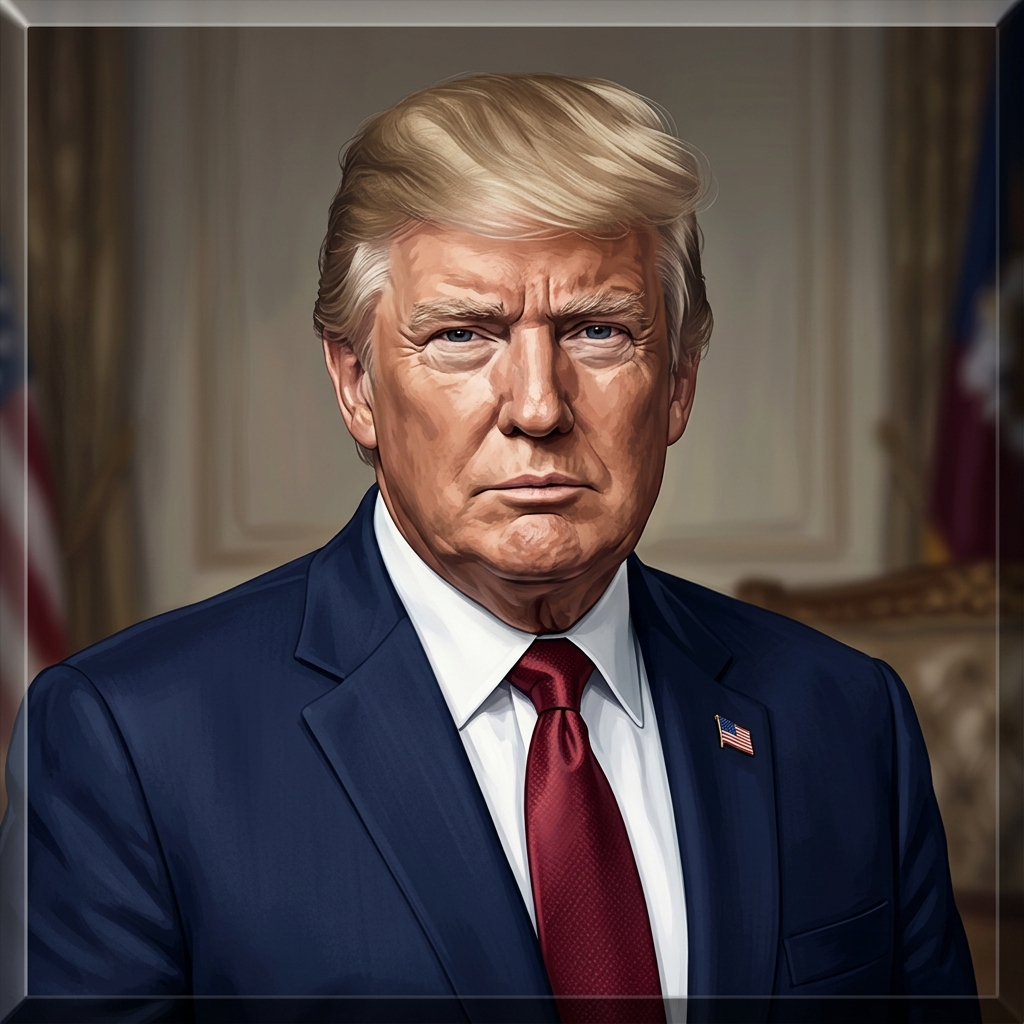
No actors in this side.
US President Donald Trump has attributed the violent student protests in France to the country's migration policies.
The article presents his claim, which is contested by those who view the unrest as stemming from other factors.
*AI-generated summary of publicly available data. This is not an official statement of any party.
*AI-generated summary of publicly available statements and reporting. This is not an official statement of this party.
Supporters of Critics of Trump's claim argue his migration narrative ignores France's own cultural and institutional context, maintaining the unrest reflects domestic grievances rather than migration policy alone.
Supporters of the critics argue that reducing France's unrest to migration policy erases the nation's own cultural fractures, treating an inherited social fabric as the sole cause of its troubles.
Supporters of Critics of Trump's claim counter that France's unrest stems from entrenched inequality and police violence, not migration, since prior demographic shifts never erased the nation's cultural fabric.
Supporters of the critics argue Trump's causal claim about French migration policy lacks evidentiary basis, and that attributing unrest to migration without verified proof misrepresents the legal facts.
Supporters of Critics of Trump's claim argue that attributing French unrest to migration lacks legal or evidentiary basis, since no official finding ties the protests to migration policy.
Critics of Trump's claim counter that speech urging policy based on a contested causal link still carries legal weight when officials act on it, since incitement turns on foreseeable harm, not proven causation.
Supporters of Critics of Trump's claim argue Trump scapegoats migrants to deflect from his own domestic failures, since blaming outsiders costs him nothing and rallies his base.
Critics of Trump's claim argue that attributing French unrest to migration is a calculated move to advance a domestic agenda, using a foreign crisis as a pretext to justify restrictive policies at home.
Critics of Trump's claim counter that the base-appeal framing misreads incentives: the remark cost him European goodwill, handed rivals a grievance, and gained nothing his voters lacked—making it a self-inflicted cost, not strategy.
Supporters of Critics of Trump's claim argue that blaming migration for French student unrest exploits tragedy to stigmatize migrants, and that moral leadership requires evidence over scapegoating.
Supporters of Critics of Trump's claim argue that blaming migration for French student unrest morally scapegoats migrants, since the protests stem from other grievances and no evidence ties them to migration policy.
Supporters of Critics of Trump's claim counter that a nation's moral duty cannot stop at its own borders, since human dignity is universal and the unrest stems from failed integration policies, not migration itself.
Critics of Trump's claim argue that attributing France's unrest solely to migration ignores Scripture's call to welcome the stranger and the deeper spiritual roots of social strife.
Supporters of Critics of Trump's claim argue that scripture commands compassion for the stranger and warns against scapegoating migrants for social unrest, insisting the protests stem from other causes.
Critics of Trump's claim counter that scripture commands care for the stranger, so France's unrest reflects failures of justice and welcome, not divine judgment on migration.
*AI-generated summary of publicly available statements and reporting. This is not an official statement of this party.
Supporters of Trump argue that France's unrest reflects a cultural clash tied to mass migration, pointing to past cycles where rapid demographic change strained social cohesion; they maintain nations thrive when assimilation, not open borders, guides policy.
Supporters of Trump invoke historical cycles of assimilation, arguing that past migrations succeeded only when newcomers adopted host cultures, and they see France's unrest as a modern cautionary tale.
Supporters of Trump counter that France's own history shows assimilation stalls when migrant enclaves grow, so the unrest reflects failed integration rather than purely domestic grievances.
Supporters of Trump argue that attributing French unrest to mass migration is protected political speech, not a legal finding, and that critics conflate contested causation with unlawful incitement.
Supporters of Trump argue that attributing French unrest to mass migration is a lawful exercise of political speech, not an evidentiary finding, and that critics conflate rhetoric with legally cognizable causation.
They counter that immigration law grants the executive discretion over entry, so Trump's linking of French policy to unrest is a permissible political judgment, not a legal finding requiring judicial proof.
Supporters of Trump argue that blaming French unrest on mass migration serves his base: it frames migration as a security threat, pressures European allies, and shifts blame abroad rather than onto domestic unrest.
Supporters of Trump argue that blaming French unrest on mass migration reframes the debate on his terms, forcing rivals to defend migration itself rather than his claim.
Supporters of Trump counter that scapegoating costs him nothing because border enforcement polls well with swing voters, so rallying the base while pressuring Democrats on a salient issue is leverage, not deflection.
Supporters of Trump argue that a nation’s moral duty is to protect its own citizens first, and they point to the French unrest as evidence that unchecked migration erodes social cohesion.
Supporters of Trump argue that France's migration policies bear moral responsibility for the unrest, maintaining that a nation's first duty is protecting its own citizens' safety and social cohesion.
Supporters of Trump counter that moral leadership also demands honesty about real security risks, and they argue that refusing to name a link, when evidence exists, itself exploits tragedy.
Supporters of Trump frame France's unrest as a spiritual warning, arguing that abandoning inherited religious and cultural foundations for mass migration erodes the social order that faith and tradition sustain.
Supporters of Trump argue that mass migration erodes a nation's religious and cultural foundations, and they cite France's unrest as evidence that abandoning inherited traditions invites disorder.
Supporters of Trump counter that Scripture also charges rulers to preserve order and protect citizens, a duty they say outweighs unchecked migration when public safety and social cohesion are at stake.
AI-generated summary of publicly available statements and reporting. This is not an official statement of this party.
Supporters of Critics of Trump's claim argue his migration narrative ignores France's own cultural and institutional context, maintaining the unrest reflects domestic grievances rather than migration policy alone.
Supporters of the critics argue that reducing France's unrest to migration policy erases the nation's own cultural fractures, treating an inherited social fabric as the sole cause of its troubles.
Supporters of Critics of Trump's claim counter that France's unrest stems from entrenched inequality and police violence, not migration, since prior demographic shifts never erased the nation's cultural fabric.
Supporters of the critics argue Trump's causal claim about French migration policy lacks evidentiary basis, and that attributing unrest to migration without verified proof misrepresents the legal facts.
Supporters of Critics of Trump's claim argue that attributing French unrest to migration lacks legal or evidentiary basis, since no official finding ties the protests to migration policy.
Critics of Trump's claim counter that speech urging policy based on a contested causal link still carries legal weight when officials act on it, since incitement turns on foreseeable harm, not proven causation.
Supporters of Critics of Trump's claim argue Trump scapegoats migrants to deflect from his own domestic failures, since blaming outsiders costs him nothing and rallies his base.
Critics of Trump's claim argue that attributing French unrest to migration is a calculated move to advance a domestic agenda, using a foreign crisis as a pretext to justify restrictive policies at home.
Critics of Trump's claim counter that the base-appeal framing misreads incentives: the remark cost him European goodwill, handed rivals a grievance, and gained nothing his voters lacked—making it a self-inflicted cost, not strategy.
Supporters of Critics of Trump's claim argue that blaming migration for French student unrest exploits tragedy to stigmatize migrants, and that moral leadership requires evidence over scapegoating.
Supporters of Critics of Trump's claim argue that blaming migration for French student unrest morally scapegoats migrants, since the protests stem from other grievances and no evidence ties them to migration policy.
Supporters of Critics of Trump's claim counter that a nation's moral duty cannot stop at its own borders, since human dignity is universal and the unrest stems from failed integration policies, not migration itself.
Critics of Trump's claim argue that attributing France's unrest solely to migration ignores Scripture's call to welcome the stranger and the deeper spiritual roots of social strife.
Supporters of Critics of Trump's claim argue that scripture commands compassion for the stranger and warns against scapegoating migrants for social unrest, insisting the protests stem from other causes.
Critics of Trump's claim counter that scripture commands care for the stranger, so France's unrest reflects failures of justice and welcome, not divine judgment on migration.
Supporters of Trump argue that France's unrest reflects a cultural clash tied to mass migration, pointing to past cycles where rapid demographic change strained social cohesion; they maintain nations thrive when assimilation, not open borders, guides policy.
Supporters of Trump invoke historical cycles of assimilation, arguing that past migrations succeeded only when newcomers adopted host cultures, and they see France's unrest as a modern cautionary tale.
Supporters of Trump counter that France's own history shows assimilation stalls when migrant enclaves grow, so the unrest reflects failed integration rather than purely domestic grievances.
Supporters of Trump argue that attributing French unrest to mass migration is protected political speech, not a legal finding, and that critics conflate contested causation with unlawful incitement.
Supporters of Trump argue that attributing French unrest to mass migration is a lawful exercise of political speech, not an evidentiary finding, and that critics conflate rhetoric with legally cognizable causation.
They counter that immigration law grants the executive discretion over entry, so Trump's linking of French policy to unrest is a permissible political judgment, not a legal finding requiring judicial proof.
Supporters of Trump argue that blaming French unrest on mass migration serves his base: it frames migration as a security threat, pressures European allies, and shifts blame abroad rather than onto domestic unrest.
Supporters of Trump argue that blaming French unrest on mass migration reframes the debate on his terms, forcing rivals to defend migration itself rather than his claim.
Supporters of Trump counter that scapegoating costs him nothing because border enforcement polls well with swing voters, so rallying the base while pressuring Democrats on a salient issue is leverage, not deflection.
Supporters of Trump argue that a nation’s moral duty is to protect its own citizens first, and they point to the French unrest as evidence that unchecked migration erodes social cohesion.
Supporters of Trump argue that France's migration policies bear moral responsibility for the unrest, maintaining that a nation's first duty is protecting its own citizens' safety and social cohesion.
Supporters of Trump counter that moral leadership also demands honesty about real security risks, and they argue that refusing to name a link, when evidence exists, itself exploits tragedy.
Supporters of Trump frame France's unrest as a spiritual warning, arguing that abandoning inherited religious and cultural foundations for mass migration erodes the social order that faith and tradition sustain.
Supporters of Trump argue that mass migration erodes a nation's religious and cultural foundations, and they cite France's unrest as evidence that abandoning inherited traditions invites disorder.
Supporters of Trump counter that Scripture also charges rulers to preserve order and protect citizens, a duty they say outweighs unchecked migration when public safety and social cohesion are at stake.
US President Donald Trump has blamed the violent student protests in France on the country’s migration policies Read Full Article at RT.com