Trump administration
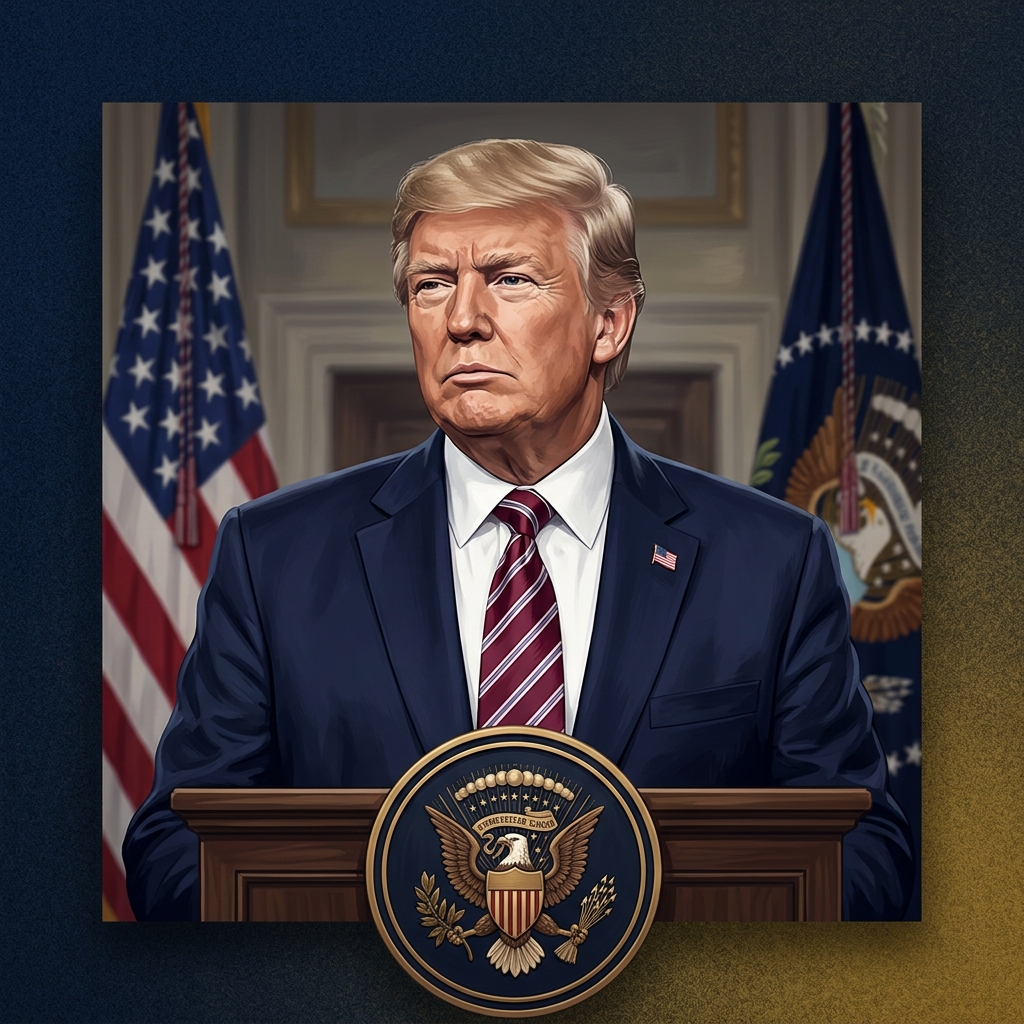
VS
Critics of revenue handling
?
No actors in this side.
No actors in this side.
A US report addresses concerns about the Trump administration's management of $12bn in revenue from Venezuelan oil and mineral resources held in trust for Venezuela.
The report responds to questions about how these funds are being handled.
*AI-generated summary of publicly available data. This is not an official statement of any party.
*AI-generated summary of publicly available statements and reporting. This is not an official statement of this party.
Supporters of the Trump administration argue that holding Venezuelan oil revenue in trust reflects a longstanding American tradition of stewardship over seized or sanctioned assets, framing oversight as continuity rather than rupture.
Supporters of the Trump administration frame the $12bn trust as a sovereign custody arrangement, citing historical precedent in which a custodian safeguards foreign assets until legitimate governance returns.
Supporters of the Trump administration counter that inherited institutions long enabled corruption, and that sovereignty means Venezuela's funds should be controlled by its own people rather than legacy gatekeepers.
Supporters of the Trump administration argue that the report itself demonstrates legal compliance, maintaining that the $12bn in Venezuelan oil and mineral revenue is held in trust under lawful authority and that releasing the accounting satisfies any obligation to show proper st.
Supporters of the Trump administration argue that holding Venezuelan oil and mineral revenue in trust is a lawful custodial arrangement, and they maintain that the released report documents proper legal authority and accountability for the $12bn.
Supporters of the Trump administration counter that the trust arrangement lacks any statutory basis creating an enforceable fiduciary duty, so they argue no legally cognizable accounting obligation attaches to the released funds.
Supporters of the Trump administration argue that holding $12bn in escrowed Venezuelan oil revenue is leverage, not charity—funds stay controlled until political conditions shift in Washington's favor.
Supporters of the Trump administration argue that holding Venezuela's $12bn in trust is leverage: the report signals control over the funds, and they maintain that disciplined custody, not handover, is what protects US interests.
Supporters of the Trump administration counter that outside audits and court oversight already constrain the trust, so critics' self-dealing charge is a procedural complaint, not proof of misuse.
Supporters of the Trump administration argue that holding Venezuelan oil and mineral revenue in trust, with a public report, reflects a moral duty to keep those funds accountable to Venezuela's people rather than letting them be diverted.
Supporters of the Trump administration argue that holding Venezuelan oil and mineral revenue in trust is a moral duty, preserving those funds for the Venezuelan people rather than letting them be seized.
Supporters of the Trump administration counter that the moral duty runs to Venezuelans, not to a trust controlled by figures tied to the Maduro-aligned interim arrangement, and argue that withholding revenue from those actors better serves the people.
Supporters of the Trump administration argue that holding Venezuela's oil and mineral revenue in trust reflects a steward's duty to guard resources for the vulnerable, invoking scripture's charge to defend the widow and orphan until lawful ownership is restored.
Supporters of the Trump administration argue that holding Venezuela's $12bn oil and mineral revenue in trust reflects a moral duty of stewardship, insisting that scripture's call to handle resources honestly and account for them before God guides their handling of the funds.
Supporters of the Trump administration counter that scripture charges stewards with faithful management, not public disclosure, and cite Matthew 25's parable of the talents as judging fruitfulness rather than audits.
*AI-generated summary of publicly available statements and reporting. This is not an official statement of this party.
Supporters of the critics of revenue handling argue that stewarding Venezuela's $12bn in trust demands the transparency and accountability inherited institutions have long modeled, warning that bypassing such norms erodes public trust.
Supporters of Critics of revenue handling argue that managing Venezuelan oil revenue requires respect for established fiduciary norms and institutional accountability, warning that bending precedent in trust fund handling erodes the public trust that sustains orderly governance.
Critics of revenue handling counter that stewardship claims ring hollow when the same revenue stream has been redirected toward unrelated priorities, arguing that inherited tradition demands transparent accounting to the public rather than discretionary control.
Supporters of Critics of revenue handling argue that holding $12bn in Venezuelan oil and mineral revenue in trust imposes a legal fiduciary duty, and the released report must show lawful accounting for those funds.
Supporters of Critics of revenue handling argue that holding $12bn in Venezuelan oil and mineral revenue in trust demands a clear legal accounting, and they maintain that the released report must show lawful fiduciary handling of those funds.
Critics of the revenue handling counter that a published accounting alone does not establish lawful authority; they argue the trust's legal basis and any required congressional notification must be shown, not merely asserted.
Supporters of Critics of revenue handling argue that control of $12bn held in trust is leverage, not stewardship, and that a report issued by the same administration holding the funds can't credibly audit itself.
Supporters of Critics of revenue handling argue that holding $12bn in trust without independent oversight is leverage disguised as stewardship, since whoever controls the purse controls Venezuela's future.
Critics of revenue handling counter that leverage requires credibility: by treating escrowed funds as a bargaining chip rather than honoring a clear disbursement path, they argue, the administration invites counterparties to discount future U.S.
Supporters of Critics of revenue handling argue that holding $12bn in Venezuelan oil and mineral revenue in trust carries a moral duty of stewardship, and they maintain that the report must show these funds serve the Venezuelan people rather than any political interest.
Supporters of Critics of revenue handling argue that holding $12bn in Venezuelan oil and mineral revenue in trust imposes a moral duty of transparent stewardship, and they maintain that any ambiguity in the report's accounting betrays that trust.
Critics of revenue handling counter that a trust controlled by outside powers, however transparent, presumes authority over Venezuelan resources that no foreign government legitimately holds, making the arrangement itself a moral overreach.
Supporters of Critics of revenue handling argue that holding $12bn in trust imposes a sacred fiduciary duty, and that the Trump administration must render a full moral accounting to God and the public for funds entrusted to its care.
Supporters of Critics of revenue handling argue that stewardship of $12bn held in trust for Venezuela carries a moral duty, and they maintain that religious tradition demands transparent accounting from those entrusted with others' resources.
Critics of revenue handling counter that scripture also commands restitution to the wronged owner, and withholding a nation's lawful revenue indefinitely risks the sin of theft, not stewardship.
AI-generated summary of publicly available statements and reporting. This is not an official statement of this party.
Supporters of the Trump administration argue that holding Venezuelan oil revenue in trust reflects a longstanding American tradition of stewardship over seized or sanctioned assets, framing oversight as continuity rather than rupture.
Supporters of the Trump administration frame the $12bn trust as a sovereign custody arrangement, citing historical precedent in which a custodian safeguards foreign assets until legitimate governance returns.
Supporters of the Trump administration counter that inherited institutions long enabled corruption, and that sovereignty means Venezuela's funds should be controlled by its own people rather than legacy gatekeepers.
Supporters of the Trump administration argue that the report itself demonstrates legal compliance, maintaining that the $12bn in Venezuelan oil and mineral revenue is held in trust under lawful authority and that releasing the accounting satisfies any obligation to show proper st.
Supporters of the Trump administration argue that holding Venezuelan oil and mineral revenue in trust is a lawful custodial arrangement, and they maintain that the released report documents proper legal authority and accountability for the $12bn.
Supporters of the Trump administration counter that the trust arrangement lacks any statutory basis creating an enforceable fiduciary duty, so they argue no legally cognizable accounting obligation attaches to the released funds.
Supporters of the Trump administration argue that holding $12bn in escrowed Venezuelan oil revenue is leverage, not charity—funds stay controlled until political conditions shift in Washington's favor.
Supporters of the Trump administration argue that holding Venezuela's $12bn in trust is leverage: the report signals control over the funds, and they maintain that disciplined custody, not handover, is what protects US interests.
Supporters of the Trump administration counter that outside audits and court oversight already constrain the trust, so critics' self-dealing charge is a procedural complaint, not proof of misuse.
Supporters of the Trump administration argue that holding Venezuelan oil and mineral revenue in trust, with a public report, reflects a moral duty to keep those funds accountable to Venezuela's people rather than letting them be diverted.
Supporters of the Trump administration argue that holding Venezuelan oil and mineral revenue in trust is a moral duty, preserving those funds for the Venezuelan people rather than letting them be seized.
Supporters of the Trump administration counter that the moral duty runs to Venezuelans, not to a trust controlled by figures tied to the Maduro-aligned interim arrangement, and argue that withholding revenue from those actors better serves the people.
Supporters of the Trump administration argue that holding Venezuela's oil and mineral revenue in trust reflects a steward's duty to guard resources for the vulnerable, invoking scripture's charge to defend the widow and orphan until lawful ownership is restored.
Supporters of the Trump administration argue that holding Venezuela's $12bn oil and mineral revenue in trust reflects a moral duty of stewardship, insisting that scripture's call to handle resources honestly and account for them before God guides their handling of the funds.
Supporters of the Trump administration counter that scripture charges stewards with faithful management, not public disclosure, and cite Matthew 25's parable of the talents as judging fruitfulness rather than audits.
Supporters of the critics of revenue handling argue that stewarding Venezuela's $12bn in trust demands the transparency and accountability inherited institutions have long modeled, warning that bypassing such norms erodes public trust.
Supporters of Critics of revenue handling argue that managing Venezuelan oil revenue requires respect for established fiduciary norms and institutional accountability, warning that bending precedent in trust fund handling erodes the public trust that sustains orderly governance.
Critics of revenue handling counter that stewardship claims ring hollow when the same revenue stream has been redirected toward unrelated priorities, arguing that inherited tradition demands transparent accounting to the public rather than discretionary control.
Supporters of Critics of revenue handling argue that holding $12bn in Venezuelan oil and mineral revenue in trust imposes a legal fiduciary duty, and the released report must show lawful accounting for those funds.
Supporters of Critics of revenue handling argue that holding $12bn in Venezuelan oil and mineral revenue in trust demands a clear legal accounting, and they maintain that the released report must show lawful fiduciary handling of those funds.
Critics of the revenue handling counter that a published accounting alone does not establish lawful authority; they argue the trust's legal basis and any required congressional notification must be shown, not merely asserted.
Supporters of Critics of revenue handling argue that control of $12bn held in trust is leverage, not stewardship, and that a report issued by the same administration holding the funds can't credibly audit itself.
Supporters of Critics of revenue handling argue that holding $12bn in trust without independent oversight is leverage disguised as stewardship, since whoever controls the purse controls Venezuela's future.
Critics of revenue handling counter that leverage requires credibility: by treating escrowed funds as a bargaining chip rather than honoring a clear disbursement path, they argue, the administration invites counterparties to discount future U.S.
Supporters of Critics of revenue handling argue that holding $12bn in Venezuelan oil and mineral revenue in trust carries a moral duty of stewardship, and they maintain that the report must show these funds serve the Venezuelan people rather than any political interest.
Supporters of Critics of revenue handling argue that holding $12bn in Venezuelan oil and mineral revenue in trust imposes a moral duty of transparent stewardship, and they maintain that any ambiguity in the report's accounting betrays that trust.
Critics of revenue handling counter that a trust controlled by outside powers, however transparent, presumes authority over Venezuelan resources that no foreign government legitimately holds, making the arrangement itself a moral overreach.
Supporters of Critics of revenue handling argue that holding $12bn in trust imposes a sacred fiduciary duty, and that the Trump administration must render a full moral accounting to God and the public for funds entrusted to its care.
Supporters of Critics of revenue handling argue that stewardship of $12bn held in trust for Venezuela carries a moral duty, and they maintain that religious tradition demands transparent accounting from those entrusted with others' resources.
Critics of revenue handling counter that scripture also commands restitution to the wronged owner, and withholding a nation's lawful revenue indefinitely risks the sin of theft, not stewardship.
The report seeks to address concerns about the Trump administration's handling of revenue held in trust for Venezuela.